
To fit an electric treadmill in a small condo without blocking walkways, you must balance the machine’s physical footprint with the surrounding clearance zones. A typical compact folding treadmill requires a dedicated floor area of about 150 to 170 centimeters in length and 70 to 80 centimeters in width when in use, but the actual space needed is larger due to safety margins. Finding the right thread mill exercise machine electric model for a compact condominium requires careful planning to ensure your fitness routine does not compromise your daily living space. In typical urban developments where studio and one-bedroom units range from 22 to 35 square meters, every single square meter of floor space must be utilized efficiently.
How to Measure Your Condo Space and Walkway Clearances
Do not just look at an empty corner of your living room or bedroom and assume a treadmill will fit. The total square footage of a room is highly misleading because furniture, structural pillars, and swing zones for doors immediately reduce your usable footprint. To find the true usable area, map out the exact zone where you want to place the machine. Use a physical tape measure to mark the boundaries, keeping in mind that you need to maintain clear pathways to the kitchen, bathroom, and main exit.
Walkways must remain completely unobstructed for daily traffic and emergency evacuations. In a typical condo layout, a primary walkway should ideally maintain a clear width of at least 90 centimeters, while secondary paths between furniture should not fall below 70 centimeters. If placing a treadmill forces you to walk sideways or squeeze past the console to reach your balcony, the machine is too large for that specific layout.
Products mentioned in this guide
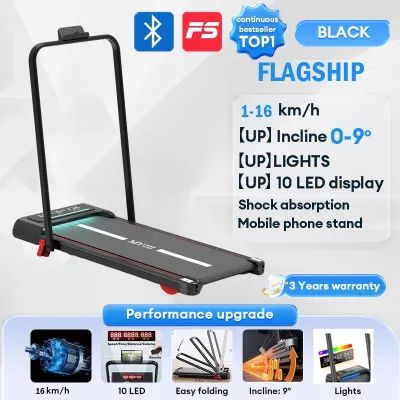
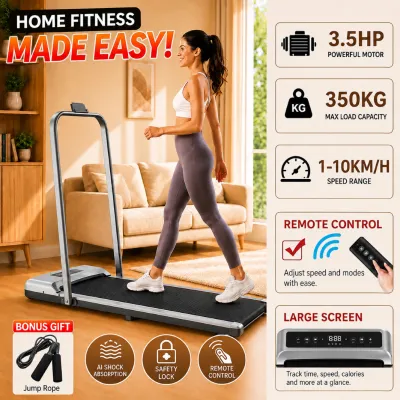
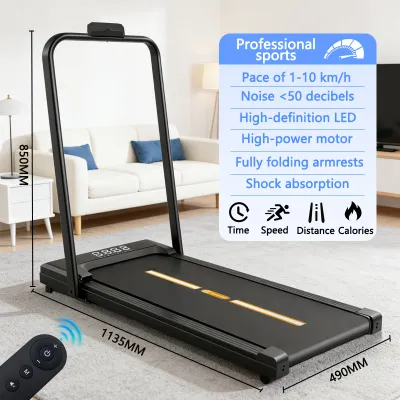
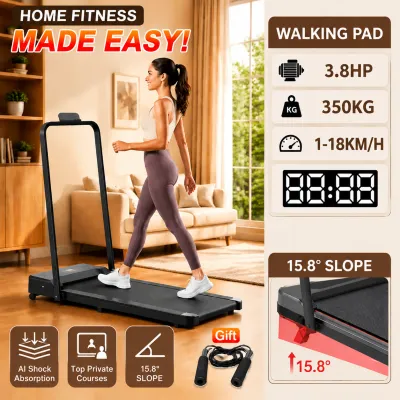
Prices are valid at publication and may change. Please refer to the product page for the latest price.
Identify and map all permanent obstacles before finalizing your layout. Built-in wardrobes, structural columns, low-hanging light fixtures, and sliding balcony doors all dictate where a machine can safely sit. Ensure that opening a cabinet door or stepping out of the bathroom does not lead directly into the treadmill’s frame. You must also account for the swing radius of nearby doors to prevent accidental collisions while the machine is in use.
Decoding Electric Treadmill Dimensions and Safety Zones
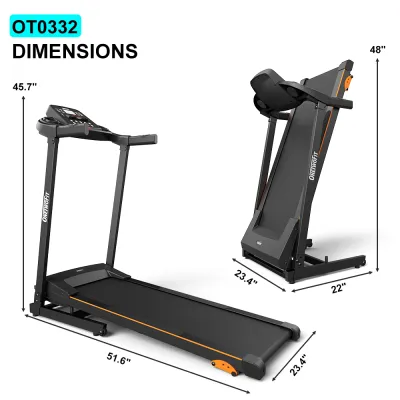
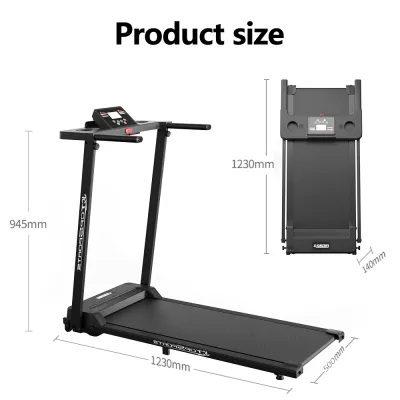
When browsing specifications for a thread mill exercise machine electric unit, you will encounter two sets of dimensions: the active running footprint and the folded storage dimensions. The active footprint represents the machine’s maximum length and width when fully deployed and ready for a workout. This is the dimension you must compare against your cleared floor space to ensure it does not encroach on your daily living areas.

The folded dimensions show how much floor space the machine saves when stored vertically or flat under a bed. However, you must verify the folding mechanism’s height; a vertically folded treadmill can stand over 150 centimeters tall, which might block windows, wall-mounted televisions, or air conditioning vents. If you plan to store the machine flat, measure the clearance under your sofa or bed frame to ensure the folded deck can slide underneath without scraping.
Do not overlook the vertical and lateral dimensions of the machine. The console height and handrail width determine how bulky the machine feels in a small room, while the deck height plus your own height must not exceed your condo’s ceiling height, especially when using the maximum incline elevation. A low ceiling combined with a high deck can make running feel incredibly cramped and unsafe.
Safety clearance zones are critical to prevent severe injury if you slip or fall during a run. Manufacturers generally recommend leaving a clear, unobstructed zone of at least 1.5 to 2 meters behind the running belt and at least 0.5 meters on both sides of the deck. In a small condo, prioritizing a clear zone behind the belt is non-negotiable to prevent being trapped against a wall or furniture during a fall.
Overcoming Condo Delivery and Layout Constraints
Before clicking purchase on an online marketplace, you must plan the physical journey of the machine from the delivery truck to your condo unit. Measure the height and width of the building’s service elevator, stairwell turns, and your own front door frame to ensure the boxed machine can actually pass through. Many delivery services will only bring the item to the lobby if the box cannot fit into the elevator or navigate tight hallway corners.
Condo living also requires consideration of your neighbors and the building’s structural limits. While standard home treadmills rarely exceed residential floor load capacities, the dynamic impact of running creates significant vibration and noise that transfers directly through concrete floors. This low-frequency noise can easily disturb neighbors living directly below your unit, leading to complaints.
To minimize structural noise and protect your flooring, always place a high-density rubber equipment mat beneath the machine. This simple addition dampens vibrations, absorbs impact sound, and prevents the treadmill from sliding or scratching your tiles or vinyl planks during high-intensity sessions. It also helps protect the machine’s internal electronics from dust and static electricity generated by synthetic carpets.
Electrical safety and cord management are equally vital in tight spaces. An electric treadmill should plug directly into a grounded wall outlet without the use of extension cords, which can overheat or present a severe tripping hazard across narrow walkways. Plan your layout so the power cord runs along the baseboard rather than crossing an active path.
Essential Space-Saving Features for Compact Units
If you are dealing with a highly restricted layout, look for specific space-saving engineering features. A hydraulic folding system, often called soft-drop technology, allows you to fold and unfold the deck safely with minimal physical effort. This feature prevents the heavy deck from slamming onto your floor, protecting both your tiles and the machine’s structural frame.
Ensure the folding mechanism includes a robust locking pin or latch to keep the deck securely upright when not in use, especially if you have pets or children. Integrated transport wheels are also essential, allowing you to roll the machine into a closet or corner after your workout. Look for multi-directional wheels that make maneuvering the heavy frame easier on tight condo corners.
Look for models with compact motor housings and slim-profile running decks. Traditional commercial treadmills have bulky front hoods that take up valuable floor space, whereas modern compact designs integrate the motor more efficiently to maximize the usable belt length relative to the overall machine length. This design ensures you get a sufficient running surface without unnecessary bulk.
When a standard electric treadmill simply cannot fit without blocking a vital walkway, consider a walking pad or an under-desk treadmill. These flat, handrail-free or fold-down units are designed strictly for walking or light jogging, allowing them to slide completely under a sofa or bed when your session is complete. They offer a highly practical compromise for maintaining daily step goals in studio apartments.
Common Space-Matching Mistakes to Avoid
One of the most common mistakes is failing to account for the dynamic space required during an active workout. Your body does not remain perfectly centered; you need extra room for natural arm swings, a longer stride at higher speeds, and safe mounting or dismounting from the side rails. Squeezing a treadmill into a tight alcove can restrict your natural movement, leading to poor running form or accidental injury.
Placing the front of the treadmill flush against a wall or inside a tight closet can block the motor’s ventilation ports. This restriction causes heat to build up rapidly, which can damage the electrical components, degrade the motor, and potentially void the manufacturer’s warranty. Always leave at least 20 to 30 centimeters of clearance around the motor hood to ensure adequate airflow.
Never rely on visual estimates or mental math when planning your layout. Instead, use a roll of painter’s tape to mock up the exact physical footprint of the treadmill—including its safety clearance zones—directly on your condo floor to see how it affects your daily movement.
Frequently Asked Questions (FAQ)
Can I put an electric treadmill on a condo balcony?
Placing an electric treadmill on a condo balcony is generally not recommended due to severe environmental risks. High humidity, salt air, blowing rain, and direct tropical sunlight will rapidly corrode the metal frame, degrade the running belt, and damage the sensitive electronic console and motor.
Furthermore, balconies often feature drainage slopes and uneven surfaces that prevent the treadmill from sitting perfectly level, which can cause the belt to misalign during use. Always check your building’s structural weight limits and the manufacturer’s warranty guidelines, as outdoor exposure typically voids all coverage.
Do folding electric treadmills require assembly inside the room?
Many compact folding treadmills purchased from online marketplaces arrive partially or fully pre-assembled, requiring you only to unfold the frame and tighten a few safety bolts. However, larger or more robust models often ship as flat-packs that require extensive assembly.
If your machine requires assembly, you must plan for an extra working footprint inside your condo unit. Ensure you have at least one meter of clear space around the entire machine during setup to safely use tools, lay out components, and maneuver the heavy frame before folding it into its final position.

Community discussion
Share your experience or ask a question. Comments are reviewed before publication.