
Choosing the right skates for your child depends on matching their physical development, balance, and skating environment with the correct skate design. For younger beginners who are still developing lateral ankle strength, quad skates offer a stable, four-cornered platform ideal for indoor rinks and smooth driveways. Older children with more developed coordination often thrive on inline skates, which handle outdoor asphalt, subdivision roads, and rougher surfaces more smoothly. Balancing these factors with adjustable sizing options ensures your child stays comfortable, safe, and motivated as they learn.
Assessing Your Child's Readiness and Skating Goals
Before buying their first pair of skates, parents should look for specific physical indicators of readiness. Can your child easily run, jump, and balance on one foot for a few seconds without support? If they can navigate uneven playground structures or ride a kick scooter with confidence, their core strength and coordination are likely ready for roller skating.
Consider where and how your child plans to skate. In the Philippines, children often start skating on subdivision streets, barangay basketball courts, or smooth concrete garage pads. If the goal is casual weekend recreation around the neighborhood, the equipment needs will differ from a child who wants to join competitive speed skating or artistic roller sports at an indoor rink.
Products mentioned in this guide
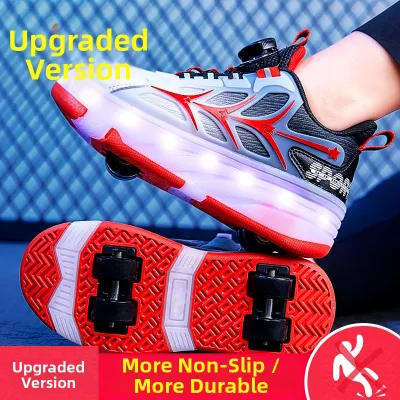
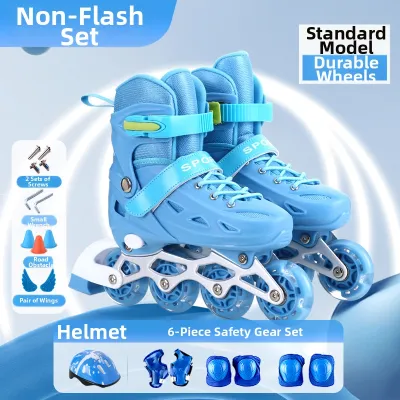
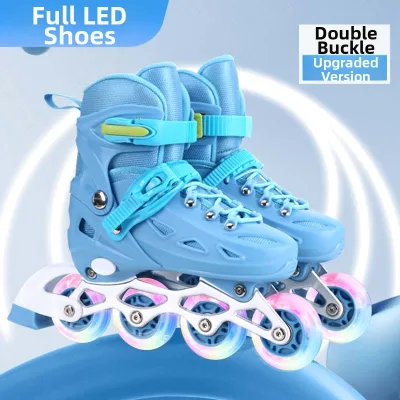
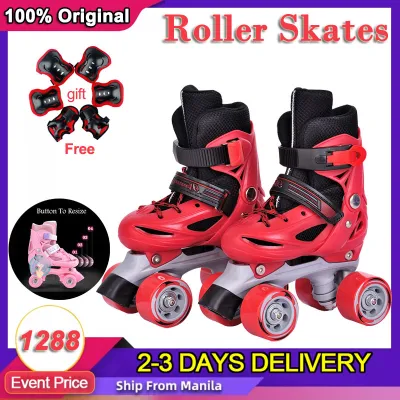
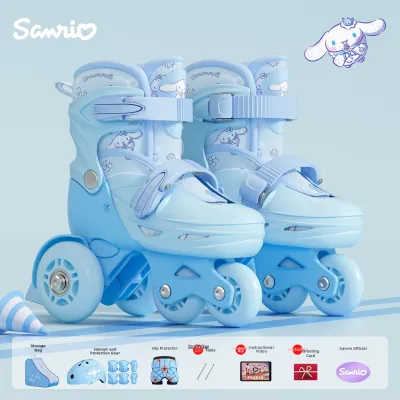
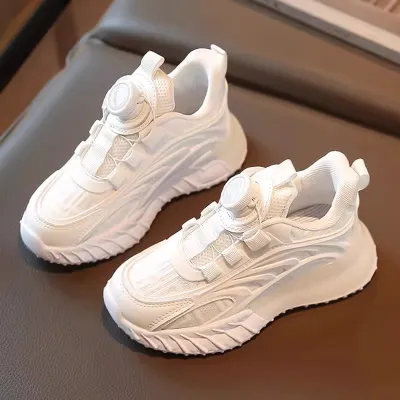
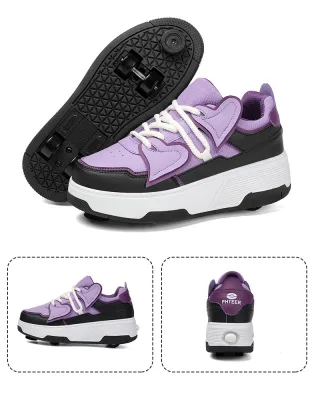
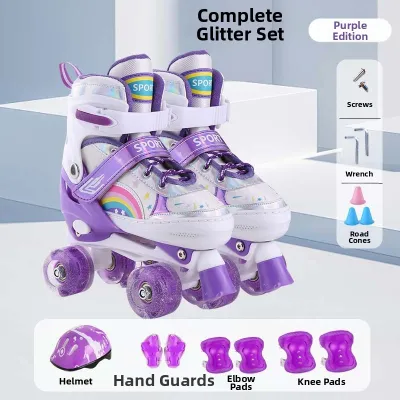
Prices are valid at publication and may change. Please refer to the product page for the latest price.
If a child struggles with basic balance, frequently trips while walking, or shows little interest in active balance games, it is often best to wait. Forcing a child onto skates too early can lead to frustration and painful falls. Instead, start them on low-to-the-ground balance toys, three-wheeled scooters, or ride-on toys to build their lower-body strength and confidence before introducing wheels under their feet.
Inline vs. Quad Skates: Matching Age and Skill Level
Quad skates, featuring two wheels in the front and two in the back, provide a wide, stable base that makes standing still much easier for young beginners. This four-corner configuration offers immediate lateral stability, which helps build confidence in toddlers and younger children. However, because the wheelbase is wide, quad skates require significant ankle strength to prevent the feet from rolling inward. They are highly suited for smooth, flat surfaces like indoor rinks or polished concrete garage floors.

Inline skates arrange the wheels in a single line, mimicking the feel of ice skating. This design requires active side-to-side balance, making them better suited for older children who have already developed strong ankle stability. The primary advantage of inline skates is their ability to roll over cracks, small pebbles, and rough outdoor asphalt—common conditions on local roads and outdoor courts. The larger, narrower wheels glide over imperfections that might cause a quad skate to catch and trip the skater.
Recognizing when to transition from one style to another depends on your child’s progress. If your child has mastered turning, stopping, and gliding on quad skates but wants to skate faster outdoors or cover longer distances, they are ready to transition to inline skates. Conversely, if an older child struggles with the lateral balance of inline skates, switching to quads can help them focus on basic rolling mechanics without the constant fear of their ankles buckling.
Adjustable vs. Fixed Size: Balancing Growth and Performance
Children’s feet grow rapidly, making adjustable skates a highly practical and cost-effective choice for casual skaters. These skates typically feature a push-button mechanism that allows the toe cap to slide forward, expanding the boot across three to four sizes. This design ensures the skates can grow with your child over several seasons, saving you from spending thousands of ₱ on new gear every few months. However, the adjustable mechanism adds weight and can sometimes create a slightly loose fit inside the boot, which may limit precise control for advanced maneuvers.
Fixed-size skates are built with a single, solid shell designed to fit one specific foot size perfectly. This construction provides superior energy transfer, stiffer ankle support, and a lighter overall weight, making them the preferred choice for children who skate regularly, participate in sports, or practice advanced tricks. While you will need to replace them as soon as your child’s feet grow, the performance benefits and precise fit are essential for preventing foot fatigue and supporting proper technique during intense training.
To find the correct size, never rely solely on your child’s current street shoe size, as skate sizing varies significantly between manufacturers. Place your child’s foot on a blank sheet of paper, trace the outline while they are standing, and measure the distance from the heel to the longest toe in millimeters. Compare this measurement directly to the manufacturer’s specific sizing chart. Ensure there is just enough room to wiggle their toes without the heel lifting when they bend their knees.
Essential Safety Gear and Pre-Ride Fit Checks
Safety gear is a non-negotiable requirement for every skating session, regardless of the child’s skill level. A properly fitted multi-impact helmet, certified for roller skating or skateboarding, must sit flat on the head, covering the forehead, and should not rock back and forth when the chin strap is buckled. The strap should be snug enough that only one or two fingers can fit between the strap and the chin.
In addition to a helmet, a complete pad set is essential to protect high-impact areas during inevitable falls. Wrist guards are particularly critical, as children instinctively reach out with their hands when falling forward; the rigid plastic splint in a wrist guard absorbs the impact and prevents hyperextension. Knee and elbow pads should fit snugly without sliding down during movement, yet they must not pinch or restrict blood flow in hot, humid weather.
Before every ride, perform a quick safety inspection of the equipment. Check that all wheels spin freely but do not wobble sideways, and use a skate tool to tighten any loose axle bolts. Inspect the heel brake or toe stop to ensure it is securely attached and not worn down past the manufacturer’s wear line. Finally, verify that all buckles, straps, and laces are pulled tight to provide maximum ankle support before your child steps onto the pavement.
Frequently Asked Questions (FAQ)
At what age can a child safely start roller skating?
Most children develop the necessary motor skills, balance, and leg strength to begin roller skating between the ages of 3 and 5. Rather than focusing strictly on age, observe whether your child can run smoothly, jump with both feet landing together, and follow basic safety instructions. Always consult the manufacturer’s age recommendations on the product packaging, as some skates are specifically engineered with lower centers of gravity for toddlers.
Should I buy skates with a toe stop or a heel brake?
The stopping mechanism depends entirely on the type of skate you choose. Quad skates feature a toe stop at the front, which beginners use by dragging the toe behind them or pushing off to start. Inline skates utilize a heel brake at the back of one skate, which requires the child to slide that foot forward and lift the toe to press the rubber brake pad against the ground. Keep the heel brake installed on inline skates until your child has mastered advanced stopping techniques like the T-stop.
How do I know if the skates are too tight or too loose?
To check the fit, have your child stand up in the laced skates and bend their knees slightly. Their toes should gently touch the front of the boot without being cramped or bent, and their heel should remain locked firmly in the back of the skate when they walk. If the child’s ankles roll inward or outward while standing, or if you can easily slide a finger behind their heel inside the boot, the skates are too loose and will not provide safe ankle support.

Community discussion
Share your experience or ask a question. Comments are reviewed before publication.