
Selecting the right Spalding basketball for outdoor street courts in the Philippines requires a careful balance between durability and playability. Because local playing conditions range from rough, unpaved barangay concrete to smooth, painted outdoor community courts, there is no single ball that suits every player. The ideal choice depends on how well the ball’s materials and construction can withstand abrasive surfaces, intense tropical heat, and high humidity.
To make an informed decision, you must evaluate the specific court surfaces you play on most frequently. While a premium composite leather ball offers an excellent grip and a professional feel, it can wear down rapidly on raw, unfinished concrete. Conversely, a heavy-duty rubber ball provides exceptional longevity on rough ground but may feel less responsive during competitive play. Understanding these trade-offs is the first step toward finding a ball that matches your local playing environment.
Core Material and Texture Requirements for Rough Concrete
When playing on rough concrete, the material composition of your basketball is the most critical factor determining its lifespan. Full rubber basketballs represent the gold standard for pure abrasion resistance. The dense, non-porous nature of high-quality rubber allows the ball to scrape against coarse concrete surfaces without peeling, tearing, or losing its structural integrity. For daily street games where the court is essentially raw pavement, a rubber construction ensures you will not have to replace your ball every few weeks.
Products mentioned in this guide
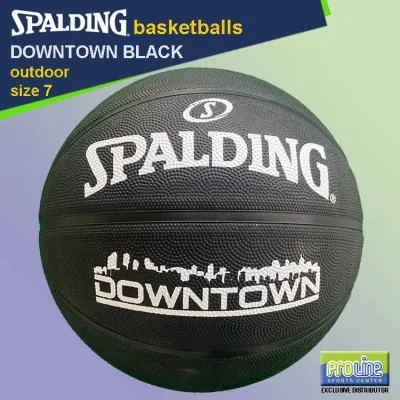
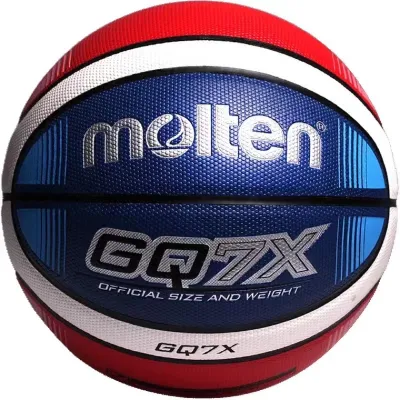
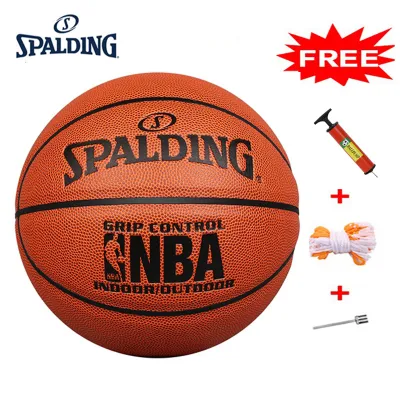
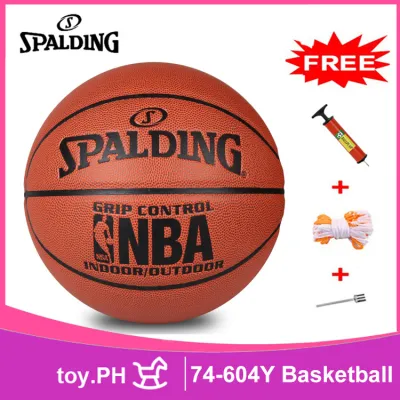
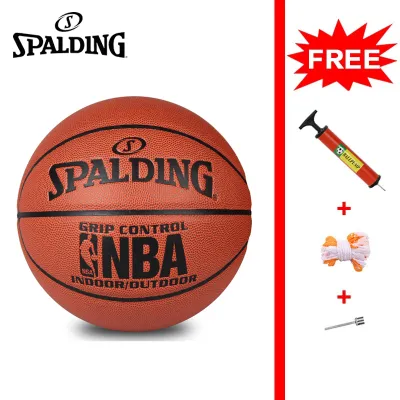
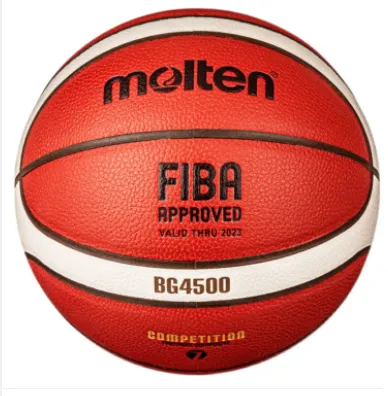
Prices are valid at publication and may change. Please refer to the product page for the latest price.
On the other hand, outdoor-rated composite leather offers a compromise for players who prioritize performance. These balls feature a synthetic cover designed to mimic the soft feel of genuine leather while incorporating durable resins to resist outdoor wear. However, even the most robust outdoor composite covers will degrade faster on rough concrete than their rubber counterparts. If you choose composite leather, expect a superior grip and a more consistent shooting release, but be prepared for the outer layer to scuff and smooth out over months of heavy use.
Beyond the cover material, the surface texture plays a vital role in maintaining control on dusty outdoor courts. Look for deep, pronounced pebbling across the entire surface of the ball. Deep pebbles provide more surface area for your fingers to grip, even when the ball accumulates fine dust from the street. Additionally, wide and deep channels between the panels help displace dirt and sweat, preventing the ball from becoming dangerously slick during fast-paced play.
The internal construction of the basketball determines how well it retains its shape after hundreds of hard bounces on concrete. High-quality outdoor balls utilize a durable butyl bladder to hold air effectively over long periods. Surrounding this bladder, a carcass wound with nylon or polyester threads provides structural reinforcement. When shopping, verify that the ball features these internal windings, as cheaper, unwound balls will quickly warp, develop lumps, or lose their spherical shape under the high-impact forces of outdoor street play.
Matching Spalding Product Lines to Court Conditions
Matching your basketball to your specific local court conditions ensures you get the best possible performance and value. In the Philippines, outdoor courts vary widely, from dusty street corners to covered barangay centers. Identifying the exact nature of your primary playing venue allows you to select a Spalding series tailored to that specific environment.

For rough, unfinished concrete courts, your primary focus must be on heavy-duty rubber series. These balls are engineered specifically to handle the abrasive friction of raw cement and asphalt. The thick rubber cover resists punctures from sharp pebbles and maintains its bounce even after extensive scraping. While these models may feel stiffer initially, they break in over time and offer the longest possible lifespan on unforgiving street surfaces.
If you primarily play on smooth outdoor courts, such as painted concrete or synthetic outdoor tile, you can safely transition to outdoor-rated composite leather series. These surfaces are much gentler on the ball’s cover, allowing the composite material to retain its soft texture and grip for a significantly longer period. Composite balls perform exceptionally well in these environments, offering a bounce and feel that closely resemble indoor game balls while still resisting the moderate wear of outdoor elements.
High humidity and frequent tropical rain showers present unique challenges for ball control. In these damp conditions, moisture-wicking covers and deep, wide channel designs become essential. When humidity levels rise, sweat and atmospheric moisture can settle on the ball, making it slippery and difficult to handle. Selecting a ball with advanced moisture-management properties and deep channels ensures that water is channeled away from your hands, allowing you to maintain a secure grip during intense, humid games.
Inspection and Maintenance for Tropical Weather
Proper inspection at the point of purchase and consistent maintenance are vital to maximizing the lifespan of your basketball in a tropical climate. Before you take your new ball to the court, perform a thorough physical inspection. Check that the pebbling is uniform across all panels and that there are no bald spots or manufacturing defects. Examine the valve placement to ensure it is securely seated and flush with the surface, and verify that the seams between the panels are straight and tightly sealed to prevent premature peeling.
Once you begin using the ball, establish a regular routine for checking and adjusting the air pressure. Changes in ambient temperature can cause the air inside the bladder to expand or contract, affecting the ball’s bounce and overall playability. Always use a reliable pressure gauge to check the inflation level, and strictly adhere to the manufacturer’s recommended PSI range, which is typically printed directly around the inflation valve. Over-inflating the ball can stretch the bladder and carcass, leading to warping, while under-inflation reduces responsiveness and alters your shooting rhythm.
The intense heat and ultraviolet (UV) radiation of the tropical sun can rapidly degrade synthetic materials and rubber. To prevent premature aging, never leave your basketball in direct sunlight when not in use, and avoid storing it in hot areas such as the trunk of a car. High temperatures can weaken the adhesives holding the panels together and cause the air inside to expand dangerously, potentially warping the ball’s shape. Store your basketball in a cool, dry, well-ventilated indoor space to preserve its grip, color, and structural integrity.
Buying Guide and Authenticity Checks
With the popularity of basketball in the Philippines, counterfeit products are common in the market. To ensure you are purchasing a genuine Spalding basketball, always buy from authorized sporting goods retailers, official brand stores, or highly reputable online sports shops. Avoid unverified sellers on open online marketplaces, as these listings often feature counterfeit goods that look identical to the real thing but lack the durable internal construction and quality materials of a genuine ball.
Verifying authenticity requires a close examination of the ball’s physical details. Genuine Spalding basketballs feature crisp, high-quality logo printing with clean edges and correct font spacing. Inspect the molding details around the seams and valve; counterfeit balls often exhibit messy glue lines, misaligned panels, or rough edges. Additionally, authentic balls are sold in official packaging with intact tags, holographic security stickers, or clear manufacturing labels that match the brand’s official specifications.
Understanding realistic price expectations in Philippine Pesos (₱) is another effective way to spot counterfeits. While prices can vary based on promotions and specific retailers, a genuine entry-level rubber Spalding basketball typically ranges from ₱800 to ₱1,500. Premium outdoor composite leather models generally cost between ₱1,800 and ₱3,500. If you encounter a listing offering a composite leather ball for an incredibly low price, such as ₱500 or less, it is highly likely to be a counterfeit or defective product that will fail quickly on rough concrete.
Frequently Asked Questions (FAQ)
Can I use an indoor leather Spalding basketball on outdoor concrete courts?
Genuine indoor leather basketballs are designed exclusively for polished wooden courts and are entirely unsuitable for outdoor concrete. The natural leather material is highly porous, meaning it will quickly absorb dirt, dust, and moisture from the street, causing it to lose its grip and become extremely heavy. Furthermore, the abrasive texture of concrete will rapidly shred the soft leather cover, ruining an expensive ball in just a few sessions. For outdoor play, always stick to rubber or specifically designated outdoor composite materials.
How often should I check the air pressure of my outdoor basketball?
You should check your basketball’s air pressure before every major playing session, or at least once a week if you play regularly. In tropical climates, significant temperature fluctuations between hot afternoons and cooler evenings can cause noticeable shifts in internal air pressure. Keeping a small hand pump and a reliable pressure gauge in your gear bag allows you to make quick adjustments, ensuring a consistent bounce and protecting the ball’s internal bladder from unnecessary strain.

Community discussion
Share your experience or ask a question. Comments are reviewed before publication.