
Selecting the right Spalding volleyball depends entirely on where you plan to play. The surface—whether it is a polished indoor wooden court, a rough concrete neighborhood court, or a sandy beach—dictates the material, construction, and weight of the ball you need. Choosing a ball designed specifically for your playing environment ensures optimal performance, protects your hands from unnecessary impact, and prevents the ball from wearing out prematurely. By matching the ball’s specifications to your court surface, you can enjoy consistent sets, passes, and spikes while maximizing your investment.
Understanding Volleyball Materials and Construction by Surface
To make an informed decision, you must first understand how different materials and construction methods perform under various physical conditions. Volleyball covers are generally made from composite leather, genuine leather, rubber, or synthetic blends. Composite leather offers a soft, premium feel that mimics genuine leather but provides better moisture resistance and consistency, making it the standard for indoor competitive play. Rubber is highly durable and slip-resistant, making it the go-to material for rough, abrasive outdoor surfaces where softer materials would quickly shred. Synthetic blends strike a balance, often utilized in recreational or all-weather balls to provide decent durability at an accessible price point.
The way the panels are joined also plays a critical role in the ball’s performance and lifespan. Molded panels are bonded directly to the inner carcass, creating smooth seams that offer a highly consistent bounce and flight path, which is ideal for indoor settings. Stitched panels, often found on beach volleyballs, feature visible seams that allow for a slightly deeper grip and better control in windy outdoor conditions. Heavy-duty stitching also helps the ball retain its shape when subjected to the repeated high-impact forces of outdoor play.
Products mentioned in this guide
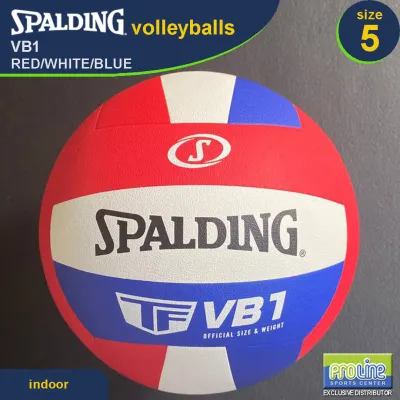
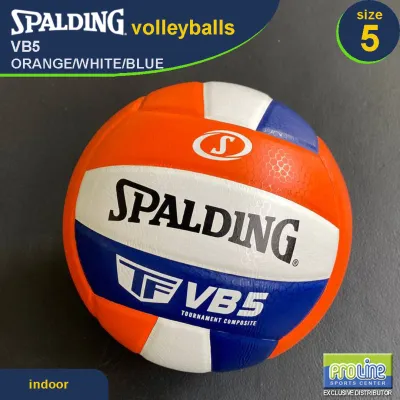
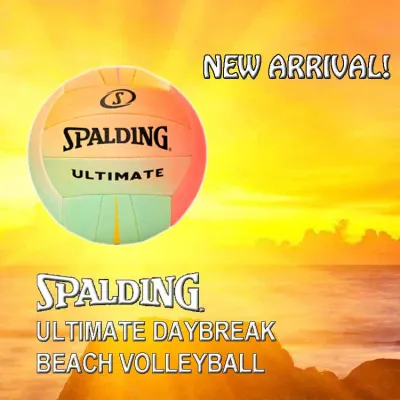
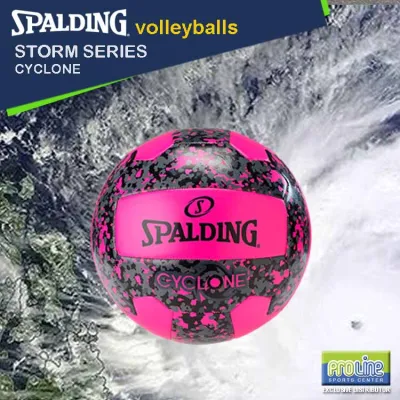
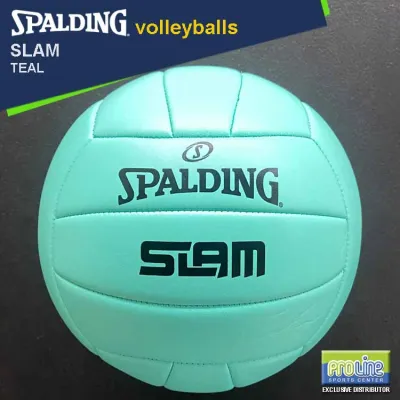
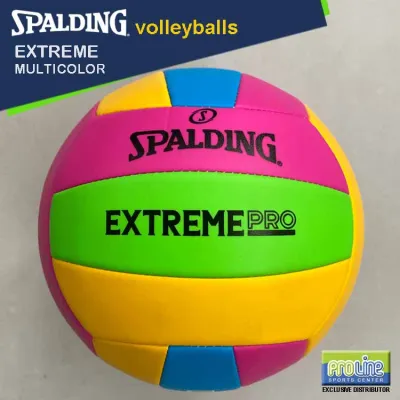
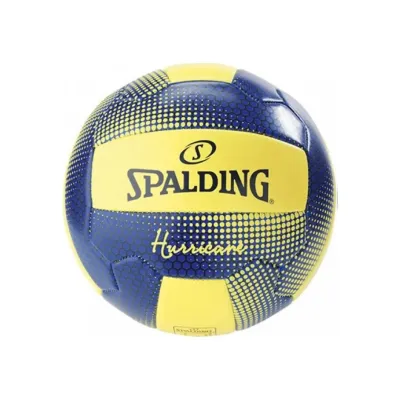
Prices are valid at publication and may change. Please refer to the product page for the latest price.
Before purchasing, always inspect the manufacturer’s specifications printed directly on the ball or its packaging. Look for designations indicating the official size and weight, which are crucial if you are training for organized leagues. The packaging will also explicitly state the intended playing surface, helping you avoid using a delicate indoor ball on a surface that will destroy it within minutes.
Selecting a Spalding Volleyball for Indoor Courts
Indoor volleyball is a game of precision, rapid sets, and powerful spikes, requiring a ball that prioritizes control and comfort. When playing on smooth wooden or synthetic court floors, you should look for a Spalding model featuring a soft-touch composite leather cover. This material provides an exceptional grip, allowing setters to direct the ball accurately and defenders to cushion hard-driven spikes without experiencing excessive stinging on their forearms. The soft texture also reduces the physical toll on your arms during long training sessions or multi-match tournaments.

In enclosed, climate-controlled gymnasiums, sweat can quickly make a volleyball slippery and difficult to control. High-quality indoor balls are engineered with moisture-absorbing properties that help maintain a dry, reliable grip even during intense rallies. Additionally, the internal construction of these balls ensures a perfectly spherical shape and balanced weight distribution, resulting in a predictable flight pattern that is essential for executing advanced float serves and precise passes.
If you plan to use the ball for competitive league play or school tournaments, it is vital to verify its official status. Check the product packaging or the ball itself for official federation approval labels, such as those from local or international volleyball governing bodies. These stamps guarantee that the ball meets strict standards regarding circumference, weight, bounce height, and internal pressure, ensuring a fair and standardized playing experience.
Choosing a Durable Spalding Ball for Outdoor Concrete and Asphalt
Outdoor play in local neighborhoods often takes place on hard, abrasive surfaces like concrete or asphalt courts. These environments are incredibly harsh on sports equipment, requiring a volleyball built specifically for maximum durability. For these conditions, a rubber or heavy-duty synthetic cover is highly recommended. These rugged materials are designed to resist scuffing, peeling, and tearing when the ball inevitably scrapes against the rough ground, ensuring the cover remains intact over months of regular use.
Tropical outdoor environments present additional challenges, including intense sunlight, high humidity, and sudden temperature shifts. Standard indoor balls can quickly degrade under these conditions, as the heat can dry out composite materials, causing them to crack or lose their grip. Outdoor-specific Spalding volleyballs utilize UV-protected and weather-resistant materials that prevent the cover from hardening or fading under the sun, maintaining their playability even after prolonged exposure to the elements.
When shopping for an outdoor ball, do not rely solely on visual appearance, as some recreational balls may look like indoor models but lack the necessary durability. Always check the product label for explicit outdoor or all-surface designations. These labels confirm that the bladder, carcass, and cover materials have been engineered to withstand the high-impact friction of concrete courts without losing air pressure or structural integrity.
Picking a Spalding Volleyball for Beach and Sand Environments
Beach volleyball is a distinct sport that requires specialized equipment capable of handling sand, wind, and moisture. When selecting a ball for beach play, your primary concern should be water resistance. Look for balls with waterproof or highly water-resistant covers and tightly sealed panel construction. If water penetrates the seams of a volleyball, it will absorb into the inner lining, making the ball heavy, waterlogged, and virtually unplayable. Molded or specialized stitched seams help keep sand and moisture out, preserving the ball’s original weight and bounce.
The physical dynamics of beach play also demand a different feel and visibility. Beach volleyballs are typically constructed with softer, lighter-touch materials to allow for better control during windy conditions, where players must react quickly to unpredictable ball movements. Furthermore, because beach games are played under bright sunlight and glare, choosing a ball with high-visibility colors or distinct graphic patterns is essential. This helps players track the ball’s spin and trajectory against the bright sky and sand.
Final inflation specifications also differ from indoor standards. Beach volleyballs are designed to be played at a lower internal pressure to allow for a softer feel and better grip in the sand. Always check the recommended PSI range printed near the inflation valve. Over-inflating a beach volleyball can make it rock-hard, increasing the risk of injury and making it difficult to control in the coastal breeze.
Evaluating Cross-Scenario Compatibility and Basic Maintenance
While it may be tempting to buy a single volleyball for all your playing needs, using a ball outside its intended environment comes with significant trade-offs. For instance, using a heavy-duty outdoor rubber ball on an indoor court can result in a harsh, uncomfortable feel, reduced grip on sets, and an excessively loud bounce that can be disruptive. Conversely, taking a premium indoor composite leather ball to a concrete court will rapidly scuff and tear the delicate cover, ruining an expensive piece of equipment in a single afternoon.
To extend the lifespan of any Spalding volleyball, establishing a basic maintenance routine is essential. After playing on the beach or an outdoor court, use a soft, damp cloth to wipe away sand, dirt, and sweat from the cover. Avoid using harsh chemical cleaners or abrasive brushes, which can strip away the protective coatings on the cover material. Never leave your volleyball inside a hot car trunk or under direct midday sunlight when not in use, as extreme heat can warp the bladder, weaken the panel adhesives, and cause the ball to lose its shape.
For long-term storage, keep the ball in a cool, dry place away from sharp objects. If you need to clean a heavily soiled ball, consult the manufacturer’s care label or official guidelines for approved cleaning agents and storage limits. Proper care not only preserves the ball’s playability but also ensures you get the maximum value and performance out of your equipment for many seasons to come.
Frequently Asked Questions (FAQ)
Can I use an indoor Spalding volleyball for casual outdoor play?
It is highly discouraged to use an indoor Spalding volleyball on outdoor surfaces like concrete or asphalt. The delicate composite leather cover of an indoor ball is designed for smooth wooden floors and will quickly scuff, peel, or tear when it contacts rough ground. To protect your investment, reserve your indoor balls strictly for indoor courts and use a dedicated rubber or all-surface ball for outdoor games.
How do I know the correct air pressure for my Spalding volleyball?
The correct inflation pressure is typically printed directly on the ball, right next to the inflation valve, or listed on the product packaging. To ensure optimal bounce, flight, and hand feel, always use a reliable pressure gauge when inflating your ball rather than guessing by squeezing it. Keeping the ball within the recommended PSI range also prevents damage to the inner bladder and seams.
Are Spalding beach volleyballs officially sized the same as indoor ones?
While official beach and indoor volleyballs share a very similar circumference, beach volleyballs are designed to be slightly lighter, softer, and inflated to a lower pressure. This design helps players control the ball in windy outdoor conditions and cushions the impact on bare hands and feet. Always check the product label for official beach or indoor certifications if you are preparing for sanctioned tournament play.

Community discussion
Share your experience or ask a question. Comments are reviewed before publication.