
Swimming is a beloved year-round activity for children in the Philippines, thanks to the country’s tropical climate, beautiful beaches, and abundance of community and resort pools. However, frequent exposure to warm, humid water can lead to moisture retention in young ear canals, making kids susceptible to discomfort or conditions like swimmer’s ear. Finding the right swimming earplugs—specifically from a trusted brand like Speedo—requires understanding your child’s unique ear anatomy, swimming habits, and comfort levels. While earplugs are an excellent tool for keeping water out, they must be selected, fitted, and maintained with care to ensure they provide effective protection without causing irritation.
Parents looking for the ideal Speedo earplugs for their children must navigate various designs, from moldable silicone putty to pre-molded flanged options. The key is to prioritize a secure, comfortable seal that matches the child’s age and activity level. In this guide, we will break down the essential criteria for selecting kids’ swimming earplugs, evaluate the primary designs available, outline step-by-step fit and safety checks, and provide practical tips for purchasing authentic products and maintaining them in the humid Philippine climate.
Core Criteria for Selecting Kids' Swimming Earplugs
Selecting the right earplugs for your child begins with understanding how they interact with water. Swimming earplugs are primarily designed to block surface water entry rather than withstand deep underwater pressure. For recreational swimming, splashing, and shallow pool play, a simple physical barrier is sufficient to keep the ear canal dry. If your child is training for competitive swimming or enjoys diving to the bottom of the deep end, you must look for designs specifically rated for dynamic movement, as standard recreational plugs can easily dislodge under active conditions.
Products mentioned in this guide
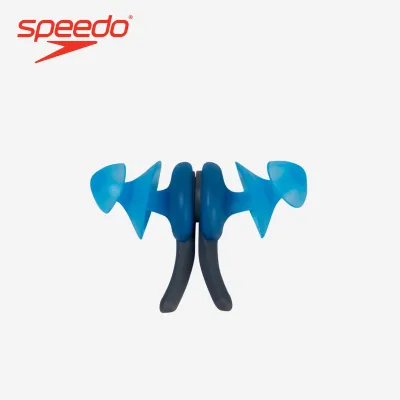
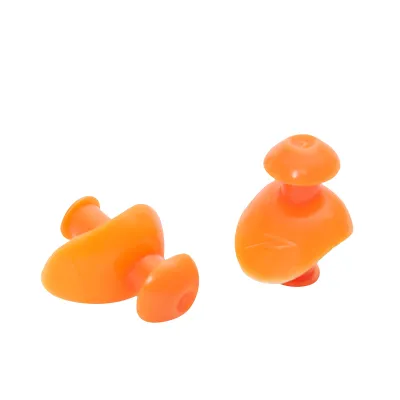
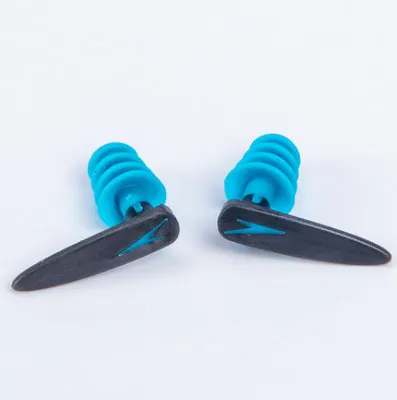
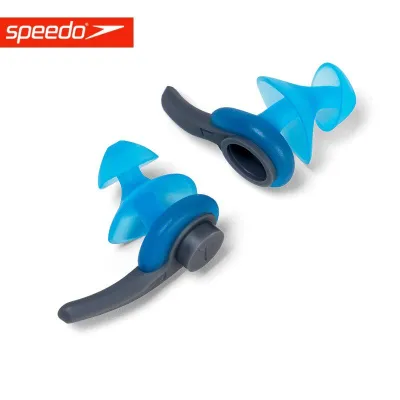
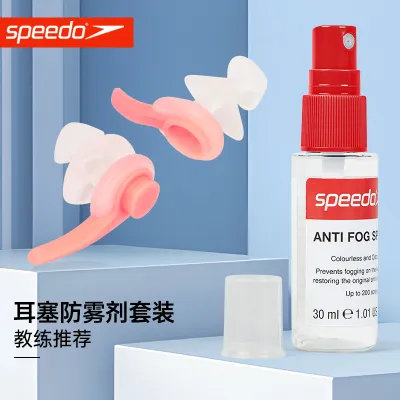
Prices are valid at publication and may change. Please refer to the product page for the latest price.
Material safety is another critical factor when choosing ear protection for young swimmers. A child’s ear canal is lined with highly sensitive skin that softens quickly when exposed to water, making it more vulnerable to irritation, chafing, and allergic reactions. Parents should prioritize earplugs made from hypoallergenic, non-toxic materials such as medical-grade silicone. This material is soft, flexible, and inert, ensuring it does not leach harmful chemicals or cause discomfort during prolonged swimming sessions. Avoid cheap, generic plastics that may contain phthalates or harsh chemical softeners.
Ease of use is essential for ensuring that earplugs are worn consistently and correctly. Children can be impatient, and a complicated insertion process can lead to frustration or improper fit. The earplugs should be easy for a parent to insert and remove, or simple enough for older children to manage independently under adult supervision. Look for designs with textured stems, easy-to-grip tabs, or bright colors that make them easy to locate if they happen to fall into the water. A user-friendly design ensures a hassle-free experience for both parent and child.
Evaluating Speedo Earplug Designs for Children
Speedo offers two primary structural designs for children’s earplugs: moldable silicone putty and pre-molded flanged designs. Moldable silicone putty earplugs are soft, pliable pieces that parents roll into a ball and gently flatten over the opening of the child’s ear canal. Because they do not enter the canal itself, they are excellent for younger children or those who are highly sensitive to having objects inserted into their ears. They create a custom, watertight seal over the outer ear, but they are typically designed for limited use as they easily collect dirt, hair, and pool debris.

In contrast, pre-molded flanged designs feature a central stem with multiple soft, concentric rings (flanges) that slide into the ear canal to create a series of physical barriers. These earplugs are highly reusable, easy to clean, and provide a very secure fit for active swimmers who practice strokes or flip turns. However, they require precise sizing to ensure the flanges seal against the canal walls without causing discomfort. This makes them more suitable for older children who can communicate how the plug feels inside their ear and follow instructions on how to insert them safely.
Reusability and durability expectations vary significantly based on the material type you choose. Moldable putty plugs must be discarded as soon as they lose their tackiness, become discolored, or accumulate debris, which often happens quickly in outdoor beach environments. Reusable flanged silicone plugs can last for several months with proper care, making them a more cost-effective and environmentally friendly option for daily summer swimming lessons. Consider your child’s swimming frequency and the swimming environment when deciding between these two designs.
Before making a purchase, always check the manufacturer labels and packaging for specific age, size, or activity recommendations. Speedo designs products tailored to different age groups, and using an adult-sized earplug on a child can cause physical pain, stretch the delicate ear canal, or fail to create a proper seal. Look for labels explicitly marked “Kids,” “Junior,” or specifying a target age range. If your child falls between sizes, it is generally safer to opt for a moldable putty design, which naturally conforms to any ear shape and size without exerting internal pressure.
Sizing, Fit, and Comfort Checks for Kids
Achieving a proper fit is crucial for both water protection and physical safety. When inserting earplugs, the goal is to create a secure seal at the entrance of the ear canal, never deep inside. For moldable putty, ensure the silicone covers the canal opening completely and adheres to the surrounding outer ear (the auricle), but do not push the putty into the canal itself. For flanged plugs, gently pull the outer ear upward and backward to straighten the canal, then insert the plug until the outermost flange rests snugly against the canal opening. Never force a plug deeper than recommended by the manufacturer.
Once the earplugs are in place, observe your child’s comfort level and gather immediate feedback. Ask them if they feel any pinching, pressure, or sharp pain; a properly fitted earplug should feel snug but entirely comfortable. Because earplugs naturally reduce hearing, observe how your child responds to your voice. While some sound dampening is expected, they must still be able to hear safety instructions or warnings at a close distance. If the child constantly tugs at their ears, shakes their head, or complains of discomfort, remove the plugs and readjust the fit.
Parents must be aware of specific stop conditions that require immediate removal of the earplugs. If your child complains of sudden pain, itching, or irritation, remove the plugs right away and inspect the ear canal for redness or swelling. If an earplug appears to have slipped too deep or becomes difficult to remove, do not attempt to retrieve it with tweezers, cotton swabs, or other tools, as this can push the object further and damage the eardrum. Instead, seek professional medical assistance immediately to ensure safe removal.
Navigating Purchases and Verifying Authenticity in the Philippines
To ensure you are buying genuine Speedo earplugs that meet strict safety and material standards, purchase them from authorized physical sporting goods retailers or official brand stores on major online marketplaces. Avoid buying from unverified third-party sellers or discount stalls, as counterfeit swim gear is common and often made from substandard, potentially irritating materials. Shopping at official outlets guarantees that you are receiving a product designed specifically for children’s safety.
When shopping, look for red flags that indicate counterfeit products. Inspect the packaging for high-quality printing, clear brand logos, and official holographic stickers or security labels. Genuine Speedo products will feature clear, error-free instructional text and safety warnings on the packaging. Be wary of prices that are significantly lower than the standard retail price in Philippine Pesos (₱). If a deal seems too good to be true, it is highly likely a counterfeit product that may not provide a proper seal or safe material composition.
Before finalizing your purchase, check the seller’s stock availability, customer ratings, and return policies. Because earplugs are personal hygiene products, most reputable retailers do not accept returns or exchanges once the packaging has been opened. Therefore, double-check the sizing, age recommendations, and product specifications before buying. Reading customer reviews on major e-commerce platforms can also provide valuable insights into how well the specific model fits other children of similar ages.
Hygiene, Maintenance, and Replacement Signals
Proper hygiene and maintenance are essential for keeping reusable earplugs safe, clean, and effective for your child. After every swim, rinse the earplugs thoroughly with clean, fresh tap water to remove chlorine, salt, sand, and sweat. Do not use harsh detergents, alcohol, or boiling water, as these substances can degrade the silicone material and cause it to lose its flexibility. Allow the earplugs to air dry completely in a shaded, well-ventilated area before storing them away.
Storing the earplugs correctly is vital, especially in the humid tropical climate of the Philippines, which can encourage mold and bacterial growth on damp gear. Always store dry earplugs in their original protective plastic case to keep them clean and prevent them from losing their shape. Keep the storage case in a cool, dry place away from direct sunlight, as extreme heat can warp the silicone, making the earplugs brittle and reducing their ability to form a watertight seal.
Parents must perform regular visual and tactile checks to identify when it is time to replace the earplugs. For reusable flanged designs, look for signs of wear such as stiffness, cracking, tearing of the flanges, or a loss of elasticity. For moldable putty, replace them immediately when they become dirty, lose their stickiness, or begin to break apart. Using degraded earplugs compromises their water-blocking ability and increases the risk of material breaking off inside the ear canal, which can lead to irritation or infection.
Frequently Asked Questions (FAQ)
Can children with ear tubes use standard swimming earplugs?
Children with tympanostomy tubes (ear tubes) require extra precaution because water entering the middle ear can cause serious infections or complications. Standard recreational swimming earplugs may not provide the absolute, watertight seal needed to protect ears with tubes. You must consult your child’s pediatrician or an ear, nose, and throat (ENT) specialist before allowing them to swim. The specialist may recommend custom-molded earplugs or a combination of specialized plugs and a neoprene ear band to ensure complete protection.
Do swimming earplugs completely block out all water?
No swimming earplug can guarantee a 100% waterproof seal under all dynamic swimming conditions, such as vigorous splashing, diving, or high-impact water play. While they significantly reduce water entry, minor seepage can still occur as the child moves their jaw or swims actively. For enhanced protection, parents can pair earplugs with a tight-fitting silicone swim cap pulled down over the ears, or a specialized neoprene swimming headband designed to hold the earplugs securely in place.
How often should kids' reusable earplugs be replaced?
The lifespan of reusable earplugs depends on how often they are used, exposure to pool chemicals, and how well they are maintained. Generally, with regular weekend use and proper cleaning, a pair of high-quality silicone flanged earplugs can last several months. However, parents should rely on visual and physical inspections rather than a strict calendar schedule. If the silicone feels stiff, sticky, discolored, or shows any signs of tearing, replace them immediately to ensure safety and effectiveness.

Community discussion
Share your experience or ask a question. Comments are reviewed before publication.