
Choosing the right Speedo swimming goggles depends on matching your specific swimming environment and performance goals to the correct lens, gasket, and frame design. Whether you are navigating the high-glare open waters of a tropical beach, logging consistent laps in a highly chlorinated indoor pool, or diving off the blocks in a competitive race, your eyewear must provide a reliable seal and clear visibility. By identifying your primary swimming style first, you can narrow down the vast array of options to the exact profile that balances long-term comfort with hydrodynamic efficiency.
The ideal pair of goggles should feel like a natural extension of your face, allowing you to focus entirely on your stroke, breathing, and pacing. A mismatch can lead to persistent leaks, painful pressure marks around your eyes, or fogged lenses that disrupt your rhythm. To make an informed decision, you must evaluate how different goggle designs perform under specific conditions, from the intense sunlight of outdoor lanes to the turbulent water of a mass-start triathlon.
Understanding Your Swimming Style and Goggle Needs
Before browsing specific models, you must analyze where and how you swim, as these factors dictate the structural and optical requirements of your goggles. A casual fitness swimmer who spends an hour in an indoor pool has vastly different needs than an open-water swimmer navigating ocean currents under a bright sky. Understanding these distinctions prevents the frustration of buying high-end racing goggles that may be too tight for daily training, or leisure goggles that slip off during a powerful dive.
Products mentioned in this guide
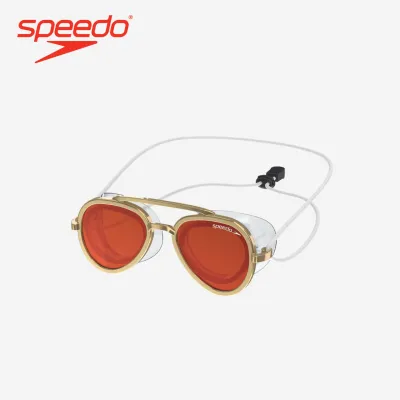
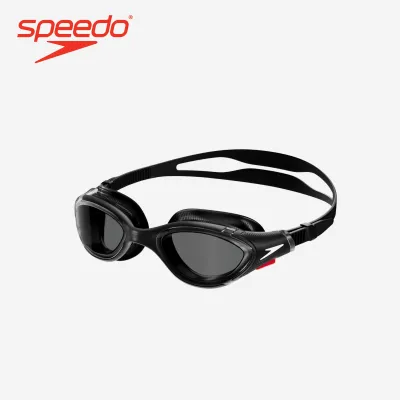
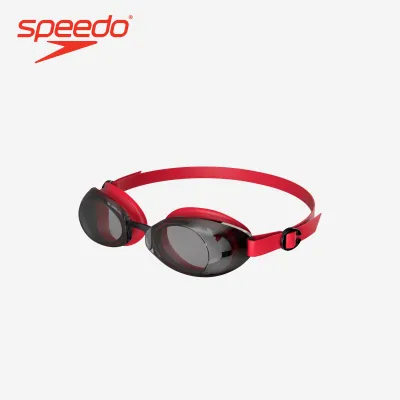
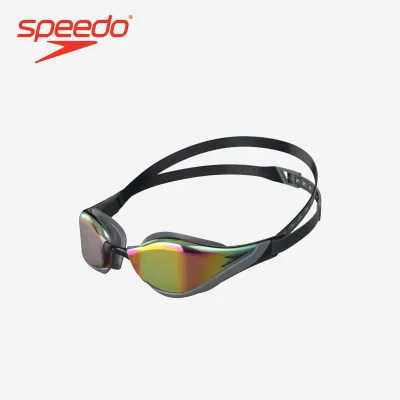
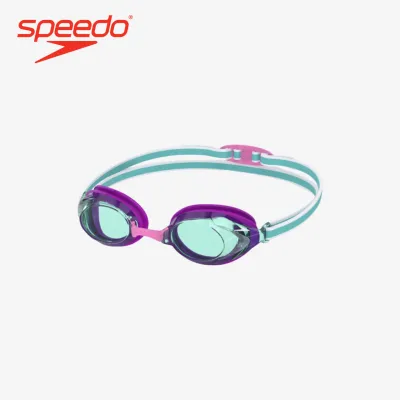
Prices are valid at publication and may change. Please refer to the product page for the latest price.
Environmental factors play a massive role in lens selection and overall goggle durability. In tropical climates like the Philippines, outdoor pools and open-water venues expose swimmers to intense ultraviolet radiation and severe water surface glare. This environment demands lenses with robust UV protection and light-filtering properties, such as mirrored or polarized coatings. Conversely, indoor pools with overhead fluorescent lighting require lenses that maximize light transmission while minimizing harsh reflections.
Furthermore, the humidity and temperature differences between the warm tropical air and cooler pool water can accelerate lens fogging. This makes high-quality anti-fog treatments a critical consideration for any local swimmer. Your personal priorities—whether you value the plush, leak-free comfort of a thick silicone gasket for long-distance swims or the ultra-low drag of a streamlined frame for short sprints—will ultimately guide your final choice.
Key Features to Evaluate in Speedo Goggles
To navigate the diverse range of Speedo goggles, you must understand the primary components that define their performance: lenses, gaskets, frames, and straps. Each of these elements can be customized to suit different environments and facial structures. Evaluating these specifications systematically allows you to build a checklist of features tailored to your personal swimming profile.

Lenses are your primary window to the water, and their tint or coating determines your visual clarity. Mirrored lenses reflect bright light away from your eyes, making them excellent for sunny outdoor pools and open-water swimming. Polarized lenses go a step further by filtering out the horizontal glare bouncing off the water surface, which is invaluable for spotting buoys and navigating natural bodies of water. Clear lenses offer unaltered visibility and maximum light transmission, making them the standard choice for indoor or dimly lit pools, while smoke or tinted lenses reduce overall brightness without changing color perception.
The gasket, or seal, is the part of the goggle that contacts your face to keep water out. Hard silicone gaskets are highly durable and maintain their shape under pressure, though they require a precise facial match to prevent leaks. Soft liquid silicone gaskets conform easily to various facial contours, distributing pressure more evenly to reduce the deep red rings often left around the eyes after a long swim. Foam cushions offer a classic, highly comfortable fit, but they tend to degrade faster when exposed to chlorine and organic matter over time.
Frame profiles range from low-profile, gasket-less designs to high-profile, cushioned frames. Low-profile goggles, often referred to as Swedish-style or socket goggles, sit deep within the eye socket to minimize water resistance and drag. Mid-to-high profile frames sit on the outer orbital bone, offering a wider field of vision and a more cushioned, comfortable seal suitable for extended wear.
Finally, strap mechanisms ensure the goggles remain securely anchored to your head. Single straps with simple side adjustments are common on recreational goggles and are easy to tighten on the go. Double straps run parallel across the back of the head, providing excellent stability that prevents the goggles from shifting during fast turns or dives. Split silicone straps offer a middle ground, spreading tension across a wider surface area of the skull for a secure yet comfortable fit.
Matching Goggle Profiles to Specific Swim Activities
Selecting the right goggle is a matter of matching these technical features to the specific demands of your swimming discipline. No single goggle excels in every category; a design optimized for a high-speed sprint will inevitably sacrifice some of the plush comfort required for a two-hour open-water swim. By understanding these trade-offs, you can select a profile that enhances your performance without causing discomfort.
Lap Swimming and Fitness Training
For regular pool workouts and fitness training, your primary focus should be on long-term comfort, durability, and reliable anti-fog performance. Because fitness sessions often last from forty-five minutes to over an hour, goggles with soft liquid silicone seals are highly recommended. These seals cushion the delicate skin around your eyes, preventing discomfort and minimizing the post-swim marks that harder gaskets can leave behind.
A wide field of vision is also beneficial for lap swimming, as it helps you maintain spatial awareness in busy lanes. Look for goggles with curved lenses or mid-profile frames that allow you to see lane ropes, wall markers, and other swimmers without constantly turning your head. Additionally, adjustable or interchangeable nose bridges are crucial for fitness swimmers, as they allow you to customize the distance between the lenses to match the width of your nose bridge precisely.
Because indoor pools are prone to humidity buildup, ensure your fitness goggles feature a high-quality, long-lasting anti-fog coating. This prevents the frequent need to stop and rinse your goggles mid-workout, allowing you to maintain a consistent aerobic rhythm. Clear or lightly tinted lenses (such as blue or violet) are ideal here, as they enhance contrast under indoor lighting without reducing visibility.
Open Water and Triathlon Swimming
Swimming in open water presents unique challenges, including unpredictable currents, waves, changing weather, and the glare of the sun. To navigate these conditions safely, your goggles must prioritize wide peripheral vision and advanced light filtration. Oversized frames or curved lenses are essential, as they allow you to sight buoys, landmarks, and safety kayakers with minimal disruption to your swimming posture.
Polarized or heavily mirrored lenses are highly recommended for open-water swimming in bright, tropical environments. The sun reflecting off moving water creates a blinding glare that can cause severe eye strain and make navigation difficult. Polarized lenses filter out this reflected light, giving you a clear view of what lies ahead both above and just below the surface. If you frequently swim during overcast mornings or late afternoons, photochromic lenses that automatically adjust their tint based on UV exposure are an excellent, versatile option.
Stability is another critical factor, especially during the chaotic mass starts of triathlons or open-water races. A secure double-strap system or a robust tension-locking buckle mechanism ensures that your goggles remain firmly in place, even if they are accidentally bumped by another swimmer’s arm or leg. Look for a slightly thicker, more durable frame construction that can absorb minor impacts without breaking the seal.
Competitive Racing and Sprinting
In competitive racing, where victories are decided by fractions of a second, minimizing hydrodynamic drag is the primary priority. Racing goggles feature an ultra-low profile design that sits flush against your brow and cheekbones, allowing water to flow smoothly over your face with minimal resistance. The frames are rigid and compact, engineered specifically to reduce the surface area exposed to the water.
To achieve this streamlined profile, racing goggles often utilize very thin silicone gaskets or omit gaskets entirely, relying instead on a precise, hard-plastic fit against the eye socket. While this design is highly efficient at high speeds, it offers significantly less cushioning than fitness models. Swimmers typically accept this reduction in long-term comfort for the duration of a race in exchange for maximum speed and stability.
A secure fit is paramount during dive entries and aggressive flip turns, where the sudden rush of water can easily dislodge looser goggles. Racing models feature highly secure, low-profile double straps, often marked with tension scales to help you replicate your preferred race-day tightness. The nose bridges are typically rigid and interchangeable, ensuring the lenses remain locked at the exact distance required to maintain a watertight seal under extreme physical force.
Fit, Comfort, and Pre-Purchase Checks
Regardless of the high-tech features a pair of goggles offers, they will not perform well if they do not fit your unique facial structure. Because everyone has a different orbital bone shape, nose bridge height, and eye spacing, you must verify the fit before taking them to the pool. Performing a few simple checks can save you from the disappointment of a leaking pair of goggles.
The most reliable way to test a goggle’s fit on dry land is the suction test. Gently press the goggle lenses against your eye sockets without putting the strap over your head. If the goggles stick to your face for a few seconds before falling off, it indicates that the gasket shape matches your facial contours and can create a natural, watertight seal. If they fall off immediately, air is escaping through a gap, meaning water will likely leak in during your swim.
Next, inspect the nose bridge and strap adjustment mechanisms. If the goggles pinch the bridge of your nose or pull the inner corners of your eyes uncomfortably, check if the model includes interchangeable nose pieces of varying sizes. The strap should only be tight enough to keep the goggles from shifting; it should not be used to force a seal on an ill-fitting frame. If you must pull the strap painfully tight to prevent leaks, the frame shape is incorrect for your face, and continuing to use them will cause severe discomfort and eye strain.
Finally, when purchasing goggles from an online marketplace or a local sporting goods store, always review the retailer’s return and exchange policies. Because swimming goggles are personal hygiene items, many stores will not accept returns once the protective plastic film has been peeled off the lenses or after the goggles have been submerged in water. Checking these terms beforehand ensures you can exchange the goggles if your dry-land fit test reveals a compatibility issue.
Care and Maintenance for Longevity
Proper care and maintenance are essential to preserve the optical clarity, anti-fog performance, and seal integrity of your goggles. Chlorine, salt water, sweat, and sunscreen are highly corrosive substances that can rapidly degrade silicone gaskets and scratch delicate lens coatings if left untreated. Establishing a simple post-swim routine will significantly extend the lifespan of your gear.
Immediately after every swim, rinse your goggles thoroughly with fresh, cool tap water. This simple step removes residual chlorine, salt crystals, and organic matter before they can dry and damage the materials. Never use hot water, dish soap, alcohol, or abrasive cleaners, as these chemicals will strip away the factory anti-fog coating and warp the flexible silicone seals.
After rinsing, allow your goggles to air dry completely in a shaded, well-ventilated area. Avoid leaving them in direct sunlight, as extreme heat and UV rays can dry out the silicone, causing it to become brittle, crack, and lose its flexibility. Once dry, store your goggles in a protective microfiber pouch or a hard case to prevent the lenses from being scratched by other items in your swim bag.
The most critical rule of goggle maintenance is to never touch or wipe the inside of the lenses. The factory anti-fog coating is an incredibly thin, delicate chemical layer applied to the inner surface. Wiping the inside with a towel, your finger, or even a soft cloth will scratch or completely rub off this coating, leading to permanent fogging issues. If the inside of the lenses becomes dirty, gently swish them in clean water and let them air dry.
Frequently Asked Questions (FAQ)
How do I know if my Speedo goggles fit correctly without water testing?
You can verify the fit of your goggles on dry land by performing a simple suction test. Press the goggle lenses gently against your eye sockets without using the head strap. If the gaskets create a temporary vacuum and stick to your face for a few seconds, the shape is a good match for your facial structure. Additionally, check that the nose bridge does not pinch your skin and that your eyelashes do not touch the inside of the lenses when you blink.
Should I choose mirrored or clear lenses for indoor lap swimming?
For most indoor lap swimming sessions, clear or lightly tinted lenses (such as blue or violet) are the most suitable choice because they maximize light transmission and provide unaltered visibility in dimmer environments. However, if your indoor pool features exceptionally bright overhead fluorescent or LED lighting that reflects harshly off the water surface, a light mirrored or smoke lens can help reduce glare and prevent eye strain without making your surroundings too dark.

Community discussion
Share your experience or ask a question. Comments are reviewed before publication.