
Selecting the right sports water bottle depends entirely on how you move, where you train, and how you carry your gear. In a tropical climate like the Philippines, where high heat and humidity rapidly accelerate fluid loss, staying hydrated is a critical safety priority. However, a heavy insulated flask that works perfectly for a stationary gym session can become a frustrating burden during a long-distance run or a fast-paced cycling route. Matching the bottle’s material, lid mechanism, and capacity to the specific physical demands of your workout ensures you can hydrate quickly and safely without disrupting your momentum.
Key Features to Evaluate Before Buying
Before focusing on aesthetics, you must evaluate the core design elements that dictate how a bottle performs under physical stress. The first major decision point is material. Lightweight plastics, such as BPA-free co-polyester, offer excellent impact resistance and minimal empty weight, making them easy to carry over long distances. In contrast, double-wall vacuum-insulated stainless steel excels at keeping water cold for hours—a massive advantage during hot midday workouts—but adds significant baseline weight even before you fill it.
Lid mechanisms are equally critical because they determine how easily you can drink while in motion. Wide-mouth openings allow for rapid gulping and easy ice insertion, but they are highly prone to spilling if you try to drink while moving. Spout lids and straw systems offer more controlled flow and reduce the risk of splashes, though they require more thorough cleaning. For high-intensity activities where you cannot afford to look down or use both hands, self-sealing bite valves or squeeze-activated lids provide the safest, most efficient delivery.
Products mentioned in this guide
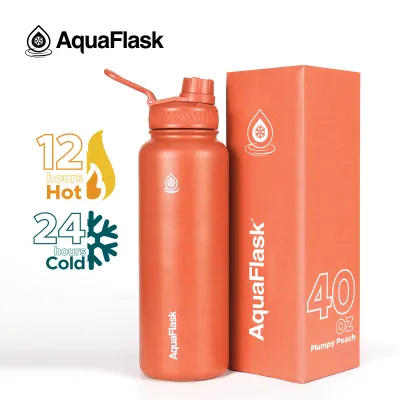
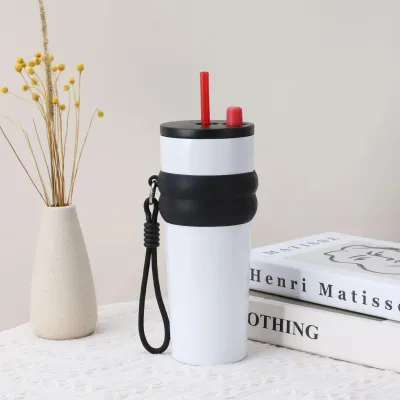
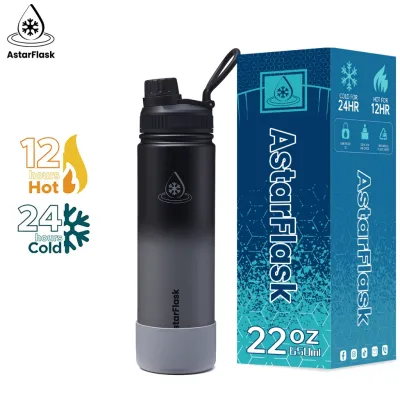
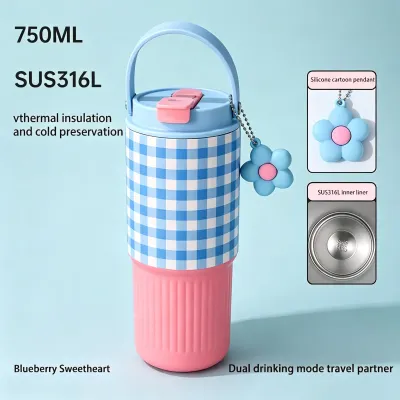
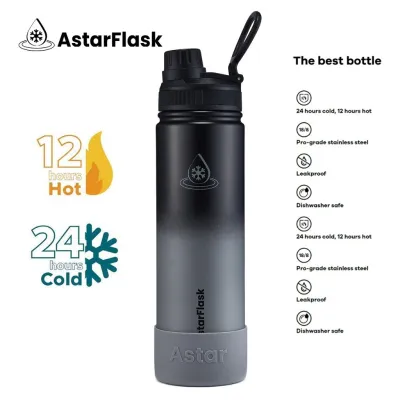
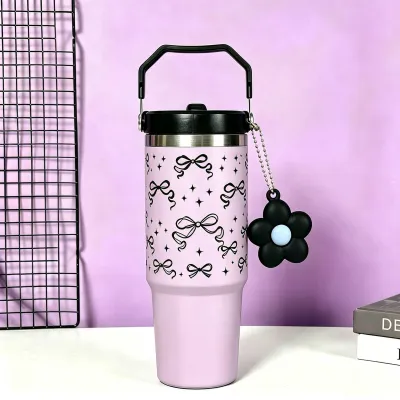
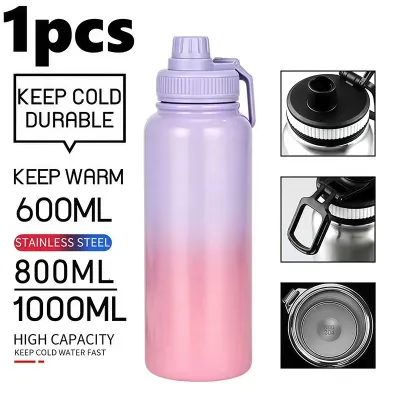
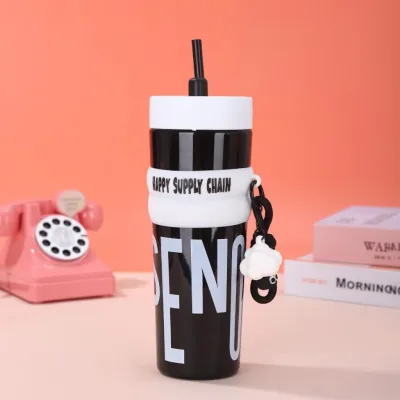
Prices are valid at publication and may change. Please refer to the product page for the latest price.
Finally, you must balance fluid capacity against the physical burden of carrying that weight. Water weighs exactly one kilogram per liter, meaning a massive two-liter jug will add substantial resistance to your workout. For stationary or vehicle-supported activities, maximizing volume is highly practical. For high-impact cardio, choosing a smaller capacity that fits into specialized carrying gear and planning for mid-route refills is often the more comfortable and ergonomically sound approach.
Matching Water Bottles to Specific Workout Activities
Every sport imposes unique physical constraints, movement patterns, and environmental exposures. To find the most practical hydration tool, you must analyze how you will carry the bottle, how quickly you need to access it, and the specific hazards of your training environment.

Gym and Weightlifting
Stationary indoor workouts, such as weightlifting or functional fitness training, present fewer carrying constraints because you can easily set your bottle on the floor or a nearby equipment shelf. For these environments, wide-mouth designs are highly advantageous. They allow you to drop in large ice cubes easily to keep your water cool in humid, non-air-conditioned local gyms, and they accommodate wide scoops of pre-workout or protein powders without spilling.
Because gym floors are typically made of hard rubber, concrete, or wood, durability is a key consideration. Look for bottles made from thick, shatter-resistant plastics or stainless steel with reinforced bases or silicone boots that absorb the shock of accidental drops. If you regularly mix supplements, prioritize bottles with integrated mixing grids, shaker balls, or modular lid systems that prevent powder clumps from clogging the drinking spout.
Running and Jogging
Running involves continuous, high-impact vertical movement that makes traditional rigid bottles highly impractical due to constant sloshing and hand fatigue. For road and trail runners, soft flasks and flexible squeeze bottles are the preferred choices. These bottles compress as you drink, eliminating the air pocket inside to stop water from sloshing rhythmically, which can disrupt your running cadence and cause mild nausea over long distances.
When running, you need to hydrate without breaking your stride or tilting your head back, which can temporarily block your vision of the path ahead. Bite valves and squeeze-and-spray lids allow you to squirt water directly into your mouth with a simple squeeze of the hand. Additionally, ensure the bottle’s dimensions and shape are specifically designed to slide easily into the front pockets of a hydration vest, a waist belt, or an ergonomic handheld strap system to minimize bouncing.
Cycling and Mountain Biking
On a bicycle, hydration must be a seamless, one-handed operation that allows you to keep your eyes on the road or trail. Your bottle must fit securely within a standard bicycle bottle cage mounted to the frame. Before purchasing, verify that the bottle has a distinct tapered groove near the top, which allows the cage’s retention tab to lock the bottle in place, preventing it from rattling loose or ejecting when you ride over potholes or rough terrain.
Squeeze mechanisms with self-sealing jet valves are ideal for cycling because they deliver a high volume of water with a single squeeze, requiring no manual pulling of a spout with your teeth. If you ride off-road or on dusty gravel paths, look for bottles equipped with integrated mud caps or covered nozzles. These protective covers shield the drinking surface from road grime, tire spray, and dust, ensuring you do not ingest dirt when taking a drink.
Hiking and Outdoor Trekking
Trekking through tropical forests or climbing local peaks exposes you to intense heat, high humidity, and long stretches without access to clean drinking water. In these demanding conditions, insulated stainless steel bottles are highly valuable for maintaining cool water temperatures over several hours, which helps regulate your core body temperature. Choose a high-capacity model, typically one liter or more, to ensure you have sufficient fluids between known water sources.
Because trail terrain requires free hands for balance or trekking poles, your bottle must feature secure attachment points. Look for heavy-duty loop caps or integrated carabiner clips that allow you to lash the bottle securely to the exterior of your backpack. Ensure the lid seals completely with a robust silicone gasket to prevent expensive leaks that could ruin dry clothing or electronic gear stored inside your pack.
Maintenance and Cleaning for Longevity
A sports bottle is a prime breeding ground for bacteria, mold, and unpleasant odors, especially in warm, humid climates. To keep your hydration gear sanitary, you must establish a strict cleaning routine. After every workout, fully disassemble the bottle, removing all removable parts including straws, bite valves, and silicone gaskets. Mold frequently hides in the tiny crevices of complex lid mechanisms, so using specialized detail brushes is essential for scrubbing these hard-to-reach areas.
Always consult the manufacturer’s product manual or base labels to verify dishwasher safety limits. While some plastics and stainless steel bodies can withstand high-temperature dishwasher cycles, many insulated bottles and delicate silicone valves will warp, lose their vacuum seal, or degrade under intense heat. For hand-washing, use mild dish soap and warm water; avoid harsh abrasive pads that can scratch plastic interiors, creating microscopic grooves where bacteria can easily cling and multiply.
After washing, proper drying is critical to prevent mold growth. Store your bottles completely disassembled, placing them upside down on a drying rack in a well-ventilated area. Never seal a damp bottle with its lid, as trapped moisture will quickly produce musty odors that are incredibly difficult to remove.
Cross-Activity Compatibility: Can One Bottle Do It All?
If your fitness routine spans multiple disciplines—such as lifting weights on Monday, running on Wednesday, and cycling on the weekend—you might wonder if a single bottle can serve all purposes. While a highly specialized soft flask cannot fit in a bike cage, and a heavy insulated steel bottle is unusable for running, certain hybrid designs offer reasonable cross-activity compatibility. Look for modular bottle systems that feature interchangeable lids, allowing you to swap a straw lid for gym workouts with a secure loop cap for weekend hikes.
If you want one versatile bottle, a lightweight, single-wall plastic squeeze bottle with a standard diameter is often the best compromise. It is light enough for short runs if carried in a hand strap, fits perfectly into standard bicycle cages, and is durable enough for gym use. However, you must recognize the physical limits of hybrid gear; for long-distance trail runs or technical mountain biking, using specialized hydration equipment is a matter of safety and performance that a single general-purpose bottle cannot fully satisfy.
Frequently Asked Questions (FAQ)
How often should I replace my sports water bottle?
You should inspect your sports water bottle regularly for physical signs of wear that compromise hygiene and safety. For plastic bottles, look for deep interior scratches, cloudiness, or a persistent musty odor that remains after thorough sanitizing; these scratches can harbor bacterial colonies that are impossible to clean. For stainless steel bottles, replace them if the vacuum seal is compromised (indicated by the outer wall feeling hot or cold when filled) or if the interior lining shows signs of pitting. Additionally, replace any bottle immediately if the silicone seals degrade, crack, or begin to leak, as this prevents a proper sanitary seal.
Are insulated bottles too heavy for running?
For almost all running scenarios, double-wall vacuum-insulated stainless steel bottles are too heavy and rigid to be practical. The empty weight of a steel bottle is often triple that of a standard plastic bottle or soft flask, and this dead weight compounds the physical strain on your joints and muscles over long distances. Furthermore, rigid steel bottles do not compress, causing the water inside to slosh violently with every stride, which can disrupt your rhythm and cause chafing if carried in a pack. For running, it is highly recommended to use lightweight, flexible soft flasks, reserving your insulated steel bottles for post-run recovery or stationary workouts.

Community discussion
Share your experience or ask a question. Comments are reviewed before publication.