
To catch squid successfully in the coastal waters of the Philippines, your choice of squid lure must match the specific depth, current, and light conditions of your fishing spot. For most anglers casting from the shore, rocky points, or shallow reefs, a standard cloth-wrapped squid jig—known as an Egi—in size 2.5 or 3.0 is the most versatile starting point. If you are fishing from a boat in deeper channels, you may need heavier, specialized jigs or baited rigs to reach the active zone.
Selecting the right lure is a balancing act between visibility, sink rate, and presentation. Because squid rely heavily on their highly developed eyesight to hunt, a lure that mimics local prey and behaves naturally in the water column will consistently outperform random choices. By understanding how to evaluate your fishing environment and match your gear to the conditions, you can make informed purchases that improve your catch rate.
Diagnose Your Local Fishing Conditions and Target Catch
Before purchasing any squid lures, you must evaluate the physical characteristics of your chosen fishing spot. Philippine coastal environments vary widely, ranging from shallow, calm seagrass beds to deep, high-current channels near island passages. Take note of the water depth and the speed of the current, as these factors dictate how heavy your lure needs to be to reach the bottom where squid typically feed.
Products mentioned in this guide
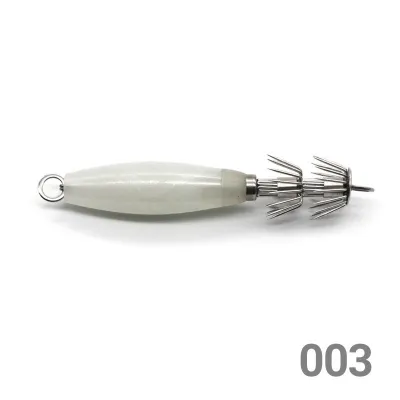
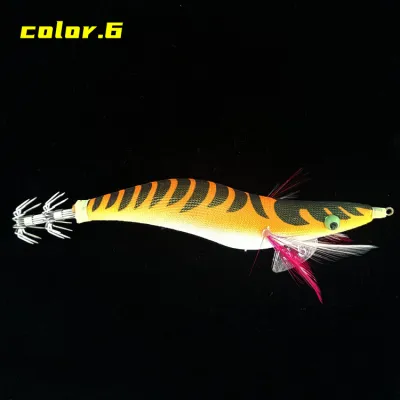
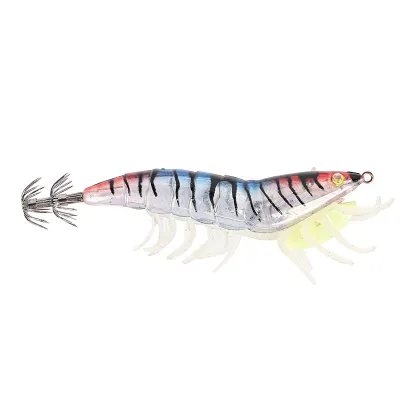
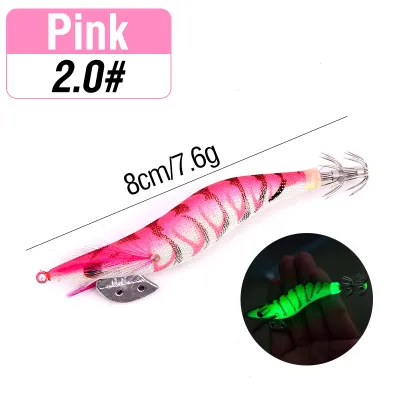
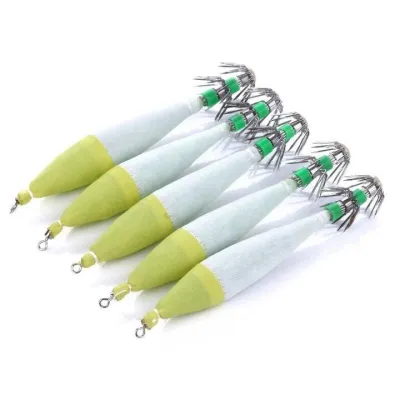
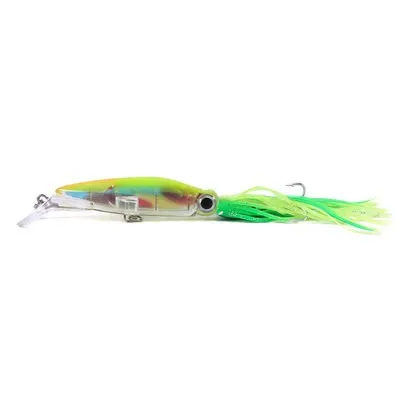
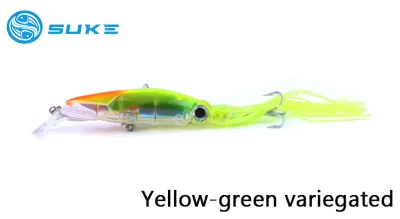
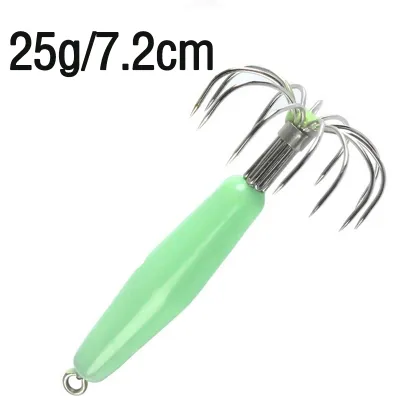
Prices are valid at publication and may change. Please refer to the product page for the latest price.
Underwater structure is another critical element to observe. Bigfin reef squid, the most common target species in local waters, love to patrol the edges of coral reefs, sandy drop-offs, and submerged vegetation. If you are fishing over shallow coral flats, a heavy lure will sink too quickly and snag on the reef, leading to lost gear. Conversely, if you are fishing a deep drop-off, a lure that is too light will sweep away in the current before reaching the target zone.
Weather and light conditions change rapidly in tropical environments, directly affecting water clarity. Bright, sunny days call for different lure properties than overcast afternoons or night fishing sessions under dock lights. Heavy rains during the monsoon seasons can also wash silt into coastal areas, creating murky water that reduces visibility and requires highly reflective or luminous lures.
Finally, try to estimate the size of the squid present in your area. You can gather this information by observing other local anglers, checking catch reports, or asking staff at nearby tackle shops. Matching your lure size to the average size of the local squid ensures that your offering looks like a manageable meal rather than an intimidating threat.
Compare the Primary Types of Squid Lures
Squid lures generally fall into three primary categories, each designed for specific fishing methods, depths, and vessel types. Understanding these categories helps you avoid buying specialized gear that does not fit your style of fishing.

Standard squid jigs, or Egi, are the most popular and widely available type. These lures feature a shrimp-like shape, a weighted nose, a cloth-wrapped body, and a double crown of upward-curving, barbless pins at the tail. They are designed primarily for casting and retrieving from the shore, wading along shallow flats, or light jigging from stationary boats. Their balanced design allows them to sink at a specific angle, mimicking a dying shrimp or baitfish.
Baited squid rigs or skin jigs are preferred for deep-water dropping, especially when fishing from a stationary boat or a traditional outrigger boat (banca). These rigs often feature a central metal shaft where you can secure a small baitfish, such as a sardine, wrapped in wire. The combination of real scent and the surrounding hook crowns makes them highly effective in deep water where visual lures lose their impact.
Trolling skirts and heavy, streamlined jigs are built for covering large expanses of water from a moving vessel. These lures are designed to withstand the tension of being pulled behind a boat at low speeds. They target larger, pelagic squid species in deep offshore channels and are less common for casual shore-based anglers.
Match Lure Specifications to the Water Column
To present your lure effectively, you must understand how its physical design interacts with the water column. Squid are highly sensitive to the speed and angle at which a lure sinks, meaning your selection must be tailored to the depth you are targeting.
Selecting Size and Sinking Speed
When browsing squid jigs, you will notice size numbers such as 2.5, 3.0, and 3.5. These numbers represent the length of the jig body, not its weight in grams. Generally, smaller sizes like 2.5 sink slower and are ideal for shallow water, calm bays, and smaller squid. Larger sizes like 3.5 sink faster and are better suited for deeper water, windy conditions, and larger target species.
Always check the manufacturer packaging for the rated sink speed, which is usually expressed in seconds per meter. A standard jig might sink at a rate of three to four seconds per meter, while a shallow-type jig might take six seconds or more. If you are fishing in strong tidal currents, you will need a faster sink rate or a specialized deep-type jig to prevent the current from sweeping your lure away from the bottom.
Choosing Colors Based on Light and Clarity
Lure color selection should be based on a combination of water clarity and available light. Squid jigs feature two color elements: the outer cloth color and the inner foil tape color. The inner tape (which can be gold, silver, red, rainbow, or luminous) reflects light through the cloth, creating a realistic flash.
For low-light conditions, night fishing, or murky water after a heavy downpour, prioritize high-visibility colors. Lures with fully luminous (glow-in-the-dark) bodies or bright pink and orange cloth over gold or rainbow tape work well in these scenarios. The glow helps squid locate the lure in dark or turbid water.
In clear water and bright sunlight, transition to natural, translucent, or blue and green patterns that mimic local baitfish. Bright, unnatural colors can spook cautious squid in highly clear water. It is always wise to verify successful color patterns with local tackle shops, as regional baitfish populations can influence local preferences.
Plan Your Initial Squid Lure Inventory
Building a practical starter kit does not require buying dozens of expensive lures. Instead, focus on a versatile selection that covers the most common scenarios you will encounter along the coast.
Begin by selecting three to four high-quality jigs in sizes 2.5 and 3.0, as these sizes are highly effective for the average size of squid found in shallow reef areas. Allocate your budget across a mix of colors rather than buying multiple jigs of the same pattern. A sensible starter kit might include one natural blue or green jig for clear daytime conditions, one bright pink or orange jig for overcast days, and one fully luminous jig for night fishing.
Expect to spend anywhere from ₱150 for reliable, budget-friendly entry-level jigs to ₱600 or more for premium imported models. While cheaper jigs are fine for learning, ensure you inspect them closely before use. Check that the lead weight under the chin is securely attached, the cloth wrap is tight, and the hook pins are perfectly straight and sharp.
Before heading to the water, always perform a quick safety check. Ensure your footwear is suitable for wet, slippery coastal rocks or reef flats if you plan to wade. Keep your gear organized in a dedicated, ventilated case to prevent the sharp crown hooks from tangling or dulling against other equipment.
Frequently Asked Questions (FAQ)
How do I clean and maintain my squid jigs after saltwater use?
To prevent corrosion and extend the life of your lures, always rinse your squid jigs thoroughly with fresh water after every fishing trip. Saltwater can quickly rust the fine metal pins of the hook crowns and degrade the adhesive holding the cloth body. Check the manufacturer instructions for any specific cleaning restrictions, especially if the lure features internal rattle chambers or delicate active paint finishes. After rinsing, allow the jigs to air dry completely in a shaded, well-ventilated area before storing them back in your tackle box to prevent mold growth on the cloth.
What type of leader line should I use with squid lures?
Fluorocarbon is highly recommended as a leader material for squid fishing due to its low visibility in water and excellent abrasion resistance. Because squid have exceptional eyesight, a highly visible line can deter them from striking. Furthermore, since eging often involves working your lure close to sharp coral reefs and rocks, the abrasion resistance of fluorocarbon helps prevent line breaks. While monofilament offers better shock absorption, its higher visibility makes it less suitable for clear water. Use a leader of about one to two meters in length, and check your knot strength carefully at the connection point to ensure it can handle the resistance of a retrieving lure.

Community discussion
Share your experience or ask a question. Comments are reviewed before publication.