
Finding the perfect pair of swimming goggles for your child depends on matching their specific age group, facial structure, and swimming environment with the correct frame size and lens features. In the tropical climate of the Philippines, where weekend pool trips and swimming lessons are year-round activities, a proper fit ensures your child stays comfortable and focused on learning to swim. The right pair prevents water from leaking, eliminates the constant need for adjustments, and protects their eyes from chlorine and sun glare. By understanding how a child’s facial bone structure develops and checking product specifications, you can confidently select gear that supports their water confidence.
Assessing Your Child's Facial Structure and Age Group
Children’s faces change rapidly as they grow, which directly affects how swimming goggles seal around their eyes. Manufacturers generally group goggles into age-based categories such as toddler (typically ages 2 to 5), junior (ages 6 to 12), and youth or teen (ages 12 and up). These categories serve as a starting point because they correspond to the average depth of the eye socket and the width of the nasal bridge at different developmental stages. Toddlers have flatter nasal bridges and softer facial contours, requiring highly flexible, one-piece frames that distribute pressure evenly. As children reach school age, their facial bones become more defined, allowing for more structured frames with distinct nose pieces.
A poor fit is easy to spot if you know what to look for during or after a swim session. Deep, red skin marks around the eye sockets that persist long after the goggles are removed indicate that the frames are too small or the straps are pulled too tight. Conversely, if your child constantly stops to empty water from their lenses or blinks excessively during basic head movements, the goggles are too large for their facial structure. In the warm, humid conditions of local pools, a loose seal can also let in sweat and sunscreen, causing eye irritation that discourages young swimmers.
Products mentioned in this guide
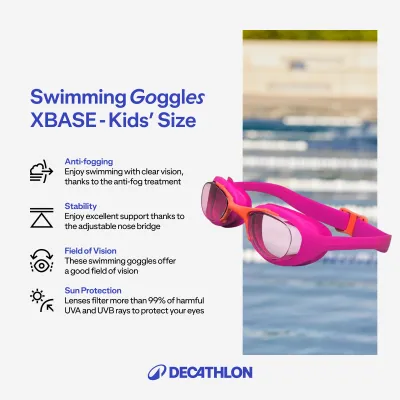
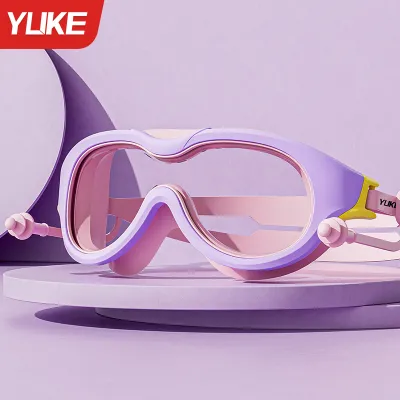
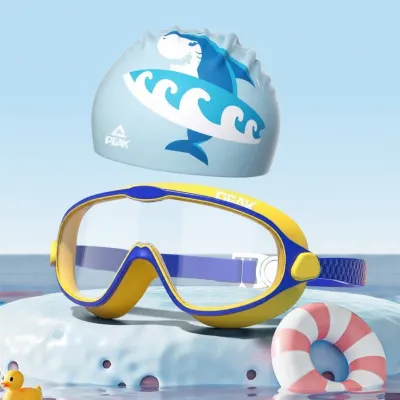
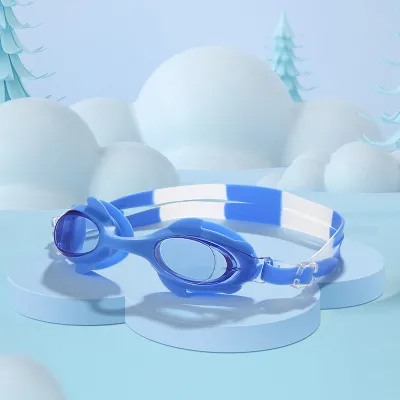
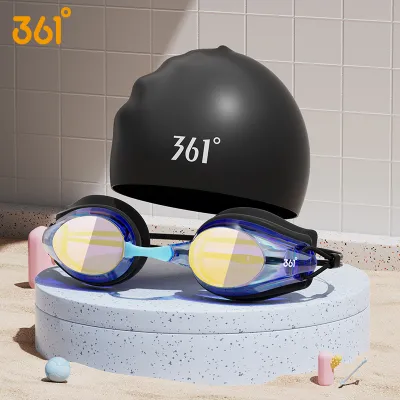
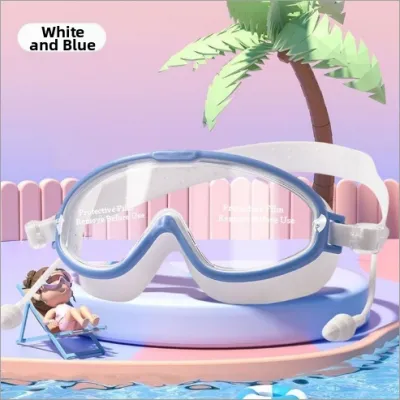
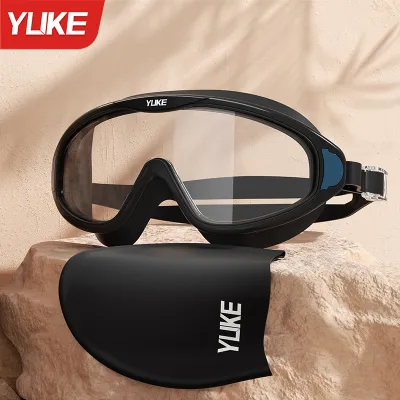
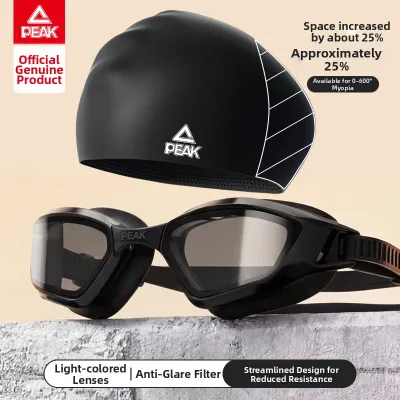
Prices are valid at publication and may change. Please refer to the product page for the latest price.
The strap design plays a critical role in maintaining a secure fit and keeping the goggles in place without causing discomfort. Single-strap designs with a simple rear adjustment buckle are common for toddlers because they are easy for parents to slip on and off quickly. Split-strap designs, which divide into two bands at the back of the head, offer superior stability for active older children who are learning different swim strokes or jumping into the water. For children with long hair or sensitive scalps, bungee cord straps with toggle adjusters are highly effective because they slide smoothly over hair without pulling or tangling, allowing kids to adjust the tension independently.
Matching Goggle Features to Swimming Activities
Selecting the right lens tint and frame material requires looking closely at where your child will do most of their swimming. For outdoor pools exposed to the intense Philippine sun, look for lenses with explicit manufacturer labels indicating UV protection and polarization or dark tinting to reduce blinding glare. If your child primarily swims in covered or indoor pools, clear or lightly tinted lenses (such as blue or yellow) are preferable because they maximize visibility in lower-light environments. Always verify these features on the product packaging rather than assuming all dark lenses automatically block harmful ultraviolet rays.

Frame and seal materials dictate both the comfort and safety of the goggles against your child’s skin. High-grade silicone is the industry standard for seals because it remains soft, flexible, and hypoallergenic, making it ideal for sensitive skin. Some budget-friendly options use PVC or rubber seals, which can feel stiff and may cause allergic reactions or skin irritation in warm weather. When shopping, check the product tags or online specifications for “latex-free” and “hypoallergenic” claims to ensure the materials will not trigger rashes during long training sessions.
Anti-fog coatings and scratch-resistant treatments are valuable specifications that improve the swimming experience, but they must be treated as temporary factory applications rather than permanent features. These coatings work by preventing water droplets from condensing on the inner lens surface, keeping your child’s vision clear. However, the durability of these treatments depends heavily on how the goggles are handled and stored. Recognizing that these coatings naturally wear off over time allows you to manage expectations and plan for proper maintenance rather than expecting a single pair to remain fog-free indefinitely.
Conducting a Pre-Purchase Fit and Comfort Check
Before finalizing your purchase at a local sporting goods store or receiving an order from an online marketplace, you can perform a simple physical check to ensure the goggles will fit your child’s face. The “suction test” is the most reliable way to verify the seal without relying on the strap. Gently press the goggle lenses against your child’s eye sockets without putting the strap over their head. If the goggles stick to the face for a few seconds before releasing, it indicates that the silicone skirt matches their facial contours and will create a watertight seal when worn.
Another critical area to inspect is the nose bridge, which must accommodate your child’s specific eye distance and nasal bridge height. Many junior and youth goggles come with interchangeable nose pieces of varying widths, or an adjustable notched bridge that can be customized. If the nose bridge is too wide, the lenses will sit too far apart, causing water to leak near the outer corners of the eyes. If it is too narrow, the hard plastic edges of the frame may pinch the bridge of the nose, causing pain and leaving red marks after only a few minutes of use.
Finally, evaluate the strap tension to ensure it supports the seal comfortably without relying on excessive force. The strap’s primary job is to keep the goggles from slipping off during movement, not to squeeze them onto the face to force a seal. If you have to pull the straps extremely tight to prevent leaks, the frame size is incorrect. A properly adjusted strap should feel snug but comfortable, allowing you to slip two fingers easily under the band behind your child’s head without causing skin pinching or putting pressure on their temples.
Maintenance, Care, and Knowing When to Replace
Proper maintenance extends the lifespan of your child’s swimming goggles and keeps the lenses clear and hygienic. After every swim, rinse the goggles thoroughly in cool, clean tap water to remove chlorine, salt, sunscreen, and sweat. Avoid using dish soap, hand soap, or harsh chemical cleaners, as these can rapidly degrade the silicone seals and strip away the delicate anti-fog coating. Allow the goggles to air-dry completely in a shaded, well-ventilated area before storing them in a protective pouch; leaving them damp in a dark swim bag can encourage mold growth, especially in humid tropical climates.
Parents must regularly inspect their child’s swim gear for observable signs of wear that compromise safety or function. Over time, exposure to chlorinated water and sunlight will cause silicone straps and seals to become brittle, yellowed, or cracked. If the lenses become heavily scratched, they can distort your child’s underwater vision and make it difficult for them to see the pool edge or their swim instructor. A seal that no longer holds suction during the pre-swim check, even with strap adjustments, is a clear sign that the material has lost its elasticity and the goggles need to be replaced.
Safety should always be your top priority when managing your child’s swim gear. Stop using any pair of goggles immediately if your child complains of persistent skin irritation, eye pain, or headaches during or after swimming. Goggles that fail to protect the eyes from chlorinated water can lead to painful red eyes, while a poorly fitting frame that slips down can distract a young swimmer and compromise their safety in the water. Regularly replacing worn-out gear ensures your child’s swimming experiences remain safe, comfortable, and fun.
Frequently Asked Questions (FAQ)
Should my child wear prescription swimming goggles?
If your child has a diagnosed refractive error, such as nearsightedness or astigmatism, that significantly affects their vision and confidence in the water, prescription swimming goggles are highly beneficial. Clear vision is essential for safety, allowing them to see pool walls, depth markers, and instructions clearly. Rather than guessing standard diopter strengths or buying pre-made lenses off the shelf, consult a qualified optometrist to get an accurate underwater prescription. Many authorized optical shops and specialized sports brands offer customizable prescription goggles or modular lenses that can be matched to each eye’s specific needs.
How do I prevent my child's goggles from fogging up during a swim?
To manage condensation during a swim, have your child rinse their goggles in clean pool or tap water immediately before putting them on, which helps equalize the temperature of the lens with the water. It is crucial to instruct your child never to touch, rub, or wipe the inside of the lenses with their fingers, towels, or shirts, as this friction quickly scratches and rubs off the factory-applied anti-fog coating. If the original coating naturally wears off over time, check the manufacturer’s label for approved anti-fog sprays or drops that can be safely reapplied to the inner lens surface before swimming.

Community discussion
Share your experience or ask a question. Comments are reviewed before publication.