
Finding the right swimming kickboard is a crucial step in refining your technique, building lower-body endurance, and improving your overall efficiency in the water. While a kickboard might look like a simple piece of foam, variations in shape, size, buoyancy, and material can significantly alter your body position and the effectiveness of your training. Choosing a board that aligns with your current skill level and specific swimming goals ensures that your practice sessions are both productive and comfortable.
For beginners, a kickboard serves as a supportive platform that builds confidence, allowing you to focus entirely on learning the mechanics of the flutter or breaststroke kick without the fear of sinking. For competitive swimmers and triathletes, a specialized board becomes a precision tool designed to isolate the legs, engage the core, and simulate realistic racing postures. Using an unsuitable board can lead to poor habits, such as an arched lower back or strained shoulders, which can hinder your progress and cause unnecessary discomfort.
In tropical training environments like the Philippines, where outdoor pools are subject to intense sunlight and high humidity, selecting the right gear also involves understanding how materials hold up against environmental wear. Chlorine, saltwater, and ultraviolet rays can quickly degrade low-quality foam, making durability a key factor in your decision. By taking the time to evaluate your options, you can invest in a training aid that supports your athletic development and withstands the rigors of regular pool sessions.
Products mentioned in this guide
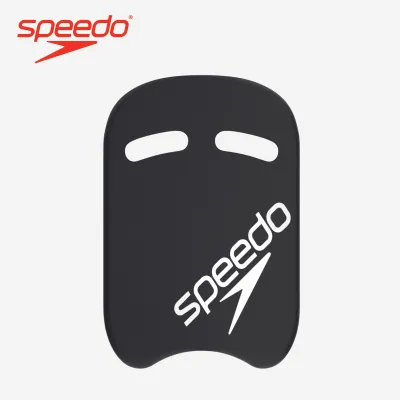
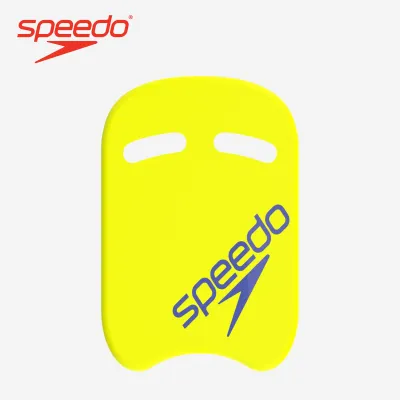
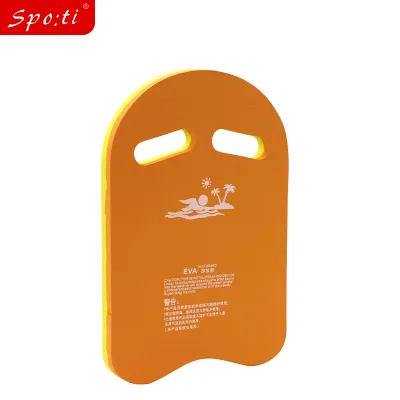
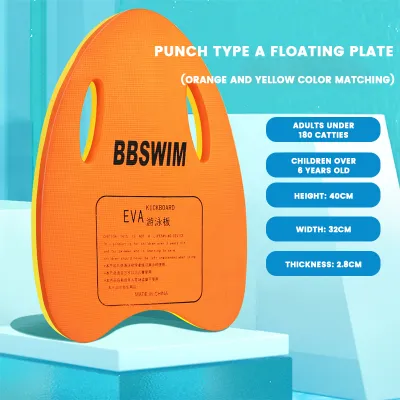
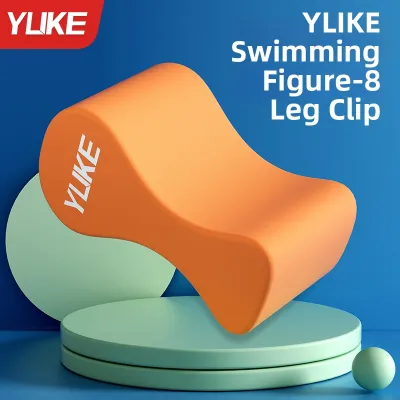
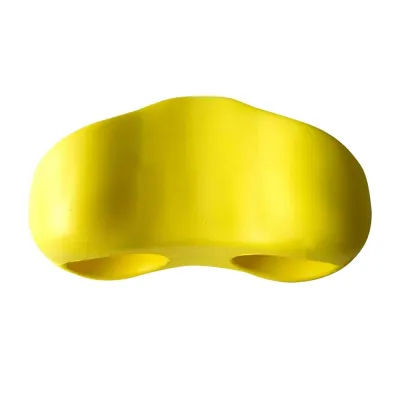
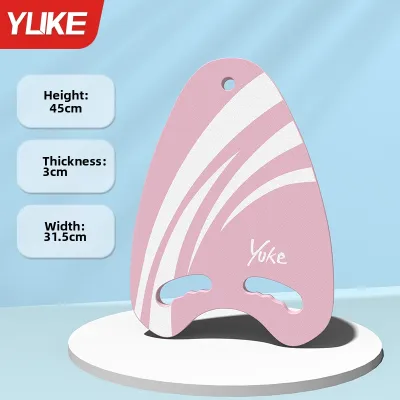
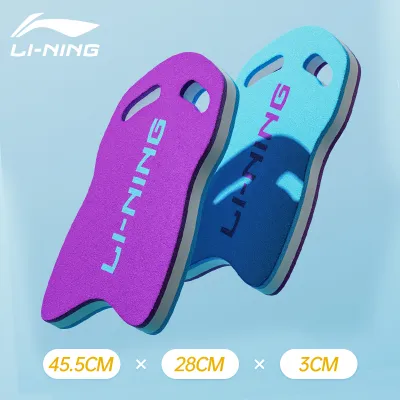
Prices are valid at publication and may change. Please refer to the product page for the latest price.
Match Kickboard Shapes to Your Training Goals
The shape of a swimming kickboard dictates how it interacts with the water and how it positions your upper body. Traditional rectangular kickboards, often referred to as tombstone boards due to their rounded tops and flat bottoms, are the most common design found in community and school pools. These boards offer a large surface area, providing maximum buoyancy and stability. They are ideal for general kicking drills, warm-ups, and beginners who need a reliable support system to keep their heads comfortably above the water while focusing on basic leg movements.
While rectangular boards are excellent for stability, they can sometimes limit your natural range of motion and force your shoulders into an elevated, rigid position. To address this, manufacturers design curved or ergonomic kickboards. These models often feature molded hand grips, contoured sides, or a tapered front end that allows your hands to rest in a more natural, shoulder-width alignment. This ergonomic design reduces the outward rotation of the shoulder joints, minimizing strain during long, high-volume kicking sets and allowing for a more comfortable training experience.
For advanced swimmers and those focusing on competitive technique, alignment kickboards offer a highly specialized alternative. These boards feature a much narrower, elongated profile and are designed to be held with a single hand or in a tight, streamlined position. Alignment boards have lower buoyancy, which forces you to actively engage your core, lower back, and glutes to keep your hips and legs high in the water. This design closely mimics the actual body alignment of a full swimming stroke, making it an excellent tool for refining your posture and building functional core strength.
Some modern training boards also incorporate dual-purpose designs, such as kick-buoy hybrids. These versatile tools feature a contoured shape that allows them to function as a standard kickboard when held in front, or as a pull buoy when placed between your thighs. While highly convenient for swimmers looking to minimize the gear in their training bags, these hybrid models often compromise slightly on both fronts, offering less buoyancy than a traditional kickboard and a bulkier profile than a dedicated pull buoy. Understanding these trade-offs helps you decide if a specialized shape or a multi-functional design best suits your daily routine.
Ultimately, your choice of shape should reflect the specific skills you want to develop. If your primary goal is to build raw leg power through high-volume kicking sets, an ergonomic board with comfortable hand grips will protect your joints over long distances. If you are working on maintaining a flat, hydrodynamic body position at race pace, an alignment board will provide the necessary technical challenge. Matching the board’s geometry to your training objectives is the first step toward a more effective workout.
Select the Right Size and Buoyancy for Your Skill Level
Buoyancy is the upward force exerted by the kickboard, and finding the right balance is essential for maintaining proper swimming posture. Larger, thicker kickboards displace more water, providing high buoyancy that easily supports the weight of your upper body. This high level of support is particularly beneficial for beginners, children, or adult learners who are still developing their water comfort and leg strength. It is also highly useful for swimmers with dense, heavy legs who naturally struggle to keep their lower body horizontal in the water.

However, excessive buoyancy can become a disadvantage as your swimming skills progress. If a kickboard provides too much lift for an experienced swimmer, it pushes the chest and shoulders too high out of the water. This artificial elevation forces the lower back to arch excessively, which drops the hips and legs deeper into the pool, creating massive drag. To maintain a realistic, horizontal body position, intermediate and advanced swimmers generally require smaller, low-profile boards that offer minimal lift, allowing the body to sit naturally flat on the water’s surface.
When selecting a board, it is important to check the manufacturer’s volume specifications and recommended weight limits. A board that is too small for your body weight will sink under the pressure of your arms, forcing you to struggle to keep your head up and disrupting your kicking rhythm. Conversely, a board that is too large will feel unwieldy and difficult to maneuver, especially during flip turns or tight lane swimming. Most reputable brands provide sizing charts that correlate the board’s dimensions and volume with the swimmer’s weight and skill level.
Thickness is another key indicator of a board’s buoyancy and flexibility. Thicker boards, typically measuring around 3.5 to 4 centimeters, offer a rigid, highly buoyant platform that resists flexing under pressure. Thinner boards, often around 2 to 2.5 centimeters, are more flexible and responsive, allowing you to feel the water’s movement and make subtle adjustments to your body position. Advanced swimmers often prefer these thinner, less buoyant options because they provide a more realistic training stimulus that translates directly to unassisted swimming.
Before making a purchase, take a moment to assess your natural buoyancy in the water. If you find that your legs naturally sink the moment you stop kicking, prioritizing a slightly larger board with higher buoyancy can help you maintain a productive training posture. If you already possess a strong, efficient kick and a high body position, a compact, low-buoyancy board will help you refine your technique without artificial assistance. Choosing the right size ensures that the board acts as a supportive partner rather than a hindrance to your form.
Evaluate Materials for Pool Durability and Comfort
The material composition of a kickboard directly impacts its lifespan, weight, and how comfortable it feels against your skin during long training sessions. The industry standard for high-quality training boards is closed-cell Ethylene-Vinyl Acetate (EVA) foam. This material is highly favored because its closed-cell structure prevents water absorption, ensuring the board remains lightweight and buoyant even after years of daily use. EVA foam also offers an excellent balance of structural rigidity and impact resistance, allowing it to withstand being tossed into gear bags or stored at the bottom of a locker.
In tropical climates like the Philippines, where outdoor swimming pools are common, gear is constantly exposed to intense ultraviolet (UV) radiation and high concentrations of pool chemicals. Over time, these elements can break down standard plastics and low-grade foams, causing them to become brittle, fade, or crumble into small pieces. When shopping for a kickboard, look for product labels that explicitly mention UV resistance and chlorine-resistant properties. Investing in a board made from high-grade, UV-stabilized EVA foam ensures that it will maintain its structural integrity and buoyancy despite regular exposure to harsh sunlight and chlorinated water.
The surface texture of the kickboard is another critical factor that affects both grip and comfort. A completely smooth, glossy foam surface can become incredibly slippery when wet, forcing you to grip the board tightly to keep it from sliding away. This constant squeezing can lead to hand fatigue, forearm cramping, and tension in your shoulders. Look for boards with a textured, matte, or lightly ribbed surface that provides a secure grip even when your hands are wet or covered in sunscreen.
While a textured surface is necessary for grip, it must also be gentle enough to prevent skin irritation. During long kicking sets, your forearms rest directly on the surface of the board, and the repetitive friction can cause painful chafing or “pool rash” if the material is too abrasive. High-quality kickboards feature soft-touch finishes or rounded, heat-sealed edges that minimize friction against your skin. Checking user feedback or physically feeling the board’s surface before buying can help you avoid materials that might cause discomfort during extended workouts.
Build Your Shopping Shortlist Based on Your Needs
To build a practical shopping shortlist, start by identifying your current swimming proficiency and your primary training objectives. If you are a beginner focusing on basic kicking mechanics, water confidence, and breathing rhythm, your shortlist should prioritize high-buoyancy, wide rectangular boards with rounded edges. These models provide a stable, reassuring platform that allows you to focus entirely on your leg movements. Look for boards with a generous surface area that can easily support your upper body weight without sinking.
If you are an intermediate swimmer working on leg endurance, aerobic capacity, and stroke transitions, look for medium-buoyancy boards that feature ergonomic hand grips or built-in cutouts. These design elements allow you to vary your hand placement, enabling you to switch between a relaxed, head-up position for endurance sets and a more streamlined, head-down position for speed drills. A medium-sized board offers the perfect balance of support and maneuverability, making it a versatile addition to your gear bag.
For advanced swimmers, competitive athletes, and triathletes focused on refining stroke technique and maximizing core engagement, the shortlist should consist of low-profile, alignment-style boards. These compact, hydrodynamic boards provide minimal buoyancy, forcing your core muscles to work harder to maintain a flat, efficient body position. They are designed to be held at the very front or with a single hand, allowing you to practice side-kicking and body rotation drills that translate directly to your full swimming stroke.
When browsing local sports stores or online marketplaces in the Philippines, always verify the availability of the specific model and check the retailer’s return policies. Pay close attention to user reviews, focusing specifically on comments regarding edge wear, seam durability, and how well the board resists water absorption over several months of use. Selecting a board from a reputable swim brand that offers a clear warranty against manufacturing defects can save you from having to replace a crumbling or splitting board prematurely.
Finally, consider the practical aspects of transporting and storing your gear. If you travel frequently to different pools or train in open-water locations, a compact, lightweight board that fits easily into a standard mesh swim bag is highly convenient. Some advanced alignment boards are designed to be exceptionally compact, making them easy to pack alongside your fins, goggles, and snorkel. By balancing your technical training requirements with these practical considerations, you can select a kickboard that seamlessly integrates into your swimming routine.
Maintain Your Kickboard and Practice Safe Usage
Proper maintenance is essential for extending the lifespan of your kickboard and ensuring it remains hygienic and functional. After every swim session, make it a habit to rinse your board thoroughly with fresh, clean tap water. This simple step removes chlorine, salt, and pool chemicals that can slowly degrade the EVA foam over time. Once rinsed, allow the board to air-dry completely in a shaded, well-ventilated area. Avoid leaving your kickboard under direct tropical sunlight or inside a hot car trunk, as extreme heat can cause the foam to warp, bubble, or lose its buoyancy.
It is also important to regularly inspect your kickboard for signs of structural failure. Over time, constant exposure to water and pressure can cause the foam to develop deep cracks, permanent compression marks, or peeling layers along the seams. If you notice that your board has become soft, flexible, or feels significantly heavier even after drying, it has likely absorbed water and lost its structural integrity. Using a compromised board can negatively affect your body position in the water, so it is best to replace it as soon as these signs of wear become apparent.
While kickboards are invaluable training aids, they must always be used with safety in mind. It is crucial to understand that a kickboard is not a primary life-saving flotation device or a personal flotation device (PFD). It is designed solely for swim training in controlled environments under proper supervision. Never rely on a kickboard to keep a non-swimmer or a child safe in deep water, and avoid using them in open-water environments with strong currents or waves, where they can easily be swept away, leaving the swimmer stranded.
By combining consistent maintenance with safe, mindful usage, you can ensure that your kickboard remains a reliable and effective tool for your swimming journey. Taking care of your gear not only protects your investment but also ensures that every pool session is safe, productive, and focused on achieving your personal fitness and athletic goals.
Frequently Asked Questions (FAQ)
Can I use a kickboard for upper body pull drills?
While it is technically possible to squeeze a kickboard between your thighs to isolate your upper body, it is not recommended for effective training. Kickboards have a large surface area and high buoyancy, which creates significant water resistance and forces your legs into an unnaturally wide, splayed position. This awkward posture can strain your lower back and hips, while the excessive drag disrupts your natural stroke rhythm and prevents you from maintaining a streamlined position.
For upper body isolation drills, a dedicated pull buoy is a much more effective and safer tool. Pull buoys are specifically contoured to fit snugly between your thighs or ankles, providing targeted buoyancy that elevates your hips and legs without creating unnecessary drag. This allows you to focus entirely on your arm stroke, rotation, and catch mechanics while maintaining a realistic, hydrodynamic body alignment that translates directly to your full swim stroke.
How do I hold a kickboard correctly to avoid shoulder pain?
To avoid shoulder and neck strain during extended kicking sets, avoid gripping the very top edge of the kickboard and resting your entire forearms flat on its surface. This common mistake forces your shoulders into a shrugged, tense position and arches your lower back, leading to joint discomfort. Instead, place your hands on the bottom corners or the designated side grips of the board, keeping your arms fully extended but relaxed, with your shoulders down and away from your ears.
Another excellent technique to reduce neck tension is to hold the bottom edge of the board with your hands while keeping your head down in the water, looking at the pool floor. You can then lift your head or turn it to the side to breathe, just as you would during a normal stroke, before returning your face to the water. This approach keeps your spine in a neutral, relaxed alignment and prevents the constant hyperextension of the neck that often causes soreness during long workouts.

Community discussion
Share your experience or ask a question. Comments are reviewed before publication.