
Selecting the best tansi nylon fishing line in the Philippines requires a clear understanding of how different line diameters, test strengths, and physical properties perform under local tropical conditions. Tansi, the widely used local term for nylon monofilament fishing line, remains a staple for both recreational anglers and traditional handline fishers due to its excellent knot strength, high elasticity, and cost-effectiveness. Because the Philippine archipelago offers incredibly diverse fishing environments—ranging from the calm, weed-choked waters of inland lakes to high-energy, coral-strewn coastal shores—no single spool of line can excel in every situation. Finding the right balance involves matching your line’s specifications to your target species, the underwater terrain, and the specific demands of the venue.
Understanding Nylon Line Specifications for Your Target Species
To make an informed choice at your local tackle shop or online marketplace, you must first understand how to read and interpret the specifications on a spool of tansi. The two most critical metrics printed on the packaging are test strength, measured in pounds (lbs) or kilograms (kg), and line diameter, measured in millimeters (mm). Test strength indicates the maximum linear tension the line can withstand before breaking under a steady pull. However, this rating does not account for sudden shocks, such as a heavy fish thrashing violently, which is where nylon’s natural elasticity becomes a vital asset.
Line diameter directly influences both casting performance and underwater visibility. A thinner line experiences less friction as it travels through the rod guides, allowing for longer, more accurate casts, and it cuts through water currents with minimal resistance. Conversely, a thicker line offers greater physical mass, which translates to superior abrasion resistance when rubbing against rough surfaces.
Products mentioned in this guide
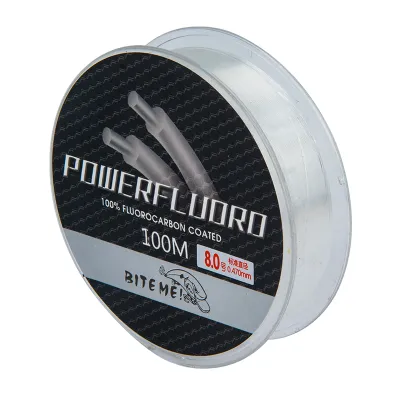
![[COD]500M Fishing Line Super Strong 5 Colors Nylon Fishing Line Original Tansi Nylon For Fishing Nylon String](https://img.lazcdn.com/g/p/8dfe46f0bf7daa401bb4b0b482c47581.jpg_400x400q80.jpg_.webp)
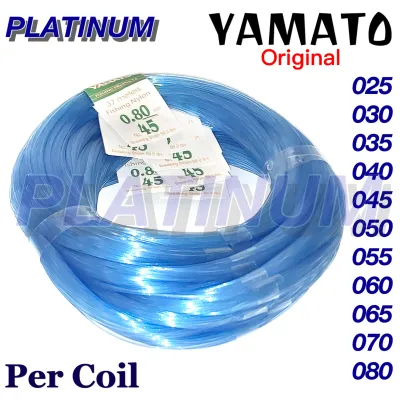
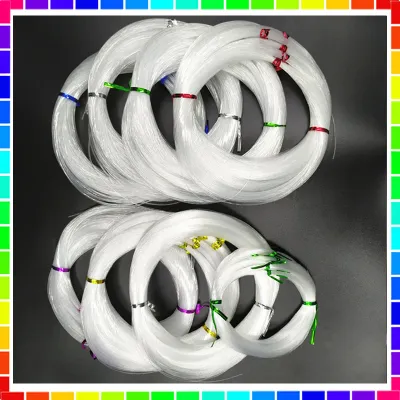
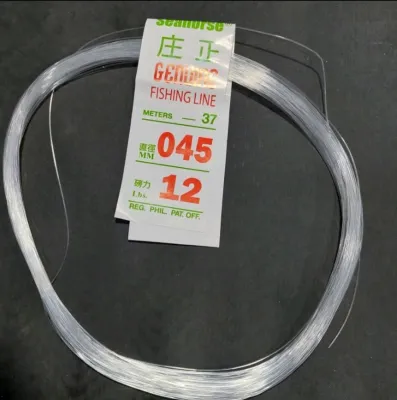
![[COD]500M Super Strong Fishing Line Monofilament Nylon Fishing Line Wear-resistant 14.5 LB Nylon Line for Fresh and Salt Water](https://img.lazcdn.com/g/p/5b85794dfcbe8c9908e3992acd226f02.jpg_400x400q80.jpg_.webp)
Prices are valid at publication and may change. Please refer to the product page for the latest price.
In the clear, sunlit waters common in many Philippine coastal areas, fish can easily spot thick, highly visible lines. Nylon monofilament has a refractive index close to that of water, making it relatively stealthy, but choosing the thinnest possible diameter for your target species remains crucial in high-visibility conditions. In contrast, murky or sediment-heavy waters allow you to prioritize line strength and abrasion resistance over low visibility. Before heading out, always verify the manufacturer’s specifications for knot strength, as some nylon lines retain their rated strength at the knot much better than others. A simple manual check—tying your preferred knot and testing it against a handheld scale—can prevent unexpected breakages on the water.
Matching Line Strength and Diameter to Freshwater Environments
Freshwater fishing in the Philippines spans a wide variety of habitats, from the expansive waters of Laguna de Bay and Lake Taal to fast-flowing mountain streams and quiet agricultural canals. The target species in these environments generally require lighter, more sensitive tackle configurations. Common catches include tilapia, hito, dalag, and bangus.

For highly cautious species like tilapia and bangus, which possess keen eyesight and delicate feeding habits, a light tansi line ranging from 4 lb to 8 lb test is highly effective. This thin diameter ensures the line remains virtually invisible in the water and allows lightweight baits or small lures to move naturally. When fishing in open, unobstructed waters, these lighter lines provide maximum casting distance and sensitivity, enabling you to detect the faintest nibbles.
However, freshwater environments are rarely completely clear of obstructions. If you are targeting predatory species like dalag or hito, which naturally seek shelter among dense water hyacinths, submerged bamboo structures, and thick mud beds, you must adjust your strategy. These fish will immediately dive into cover once hooked, risking a snapped line if your gear is too light. In these heavily structured areas, scaling up to a 12 lb to 20 lb test nylon line is necessary. The added thickness provides the pulling power needed to steer a strong fish away from snags and offers a buffer against the abrasive edges of aquatic plants and submerged debris.
Selecting Heavy-Duty Nylon for Saltwater and Coastal Fishing
Saltwater angling along the coastlines, piers, and reefs of the Philippines demands a much tougher grade of tansi. Coastal environments present a combination of aggressive, hard-fighting fish species and highly destructive physical elements, including sharp coral formations, volcanic rocks, concrete pier pilings, and barnacle-covered structures.
When targeting popular saltwater species such as lapu-lapu, talakitok, or mangagat, a heavy-duty nylon line is essential. These species are known for powerful, sudden runs immediately after taking the bait, often heading straight for the nearest rocky crevice or coral head. To withstand this initial surge, anglers typically rely on lines ranging from 15 lb to 30 lb test, or even heavier when fishing from high piers or rocky cliffs where fish must be lifted directly out of the water.
Abrasion resistance is the single most critical factor in these scenarios. Standard nylon lines can quickly fray and fail after a brief contact with a sharp coral edge. When selecting tansi for saltwater use, carefully check product labels for specialized coatings or treatments designed to enhance surface hardness. Additionally, the intense tropical sun in the Philippines poses a constant threat to nylon lines. Ultraviolet (UV) radiation breaks down the chemical bonds in nylon, leading to micro-cracks, discoloration, and a severe loss of tensile strength. Choosing a line that explicitly claims UV resistance or features a protective outer layer will ensure your gear remains dependable over multiple coastal outings.
Evaluating Cross-Scenario Compatibility and Line Maintenance
Many anglers wonder if it is possible to use a single reel spooled with one type of tansi for both freshwater and saltwater excursions. While specialized lines are ideal, a medium-test nylon line—specifically around 12 lb to 15 lb test—can serve as a highly versatile bridge. This middle-ground rating is light enough to cast medium-sized freshwater lures for dalag, yet strong enough to handle moderate saltwater species from a sandy beach or estuary.
However, attempting to bridge these two worlds requires rigorous maintenance to prevent premature line failure. Saltwater is highly corrosive, and as it evaporates, it leaves behind microscopic salt crystals. These crystals lodge themselves within the line guides of your rod and on the spool of your reel, acting like tiny abrasive blades that shave away at your tansi during every cast and retrieve.
To maximize the lifespan of your nylon line, establish a strict post-trip cleaning routine. After fishing in saltwater, thoroughly rinse your reel and the spooled line with clean, cool freshwater. For a deeper clean, you can gently pull the working section of the line through a damp microfiber cloth to remove salt residue and debris. Always allow the line to dry completely in a shaded, well-ventilated area. Never leave your rod and reel sitting in direct tropical sunlight or inside a hot vehicle, as extreme heat accelerates the degradation of nylon, making it brittle and prone to sudden snapping. Regularly run the first few meters of your line through your fingertips to feel for rough spots, nicks, or flat sections, and cut away any damaged portions immediately.
Frequently Asked Questions (FAQ)
How often should I replace my nylon fishing line?
Rather than relying on a strict calendar timeline, you should replace your tansi based on observable physical signs of wear. Inspect your line regularly for severe line memory, which occurs when the nylon retains the tight, coiled shape of the reel spool even when pulled straight; this coiling increases friction and severely reduces casting distance. Additionally, look for a noticeable loss of elasticity, visible fraying or fuzziness on the surface, and significant color fading. For active anglers fishing frequently in hot, sunny tropical conditions, replacing the main working section of the line every three to six months is highly recommended to maintain peak performance and prevent losing a prized catch.
Does nylon line stretch affect hooksets in different fishing scenarios?
Yes, the inherent stretch of nylon monofilament—which can range from 20% to 30% of its length—profoundly influences how you set the hook and fight fish. In deep-water scenarios or when casting long distances, this elasticity cushions the force of your hookset, making it more difficult to drive the hook firmly into the tough, bony mouths of predatory fish. To compensate, you may need to use a firmer, more sweeping hookset and pair your line with a medium-heavy or fast-action rod. Conversely, this stretch is highly advantageous when fighting aggressive fish close to your position, as it acts as a shock absorber that cushions sudden, violent runs, preventing the hook from tearing out of the fish’s mouth or snapping the line.

Community discussion
Share your experience or ask a question. Comments are reviewed before publication.