
Choosing the right tent trapal in the Philippines requires matching the material, size, and weight of the sheet to your specific camping environment. In a tropical climate characterized by sudden torrential downpours, intense humidity, and sharp terrain, a reliable tarpaulin serves as your primary defense against wet ground and overhead leaks. Selecting the wrong type can lead to a waterlogged tent, unnecessary pack weight, or gear failure during a storm.
By understanding how different materials perform and how to configure them, you can ensure your shelter remains dry and secure. Whether you are setting up a beachside basecamp or pitching on an exposed mountain ridge, evaluating key specifications before your trip is essential for a safe outdoor experience.
Essential Tent Trapal Features to Evaluate Before Buying
Before purchasing a tent trapal, you must evaluate the material composition indicated on the product label. Polyethylene (PE) is highly waterproof and exceptionally durable, making it excellent for ground protection, though it is inherently bulky and heavy. Coated polyester or nylon sheets, often treated with polyurethane (PU) or silicone, offer a much lighter and more packable alternative that still provides reliable water resistance for overhead setups.
Products mentioned in this guide
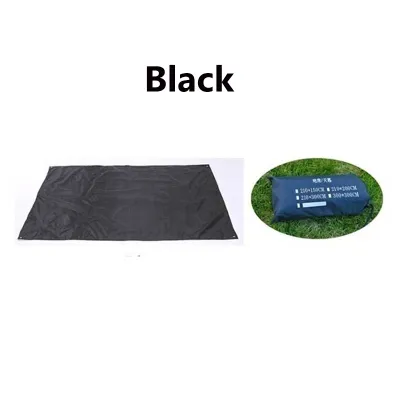
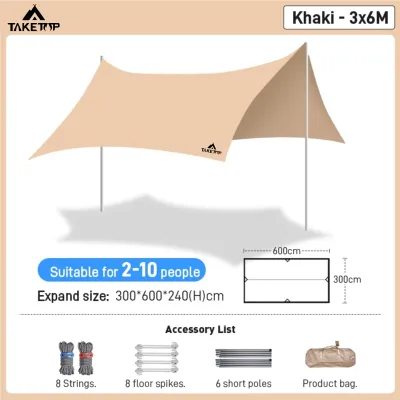
Prices are valid at publication and may change. Please refer to the product page for the latest price.
Reinforcement quality determines how well the trapal withstands tension and wind. Inspect the edges for double-stitched or heat-sealed hems, and look for reinforced corner patches where stress is highest. Grommets should be made of rust-resistant materials like brass or aluminum, and closely spaced grommets allow for more versatile tie-out configurations.
Sizing strategies differ depending on whether the trapal is used as a ground footprint or an overhead canopy. A ground footprint must be cut slightly smaller than your tent’s floor plan to prevent rainwater from pooling between the trapal and the tent fabric. Conversely, an overhead rainfly or shade shelter should extend at least one meter beyond the tent perimeter to shed water away from your sleeping area.
Matching a Tent Trapal to Solo and Lightweight Backpacking
For solo backpackers, every gram counts when climbing steep trails. Heavy-duty PE trapals are generally too bulky for single-hiker portage, as they occupy valuable space inside a pack. Lightweight hikers should prioritize compact, PU-coated polyester or nylon trapals that fold down to the size of a water bottle.

A minimalist 2×3 meter trapal is typically sufficient for solo use. This size can serve as a protective footprint under a one-person tent or be pitched independently as an A-frame shelter over a hammock or bivy sack. It provides adequate coverage for one person and their gear without adding unnecessary bulk.
When packing, verify the folded dimensions of the trapal to ensure it fits easily into your backpack’s side pockets or can be strapped securely to the exterior. Choosing a lightweight option ensures you maintain trail agility while retaining essential protection from damp tropical soil and sudden afternoon showers.
Selecting a Tent Trapal for Family Camping and Basecamps
Family camping trips and established basecamps prioritize living space and comfort over weight savings. Because these campsites are usually vehicle-accessible, you can opt for larger, heavier trapals that provide expansive coverage. A large trapal is essential for creating dry communal areas where family members can gather, cook, and store gear.
To accommodate multi-person tents and communal spaces, look for dimensions such as 3×4 meters or 4×6 meters. This size allows you to place a durable footprint under a large family tent while leaving enough excess material to create a dry staging area at the tent entrance, preventing mud from being tracked inside.
Because family camp zones experience high foot traffic, camp chairs, and heavy coolers, puncture resistance is paramount. Thick, multi-layered PE trapals with reinforced plastic corners are ideal for this scenario. They withstand the friction of rough ground and protect expensive tent floors from sharp twigs, stones, and roots.
Choosing a Tent Trapal for Mountain Hiking and Unpredictable Weather
Mountain camping in high-altitude areas presents severe weather challenges, including strong gusts, driving rain, and rapid temperature drops. In these environments, your trapal must be highly wind-resistant and securely anchored. Equipment alone cannot replace proper mountain safety training; always monitor local weather advisories and abort the climb if severe storms are forecast.
When evaluating a trapal for high-altitude use, look for reinforced webbing loops instead of simple metal grommets. Webbing loops distribute wind tension more evenly across the fabric, reducing the risk of the material tearing during sudden mountain gusts. Check product specifications for a hydrostatic head rating of at least 2000mm to ensure the fabric can withstand wind-driven rain.
Proper pitching technique is critical in stormy mountain conditions. Always pitch the trapal at a steep angle of 30 to 45 degrees to encourage rapid water runoff and prevent heavy pooling. Ensure all guy lines are tensioned tightly using sturdy aluminum or steel stakes, and position the lowest side of the shelter facing into the prevailing wind to minimize aerodynamic drag.
Cross-Scenario Compatibility: Can One Trapal Do It All?
If you participate in various types of camping, you might wonder if a single trapal can serve all your needs. A medium-sized, medium-weight polyester trapal (approximately 3×3 meters) offers a reasonable compromise. It is light enough for short backpacking trips while providing enough coverage for a small group or a three-person tent footprint.
However, a single general-purpose sheet has clear performance limits. If you take a standard utility trapal on a multi-day mountain trek, the excessive weight will quickly tire you out. Conversely, using a delicate, high-end backpacking tarp as a ground sheet for a heavy family tent on gravelly ground will likely result in punctures and ruin the expensive fabric.
Investing in a single mid-range trapal typically costs between ₱500 and ₱1,500, which is highly economical for occasional campers. However, active outdoor enthusiasts will find that owning two specialized sheets—a lightweight nylon tarp for hiking and a heavy-duty PE sheet for family basecamps—prevents premature gear damage and ensures optimal safety in challenging conditions.
Care, Cleaning, and Storage for Your Tent Trapal
Proper maintenance after every camping trip preserves the waterproof coatings and extends the lifespan of your tent trapal. Clean the sheet by laying it flat on a clean surface and gently scrubbing away mud, pine needles, and sand using lukewarm water, mild soap, and a soft-bristled brush. Avoid harsh household detergents or washing machines, as they can strip away protective PU or silicone coatings.
Thorough drying is critical in humid tropical climates. Hang the trapal in a shaded, well-ventilated outdoor area until it is completely dry on both sides. Storing a damp trapal, even for a few days, encourages the growth of mold and mildew, which degrades the fabric and creates persistent, unpleasant odors.
Once dry, fold the trapal loosely rather than packing it tightly into a compressed stuff sack for long-term storage. Repeatedly folding a trapal along the exact same crease lines can weaken the material and cause the waterproof backing to flake off. Store the loosely rolled sheet in a cool, dry closet away from direct sunlight and pests.
Frequently Asked Questions (FAQ)
Can I use a standard hardware store trapal for camping?
Yes, standard hardware store trapals are highly waterproof and very affordable, but they have notable drawbacks for camping. These utility tarps are typically made of thick, stiff polyethylene, making them heavy, bulky, and difficult to pack into a hiking backpack. Additionally, they tend to flap loudly in the wind, which can disrupt your sleep, and they often lack the specialized, reinforced tie-out loops required for secure, high-tension outdoor pitching.
How do I prevent water from pooling on my overhead tent trapal?
To prevent water from pooling, you must pitch the trapal at a steep angle so gravity can pull the water down naturally. Use trekking poles, trees, or a tight center ridgeline to create a clear peak or slope. Regularly check the tension of your guy lines during rain, as wet fabric and ropes can stretch over time, creating sagging pockets where water can accumulate and eventually collapse the shelter.

Community discussion
Share your experience or ask a question. Comments are reviewed before publication.