
Finding the ideal pair of TYR goggles requires matching your specific swimming environment, frequency, and performance goals to the correct frame geometry and lens technology. Because a single goggle design cannot serve every swimmer perfectly, selecting the right model involves evaluating how a pair balances facial comfort against hydrodynamic efficiency. By understanding your personal swimming profile, you can navigate the brand’s diverse lineup to find eyewear that remains watertight and comfortable throughout your time in the water.
Whether you are training in a highly chlorinated indoor pool or navigating the bright glare of an open-water swim under the tropical sun, your goggles serve as your primary window to the aquatic world. The right choice prevents eye fatigue, eliminates distracting leaks, and allows you to focus entirely on your stroke mechanics and breathing rhythm.
Quick Guide: Matching Goggle Types to Your Swimming Profile
To simplify your selection process, it helps to categorize your swimming habits into one of three primary user profiles. Each profile corresponds to a distinct design philosophy, prioritizing either long-term wearing comfort or minimized water resistance.
Products mentioned in this guide
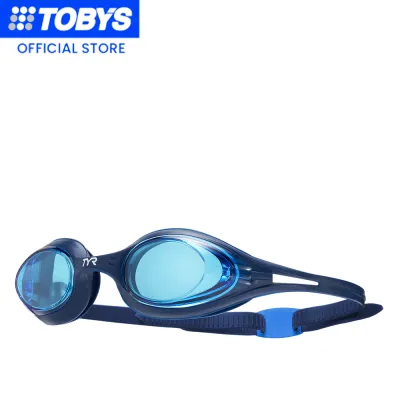
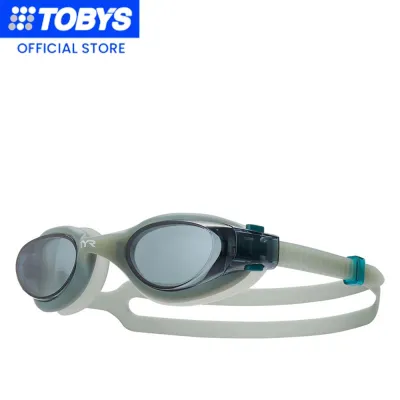
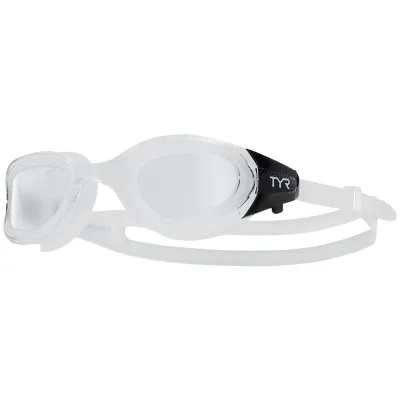
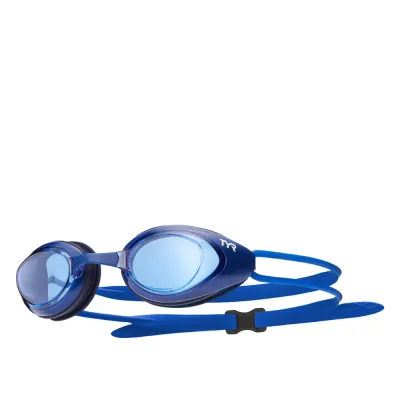
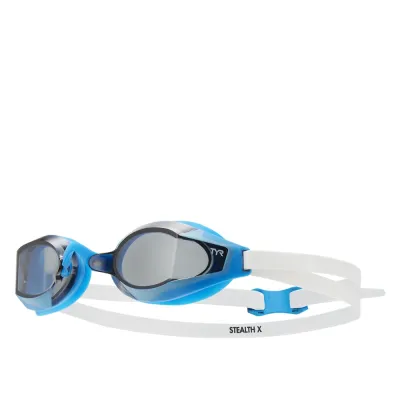
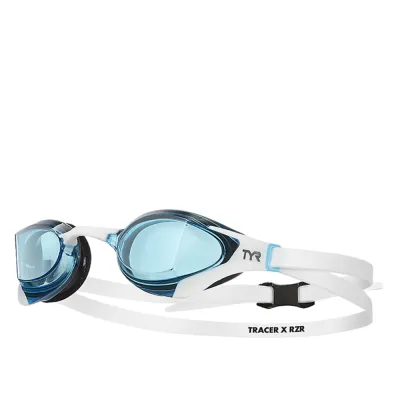
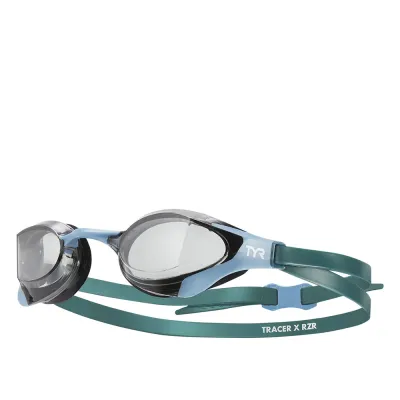
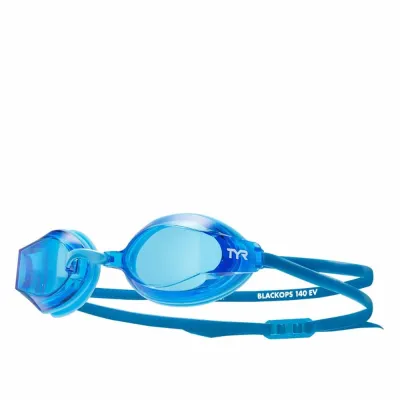
Prices are valid at publication and may change. Please refer to the product page for the latest price.
- Beginner and Leisure Swimmers: If you swim occasionally, participate in water aerobics, or enjoy casual dips in a resort pool, your primary need is comfort. Your profile matches best with wide-fit goggles that feature thick, soft gaskets. These designs distribute pressure evenly around the orbital bone, reducing the likelihood of post-swim rings and headaches.
- Fitness and Lap Swimmers: If you hit the pool multiple times a week for structured workouts, you need a balance of durability, secure fit, and moderate streamlining. Mid-profile goggles are the standard for this category, offering a reliable seal that can withstand rapid turns and sustained lap swimming without requiring excessive strap tension.
- Competitive and Advanced Swimmers: If you train for races, participate in swim meets, or engage in high-intensity interval training, hydrodynamics are paramount. Your profile requires low-profile or gasketless racing goggles that sit deep inside the eye socket to minimize drag during explosive starts and high-speed finishes.
Before making a purchase, always check the manufacturer’s product packaging or official online specifications. Manufacturers clearly label their goggles by category—such as racing, active, or recreation—to help you quickly identify which models align with your intended use cases.
Key Features to Evaluate in TYR Swimming Goggles
When comparing different models, several technical specifications dictate how a pair of goggles will perform in the water. Understanding these design elements allows you to make an informed decision based on your physical needs and swimming environment.

Lens Shape and Profile
The physical shape of the lens determines both your field of vision and the amount of drag you experience. Low-profile racing designs feature flat, compact lenses that sit close to the face, reducing water resistance but slightly narrowing peripheral vision. Conversely, recreational and open-water models utilize wide-vision, curved lenses that expand your peripheral view, making it easier to navigate crowded lanes or spot sighting markers in open water.
Gasket Materials and Construction
The gasket is the material that makes direct contact with your skin to form a watertight seal. Most modern goggles utilize liquid silicone gaskets, which are highly flexible, hypoallergenic, and resistant to chemical degradation from chlorine. Some traditional racing models feature foam gaskets, which compress easily for a customized fit but tend to degrade faster over time. Advanced competitive models may omit the gasket entirely, relying on a precision-molded plastic rim that sits directly against the eye socket for the ultimate low-drag profile.
Lens Treatments and Tints
Lenses are engineered with specific treatments to handle different lighting conditions and prevent fogging. Factory-applied anti-fog coatings are standard on quality goggles, helping to keep your vision clear despite temperature differences between your face and the water. UV protection is another critical feature, especially in tropical climates like the Philippines, where outdoor pools expose your eyes to intense solar radiation. Lens tints range from clear and light blue for indoor facilities to dark smoke, mirrored, or polarized finishes designed to deflect harsh glare in bright outdoor environments.
Strap Systems and Nose Bridges
A secure fit relies heavily on how the goggles anchor to your head. Look for split-strap or dual-strap designs made of durable silicone, which distribute tension across the back of your head to prevent slipping. Adjustability is equally important; some models feature quick-adjust side clips, while racing models often use a low-profile rear tension buckle. Additionally, check the nose bridge design. Many goggles come with interchangeable nose bridges of varying lengths, allowing you to customize the distance between the eye cups to match the width of your nasal bridge.
Choosing Goggles for Beginners and Leisure Swimmers
For those who are new to the sport or swim primarily for relaxation, comfort is the single most important factor. Beginners often find the sensation of wearing swim goggles restrictive or uncomfortable, which can lead to frequent adjustments and interrupted swim sessions. Choosing a model designed specifically for recreational use can greatly ease this transition.
Recreational goggles feature wider eye cups and thicker, softer silicone gaskets. This design distributes the suction force over a larger surface area of the face, significantly reducing orbital pressure. By avoiding direct pressure on the sensitive skin immediately surrounding the eyes, you can enjoy longer sessions without experiencing discomfort or deep red marks. The wider frame also accommodates larger, curved lenses, providing a reassuringly wide field of view that helps beginners feel more confident and aware of their surroundings.
Adjustability is another key benefit for first-time buyers. Look for models that feature easily adjustable side buttons or flexible, self-adjusting nose bridges. These user-friendly features allow you to find a comfortable fit quickly without struggling with complex strap mechanisms.
Keep in mind that the trade-off for this exceptional comfort is increased water resistance. Because recreational goggles project further from the face, they are more prone to shifting or leaking if you attempt high-speed dives, fast flip turns, or intense sprinting. For casual breaststroke, leisurely backstroke, or water fitness classes, however, this added drag is negligible compared to the benefits of a plush, comfortable fit.
Selecting Goggles for Fitness and Regular Lap Swimmers
If you swim laps regularly to maintain your physical fitness, your gear must endure frequent exposure to pool chemicals while remaining comfortable for workouts lasting an hour or more. Fitness swimmers need a versatile, mid-profile goggle that bridges the gap between recreational comfort and competitive performance.
Mid-profile designs sit comfortably within the orbital socket without the bulk of a recreational mask, yet they offer more cushioning than a rigid racing goggle. This design provides a highly secure seal that remains watertight during continuous lap swimming, flip turns, and moderate push-offs from the pool wall. Because the seal is highly efficient, you do not need to pull the head straps excessively tight to keep water out, which helps prevent tension headaches during long workouts.
Durability is a major consideration for regular pool users. Chlorine and bromine can rapidly degrade cheap plastics and low-grade silicone, causing gaskets to become brittle and leak. Investing in mid-range goggles featuring high-grade, injection-molded silicone gaskets ensures your eyewear retains its elasticity and sealing properties over months of daily use. Expect to budget anywhere from ₱800 to ₱2,500 for a durable, high-quality pair at local sports retailers.
Your swimming environment should dictate your choice of lens tint. If you train in brightly lit outdoor pools, which are common in tropical regions, mirrored or dark smoke lenses are highly beneficial for reducing eye strain and blocking glare off the water’s surface. If your workouts take place in indoor facilities or during early morning or evening hours, clear, pink, or light blue lenses will provide the necessary light transmission to keep your path clearly visible.
Picking Goggles for Competitive and Advanced Swimmers
For competitive athletes and advanced swimmers, every fraction of a second counts. When performing explosive dive starts off the blocks or executing powerful flip turns, standard goggles can easily catch the water, shift out of place, or fill with water. To prevent this, advanced swimmers rely on specialized racing goggles designed for maximum hydrodynamics.
Racing goggles feature an ultra-low profile, sitting deep inside the eye socket to minimize the surface area exposed to oncoming water. Many competitive models utilize very thin, low-profile silicone gaskets, while some traditionalists prefer gasketless “Swedish-style” goggles. Gasketless models consist of bare plastic rims that sit directly against the orbital bone, offering the lowest possible drag profile.
This extreme streamlining comes with a clear trade-off: wearing comfort. Because racing goggles must remain absolutely secure under high water pressure, they rely on a rigid, tight seal and a firm double-strap system. This can cause notable orbital pressure and leave temporary marks around your eyes. Consequently, many athletes choose to use these low-profile models primarily for race days and high-intensity training sessions, switching to more cushioned mid-profile goggles for their longer, low-intensity recovery yards.
When selecting competitive eyewear, always verify competition compliance. Check the product packaging or manufacturer specifications to ensure the model is approved by World Aquatics (formerly FINA) for use in official swim meets. This ensures your gear meets all international standards for competitive swimming.
How to Test the Fit and Seal Before Purchasing
Even the most technologically advanced goggles will leak if they do not match the unique contours of your face. Because facial structures, nose bridge widths, and orbital bone shapes vary widely from person to person, testing the fit of a pair of goggles before taking them to the pool is essential.
The Suction Test
The most reliable way to verify a goggle’s seal is the dry suction test, which is performed without using the head strap. Follow these steps to check the fit:
- Tilt your head slightly forward and place the goggle eye cups gently over your eyes.
- Press the frames lightly against your face to expel the air inside the cups, creating a gentle vacuum.
- Remove your hands from the goggles.
If the goggles are a good match for your facial structure, the suction should hold them in place against your face for a few seconds before they fall off. If they pop off immediately or fail to hold any suction, air is escaping through a gap in the seal, meaning water will do the same when you swim.
Assessing Strap Tension
Once a pair passes the suction test, place the strap over your head to evaluate the overall tension and comfort. The strap’s primary purpose is to keep the goggles in position, not to force the seal against your face. If you have to pull the straps extremely tight to prevent leaks, the frame shape is likely a poor match for your face. The goggles should feel secure with moderate strap tension; excessive tightness that causes pain, deep skin indentations, or pressure on your eyeballs indicates you need a different size or model.
Checking Vision and Clearance
With the goggles on, look in different directions to ensure your eyelashes do not rub against the inside of the lenses, which can be highly distracting and quickly smudge the glass. Ensure that the nose bridge does not pinch the skin or press painfully against the bone. Finally, check your peripheral vision to ensure the frame does not create large blind spots that could hinder your awareness in the water.
Care and Maintenance to Protect Anti-Fog Coatings
Even high-quality goggles will quickly lose their clarity if they are not cared for properly. The factory-applied anti-fog coating on the inside of the lenses is highly delicate and requires specific maintenance practices to preserve its effectiveness over time.
Rinse with Fresh Water
After every swim, whether in a chlorinated pool, a saltwater pool, or the ocean, immediately rinse your goggles with fresh, cool water. This simple step removes chlorine, salt crystals, organic debris, and sunscreen residues that can degrade the silicone gaskets and cloud the lenses. Avoid using hot water, dish soaps, or harsh chemical cleaners, as these can dissolve the anti-fog coating and damage the structural integrity of the silicone.
Never Touch the Inside of the Lenses
The most common cause of premature anti-fog failure is physical contact. Never wipe, rub, or touch the inside of the lenses with your fingers, a towel, a t-shirt, or a microfiber cloth. Even the softest cloth can scratch the delicate chemical coating, rendering it useless. After rinsing your goggles, simply shake off the excess water and allow them to air dry completely in a shaded, well-ventilated area away from direct sunlight.
Store in a Protective Case
Leaving your goggles loose in a swim bag exposes them to scratches from keys, zippers, and rough gear. Additionally, leaving them exposed to the high heat and humidity of a car trunk or an outdoor gear bag can warp the plastic frames and dry out the silicone gaskets. Always store your dry goggles in a dedicated, hard-sided protective case to shield them from physical damage and environmental wear.
Frequently Asked Questions (FAQ)
How can I maintain the anti-fog coating on my goggles?
To preserve the factory anti-fog coating, always rinse your goggles with cool, fresh water after each use and allow them to air dry completely. Never touch, rub, or wipe the inside of the lenses with your fingers, towels, or cloths, as this physically strips away the delicate coating. Once the original factory coating naturally wears off over months of use, you can restore clarity by applying a dedicated, manufacturer-approved aftermarket anti-fog spray or drops before your swim sessions.
When should I choose mirrored lenses over clear or tinted ones?
Mirrored lenses are designed specifically to reflect light, making them ideal for reducing intense glare and bright sunlight during outdoor swims in open water or uncovered pools. Clear lenses provide maximum light transmission and unaltered visibility, making them the best choice for indoor pools, evening swim sessions, or overcast days. Tinted lenses, such as blue or smoke, serve as a versatile middle ground, offering moderate light reduction and glare protection for mixed indoor and outdoor use.
How do I know if my goggles are too tight or too loose?
Your goggles are too tight if you experience tension headaches, pain around your eye sockets, or if they leave deep, painful red marks that persist long after your swim. They are too loose if water leaks into the eye cups during normal swimming, or if the goggles shift or fall off during routine push-offs and flip turns. Ideally, your goggles should rely on the natural suction of the gaskets to stay watertight, with the head strap adjusted to the minimum tension required to keep them securely in place.

Community discussion
Share your experience or ask a question. Comments are reviewed before publication.