
Choosing the right volleyball ball with net set requires matching your equipment to your physical environment, the playing surface, and the skill level of your players. A mismatched setup compromises the quality of play and can damage your gear or pose safety risks. For instance, using a delicate indoor leather ball on a concrete barangay court quickly ruins its cover, while a net system designed for grass cannot be anchored on a paved driveway without specialized weighted bases. By evaluating your space first—whether it is a grassy backyard, a sandy beach, or a concrete multi-purpose court—you can select a set with the appropriate ball material, net tensioning system, and anchoring hardware to ensure a safe and enjoyable game.
Quick Guide to Matching Your Volleyball Set to Your Space
Every playing environment presents unique physical challenges that dictate the ideal specifications for your net and ball. Selecting the wrong gear for your specific venue often leads to premature wear, sagging nets, or physical discomfort during play.
- Hard Courts (Concrete or Asphalt): Paved surfaces demand highly durable, abrasion-resistant balls—typically made of thick rubber or heavy-duty synthetic composites—that can withstand constant friction against rough ground. Because you cannot drive stakes into concrete, these setups require freestanding net systems with weighted bases or pre-installed ground sleeves.
- Sand and Beach Environments: Soft sand requires specialized sand anchors, such as wide plates or auger-style stakes, to keep the net poles stable under tension. The ball must be water-resistant, slightly larger, and softer to perform consistently in windy, humid, or wet coastal conditions.
- Grass and Backyard Areas: Grassy lawns are highly forgiving for casual play, making them ideal for lightweight, adjustable net systems secured with standard metal or plastic ground stakes. Casual backyard games benefit from softer, lighter synthetic balls that minimize arm sting for players of all ages and skill levels.
Assessing Your Playing Space and Surface
Before purchasing any volleyball ball with net set, you must measure your physical space and evaluate the ground conditions. A standard volleyball court measures 18 meters long by 9 meters wide, but casual recreational play can accommodate smaller dimensions if safety boundaries are maintained. Always ensure there is a clear safety zone of at least 2 to 3 meters around the entire perimeter of the court, free from obstructions such as walls, trees, or fences.
Products mentioned in this guide

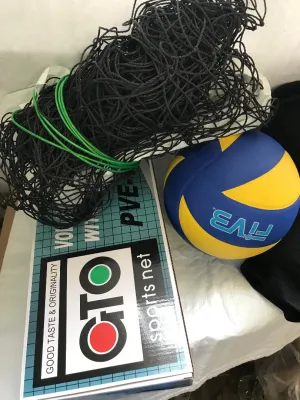
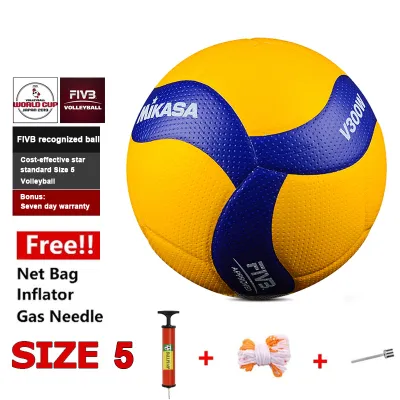
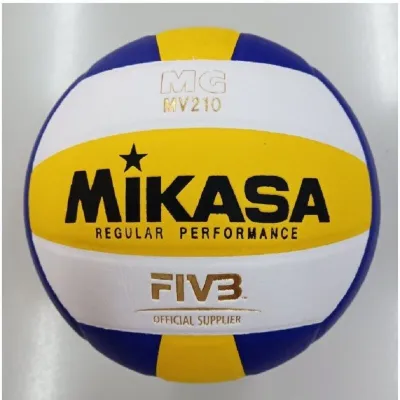
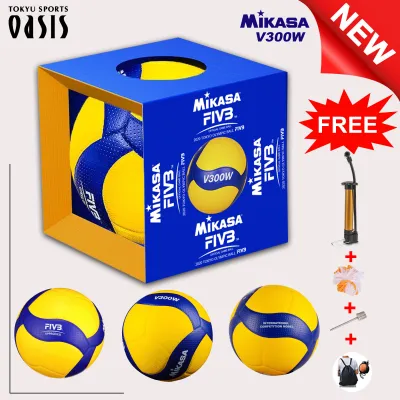
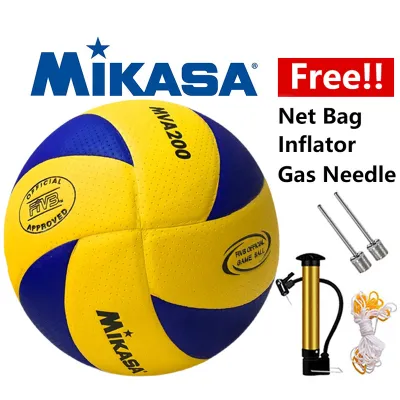
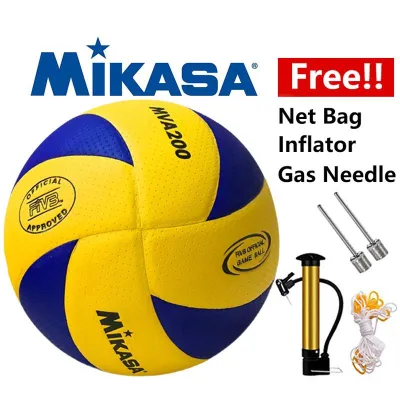
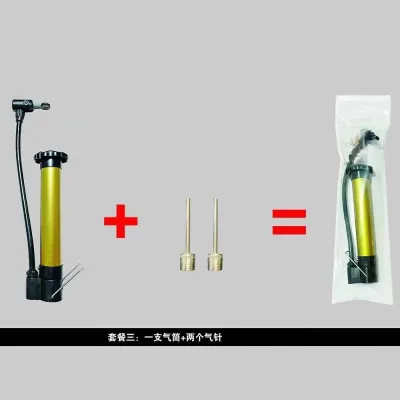
Prices are valid at publication and may change. Please refer to the product page for the latest price.

Backyard and Grass Areas
Grassy yards are popular for family gatherings, but they often feature hidden hazards. Begin by measuring the flat, usable lawn area to ensure players will not run into flowerbeds, low-hanging tree branches, or glass windows during a rally.
- Terrain Evaluation: Look for uneven soil, hidden holes, or exposed tree roots that could cause ankle sprains. If the ground is sloped, orient the court so the net runs parallel to the slope to keep the playing field as fair as possible.
- Equipment Considerations: Grass provides excellent traction, allowing for standard metal or plastic stakes. However, during the dry season or in areas with hard-packed clay soil, you may need heavy-duty steel stakes or a mallet to secure the guy lines properly.
Beach and Sand Courts
Playing on sand is physically demanding and requires specialized gear to handle the shifting terrain and coastal elements.
- Anchoring Mechanisms: Standard grass stakes will slip out of dry sand almost instantly when tension is applied to the net. Verify that your set includes sand anchors—typically flat square plates or bags that you bury at least 30 to 50 centimeters deep in the sand to leverage the weight of the sand itself for stability.
- Environmental Factors: Coastal areas in the Philippines are highly humid and prone to salty air, which accelerates the rusting of metal components. Look for anodized aluminum or powder-coated steel poles, and ensure the ball has sealed seams to prevent sand and moisture from penetrating the bladder.
Paved or Concrete Courts
In many local neighborhoods, the barangay multi-purpose court or a wide concrete driveway is the only available playing space. These hard surfaces require a completely different approach to equipment selection.
- Ball Durability: Concrete acts like sandpaper on traditional stitched volleyballs. A premium indoor ball will scuff, peel, and lose its shape within a few hours of play on concrete. Instead, verify that the ball is rated for outdoor use, utilizing vulcanized rubber or thick, scuff-resistant composite covers.
- Net Support: Since driving stakes is impossible on concrete, you must use a freestanding net system. These systems rely on heavy plastic bases filled with water or sand, or steel frames with wide, rubber-padded feet to prevent sliding. Alternatively, check if your local court has pre-installed ground sleeves designed to accept standard outdoor poles.
Selecting the Right Volleyball for Your Surface
The ball is the centerpiece of the game, and its construction directly influences control, durability, and player comfort. Choosing a ball that matches your playing surface ensures longevity and reduces the risk of arm fatigue.
Material and Cover Construction
Volleyball covers are generally constructed from three primary materials, each suited to specific environments and budgets.
- Premium Synthetic Leather: Often used for competitive indoor and high-end outdoor balls. This material offers a soft feel, excellent grip, and consistent flight paths. However, it requires a clean, non-abrasive surface to prevent tearing and should be stored away from excessive moisture.
- Composite Leather: A highly versatile material that balances soft touch with enhanced durability. Many mid-range outdoor volleyballs use composite covers designed to resist moisture and dirt, making them excellent for grass and beach play.
- Vulcanized Rubber: The most durable option for rough, paved surfaces like concrete driveways. While rubber balls are highly resistant to scuffs and punctures, they are significantly harder and can cause arm stinging, especially for beginners or younger players.
- Weatherproofing Checks: When playing in tropical, humid conditions, always check the manufacturer's label to verify if the ball features water-resistant coatings, laminated panels, or sealed valves. Moisture absorption can make a ball heavy, waterlogged, and difficult to control.
Size, Weight, and Pressure
Understanding the physical specifications of the ball helps you tailor the game to your target players.
- Regulation Specifications: Official volleyballs have a circumference of 65 to 67 centimeters and a weight of 260 to 280 grams, inflated to a pressure of 4.26 to 4.61 psi. These are designed for structured training and competitive play.
- Recreational and Youth Balls: For casual backyard games, look for oversized or lightweight recreational balls. These balls are often 10% to 20% lighter than regulation balls and feature a thicker foam backing beneath the cover. This design reduces impact force, preventing the painful red welts on the forearms (arm sting) that often discourage casual players and children from continuing the game.
- Inflation Maintenance: Always use a pressure gauge to verify inflation levels. Over-inflated balls are rock-hard and can cause wrist injuries, while under-inflated balls will not bounce or float predictably off the hands.
Picking the Best Net System for Your Setup
A sagging, unstable net can ruin an otherwise great game of volleyball. To select a net system that remains taut and upright throughout your match, you must evaluate the pole materials, height adjustability, and tensioning mechanisms.
Adjustable vs. Fixed-Height Nets
If your playing space serves multiple age groups or skill levels, a fixed-height net can be highly limiting.
- Regulation Heights: Official net heights are set at 2.43 meters for men and 2.24 meters for women. If you are training for school leagues or competitive tournaments, your net poles must support these exact heights securely.
- Telescoping Poles: For family backyards, choose a net system with telescoping poles. These poles feature push-button locking mechanisms or collar clamps that allow you to adjust the net height to standard men's, women's, and co-ed/youth heights (typically around 2.13 meters). Lowering the net ensures that younger players can successfully serve and spike, keeping the game engaging for everyone.
Pole Stability and Anchoring Methods
The stability of your net depends entirely on how the poles are anchored and how the net tension is maintained.
- Guy Lines and Tensioners: High-quality portable net systems use heavy-duty guy lines (ropes or webbing straps) connected to the top of each pole and anchored to the ground at a 45-degree angle. Look for systems equipped with pull-down tensioning straps or metal ratchet buckles. These hardware components allow you to apply significant tension to the top tape of the net without bending the poles.
- Pole Materials: Steel poles offer maximum rigidity and are highly resistant to bending under high net tension, but they are heavy and prone to rust if not properly coated. Aluminum poles are lightweight, naturally rust-resistant, and highly portable, making them the preferred choice for beach and frequent travel setups. Fiberglass poles offer a flexible, lightweight alternative for budget-friendly, casual backyard sets.
Portability and Storage
Unless you are installing a permanent court, you will need to pack up and store your net system after each use.
- Carrying and Transport: Verify that the set includes a heavy-duty, weather-resistant carrying bag with dedicated compartments for the poles, net, stakes, and ball. Multi-piece push-button poles are much easier to fit into the trunk of a compact car than long, solid poles.
- Storage Care: In humid climates, storing damp equipment in a sealed bag will lead to mold growth on the net and rust on steel poles. Always wipe down all components with a dry cloth and allow the net to air-dry completely before packing it away.
Can One Set Work for Multiple Environments?
Many buyers look for a single, versatile volleyball ball with net set that can transition seamlessly from a grassy backyard to a sandy beach or a concrete driveway. While hybrid sets exist, they require careful verification of the included hardware and materials.
- Hybrid Anchoring Systems: Some multi-surface sets include both pointed steel stakes for grass and wide sand discs or fillable plastic bases for hard surfaces. If you plan to play on both grass and concrete, verify that the manufacturer explicitly includes both anchoring options in the package, as buying weighted bases separately can be costly.
- The Multi-Surface Ball Dilemma: A ball designed for the beach (softer, slightly larger, water-resistant) will float too much in the wind on an open concrete court, while a heavy rubber ball designed for concrete will hurt bare feet and hands on the beach. If you want a single ball for all surfaces, opt for a mid-range synthetic composite ball with laminated, water-resistant panels. It offers a reasonable balance of durability and comfort, though you should avoid using it on highly abrasive concrete to prolong its lifespan.
- Verification Checklist: Before purchasing a "universal" set, review the product specifications to check the pole wall thickness, the denier rating of the carrying bag (600D or higher is recommended for durability), and the weather-proofing treatments applied to the net and hardware.
Setup Tips and Safety Boundaries for Casual Play
Setting up a temporary volleyball court requires a systematic approach to ensure player safety and protect your equipment from unnecessary wear.
- Site Inspection: Before driving any stakes into the ground, inspect the area for underground utilities, sprinkler heads, or shallow water pipes. Look upward to ensure there is at least 6 meters of vertical clearance, completely free from low-hanging tree branches, clotheslines, or overhead power lines.
- Equipment Inspection: Prior to every game, inspect the poles for structural bends, cracks, or sharp metal burrs. Check the guy lines for fraying and ensure the ground stakes are driven fully into the soil at a slight outward angle (pointing away from the court) to maximize holding power.
- Stop Conditions: Recreational portable net systems are not designed to withstand players hanging on the net or colliding violently with the poles. If a pole bends, a guy line snaps, or an anchor plate pulls out of the ground, stop play immediately. Do not attempt to patch damaged structural components with tape or wire; consult the manufacturer's care instructions or seek professional replacement parts to prevent the system from collapsing and causing injury.
Frequently Asked Questions (FAQ)
What is the standard height for a volleyball net?
The official standard net height for competitive men’s play is 2.43 meters (7 feet, 11 5/8 inches), and for women’s play, it is 2.24 meters (7 feet, 4 1/8 inches). For co-ed, youth, or casual recreational games, the net is commonly adjusted lower, typically ranging between 2.00 meters and 2.13 meters, to accommodate different heights and skill levels. Always verify the adjustable range of your pole system before purchasing.
Can I use an indoor volleyball on a concrete court?
No, using a premium indoor volleyball on concrete is not recommended. Indoor balls are typically constructed with delicate, stitched synthetic leather covers designed to absorb impact on smooth wooden or synthetic gym floors. When subjected to rough concrete or asphalt, these covers will quickly scuff, peel, and tear. For concrete courts, use a ball specifically labeled for outdoor use, featuring a durable vulcanized rubber or heavy-duty composite cover.
How do I keep my net from sagging in the middle?
To prevent your net from sagging, ensure your poles are set at a slight outward angle before tightening the guy lines. Use the built-in tensioning straps or metal ratchets to pull the top tape of the net taut. Driving your ground stakes into the soil at a 45-degree angle pointing away from the court provides the leverage needed to maintain high tension without pulling the stakes out of the ground.

Community discussion
Share your experience or ask a question. Comments are reviewed before publication.