
Choosing the right volleyball depends entirely on where you plan to play. Using an indoor ball on a concrete court will quickly scuff and ruin its premium cover, while using a heavy outdoor ball on a polished indoor court can lead to arm fatigue and unpredictable bounces. Matching the ball’s construction to your playing surface ensures optimal performance, protects your investment, and prevents unnecessary wear on your gear.
In the Philippines, volleyball is played across a wide variety of environments, from polished wooden gym floors and synthetic taraflex courts to sandy beaches and concrete barangay courts. Each of these surfaces interacts differently with the ball’s material, weight, and inflation. Understanding these differences is the first step to selecting a ball that matches your playing conditions and skill level.
Understanding the Core Differences Between Indoor and Outdoor Volleyballs
Indoor and outdoor volleyballs are engineered for entirely different physical environments, meaning a single ball can rarely perform well in both settings. Indoor courts are controlled environments free from wind, rain, and extreme temperature fluctuations. Outdoor courts, by contrast, expose the ball to shifting winds, intense tropical sun, high humidity, and abrasive surfaces like sand or concrete.
Products mentioned in this guide
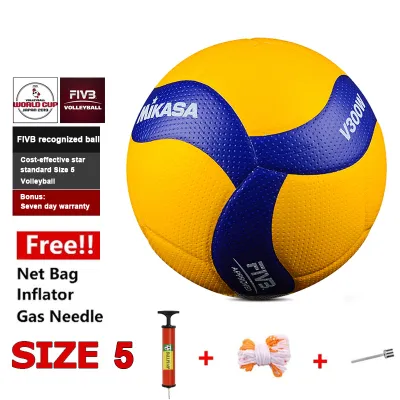
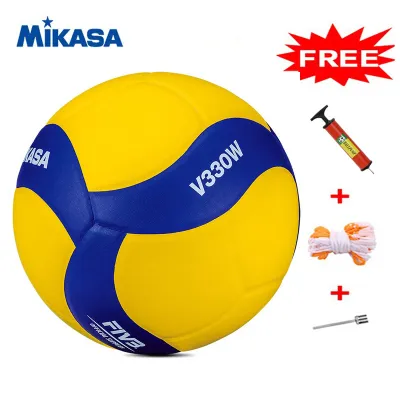
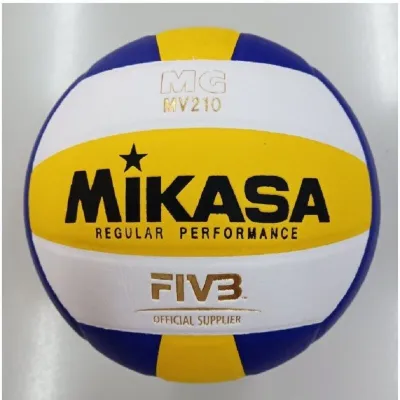
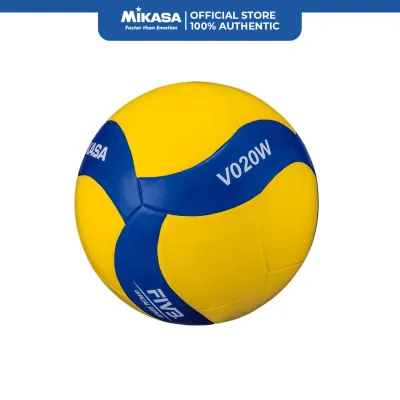
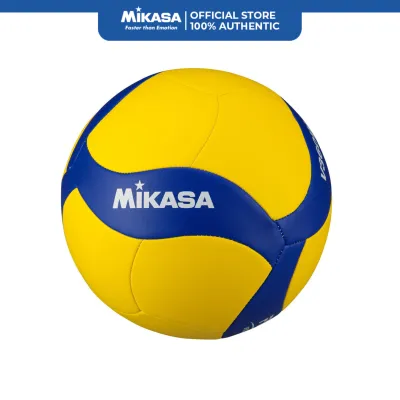
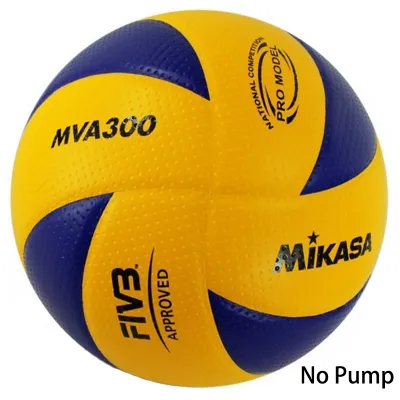
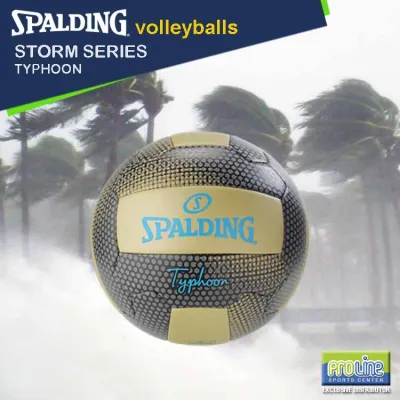
Prices are valid at publication and may change. Please refer to the product page for the latest price.
Material composition is the most significant point of divergence. Indoor volleyballs are typically made from premium composite leather or genuine leather. These materials are designed to absorb sweat from players’ hands, maintaining a reliable grip during intense rallies. However, if these absorbent materials are exposed to outdoor dirt, sand, or moisture, they quickly waterlog, lose their texture, and degrade.
Outdoor volleyballs are constructed from water-resistant synthetic materials or heavy-duty rubber. Beach volleyballs feature a soft, water-resistant synthetic leather cover that repels moisture and prevents the ball from becoming heavy and waterlogged. Balls designed for concrete street play utilize thick, abrasion-resistant synthetic covers or vulcanized rubber to withstand constant friction against rough ground.
Weight, size, and inflation pressure also differ to accommodate environmental factors. Indoor balls are slightly smaller and are inflated to a higher pressure, typically between 4.26 and 4.61 psi. This high pressure allows for fast, crisp handling and explosive spikes. Outdoor beach volleyballs are slightly larger and heavier, which helps them resist wind drift. They are inflated to a much lower pressure, usually between 2.5 and 3.2 psi, allowing players to make deep, controlled contact on the sand.
Finally, visibility dictates the color and panel design of the ball. Indoor balls often feature classic white panels or high-visibility color combinations like blue and yellow, which are optimized for indoor gym lighting. Outdoor balls utilize bright, high-contrast, or neon patterns designed to remain visible against bright sunlight, glare, and natural outdoor backgrounds.
Selecting the Right Indoor Volleyball for Gym Courts
When playing on polished wood or synthetic taraflex indoor courts, your primary focus should be on touch, grip, and flight consistency. Indoor volleyballs must deliver a predictable bounce and a soft feel on the forearms during passes. To achieve this, you must evaluate the cover material, weight specifications, and panel construction.

High-grade composite leather is the most common choice for modern indoor play. It offers a soft, cushioned feel right out of the box and excellent sweat absorption, which is particularly beneficial in humid indoor gyms where sweat on the ball can compromise control. Genuine leather is highly durable and offers an unmatched traditional feel, but it requires a break-in period to soften and can become heavy if it absorbs excessive moisture.
Before purchasing, verify that the ball meets standard indoor specifications. A standard indoor volleyball should have a circumference of 65 to 67 centimeters and a weight of 260 to 280 grams. Proper inflation is critical; always check the manufacturer’s recommended psi printed near the valve. Keeping the ball within the recommended 4.26 to 4.61 psi range ensures that it bounces consistently off the floor and responds predictably to sets and serves.
Panel construction also plays a vital role in how the ball feels and flies. Indoor volleyballs almost exclusively feature molded panels, where the cover material is glued to a lining wrapped around an inner bladder. This seamless construction creates a perfectly smooth surface, ensuring a uniform touch from any angle and a highly predictable flight path through the air.
Choosing an Outdoor Volleyball for Sand and Concrete
Outdoor play in tropical climates requires equipment that can withstand high humidity, sudden rain showers, intense UV exposure, and highly abrasive surfaces. Whether you are playing a competitive match on a sandy beach or a casual game on a concrete neighborhood court, your ball must be built to survive the elements.
For beach sand play, prioritize waterproof synthetic leather covers with stitched panels. Unlike molded indoor panels, stitched panels feature physical ridges that provide essential grip when the ball is covered in sand or sweat. The stitched construction also allows the ball to retain its shape and flexibility even when exposed to damp sand or coastal sea air.
If your primary court is a concrete or asphalt barangay court, standard beach volleyballs will quickly scuff, peel, and tear. For these highly abrasive surfaces, look for balls specifically labeled for street or outdoor play. These balls feature thick, high-abrasion synthetic covers or vulcanized rubber surfaces designed to withstand constant scraping against rough ground without losing their structural integrity.
Outdoor visibility and pressure management are also key considerations. Choose vibrant, high-contrast colorways that stand out against bright sunlight and outdoor surroundings. Additionally, remember that air expands in the heat; an outdoor ball left in the direct tropical sun can quickly over-inflate, putting strain on the seams. Always check and adjust the pressure to the recommended 2.5 to 3.2 psi for beach play, and store the ball in the shade when not in use.
Essential Specifications and Labels to Verify Before Purchase
To avoid purchasing the wrong type of ball, always inspect the product packaging, physical labels, or online specifications carefully. Do not rely solely on the visual design of the ball, as some outdoor balls are styled to look like indoor models.
First, look for explicit manufacturer designations such as “Indoor,” “Beach,” “Outdoor,” or “Street.” Avoid balls labeled with generic terms like “All-Weather” unless the product specifications explicitly detail the materials used. A true outdoor ball will clearly state that it features water-resistant materials or an abrasion-resistant cover.
If you plan to play in organized local leagues, school tournaments, or official club competitions, check for official federation approval stamps. Look for labels indicating approval by international governing bodies like the FIVB or local athletic associations. These stamps guarantee that the ball meets strict standards for weight, circumference, bounce, and roundness.
Examine the valve and bladder construction, which are critical for air retention in hot climates. Look for balls equipped with a butyl bladder, which retains air much longer than latex bladders under high temperatures. Additionally, a double-flanged or self-sealing valve is highly recommended for outdoor play, as it prevents sand, dirt, and dust from entering the bladder and causing slow leaks.
Finally, check the included accessories and warranty conditions. Some premium balls include inflation needles or specific care instructions. Verify the manufacturer’s warranty terms regarding bladder leaks or manufacturing defects, keeping in mind that standard warranties rarely cover surface wear and tear resulting from play on concrete or asphalt.
Condition-Based Shortlist: Matching the Ball to Your Environment
To simplify your decision, use this structured framework to match the playing surface to the correct ball specifications, ensuring you get the best performance and lifespan from your equipment.
- Polished Gym Courts (Wood or Taraflex): Select a ball with a high-grade composite or genuine leather cover, molded panels, and a butyl bladder. Maintain an inflation pressure of 4.3 to 4.6 psi. This setup maximizes touch, grip, and flight consistency for competitive indoor play.
- Beach Sand Courts: Choose a ball with a soft, water-resistant synthetic leather cover, stitched panels, and a double-flanged valve to keep out sand. Maintain a lower inflation pressure of 2.5 to 3.2 psi. This design resists moisture and wind while allowing for controlled hand sets.
- Concrete or Asphalt Courts: Opt for a heavy-duty synthetic leather or vulcanized rubber ball designed specifically for street play. Look for high-abrasion resistance and durable stitched or reinforced molded panels. This ensures the ball survives constant contact with rough ground.
Many players are tempted to buy “indoor/outdoor crossover” hybrid balls to save money. While these hybrid designs are convenient for casual, multi-surface recreational play, they involve significant trade-offs. They are typically too hard and stiff for comfortable indoor play, and they wear out much faster on concrete than dedicated street balls. If you play regularly, investing in two separate, environment-specific balls is more cost-effective in the long run.
Your budget should align with your playing frequency and skill level. For casual weekend games, a mid-tier synthetic ball offers an excellent balance of durability and comfort without a high price tag. For competitive training or league play, investing in a premium, federation-approved ball is necessary to match the exact touch and flight characteristics you will experience during official matches.
Frequently Asked Questions (FAQ)
Can I use an indoor volleyball for outdoor beach play?
No, using an indoor volleyball on a sandy beach is not recommended because it will quickly damage the ball. Indoor leather and composite covers are designed to absorb moisture, meaning they will absorb water from damp sand, causing the ball to become heavy, waterlogged, and misshapen. Additionally, sand will stick to the wet surface and act like sandpaper, scratching the cover, while direct UV rays can degrade the adhesives holding molded panels together.
How do I clean and maintain my volleyball after playing on concrete?
To clean your outdoor volleyball, wipe it down thoroughly with a soft, damp cloth after every game to remove dust, dirt, and concrete grit. Avoid submerging the ball in water or using harsh chemical detergents, as these can break down the synthetic cover materials and damage the panel adhesives. Always allow the ball to air-dry completely in a shaded, well-ventilated area away from direct sunlight or heat sources.
Why does my new volleyball feel too hard or too soft?
If your new volleyball feels incorrect, do not rely on touch alone; instead, verify the pressure using a reliable inflation gauge. Locate the recommended psi printed near the inflation valve and adjust the air level accordingly. If the ball was shipped flat, moisten the inflation needle with glycerin or soapy water before inserting it, inflate the ball slowly to allow the bladder to expand uniformly, and give the materials a few hours to settle before playing.

Community discussion
Share your experience or ask a question. Comments are reviewed before publication.