
When looking to buy a new bolla volleyball, the single most important decision you will make isn’t the brand or the color scheme—it is matching the ball to your specific playing surface. Whether you are setting up a casual match on a concrete barangay court, spiking over a net on the sandy shores of Batangas, or training under the bright lights of an indoor sports complex, the environment dictates how your ball behaves. Choosing the wrong type of ball not only ruins the quality of your play but also leads to premature wear, flat bladders, and wasted money.
To select the right volleyball, you must evaluate the surface texture, local weather conditions, and the age or skill level of the players. Indoor, beach, and outdoor recreational volleyballs are engineered with entirely different materials, weights, and internal pressures to optimize performance in their respective domains. By understanding these technical differences, you can invest in a ball that offers the perfect grip, a predictable flight path, and the durability to withstand the local climate.
Assess Your Playing Surface and Weather Conditions
Before browsing online marketplaces or visiting local sporting goods stores, take a moment to analyze where you play most of your matches. Volleyball is highly sensitive to its physical environment. The three primary settings—indoor hardwood or synthetic gym courts, sandy beaches, and outdoor recreational spaces like grass, concrete, or asphalt—each present unique challenges that require specialized equipment.
Products mentioned in this guide
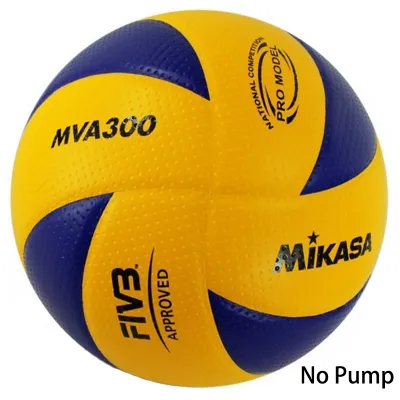
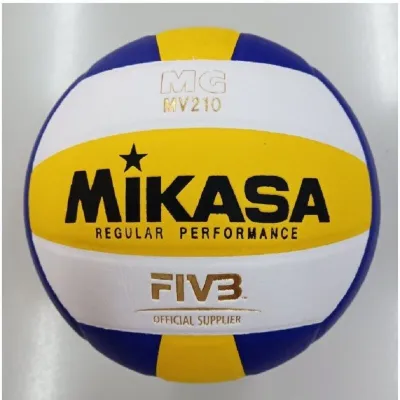
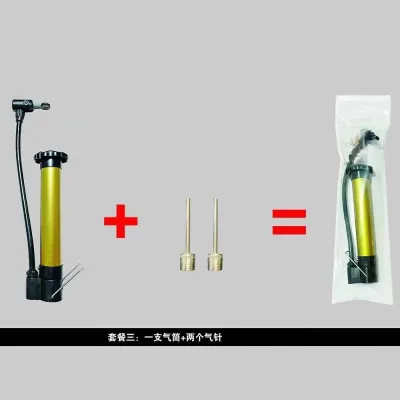
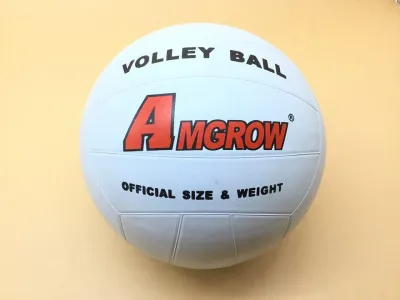
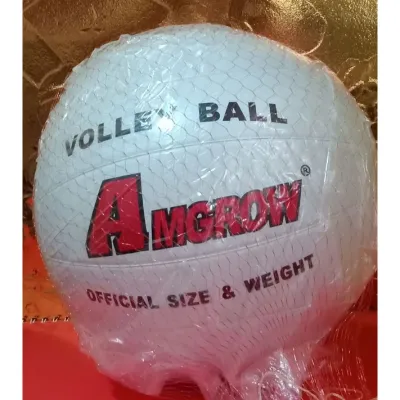
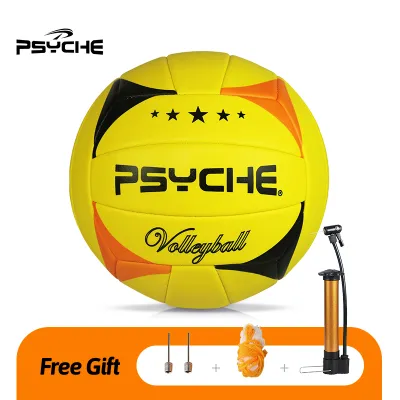
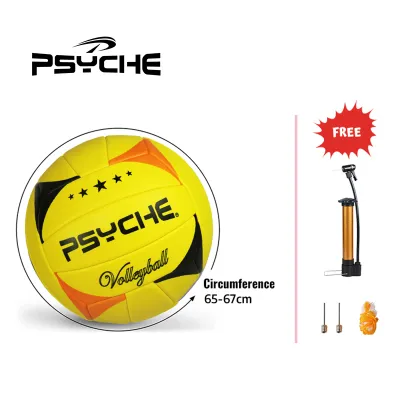
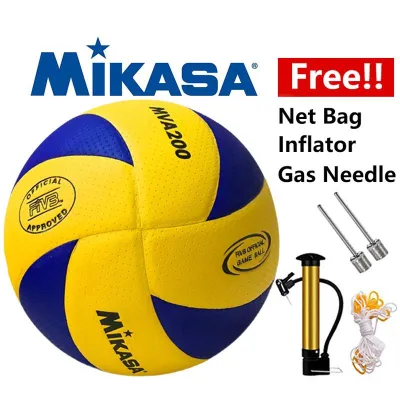
Prices are valid at publication and may change. Please refer to the product page for the latest price.
Surface friction is the first major variable. A smooth indoor court requires a ball that can grip the hands for precise sets but slide smoothly across the floor without picking up abrasive debris. Conversely, rough concrete or gravel surfaces will instantly scuff and tear delicate materials.
Weather conditions, particularly in a tropical climate like the Philippines, play a massive role in gear longevity. High humidity, intense sun exposure, and sudden rain showers can quickly ruin a high-end ball. Moisture causes certain materials to swell, absorb water, and double in weight, while extreme heat expands the air inside the bladder, risking structural warping. By prioritizing your most frequent playing location and understanding these environmental stressors, you can make an informed choice based on real-world utility rather than pure aesthetics.
Select an Indoor Bolla Volleyball for Gym and Hardwood Courts
Indoor volleyball is a game of high speed, rapid transitions, and pinpoint accuracy. To facilitate this level of play, an indoor bolla volleyball is engineered with a focus on touch, control, and consistent aerodynamics. If you primarily play inside indoor sports centers, school gymnasiums, or air-conditioned multi-purpose halls, a dedicated indoor ball is essential.

Material and Tactile Grip Indoor volleyballs are typically constructed from premium composite leather or genuine leather. Genuine leather offers unmatched longevity and a classic feel, though it requires a brief “break-in” period to soften up. High-grade composite leather, on the other hand, feels soft and ready for play right out of the box. These materials are designed to interact perfectly with dry, clean hands, providing the friction needed for setters to control the ball and for servers to apply spin.
Molded Panel Construction Unlike outdoor balls, indoor volleyballs feature molded panels that are glued or fused directly to an inner bladder. This seamless construction means there are no exposed threads or external stitching. The result is a perfectly smooth surface that minimizes air resistance, ensuring a stable, predictable flight path when floating a serve. Additionally, the lack of raised seams significantly reduces skin abrasion on your forearms during repeated digs and passes.
Internal Pressure and Playability Indoor balls are designed to be inflated to a relatively high pressure, typically between 4.26 and 4.61 psi (pounds per square inch). This high pressure makes the ball feel firm and responsive, allowing it to bounce cleanly off the hands and hardwood. The lighter weight and high bounce facilitate fast-paced rallies and explosive spikes.
Environmental Warning Because indoor balls are highly specialized, they are exceptionally fragile when taken outside. Never use a leather or premium composite indoor ball on concrete, asphalt, dirt, or wet sand. The abrasive nature of outdoor surfaces will instantly scratch, scuff, and peel the molded panels. Furthermore, leather is highly porous; if exposed to outdoor moisture or sweat-drenched sand, it will absorb water, become heavy, lose its shape, and eventually rot.
Pick a Beach Volleyball for Sand and Outdoor Elements
Beach volleyball is a completely different discipline, played in a dynamic environment where wind, intense sunlight, and moisture are constant factors. Whether you are playing competitive beach volleyball or enjoying a weekend game at a coastal resort, you need a ball specifically built to handle the elements.
Size, Weight, and Flight Dynamics At first glance, a beach volleyball might look identical to an indoor one, but it is actually slightly larger and lighter in hand. A standard beach volleyball has a circumference of 66 to 68 centimeters, compared to the 65 to 67 centimeters of an indoor ball. It is also inflated to a much lower pressure—usually between 2.5 and 3.2 psi. This lower pressure makes the ball softer, allowing players to get a deeper grip on it, which is crucial for controlling the ball in windy coastal conditions. The larger size and lighter feel slow down the ball’s flight, giving players more time to react and dig balls out of the sand.
Water Resistance and Material Composition Playing outdoors means dealing with sweat, sea spray, and high tropical humidity. Beach volleyballs are constructed from specialized water-resistant composite materials. These synthetic shells prevent water from seeping into the inner bladder. If a ball absorbs water, it becomes heavy and waterlogged, making it painful to hit and unpredictable in flight. High-quality beach balls maintain their official weight even after hours of exposure to humid air and damp sand.
Stitched Panel Construction While indoor balls are molded, beach volleyballs feature hand-stitched or machine-stitched panels. The raised seams created by stitching provide excellent finger grip, allowing players to handle the ball cleanly even when their hands are covered in sand or sweat. This textured surface also helps the ball cut through sea breezes, offering a more stable trajectory.
High-Visibility Color Schemes When playing under direct sunlight, tracking a plain white ball against bright sand or a cloudy sky can be incredibly difficult. Beach volleyballs are almost always designed with vibrant, contrasting color panels—typically combinations of bright yellow, deep blue, and clean white. These high-visibility designs help you track the ball’s spin and trajectory instantly, even in harsh glare.
Choose an Outdoor or Recreational Ball for Grass and Concrete
For many players in the Philippines, volleyball isn’t confined to polished indoor courts or sandy beaches. It is played in backyards, grassy parks, schoolyards, and concrete barangay streets. These highly abrasive, unpredictable environments demand a ball that prioritizes extreme durability over delicate touch.
Heavy-Duty Materials Recreational outdoor volleyballs are usually constructed from thick synthetic leather or heavy-duty vulcanized rubber. Rubber balls are virtually indestructible; they can bounce off rough concrete, scrape against metal fences, and land in thorny bushes without popping or peeling. Synthetic leather outdoor balls offer a slightly softer feel than rubber while still maintaining excellent tear resistance.
Durability vs. Performance Trade-off While outdoor recreational balls are built to last, they do come with performance trade-offs. These balls are generally heavier and stiffer than their indoor or beach counterparts. The thick outer shell and robust bladder mean they do not offer the same delicate touch, precise control, or soft impact on your forearms. If you are practicing advanced setting or high-speed spiking, a heavy recreational ball can feel clunky and may cause forearm bruising during long sessions.
Ideal Use Cases Despite the trade-offs, a durable outdoor ball is the best choice for casual backyard family gatherings, school physical education classes, or street games. If there is a high risk of the ball hitting gravel, asphalt, or sharp dirt, a rubber or rugged synthetic ball is the only option that won’t require a replacement after a single afternoon of play.
Verify Size, Weight, and Construction Before Buying
Once you have determined the right category of volleyball for your environment, you need to verify the physical specifications of the specific model you plan to purchase. Not all volleyballs are created equal, and checking these details ensures a safe, comfortable, and regulation-compliant playing experience.
Standard Sizes and Target Players Volleyballs generally come in two primary sizes:
- Official Size (Size 5): This is the standard size used by adults and teenagers (typically ages 12 and up). It has a circumference of 65 to 67 centimeters for indoor play and 66 to 68 centimeters for beach play.
- Youth/Junior Size: Designed for children under 12, these balls are slightly smaller (around 63 to 65 centimeters) and significantly lighter. Using a lighter youth ball is critical for younger players, as it prevents shoulder strain and wrist fatigue while they develop proper passing and serving techniques.
Weight and Pressure Verification Before inflating or playing, always check the recommended inflation pressure, which is typically printed directly on the ball near the inflation valve. Adhering to these limits is vital. Over-inflating a ball makes it rock-hard, which can cause painful bruising on players’ arms and wrists, and can also warp the panels or cause the seams to split. Under-inflation, on the other hand, deadens the bounce and ruins the flight path.
Valve Quality and Safety Inspect the inflation valve before making a purchase. High-quality volleyballs feature a recessed, self-closing rubber valve. The valve should sit perfectly flush with or slightly below the surface of the ball. A protruding or rough valve can scratch your skin during a pass or set, and cheap valves are prone to slow air leaks, requiring you to re-inflate the ball before every game.
Smart Purchasing Practices When shopping on online marketplaces, prices can range widely. Generally, budget-friendly rubber outdoor balls cost between ₱300 and ₱800, mid-range composite balls range from ₱1,000 to ₱2,000, and premium, match-grade indoor or beach balls can cost ₱2,500 to ₱5,000 or more. Always read user reviews carefully. Look specifically for feedback regarding long-term air retention, panel peeling, and how the ball holds up under local tropical weather. Avoid listings that seem unrealistically cheap for premium brand names, as these are often low-quality counterfeits that will deflate or warp within days.
Test and Maintain Your Volleyball for Longevity
A good volleyball is an investment, and proper care can extend its lifespan from a single season to several years. Follow these practical testing and maintenance steps to keep your ball in peak playing condition.
Initial Testing Upon Arrival When your new ball arrives, inflate it to the recommended pressure and perform two simple checks:
- The Drop Test: Hold the ball at eye level (about 1.8 meters) over a flat, solid floor and drop it. A properly inflated indoor ball should bounce back up to approximately waist height.
- The Spin Test: Toss the ball into the air with a clean, upward spin. Watch it closely as it rotates. A high-quality, well-balanced ball will spin smoothly without any visible wobble or lopsided drifting. If it wobbles dramatically, the internal bladder may be misaligned or warped.
Safe Inflation Best Practices Always use a dedicated ball pump and a clean, metal inflation needle. Before inserting the needle into the valve, lubricate it with a drop of glycerin, silicone oil, or even a bit of water. Inserting a dry needle can tear or push the rubber valve inside the ball, causing permanent air leaks. Insert the needle straight and slowly, and inflate the ball gradually while checking the pressure with a pocket gauge.
Cleaning and Storage Routines After playing, especially in humid or dusty environments, wipe down your volleyball with a soft, damp cloth and a mild dish soap solution. Never use harsh chemical solvents, abrasive scrubbers, or submerge the ball entirely in water, as moisture can seep into the seams and degrade the adhesive holding the panels together. Once clean, wipe it dry with a clean towel.
Store your volleyball in a cool, dry, well-ventilated space. Avoid leaving it in direct sunlight, on concrete floors, or inside a hot car trunk. In the Philippines’ tropical heat, temperatures inside a parked car can easily exceed 50°C. This extreme heat causes the air inside the ball to expand rapidly, which can rupture the internal bladder, stretch the outer panels, or melt the adhesives, permanently ruining your ball.
Frequently Asked Questions (FAQ)
Can I use an indoor volleyball for casual beach play?
No, it is highly discouraged. Indoor volleyballs are made of porous genuine or composite leather that readily absorbs moisture. If used on a beach, the ball will soak up sweat, sea spray, and humidity, becoming heavy, waterlogged, and painful to hit. Additionally, abrasive sand will quickly scratch the smooth molded panels and ruin the ball’s delicate surface.
How often should I check the air pressure of my volleyball?
You should check the air pressure before every single play session. All inflatable balls naturally lose small amounts of air over time due to microscopic seepage through the rubber bladder and valve. Temperature fluctuations—such as moving from an air-conditioned room to a hot outdoor court—will also cause the internal pressure to shift, altering how the ball bounces and feels.
What is the difference between a training volleyball and a match ball?
Training volleyballs are built primarily for durability and comfort during repetitive practice sessions, often featuring slightly thicker, softer covers to minimize forearm sting during drills. Match balls, however, are precision-engineered to meet strict official tournament standards for weight, size, and aerodynamics, prioritizing consistent flight paths and professional-grade tactile feedback over long-term ruggedness.

Community discussion
Share your experience or ask a question. Comments are reviewed before publication.