
Finding the right walking pad treadmill for a compact condominium requires balancing physical space constraints with your personal fitness goals. In a typical high-rise unit, every square meter matters, making traditional, bulky gym equipment impractical. To make the right choice, you must evaluate your available floor area, storage options, noise levels, and the physical dimensions of the machine. By focusing on these practical factors, you can maintain an active lifestyle at home without cluttering your living space or disturbing your neighbors.
Choosing a compact exercise machine is not just about finding a model that looks small online. It requires careful planning around your daily routine, the layout of your room, and the structural realities of condo living. By taking systematic measurements and understanding the trade-offs of different designs, you can select a machine that integrates seamlessly into your home.
Measure Your Condo Floor and Storage Boundaries
Before browsing any online marketplace, you must determine the exact physical boundaries of your workout zone. Start by measuring the floor space where you plan to use the walking pad. It is not enough to match the machine’s footprint to an empty spot; you must also account for furniture clearance, door swings, and safe walking margins. A good rule of thumb is to allow at least half a meter of clear space on both sides of the treadmill and at least one to two meters behind the belt to prevent injury in case of a slip.
Products mentioned in this guide
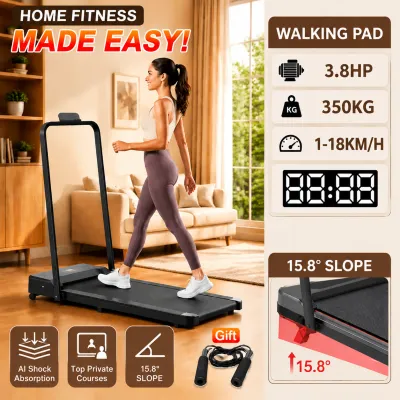
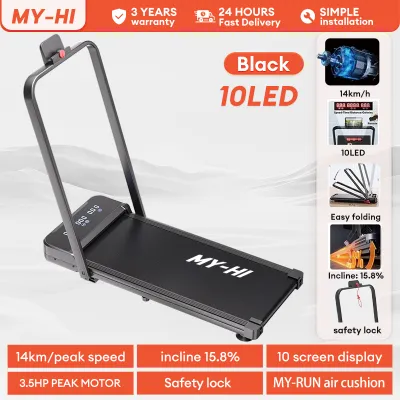
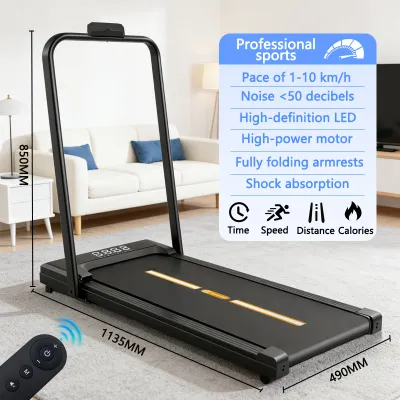
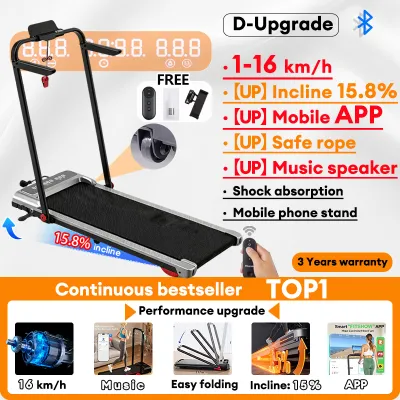
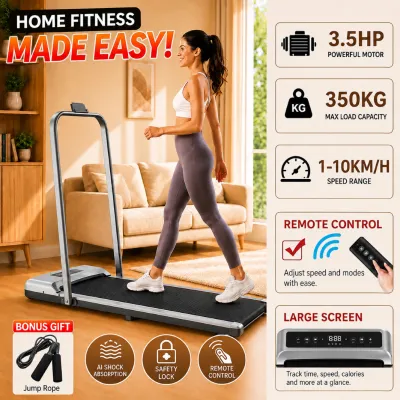
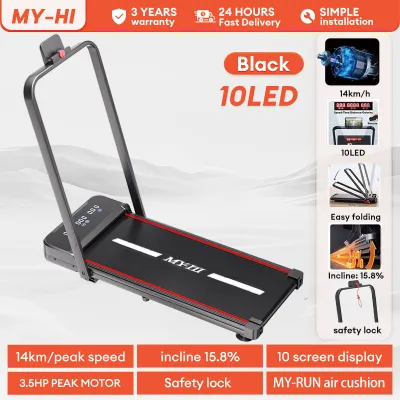
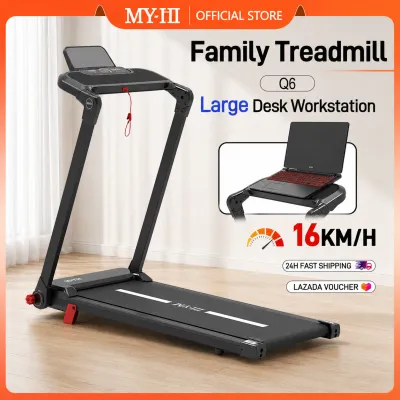
Prices are valid at publication and may change. Please refer to the product page for the latest price.
Next, consider the logistics of getting the machine into your unit. High-rise buildings often have narrow hallways, tight corners, and elevator weight and size limits. Measure your building’s elevator door, your condo’s main entryway, and any interior doorways the package must pass through. Checking the manufacturer’s boxed dimensions beforehand prevents the frustration of receiving a delivery that cannot fit through your front door or navigate your hallway.
Finally, identify where the machine will live when it is not in use. If you plan to store it horizontally, measure the vertical clearance under your bed or sofa to ensure the walking pad can slide underneath easily. If you prefer vertical storage, check the depth of your closets or the gap behind your doors. Ensure that any vertical storage spot is secure and that the floor surface is level, as an unstable upright machine poses a safety hazard in a busy household.
Balance Machine Footprint and Belt Size Trade-offs
Selecting a walking pad treadmill involves a direct trade-off between the machine’s physical footprint and the usability of its walking surface. A highly compact machine is easy to store, but it may feature a shorter and narrower belt. If the belt is too small, you may find yourself constantly looking down to avoid stepping off the sides, which ruins your natural walking posture and increases the risk of missteps.

Your height and stride length should dictate the minimum belt size you consider. Taller users with longer strides generally require a belt length of at least 120 centimeters to walk comfortably at higher speeds. For average-height users, a length of 100 to 110 centimeters is often sufficient for a standard walking pace. The width of the belt is equally important; a width of 40 centimeters or more provides a comfortable margin of error, allowing you to walk naturally without feeling restricted.
Additionally, you must verify the machine’s weight capacity relative to its structural stability. Compact walking pads often have lower weight limits than traditional treadmills due to their lightweight frames. Check the manufacturer’s specifications to ensure the machine can safely support your weight during motion. A frame that flexes or feels unstable under your weight will wear out the motor prematurely and create a noisy, uncomfortable workout experience.
Assess Foldability and Operational Clearances
Foldability is a key feature of walking pads, but not all folding mechanisms are designed the same way. Some models offer a fully flat, 180-degree double-fold design, allowing the deck to fold back on itself for maximum space savings. Other models only feature a folding upright handlebar, meaning the main deck remains flat and rigid. If you have extremely limited storage space, a double-folding model is highly practical, though it may come with a slightly higher price tag.
Operational clearances are also vital for safety and machine longevity. In the warm and humid climate of the Philippines, electronic appliances can overheat quickly if they lack proper ventilation. Ensure the motor housing at the front of the walking pad has several centimeters of open space around it to allow heat to dissipate. Never block the front vents of the machine with curtains, furniture, or storage boxes while in use.
Furthermore, consider the physical effort required to set up and put away the machine every day. Walking pads typically weigh between 20 and 40 kilograms. While most models include built-in transport wheels, rolling the unit across thick rugs, over door thresholds, or lifting it into a vertical position still requires physical strength. If the setup process is too physically demanding, you may find yourself leaving the machine out permanently, defeating the purpose of buying a space-saving model.
Match Motor and Noise Specs to Your Routine
In a shared-wall condominium, keeping the peace with your neighbors is a top priority. The noise generated by a walking pad comes from two main sources: the motor hum and the physical impact of your feet on the deck. To minimize disturbance, look for models equipped with brushless motors, which generally operate much more quietly and have a longer lifespan than traditional brushed motors.
When reviewing motor specifications, focus on the continuous horsepower (CHP) rating rather than the peak horsepower. For steady walking, a motor rating between 1.0 and 1.5 CHP is usually sufficient. If you plan to use the machine for light jogging or power walking, look for a motor closer to 2.0 CHP. A motor that is too weak for your usage will strain, generating excessive heat and a loud, high-pitched whining noise that can easily penetrate condo walls.
Speed ranges and control options also affect your daily routine. Most standard walking pads offer speed limits ranging from 0.5 to 6 kilometers per hour, which is ideal for working at a standing desk or watching television. If you want the flexibility to run, you will need a hybrid model that allows speeds up to 10 or 12 kilometers per hour when the safety handrail is raised. Ensure the control method—whether a handheld remote, a mobile app, or automatic foot-sensing technology—is responsive and easy to operate safely.
Avoid Common Space and Setup Mistakes
One of the most common mistakes condo owners make is ignoring the placement of power outlets. Walking pads require a grounded electrical outlet and should ideally be plugged directly into the wall. Avoid using thin, household extension cords, as they can overheat and pose a fire hazard. Ensure the power cord can reach the outlet comfortably without being stretched tight or creating a tripping hazard across your living room.
Another frequent error is placing the walking pad directly on bare tile or hardwood floors. This can cause the machine to slip during use, scratch your flooring, and amplify the vibration noise sent to the unit below. Always place a high-density rubber equipment mat under your walking pad. This simple addition absorbs impact, dampens sound, and prevents the machine from shifting while you walk.
Finally, check your condo association’s guidelines regarding home gym equipment and noise levels. Some buildings have strict rules about quiet hours or the types of appliances permitted in units. Taking the time to select a quiet machine and using proper sound-dampening accessories will ensure you can maintain your fitness routine without receiving complaints from your neighbors or building management.
Frequently Asked Questions (FAQ)
Can I use a walking pad on a carpeted condo floor?
Using a walking pad directly on a carpeted floor is not recommended. Thick carpet fibers can block the motor’s ventilation vents located on the underside of the machine, leading to overheating and potential motor damage. Additionally, carpet fibers can get sucked into the belt and roller mechanism, causing premature wear. To use a walking pad safely in a carpeted room, place a solid, non-slip equipment mat over the carpet to create a flat, stable surface that ensures proper airflow.
Do walking pads require assembly before bringing them inside?
Most walking pads are designed for quick setup and arrive almost fully assembled in the box. In most cases, you only need to slide the machine out of the packaging, unfold it, plug it in, and perform a quick belt alignment check. If the model includes a folding safety handlebar, you may need to tighten a few pre-installed knobs or bolts. Always check the package dimensions before ordering to ensure the box can navigate your condo building’s elevator and doorways.

Community discussion
Share your experience or ask a question. Comments are reviewed before publication.