
Selecting the right gear can make or break your daily runs, especially when navigating sudden tropical downpours or high-humidity mornings. A reliable waterproof running waist bag keeps your essential items dry, secure, and bounce-free, allowing you to focus entirely on your pace and form. Whether you are training for a marathon on local roads or enjoying a weekend trail run, finding a bag that matches your specific carrying needs is essential for a comfortable workout.
To make the right choice, you must balance storage capacity with weather protection and stability. A bag that is too small will force you to leave essentials behind, while an oversized, poorly fitted belt will bounce rhythmically against your hips, causing chafing and distraction. By analyzing what you carry, understanding material limitations, and evaluating fit, you can select a waist bag that serves as a seamless extension of your running gear.
Define Your Essential Carry Items
Before browsing online marketplaces or visiting a local sports store, lay out everything you plan to carry on your longest runs. Your carry list directly dictates the size, compartment layout, and material requirements of your ideal waist bag. Categorizing these items by their vulnerability to moisture and physical damage helps you understand how much protection you actually need.
Products mentioned in this guide
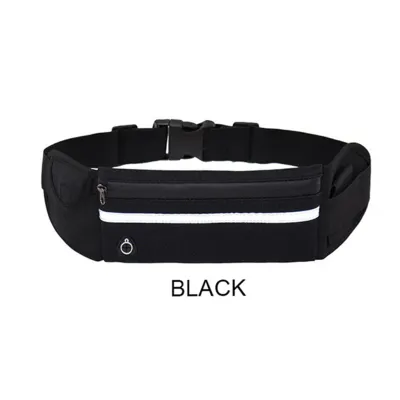
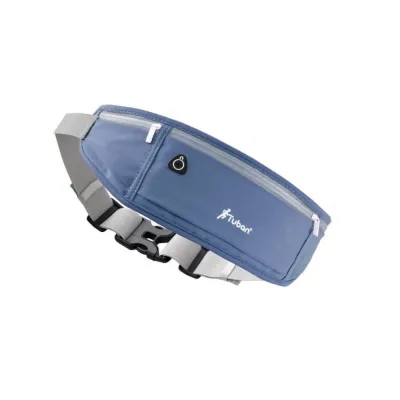
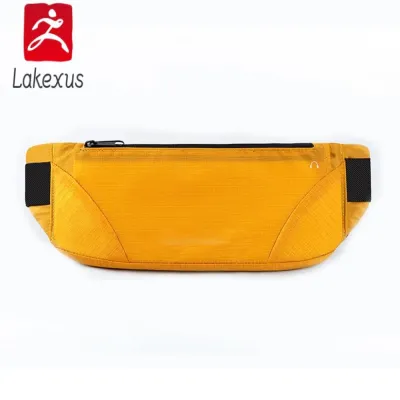
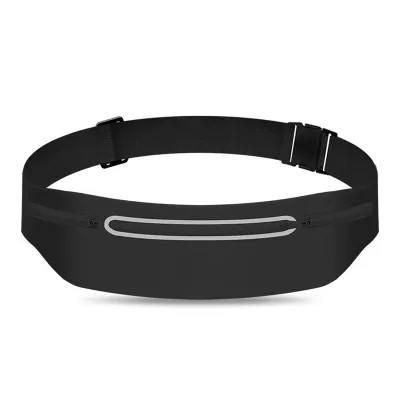
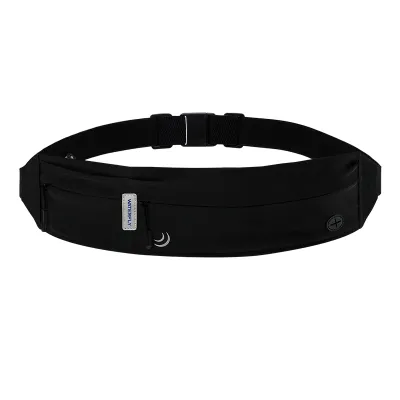
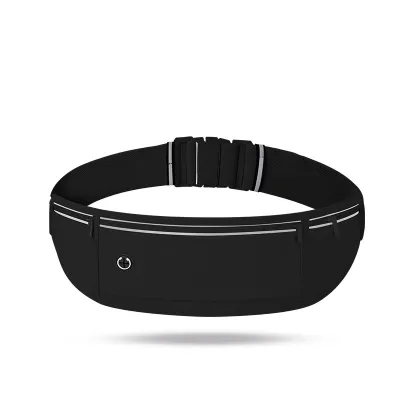
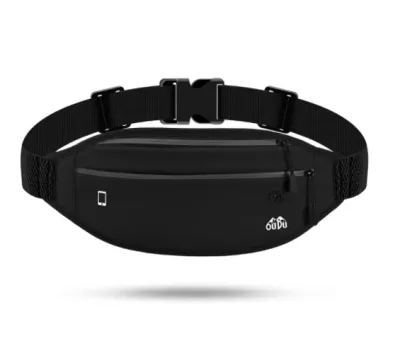
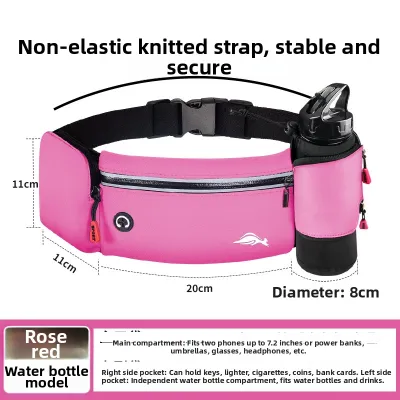
Prices are valid at publication and may change. Please refer to the product page for the latest price.
Electronics represent your most vulnerable and valuable cargo. Your smartphone, wireless earbud charging case, and electronic car key fobs are highly sensitive to water damage. In tropical climates, these items are not only threatened by sudden rain showers but also by the constant stream of salty, corrosive sweat that saturates your running apparel. These items require a dedicated compartment with a reliable waterproof barrier.
Paper currency and identification cards also require strict moisture protection. Carrying a few paper bills, such as ₱50 or ₱100 notes for emergency transport or convenience store stops, is a common practice for local runners. If these items are left unprotected, sweat can quickly turn paper currency into a soggy, unusable mess and smudge the printed details on your identification cards.
Nutrition and hydration items have different storage requirements. Energy gels, chew packets, and salt tablets are sealed in waterproof packaging, so they do not require dry storage. However, keeping them in an easily accessible, external pocket prevents you from having to open your main waterproof compartment mid-run, which would expose your dry electronics to rain or sweaty fingers.
Finally, hard hardware like house keys, gate keys, or small multi-tools do not require waterproofing, but they do require isolation. If stored loosely alongside your phone, keys can easily scratch screens, tear protective cases, or puncture energy gel packets. Identifying these items beforehand allows you to look for a bag with a dedicated key clip or a separate, secure pocket.
Verify Waterproof Labels and Material Limits
When shopping for running gear, the term “waterproof” is often used loosely. Many products labeled as waterproof are actually only water-resistant, meaning they can withstand a light drizzle but will fail during a heavy tropical downpour or under prolonged exposure to heavy sweat. Understanding material specifications allows you to verify these claims before making a purchase.

Look closely at the primary materials used in the bag’s construction. High-quality weather-resistant waist bags typically utilize nylon or polyester treated with a polyurethane (PU) coating, or thermoplastic polyurethane (TPU) laminated fabrics. TPU is highly impermeable, durable, and resists both water and sweat effectively. Neoprene is another common material; while it is soft and flexible against the skin, standard neoprene can absorb moisture over time and may transfer sweat to the interior unless it features an integrated internal barrier.
Even if the fabric itself is completely waterproof, water can easily penetrate through stitched seams and zipper teeth. High-performance waterproof bags feature welded or taped seams instead of traditional stitching, which seals the needle holes where water typically leaks in. Additionally, look for water-resistant zippers, which are recognizable by their rubberized or polyurethane-coated tracks that close tightly to seal out moisture.
Be realistic about the limits of your gear. Most waterproof running waist bags are designed to protect against rain and sweat, but they are not submersible. Unless a bag explicitly carries a certified IPX7 or IPX8 waterproof rating, you should never submerge it in water or wear it while swimming. If you anticipate heavy rain or deep water crossings on trail runs, placing your phone inside a simple zip-top plastic bag before sliding it into your waist bag provides an inexpensive, highly effective double layer of protection.
Match Capacity and Compartments to Your Gear
Once you have defined your carry list and verified material limits, evaluate how a waist bag organizes your gear. A single, large pocket might hold all your items, but it will allow them to jumble together, causing annoying rattling noises and potential damage. A well-designed waist bag features specialized compartments that keep your gear organized and silent.
Start with the phone compartment, as this is typically the largest and heaviest item you will carry. Measure your phone with its protective case on and compare these dimensions to the manufacturer’s pocket specifications. The pocket should hold the phone snugly against your body to prevent shifting. Some bags feature a clear, touchscreen-compatible window, allowing you to check your running app or change music tracks without removing the phone from its protective sleeve.
Dedicated key storage is a crucial feature for noise reduction and safety. Look for a waist bag that includes a separate, smaller pocket equipped with an internal key clip. Securing your keys to a clip ensures they remain anchored in place, preventing them from bouncing around, jingling with every stride, or falling out accidentally when you open the bag to retrieve other items.
For longer training runs, nutrition storage becomes a priority. Look for waist belts that feature external elastic loops or small, stretchy side pockets. These slots allow you to slide energy gels in and out quickly without breaking your running stride or fumbling with zippers. Keeping nutrition external also keeps the interior of your main pocket clean and free from sticky gel residue.
If you prefer to carry your own hydration, consider a waist bag designed to accommodate soft flasks. These specialized belts often feature an angled or horizontal holster that holds a 150ml to 500ml soft flask securely against your lower back. Ensure the holster includes an elastic retention loop to prevent the flask from slipping out as it empties and becomes more flexible during your run.
Evaluate Fit, Stability, and Adjustability
No matter how waterproof or spacious a waist bag is, it will remain unused if it is uncomfortable to wear. A bouncing waist bag can cause painful skin chafing, disrupt your running rhythm, and accelerate wear on the bag’s adjustment buckles. Evaluating the fit and stability of a belt is just as important as checking its storage capacity.
Pay close attention to the strap design and materials. Wide, elasticized straps are generally superior to thin, rigid nylon webbing because they distribute pressure more evenly across your hips and stretch slightly as your body moves. This elasticity allows the belt to remain snug without restricting your breathing or stomach expansion during deep inhalation. Look for heavy-duty, low-profile buckles or secure hook-and-loop fasteners that will not slip under tension.
The back panel—the side of the bag that rests directly against your body—should be designed for comfort and moisture management. A soft, breathable mesh backing helps channel air and minimize heat buildup, which is especially important in hot, humid conditions. Some manufacturers add silicone grippers or non-slip textures to the back panel to prevent the belt from riding up your torso or sliding around your waist as you run.
Sizing is not always universal, so check the manufacturer’s sizing guide carefully. While many waist belts offer a wide range of adjustment to fit most body types, some high-performance running belts are sold in specific sizes (such as XS, S, M, L, and XL) based on hip or waist measurements. To get an accurate measurement, use a flexible tape measure around the area where you prefer to wear the belt—either high on your natural waist or lower down on your hips.
Proper weight distribution is the final key to stability. When packing your waist bag, position the heaviest items, such as your phone or water flask, closest to your center of gravity. Wearing these heavy items flat against your lower back or centered on your lower abdomen minimizes the leverage they have to bounce or pull the belt downward, ensuring a smooth, stable ride.
Finalize Your Selection with a Decision Checklist
To ensure you choose the perfect waterproof running waist bag for your needs, use this step-by-step decision checklist before finalizing your purchase. This systematic approach helps you avoid common buying mistakes and ensures your new gear performs reliably on the road or trail.
- Step 1: Measure Your Phone: Measure your phone's length, width, and thickness with its daily protective case attached. Verify that the waist bag's main compartment dimensions can accommodate these measurements comfortably.
- Step 2: Audit Your Carry List: Lay out your keys, cards, cash, and nutrition. Ensure the waist bag has separate, dedicated compartments or clips to isolate keys from your phone and keep cash dry.
- Step 3: Inspect the Waterproof Features: Look for specific material callouts like TPU or PU-coated nylon. Check the product photos or descriptions to confirm the presence of taped seams and rubberized, water-resistant zipper tracks.
- Step 4: Verify the Sizing and Adjustability: Measure your waist or hip circumference where you plan to wear the belt. Compare this to the belt's adjustment range or specific size chart to ensure a snug, secure fit.
- Step 5: Assess the Backing and Straps: Confirm that the back panel features breathable mesh or non-slip elements, and that the strap is wide enough to distribute weight comfortably without digging into your skin.
By checking off each of these steps, you can confidently select a waterproof running waist bag that protects your valuables, fits comfortably, and stands up to the demanding conditions of your training runs.
Frequently Asked Questions (FAQ)
Can I wash a waterproof running waist bag in a washing machine?
No, you should avoid washing a waterproof running waist bag in a washing machine. The spinning action, harsh detergents, and high heat of a washing machine or dryer can quickly degrade the waterproof coatings, delaminate the taped seams, and damage the elasticity of the straps. Instead, hand wash your waist bag in cool water using a mild, additive-free soap. Gently wipe away sweat and dirt with a soft cloth, rinse thoroughly with clean water, and hang the bag to air dry in a shaded, well-ventilated area away from direct sunlight.
How do I prevent my phone from bouncing inside the waist bag?
To prevent your phone from bouncing, choose a waist bag with a snug, compression-style pocket that holds the phone flat and tight against your body. Adjust the belt strap so it fits firmly around your hips or waist; it should be tight enough to eliminate movement but loose enough to allow comfortable breathing. Position the heaviest part of the bag over your lower back or lower abdomen, as these areas experience the least vertical movement during your running stride. If the pocket is slightly too large, placing a small, folded microfiber cloth inside can fill the extra space and dampen any internal movement.

Community discussion
Share your experience or ask a question. Comments are reviewed before publication.