
Running in the Philippines presents a unique set of environmental challenges that can quickly ruin your essential electronics and personal items. Between sudden tropical downpours during the monsoon season and the intense, high-humidity sweat generated during a midday run, a standard fabric pouch is rarely enough to keep your gear dry. Finding the best waterproof waist belt bag requires looking beyond basic water-resistance claims to find gear that utilizes advanced materials, secure sealing mechanisms, and ergonomic designs. By focusing on how a bag handles moisture, fits your body, and organizes your gear, you can protect your smartphone and keys while maintaining a smooth, bounce-free stride on both paved city streets and muddy mountain trails.
Key Features to Look for in a Waterproof Running Waist Bag
To find a waist bag that can withstand heavy tropical rain, you must first understand the difference between materials that repel water and those that are completely impervious to it. Most standard running belts are made from nylon or polyester treated with a Durable Water Repellent (DWR) coating. While a DWR coating is sufficient for light drizzle or brief splashes, it eventually saturates under a heavy downpour or when soaked with continuous sweat. For true waterproof performance, look for bags constructed from Thermoplastic Polyurethane (TPU) or Polyvinyl Chloride (PVC). These materials form an impenetrable physical barrier that prevents water molecules from passing through the fabric, ensuring your items remain dry even during prolonged exposure to wet weather.
The method used to join the fabric panels is just as critical as the material itself. Traditional sewing methods use needles that puncture thousands of tiny holes along the seams, creating natural entry points for water under pressure. High-quality waterproof waist bags bypass this vulnerability by using heat-welded or radio-frequency (RF) welded seams. This process fuses the fabric edges together at a molecular level, creating a seamless, continuous bond that is completely airtight and watertight. If a bag does use stitched seams, verify that it features internal seam-sealing tape, which covers the needle holes with a waterproof adhesive strip to block moisture ingress.
Products mentioned in this guide
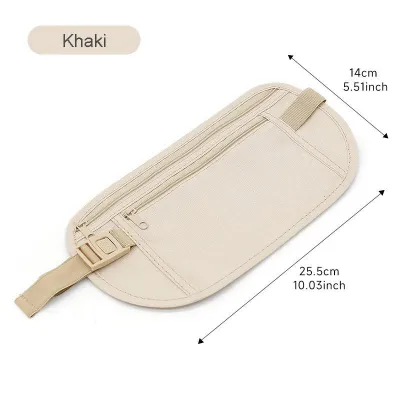
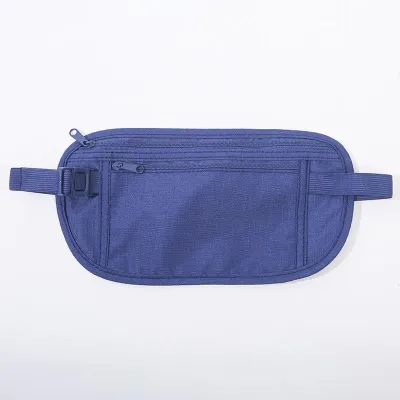
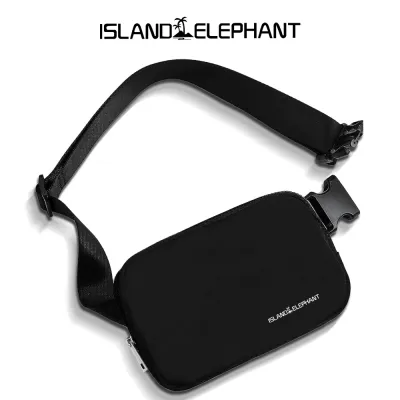
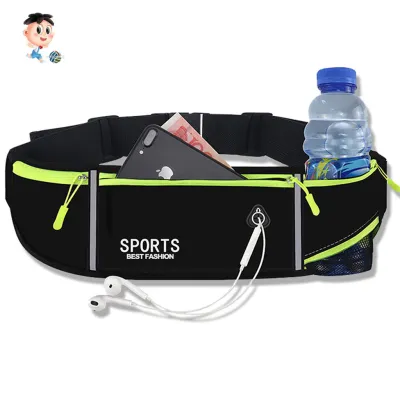
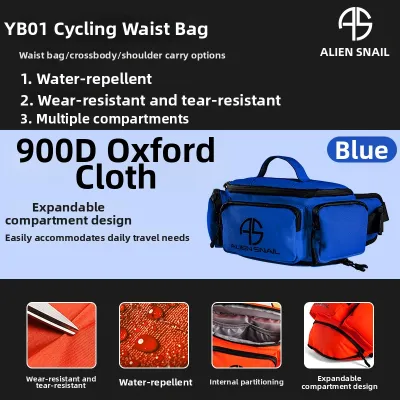
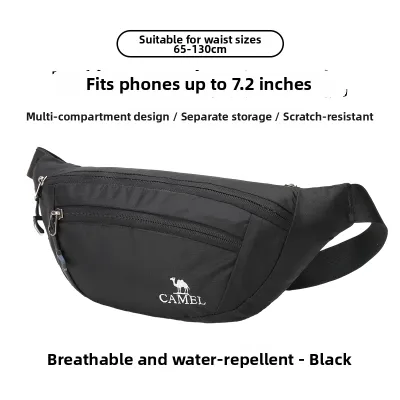
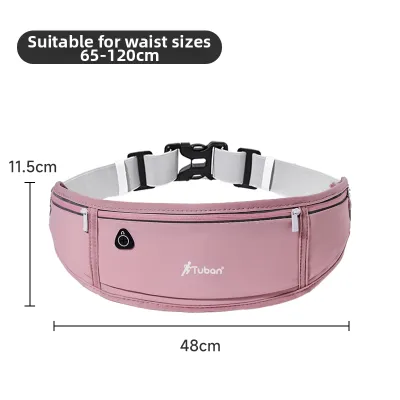
Prices are valid at publication and may change. Please refer to the product page for the latest price.
Finally, pay close attention to the closure mechanisms, as zippers are the most common failure points in wet conditions. Standard zippers allow water to seep directly through the teeth. Genuinely waterproof bags utilize specialized water-resistant zippers coated with a polyurethane laminate, or they employ a roll-top design. Roll-top closures require you to fold the opening of the bag down several times before securing it with a buckle, creating a highly reliable seal that completely blocks out rain, dust, and sweat.
Fit, Comfort, and Bounce Control for Active Runners
A waterproof waist bag is only as good as its performance on the move; if it bounces, chafes, or shifts constantly, it will quickly disrupt your running form. Achieving a secure fit starts with the belt’s elasticity and adjustability. The strap should be wide enough to distribute weight evenly across your hips or waist without cutting into your skin. Look for heavy-duty, adjustable tension buckles that lock the strap firmly in place, preventing the belt from loosening gradually as you run. Elasticity is beneficial for allowing your torso to expand during deep breathing, but excessive stretch can cause the bag to sag when loaded with a heavy smartphone or keys.

To minimize bounce during high-impact movement, look for bags with a contoured, low-profile shape that sits flush against the small of your back or the front of your hips. The distribution of weight is key: a wider, flatter pocket design keeps the center of gravity closer to your body, reducing the rotational forces that cause a bag to swing up and down. Additionally, many high-performance running belts feature grippy back panels lined with silicone patterns or textured materials. These elements grip your running apparel, preventing the bag from sliding upward toward your waistline during steep climbs or fast descents.
In the hot and humid climate of the Philippines, heat dissipation and chafing prevention are vital considerations for long-distance training. A solid plastic or TPU backing pressed directly against your skin or shirt will trap sweat, leading to severe friction and painful chafing. Opt for waist bags that feature a breathable, moisture-wicking mesh backing. This design allows air to circulate between your body and the bag, helping to evaporate sweat and keep your skin cool. Ensure that the edges of the belt are finished with soft, piping materials that will not rub against your waistline, especially when wearing lightweight, thin running singlets or shorts.
Capacity and Organization for Your Running Essentials
Balancing the storage capacity of your waist bag with its physical footprint is essential for maintaining an agile running experience. Before purchasing, you must verify that the main compartment is large enough to accommodate your specific smartphone model, especially if you use a bulky protective case. Look for bags that list their internal dimensions clearly, or those that feature flexible gussets. A flexible gusset allows the pocket to expand outward to accommodate larger items without increasing the overall surface area of the bag against your body.
For longer training runs where hydration is critical, consider how the waist belt integrates water storage. Some specialized running belts feature external elastic loops or dedicated angled sleeves designed to hold soft flasks. Soft flasks are ideal because they shrink as you drink, preventing the sloshing sound and shifting weight associated with rigid plastic bottles. If you plan to carry hydration, ensure the belt’s suspension system is robust enough to support the extra weight of the liquid—typically around 250 to 500 grams per flask—without sagging or bouncing excessively.
Organization within the bag is equally important to protect your gear from damage and allow quick access on the go. Storing your keys in the same pocket as your smartphone can easily scratch the screen or camera lens during high-impact movement. Look for waist bags that offer separate internal compartments, dedicated key clips, or external quick-access zones. These separate pockets allow you to isolate sharp items, store energy gels for easy retrieval mid-stride, and keep transit cards or cash readily accessible without risking other valuables falling out when you open the main zipper.
How to Verify Waterproof Claims Before You Buy
When shopping on online marketplaces or at local sporting goods stores, you will encounter many products labeled as “waterproof” without clear evidence to support the claim. Whether you are investing ₱500 or ₱2,500 in a premium running belt, you must learn how to verify these assertions systematically. The most reliable indicator of water protection is an Ingress Protection (IP) rating. An IP rating consists of two numbers; the second digit specifically measures liquid protection on a scale from 0 to 9. For running in heavy tropical downpours, look for a rating of at least IPX4, which protects against splashing water from any angle. If you anticipate running in torrential monsoon rains or want protection against accidental drops in deep puddles, aim for IPX6 (protection against powerful water jets) or IPX7 (temporary submersion in water up to one meter).
If a product does not list an official IP rating, you must scrutinize the manufacturer’s technical descriptions carefully. Avoid relying on vague marketing terms like “weather-resistant” or “rainproof.” Instead, look for explicit technical specifications, such as “heat-welded seams,” “TPU-laminated fabric,” or “waterproof zippers.” A manufacturer that invests in high-quality construction methods will typically highlight these details in their product specifications. If the description only mentions “water-resistant fabric” without discussing the seams or zippers, the bag is highly likely to leak through the stitching or zipper teeth during a sustained downpour.
Finally, leverage the experiences of other runners by analyzing user reviews on ecommerce platforms and running forums. Filter reviews to look for feedback from users who have tested the bag in real-world wet conditions, such as heavy rainstorms or long, sweaty marathon training sessions. Pay close attention to reports of moisture seeping through after an hour of running, or zippers failing after exposure to salt from sweat. If multiple users report that their phones were damp after a rainy run, it is a clear sign that the bag’s sealing mechanisms are insufficient for demanding tropical environments.
Matching the Waist Bag to Your Running Environment
Your choice of a waterproof waist belt bag should also align with the specific terrain and conditions of your regular running routes. For urban road running on paved streets or subdivision roads, your primary needs are a lightweight, sleek profile and high visibility. Since urban routes often involve running alongside traffic, prioritize waist bags that feature integrated reflective strips, high-visibility colors, or attachment points for small safety lights. A compact, low-profile bag is perfect for carrying just the essentials—your phone, cash, and an ID—without adding unnecessary bulk during fast-paced road workouts.
If your training takes you onto trail routes or off-road paths, your gear must be significantly more rugged. Trail running exposes your waist bag to abrasive branches, sharp rocks, and mud. For these environments, prioritize bags made from high-denier, abrasion-resistant fabrics like ripstop nylon coated with TPU. The closure system must be highly secure to prevent mud and dirt from clogging the zipper teeth or entering the main compartment during a fall. A roll-top closure or a zipper with a protective storm flap is highly recommended for trail runners who need to keep their gear clean and dry in unpredictable wilderness conditions.
For year-round training in the Philippines, managing the effects of the wet season is a constant priority. Persistent high humidity means that gear takes much longer to dry, which can lead to the growth of mold, mildew, and unpleasant odors. Choose waist bags made from quick-drying exterior materials that do not absorb water, allowing you to wipe them clean and dry them rapidly between runs. Regularly inspecting the seals and washing away accumulated sweat salt will ensure your waterproof waist bag remains a reliable partner through every tropical storm and intense training session.
Frequently Asked Questions (FAQ)
Is water-resistant the same as waterproof for running bags?
No, water-resistant and waterproof indicate very different levels of protection. Water-resistant bags are typically made of standard fabrics treated with a temporary surface coating that repels light moisture, such as a brief drizzle or minor sweat. However, under sustained heavy rain or heavy sweat, the fabric will eventually saturate, and water will seep through the stitched seams and standard zippers. Waterproof bags, on the other hand, use completely impermeable materials like TPU and feature welded seams and specialized seals that prevent water from entering, even during prolonged exposure to torrential downpours or brief submersion.
How do I clean and maintain a waterproof waist bag after sweaty runs?
To preserve the integrity of your waterproof waist bag, you must clean it gently after sweaty runs to prevent salt buildup from damaging the seals and fabrics. Hand-wash the bag by rinsing it in cool, fresh water; you can use a mild, non-detergent soap if necessary to remove odors. Avoid using harsh detergents, bleach, or fabric softeners, as these chemicals can strip away protective coatings and degrade welded seams. Never place the bag in a washing machine or a clothes dryer. Instead, open all compartments and hang the bag to air-dry completely in a shaded, well-ventilated area away from direct sunlight and high heat sources.

Community discussion
Share your experience or ask a question. Comments are reviewed before publication.