
Flying a white kite offers a timeless, minimalist appeal that stands out beautifully against the vibrant blue skies of the Philippines. Whether you are planning a family weekend at a windy beach in Batangas, exploring the open spaces of a local park, or enjoying the steady breezes in rural fields, a white kite provides a clean, striking silhouette. For many families, a plain white kite also serves as an exciting creative canvas, allowing children to personalize their flying toy with fabric markers or paint before taking it to the skies. However, choosing the right white kite for kids involves much more than simply picking an attractive design.
To ensure a successful and frustration-free flying experience, parents and guardians must look closely at the kite’s structural design, material durability, and safety features. The ideal choice depends heavily on the child’s age, physical strength, and the specific wind conditions of your flying location. A kite that is too large or complex can quickly become difficult to manage, while a poorly constructed model may fail to launch or break after a single rough landing. This guide provides a comprehensive framework to help you evaluate and select a safe, stable, and durable white kite that will bring hours of outdoor joy to your children.
Understanding Kite Shapes and Flight Stability
The shape of a kite is the single most important factor determining how easily it launches, how stable it remains in the air, and how much effort is required to keep it flying. For children, who are still developing their hand-eye coordination and patience, selecting a highly stable shape is essential to prevent frustration.
Products mentioned in this guide
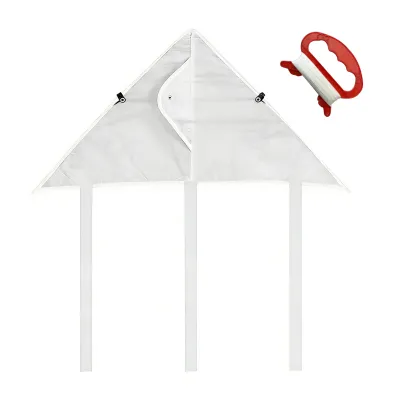
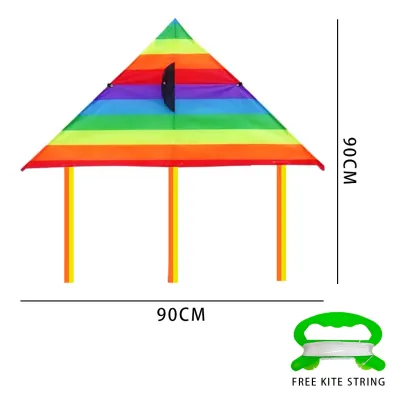
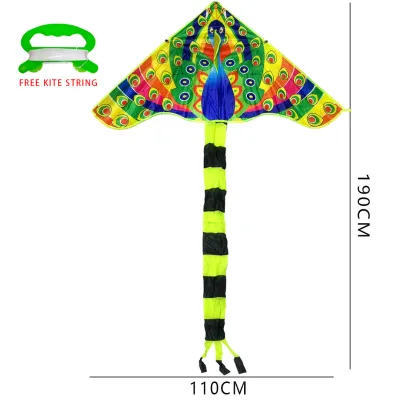
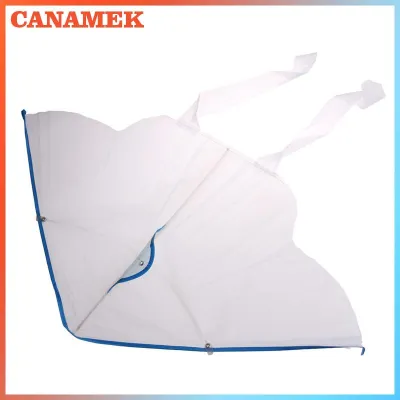
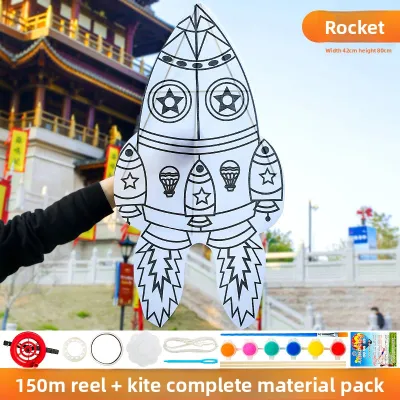
Prices are valid at publication and may change. Please refer to the product page for the latest price.
Delta kites are widely considered the best choice for beginners and young children. Featuring a triangular shape with a wide wingspan, delta kites generate excellent lift and can fly easily in light to moderate breezes. Their design allows them to adapt naturally to shifting wind directions, making them incredibly forgiving for novice flyers. In many cases, a delta kite will practically launch itself out of a child’s hand with just a gentle toss into the wind.
Diamond kites represent the classic, traditional kite silhouette. While they are highly recognizable, they require a tail to maintain balance and prevent spinning. A diamond kite is excellent for steady, predictable winds, but it can become unstable and dive unexpectedly if the wind is gusty or if the tail is too short or light. If you choose a diamond shape, ensuring the tail is properly proportioned is key to keeping the flight smooth and controlled.
Parafoil kites are completely frameless and operate much like a pocket parachute. Because they have no rigid rods, they are virtually indestructible and can survive hard crashes onto sand, grass, or dirt without any risk of breaking. They are also highly portable, folding down into a small pouch that fits easily into a beach bag. However, parafoils require steady, stronger winds to keep their air chambers inflated, and they can be more challenging to launch in light breezes compared to framed delta kites.
When selecting a kite for kids, single-line designs are always preferred over dual-line stunt kites. Single-line kites require only simple tension management, allowing a child to focus on the basic joy of watching the kite soar. Dual-line kites require coordinated, two-handed steering to perform tricks, which can easily overwhelm younger children and lead to high-speed crashes that damage the equipment or pose safety risks to bystanders.
Finally, pay close attention to the kite’s tail. The tail is not merely decorative; it adds essential drag at the bottom of the kite, keeping the nose pointed upward into the wind. A longer, heavier tail stabilizes the kite in stronger winds, while a shorter, lighter tail is better suited for gentle breezes. Many high-quality white kites come with detachable or adjustable tails, allowing you to fine-tune the balance based on the day’s weather.
Evaluating Frame and Sail Materials
A kite’s durability and flight performance depend heavily on the materials used in its frame and sail. Because children’s kites are subjected to frequent crashes, rough handling, and the intense tropical climate of the Philippines, evaluating these components before purchasing is crucial.

The frame, or spar system, provides the kite with its structural shape. Fiberglass rods are the industry standard for high-quality children’s kites. Fiberglass offers an exceptional balance of flexibility and strength, allowing the frame to bend and absorb the impact of hard landings without snapping. Carbon fiber is another premium option; it is incredibly light and rigid, which improves low-wind performance, but it is significantly more expensive and generally unnecessary for casual play. Wooden dowels, while traditional and eco-friendly, are highly prone to snapping and splintering when they hit the ground, making them less suitable for younger children who are still learning to control their flights.
The sail material, or skin, must be lightweight yet tough enough to resist tearing. Ripstop nylon is the gold standard for kite sails. This fabric is woven with a special reinforcing grid pattern that prevents small punctures or snags from spreading into large, ruinous tears. Polyester is another excellent choice; it is highly durable, holds its shape well under tension, and offers superior resistance to UV degradation from the intense Philippine sun. Avoid cheap plastic films or thin paper sails, as they tear easily under moderate wind pressure and rarely survive more than a single afternoon of play.
When examining product specifications, look for reinforced construction details. High-quality kites feature double-stitched seams along the edges and reinforced pockets where the frame rods insert into the sail. The nose of the kite, which takes the brunt of most nose-dives, should have extra layers of heavy-duty fabric or protective rubber caps. These small design details prevent the rigid frame rods from wearing through or puncturing the sail over time, ensuring the kite remains airworthy for many seasons.
Additionally, consider the impact of tropical humidity and salt air if you plan to fly your kite near coastal areas. Metal connectors and metal swivel clips can rust quickly when exposed to salty sea breezes. Opt for kites that utilize high-strength plastic connectors, composite fittings, and knot-based bridle attachments, which are completely immune to corrosion and require minimal maintenance after a day at the beach.
Matching Kite Size to Age and Wind Conditions
Selecting the right kite size is a balancing act between the child’s physical capabilities and the aerodynamic forces generated by the wind. A kite that is too small may struggle to fly in light breezes, while a kite that is too large can generate an unsafe amount of pull for a young child.
For toddlers and preschoolers aged three to five, small kites with a wingspan between 50 and 80 centimeters are ideal. These compact kites generate very little aerodynamic pull, making them easy for small hands to hold without the risk of being dragged or losing their footing. At this age, the primary goal is simple interaction, and a lightweight, small kite ensures they can enjoy the experience safely.
For young children aged six to nine, medium-sized kites with a wingspan of 80 to 120 centimeters offer a more satisfying flight experience. These kites are large enough to catch gentle breezes easily, yet they remain manageable in moderate winds. Children in this age group have developed the physical strength and coordination to handle the moderate pull these kites generate, allowing them to practice basic line management and launching techniques.
Older children and teenagers aged ten and above can comfortably handle larger kites with wingspans of 120 to 150 centimeters or more. These larger models have a greater surface area, allowing them to fly beautifully in very light winds. However, because a larger surface area catches more wind, these kites can generate significant pull when the wind speed increases.
It is vital to understand the relationship between kite surface area and wind speed. As wind speed doubles, the force exerted on the kite increases fourfold. An oversized kite flown in strong coastal winds can quickly become difficult or painful to hold. The high tension on the line can cause painful friction burns if the line slips through a child’s fingers, or it can pull a smaller child off balance. Always supervise children closely and choose a kite size that matches their physical weight and strength, rather than simply opting for the largest model available.
Safety Features and Line Management
Kite flying is generally a safe and wholesome outdoor activity, but it does carry inherent risks if proper safety features and line management practices are ignored. Prioritizing safety before you head out to fly ensures a fun, injury-free experience for the whole family.
First, inspect the kite’s frame for protective features. All rod ends should be blunt and covered with secure plastic or rubber caps. Exposed, sharp fiberglass tips can cause painful scratches during assembly or puncture the sail fabric during a crash. The bridle—the system of strings that connects the kite to the flying line—should be securely knotted and free of fraying.
Line selection and management are critical to preventing injuries. Standard polyester or braided dacron lines are highly recommended for children’s kites. Avoid extremely thin, wire-like nylon lines or high-strength fishing lines, as these can act like sharp blades under tension and cause deep cuts or friction burns. For younger children, look for flying lines that are pre-wound on ergonomic, child-friendly hoop winders or easy-grip spools. These winders allow kids to pay out and reel in the line smoothly without getting their fingers tangled in loose string.
Keep line lengths reasonable for children. A line length of 30 to 50 meters is usually more than enough for a satisfying flight while keeping the kite within a manageable recovery distance. Longer lines increase the risk of tangles with other kites, trees, or structures, and make it much harder to regain control if the wind suddenly shifts.
Before launching any kite, perform a thorough safety sweep of your flying location. The area must be completely open and free of overhead power lines, tall trees, busy roads, and crowded groups of people. Never fly a kite near electrical posts or cell towers, as a wet or conductive kite line touching a power line poses a severe risk of electrocution. In the Philippines, tropical weather can change rapidly; if you hear thunder or see dark rain clouds approaching, pack up the kite immediately. Wet kite lines can conduct static electricity from the atmosphere, making flight during a storm extremely dangerous.
Navigating Online Marketplaces and Verifying Product Claims
When shopping for a white kite for kids on e-commerce platforms, navigating the sea of listings requires a critical eye. Because you cannot physically handle the product before buying, you must rely on smart filtering and verification strategies to ensure you receive a high-quality, durable item.
Start by reading user reviews carefully, focusing on practical feedback rather than simple star ratings. Look for reviews that mention how easy the kite is to assemble, whether the instructions are clear, and how well the materials hold up after a few crashes. Pay close attention to any complaints about missing parts, such as connector clips or the flying line itself, as these are common issues with low-cost online listings.
Be highly skeptical of exaggerated marketing claims. Listings that promise “unbreakable” frames, “indestructible” sails, or “hurricane-proof” performance are almost always misleading. No kite is completely immune to damage if flown in extreme conditions or crashed repeatedly onto hard surfaces. Instead, look for listings that provide clear, technical specifications, such as “ripstop polyester sail” and “flexible fiberglass frame rods.”
Compare price points in Philippine Pesos (₱) to gauge realistic quality. A basic but reliable children’s kite kit typically ranges from ₱200 to ₱800. Extremely cheap options priced under ₱100 often use thin, fragile plastic sails and low-grade plastic frames that are highly prone to breaking on their very first flight. Investing slightly more in a kite made from ripstop fabric and fiberglass will save you money and disappointment in the long run.
Additionally, verify what accessories are included in the purchase. A complete, ready-to-fly kit should include the kite sail, the frame rods, a pre-wound spool with a suitable flying line, and a storage bag. Some premium kits also include spare connector clips or a colorful tail. Finally, always check the seller’s overall rating and their return policy. Purchasing from a highly rated seller with a clear return policy ensures you have recourse if the kite arrives with manufacturing defects or missing components.
Frequently Asked Questions (FAQ)
Can a white kite be flown in low-wind conditions?
Yes, a white kite can certainly fly in low-wind conditions, but its success depends heavily on its shape and weight. For gentle breezes ranging from 6 to 11 kilometers per hour, a lightweight delta kite with a wide wingspan is the best choice, as its aerodynamic shape generates maximum lift. To optimize low-wind performance, ensure the kite is constructed from lightweight materials like ripstop nylon and thin fiberglass rods. You can also improve flight in light winds by removing heavy decorative tails or accessories, which reduces the overall weight the breeze must lift.
How do I clean and store a white kite to prevent yellowing?
To keep a white kite looking bright and pristine, gently wipe the sail with a soft, damp cloth and mild, highly diluted soapy water after use. Avoid using harsh detergents, bleach, or abrasive scrubbers, as these can strip away the protective UV coatings on nylon or polyester fabrics. Always allow the kite to air-dry completely in a shaded area before packing it away. Storing a damp kite in a closed bag will trap moisture, leading to mold, mildew, and unsightly yellow stains—a common issue in the humid Philippine climate. Store the dry kite in a cool, dark place away from direct sunlight to prevent UV-induced yellowing over time.
What should I do if the kite frame snaps during a flight?
If a frame rod snaps, immediately bring the kite down and inspect the damage. Do not attempt to fly a kite with a broken frame, as splintered fiberglass or wood can cause deep cuts to hands or puncture the sail fabric. Check if your kite kit included spare rods; if not, you can easily find universal replacement fiberglass rods of matching thickness on online marketplaces. If the break occurred at a plastic connector joint or if the sail fabric is severely torn at a major stress point, it is usually safer and more practical to replace the entire kite to ensure structural safety during future flights.

Community discussion
Share your experience or ask a question. Comments are reviewed before publication.