
Roller skating is an exciting, high-impact sport that offers an excellent cardiovascular workout and a sense of freedom. However, before stepping onto the pavement, absolute beginners must recognize that equipment cannot replace proper training, balance practice, and personal safety judgment. Roller skating carries inherent risks of falls and joint strain, meaning your first sessions should always focus on learning how to balance, glide, and stop safely in a controlled environment. Knowing your physical limits, performing pre-ride gear checks, and choosing the right venue are critical steps before you ever begin rolling.
In tropical climates like the Philippines, outdoor skating presents unique environmental challenges. Humid weather, sudden afternoon rain showers, and uneven concrete surfaces on local barangay courts or public plazas require careful gear selection. Wet pavement drastically reduces wheel traction and can ruin your skate bearings, making dry conditions a primary safety requirement. When searching for your first pair of loler skate shoes, focusing on specific structural features will help you stay safe, comfortable, and in control as you build your skills.
Quad vs. Inline Skates: Which Style Fits Your Goals?
Choosing between quad skates and inline skates is the first major decision for any beginner. Quad skates feature four wheels arranged in a two-by-two configuration, creating a wide, rectangular wheelbase. This design offers excellent lateral stability when you are standing still, making them highly popular for roller dance, rink skating, and casual cruising. Because they feel like a stable platform underfoot, many beginners find quads less intimidating during their very first try.
Products mentioned in this guide
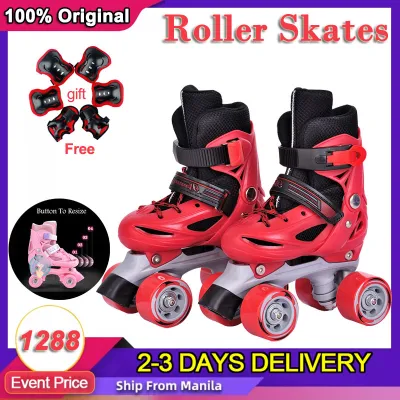
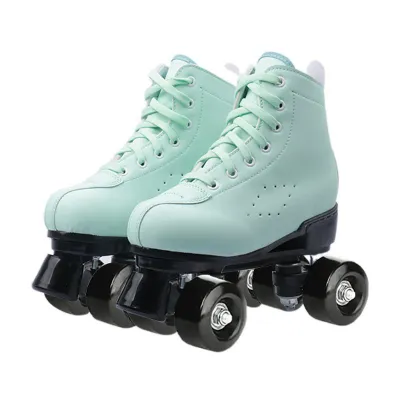
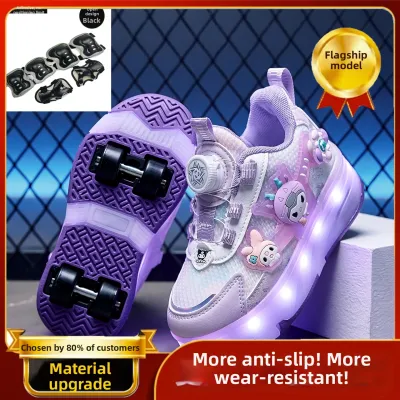
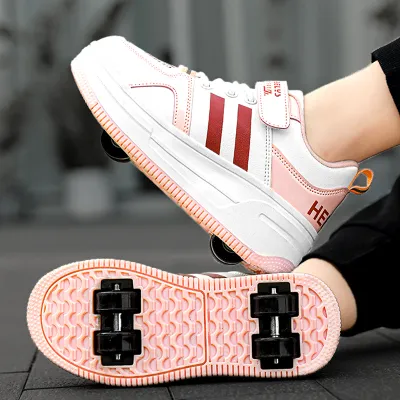
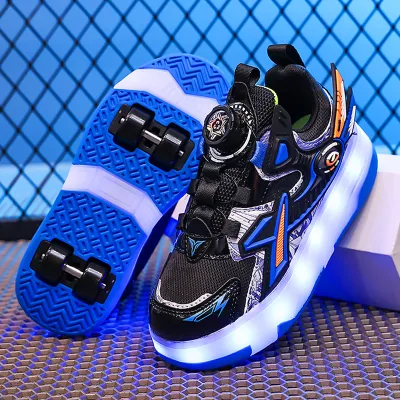
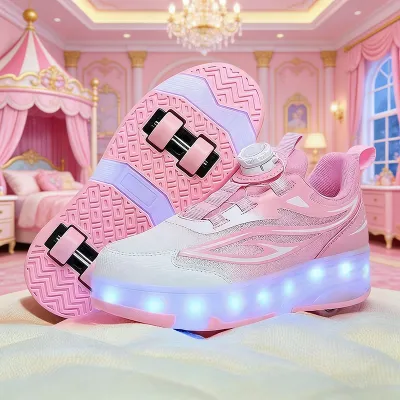
Prices are valid at publication and may change. Please refer to the product page for the latest price.
Inline skates, often referred to as rollerblades, feature wheels arranged in a single straight line along a central frame. This configuration provides superior front-to-back stability and allows for longer, more efficient glides. While inlines require more initial ankle strength to prevent your feet from rolling inward, they are generally much easier to maneuver over outdoor obstacles. The longer frame and narrower profile allow inline skates to roll over small pebbles, cracks, and rough asphalt with far less resistance than quad skates.
Your choice should align with where you plan to skate and your personal fitness goals. If you intend to skate primarily on smooth indoor rinks, polished concrete, or flat outdoor plazas, quad skates offer a classic, rhythmic experience. If your goal is outdoor fitness, long-distance skating, or navigating local neighborhood streets with varied pavement quality, inline skates are often more practical. Consider your local venues, such as public parks or sports complexes, and choose the style that matches the terrain you will encounter most frequently.
Boot Construction: Finding the Right Ankle Support and Comfort
The construction of the skate boot directly impacts your stability, control, and overall comfort. Beginner skates generally fall into two categories: hard shell boots and soft boots. Hard shell boots feature a rigid plastic outer casing paired with a thick, removable padded liner. This design provides maximum impact protection and exceptional lateral ankle support, which is highly beneficial for beginners whose ankle muscles are not yet fully developed. The rigid structure prevents the ankle from twisting or pronating, reducing fatigue during longer sessions.

Soft boots, on the other hand, are constructed from lightweight, breathable synthetic fabrics and mesh, resembling a reinforced running shoe. While soft boots offer immediate comfort, flexibility, and superior ventilation in hot, humid weather, they provide significantly less ankle support. For absolute beginners, a lack of structural support can lead to unstable ankles, poor balance, and an increased risk of sprains. If you choose a soft boot, verify that it features a reinforced plastic cuff around the ankle to compensate for the flexible fabric.
In tropical environments, moisture management inside the boot is a key comfort factor. Intense humidity and physical exertion lead to sweaty feet, which can cause painful friction blisters and unpleasant odors. Look for skates with removable fabric liners that can be easily pulled out, washed, and air-dried after each use. Additionally, check the closure system: a combination of traditional laces, a mid-foot power strap, and a top locking buckle provides the most secure, customizable fit to keep your foot locked in place.
Wheels, Bearings, and Brakes: Setting Up for a Safe Start
The components beneath the boot dictate how your skates interact with the ground, affecting your speed, grip, and stopping ability. Skate wheels are measured by diameter (size in millimeters) and durometer (hardness rated with an ‘A’ scale). For beginners, wheel selection should match your primary skating venue. Softer wheels, rated between 78A and 82A, are essential for outdoor skating on rough concrete or asphalt. These wheels deform slightly over small bumps, absorbing vibrations and maintaining a reliable grip on the ground.
Conversely, harder wheels, rated 85A to 95A or higher, are designed for smooth indoor wooden floors or polished concrete rinks. Using hard wheels outdoors will result in intense, uncomfortable vibrations that can quickly fatigue your legs and cause you to lose balance on minor debris. Wheel size also matters: beginners should look for smaller wheels (58mm to 62mm for quads; 76mm to 80mm for inlines). Smaller wheels keep your center of gravity lower to the ground, making it much easier to maintain your balance and control your speed.
Bearings are rated using the ABEC scale, which measures manufacturing tolerances. While higher ratings like ABEC-7 or ABEC-9 roll with minimal friction, absolute beginners are safer starting with moderate-speed bearings, such as ABEC-5. A moderate roll speed prevents the skates from slipping out from under you too quickly while you are still mastering basic balance. Finally, never skate without a reliable braking system. Quad skates must have a front-mounted toe stop, preferably adjustable so you can customize the distance between the stopper and the ground. Inline skates should feature a secure heel brake on the rear of the right or left skate, which allows for controlled, upright stopping.
Sizing and Fit: How to Ensure Your Roller Skate Shoes Are Secure
Achieving a proper fit is the most critical factor in preventing foot pain, blisters, and loss of control. Many beginners make the mistake of buying skates that are one or two sizes too large, believing the extra room will provide comfort. In reality, a loose skate allows your foot to slide around inside the boot, leading to severe friction blisters, heel lift, and a complete lack of control over your edges. Your loler skate shoes must fit snugly, acting as an extension of your feet.
To find your correct size, do not rely solely on your standard street shoe size, as skate sizing varies significantly between brands. Instead, measure your feet in millimeters by placing your heel against a wall and tracing the longest part of your foot. Compare this measurement to the manufacturer’s specific sizing chart. When trying on skates, perform the snugness check: your toes should gently brush the front of the toe box when you stand straight, but when you bend your knees into a proper skating stance, your toes should slide back slightly, leaving just enough wiggle room.
Additionally, check for heel lift by lacing up tightly and attempting to lift your heel inside the boot. If your heel rises more than a few millimeters, the skates are too large or the heel pocket is too wide for your foot shape. For growing children or families sharing gear, adjustable-size skates are a practical option, allowing the toe box to slide forward or backward across several sizes. For adults, however, a fixed-size skate is highly recommended to ensure maximum structural integrity and optimal power transfer.
Essential Safety Gear to Pair With Your First Skates
No beginner skate setup is complete without a full set of protective gear. Because roller skating is a high-risk activity, falls are an inevitable part of the learning process. Wearing high-quality safety gear not only minimizes the risk of severe injury but also builds the confidence you need to practice new skills. A complete beginner package should include a certified helmet, wrist guards, knee pads, and elbow pads. Beginner skate packages typically range from ₱3,000 to ₱7,000, and investing in quality safety gear should always be factored into your budget.
Your helmet must be certified to meet safety standards, such as CPSC or EN 1078, which verify its ability to absorb high-impact forces. Ensure the helmet covers the back of your head, as backward falls are common when learning to balance on wheels. The helmet should fit snugly and sit level on your forehead, without rocking back and forth when you shake your head. Wrist guards are arguably the most critical piece of protective gear for skaters, as the natural human instinct during a fall is to reach out with open hands. Wrist guards feature rigid plastic splints that prevent hyperextension and allow your hands to slide safely along the pavement.
Knee and elbow pads should feature durable, hard plastic caps that slide upon impact, dispersing the force of a fall rather than transferring it directly to your joints. Before every skating session, perform a quick inspection of your safety gear. Check the plastic caps for deep cracks, ensure the hook-and-loop straps retain their elasticity, and inspect the inner foam for signs of compression. If your helmet sustains a significant impact during a hard fall, replace it immediately, as the internal protective foam is designed to degrade after a single major crash to protect your skull.
Frequently Asked Questions (FAQ)
How often should beginners replace their skate wheels?
Beginners should inspect their skate wheels regularly for signs of uneven wear, flat spots, or reduced traction. Over time, wheels tend to wear down more on the inside edges due to the natural pushing motion of skating, a process known as coning. If left unaddressed, coned wheels can compromise your stability and grip. To extend the lifespan of your wheels, practice rotating them—swapping the front wheels with the back wheels and flipping them so the worn edges face outward. If you notice deep flat spots from heavy braking or if the wheel diameter has shrunk significantly, it is time to replace them.
Can I use indoor roller skates for outdoor riding?
Using indoor roller skates on outdoor surfaces is not recommended unless you swap the wheels first. Indoor skates typically feature hard wheels (90A or higher) designed to glide smoothly on wood or polished concrete. If you take these hard wheels onto rough outdoor asphalt or concrete, you will experience intense, fatiguing vibrations, and the lack of grip can cause you to slip on minor debris. To transition your indoor skates for outdoor use, replace the hard wheels with soft outdoor wheels (78A to 82A). Additionally, outdoor skating exposes your bearings to dust, dirt, and moisture, so be sure to clean and lubricate your bearings regularly to prevent them from seizing.

Community discussion
Share your experience or ask a question. Comments are reviewed before publication.