
Eliminating the persistent, sour smell from your boxing gloves requires a disciplined combination of immediate physical drying, targeted deodorizers, and consistent post-training habits. In tropical climates like the Philippines, where high humidity and warm temperatures are constant, keeping sports gear fresh is a daily challenge. Sweat quickly saturates the inner lining of your gloves, and without prompt care, bacteria will multiply rapidly. By establishing a structured maintenance routine, you can protect your hands, extend the lifespan of your equipment, and ensure your gear remains hygienic.
To successfully tackle glove odor, it helps to understand why these specialized pieces of equipment are so prone to smelling bad in the first place. Addressing the root causes allows you to choose the most effective drying and deodorizing methods for your specific training style.
Why Do Boxing Gloves Develop a Persistent Odor?
Boxing gloves are designed to protect your hands and your sparring partners from high-impact forces, but their protective construction also makes them highly susceptible to trapping moisture. The core of a modern boxing glove consists of dense, layered, closed-cell foam. While this foam is excellent for shock absorption, it does not breathe easily. During an intense training session, your hands sweat heavily inside the glove. This moisture, along with skin oils and dead skin cells, quickly saturates the fabric lining and gets trapped in the deep crevices of the inner compartment.
Products mentioned in this guide
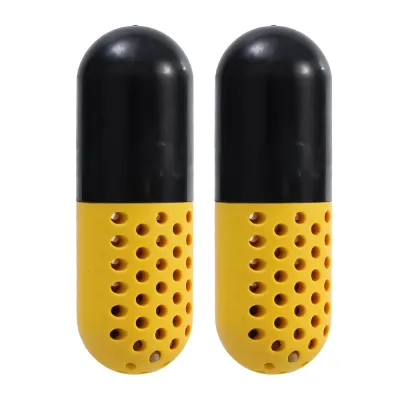
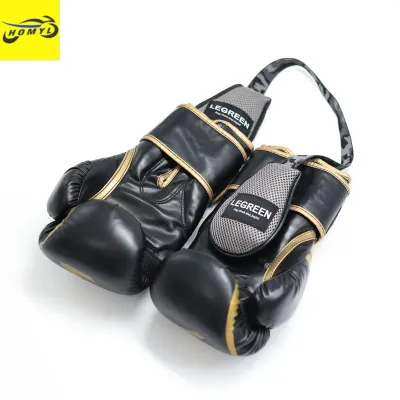
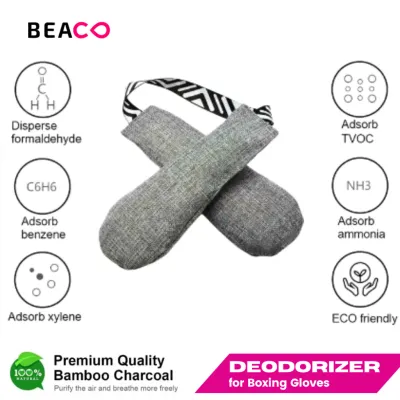
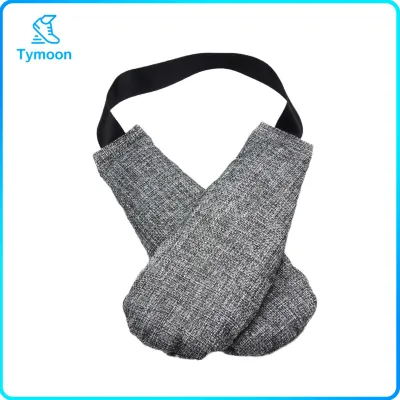
![[COD] EHBqna SPORT Boxing Gloves Deodorizer Portable Indoor For Football Gloves Bowling Gloves Flax Smell Deodorant Drying Charcoal Pack](https://img.lazcdn.com/g/p/735db94afb110e57fa5f28f84c94767e.jpg_400x400q80.jpg_.webp)
Prices are valid at publication and may change. Please refer to the product page for the latest price.
When you finish training and toss your damp gloves into a zipped gym bag, you create an ideal environment for microorganisms to thrive. Bacteria and fungi flourish in dark, warm, and humid spaces. As these microbes feed on the organic matter left behind by your sweat, they multiply rapidly and release volatile organic compounds. These compounds are the source of the pungent, sour smell that can quickly ruin a premium pair of gloves. Once bacteria colonize the deep layers of the foam, removing the odor becomes significantly more difficult.
Immediate Steps to Dry and Air Out Smelly Gloves
Before applying any glove deodorizer, you must remove the moisture trapped inside the hand compartment. Attempting to mask odors in wet gloves with sprays or perfumes often results in an even more unpleasant scent and does nothing to stop bacterial growth. Your first step after every workout should always be a thorough physical drying process.

Start by wiping down both the interior and exterior of your gloves immediately after taking them off. Use a clean, dry microfiber cloth to reach as far down into the finger pocket as possible. Press the cloth against the inner lining to absorb as much surface sweat and moisture as you can. This simple step removes a significant portion of the dampness before it can soak deeper into the foam padding.
Next, place your gloves in a well-ventilated area at room temperature to air-dry. You can prop the wrist cuffs open using clean plastic bottles or clips to maximize internal airflow. It is crucial to avoid exposing your gloves to direct sunlight, radiators, or high-heat hair dryers. While heat dries moisture quickly, excessive heat will dry out and crack genuine leather, warp synthetic materials, and degrade the internal foam structure, permanently ruining your gloves.
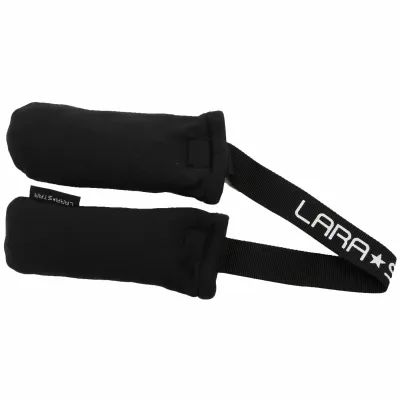
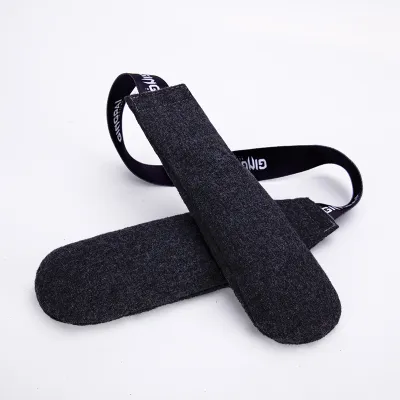
To accelerate the drying process safely, you can insert highly absorbent materials into the hand compartments. Crumpled, unprinted packing paper or clean newspaper works exceptionally well to draw out residual dampness from the finger tips. Alternatively, you can invest in reusable moisture-wicking glove inserts filled with natural clays or silica gel, which are specifically designed to absorb moisture without heat.
Choosing and Using a Glove Deodorizer
Once your gloves are physically dry, using a dedicated glove deodorizer will help neutralize remaining odor molecules and keep your gear smelling fresh. When shopping for a deodorizer, you will generally choose between natural absorption inserts and commercial chemical sprays or powders. Each option has distinct advantages depending on your preferences and glove materials.
Natural deodorizers, such as flannel pouches filled with cedar wood chips or activated charcoal, are highly popular among combat sports athletes. Cedar wood naturally absorbs small amounts of residual moisture while releasing a clean, pleasant scent that neutralizes sour odors. Activated charcoal inserts do not add any fragrance but are incredibly efficient at trapping and locking away odor-causing molecules. These inserts are simply slipped into the gloves after drying and left there until your next training session.
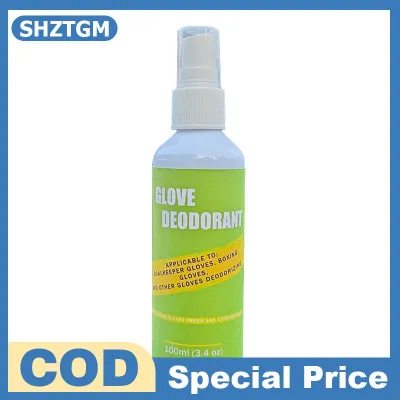
Commercial deodorizing sprays and powders offer a more active approach to sanitizing your gear. Many of these products contain specialized antimicrobial agents designed to target and eliminate odor-causing bacteria on contact. However, before using any commercial spray, you must check your glove manufacturer’s care instructions. Some alcohol-based formulas can dry out genuine leather or break down the adhesives used in synthetic linings.
When applying a commercial spray, use a light, even mist inside the hand compartment rather than soaking the material. If you prefer using a deodorizing powder, ensure it is formulated specifically for athletic gear so it does not clump when exposed to sweat. Always allow the gloves to dry completely after applying any spray or powder. Putting your hands into damp, chemically treated gloves can cause skin irritation, rashes, or contact dermatitis during training.
Daily and Post-Training Habits to Prevent Odor
Consistency is the key to keeping your boxing gloves fresh over the long term. Implementing a few simple habits into your daily training routine will prevent moisture and bacteria from building up, saving you from having to deal with severe odor issues later on.
Your most effective line of defense against glove odor is a clean pair of hand wraps. Hand wraps do more than support your wrists and knuckles; they act as a highly absorbent barrier. A quality pair of cotton or semi-elastic wraps will soak up the majority of your hand sweat before it ever reaches the inner lining of your gloves. To keep this system working, you must wash your hand wraps after every single training session. Wearing dirty wraps transfers accumulated bacteria directly back into your gloves, undoing all your cleaning efforts.
Make it an absolute rule to remove your gloves from your gym bag the moment you finish training. Leaving damp gloves in a closed, dark bag for even a few hours accelerates bacterial growth. If you must transport your gear, use a breathable mesh bag that allows air to circulate. Once you get home, immediately take the gloves out and place them in your designated drying area.
If your glove manufacturer’s care guide explicitly permits it, you can occasionally wipe the inner lining with a mild, alcohol-free antibacterial wipe. This helps sanitize the surface and keep bacterial populations in check. However, always verify this compatibility first, as harsh chemicals can strip the protective coatings on synthetic leather or dry out genuine leather linings.
When to Stop DIY Deodorizing and Replace Your Gloves
While regular maintenance can dramatically extend the life of your gear, boxing gloves do not last forever. There comes a point when home remedies and deodorizers are no longer effective, and continuing to use the gloves poses a risk to your health and safety.
If your gloves emit a strong, foul odor that returns almost immediately after they get warm during training—even after thorough drying and deodorizing—the bacteria have likely colonized the deep, inaccessible layers of the foam core. At this stage, the gloves are a breeding ground for microbes that can cause skin infections on your hands or transfer to your face during sparring. For your own hygiene and that of your training partners, it is time to retire them.
Additionally, inspect your gloves regularly for physical signs of deterioration. If you notice visible mold growth inside the compartment, cracking or peeling exterior material, or shifting and crumbling internal padding, they must be replaced. Damaged padding can no longer absorb impact forces correctly, which greatly increases the risk of hand, wrist, or facial injuries during sparring.
When trying to save a heavily soiled pair of gloves, never resort to extreme measures like putting them in a washing machine or submerging them in a tub of water. These aggressive cleaning methods will completely destroy the internal foam structure, break down the structural adhesives, and void any manufacturer warranty. If gentle, surface-level cleaning and proper drying no longer work, the safest and most responsible choice is to invest in a new pair.
Frequently Asked Questions (FAQ)
Can I put my boxing gloves in the washing machine to remove odors?
No, you should never put boxing gloves in a washing machine. The combination of complete water submersion and the mechanical agitation of the wash cycle will destroy the internal foam padding, warp the outer shell, and break down the structural adhesives. This damage is irreversible and renders the gloves unsafe for training. Instead, stick to surface wiping, thorough air drying, and using dedicated glove deodorizers to maintain hygiene safely.
How often should I apply a glove deodorizer?
The frequency depends on your training volume, how heavily you sweat, and the type of deodorizer you use. Natural inserts like cedar or charcoal pouches should be placed inside your gloves after every single training session once you have wiped them down. For commercial deodorizing sprays or powders, a light application once or twice a week is usually sufficient for moderate training. Always remember that deodorizers are meant to supplement, not replace, the essential physical drying and airing-out process after every workout.

Community discussion
Share your experience or ask a question. Comments are reviewed before publication.