
Finding a reliable basketball under ₱500 in the Philippines is entirely possible if you know what to look for and where to compromise. In a country where basketball is a daily passion played on concrete barangay courts, street corners, and driveways, having an affordable yet durable ball is essential. While you will not get the premium composite leather used in professional leagues at this price point, a well-chosen budget ball can deliver excellent performance for casual games and solo practice. The key is focusing on durable materials, verifying physical specifications, and avoiding common online shopping traps. By understanding the limitations of this price bracket, you can make an informed decision that keeps you on the court without breaking the bank.
Setting Realistic Expectations for a ₱500 Budget
When shopping with a strict budget of ₱500, managing your expectations is the first step toward a satisfying purchase. At this price point, the market is dominated by rubber basketballs rather than the composite or genuine leather models seen in professional leagues. Attempting to find a high-end leather ball for under ₱500 will almost certainly lead to counterfeit products that degrade after a single game. Rubber is not a downgrade; rather, it is the most practical choice for the rugged playing conditions found across the Philippines.
Accepting certain compromises is necessary when buying a budget-friendly basketball. The grip on a ₱500 ball will feel firmer and more plasticky compared to the soft, moisture-absorbing feel of premium indoor balls. The bounce might also feel slightly stiffer, requiring precise inflation to achieve a natural feel during dribbling. Additionally, the seams on budget balls are often shallower, which can slightly affect your finger placement during shooting practice.
Products mentioned in this guide
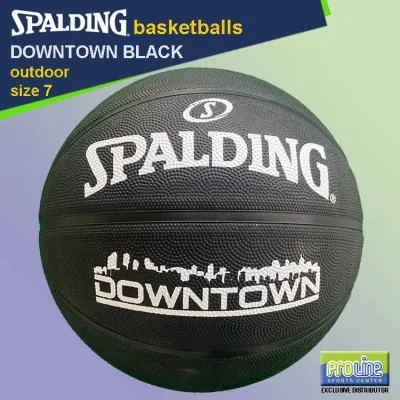
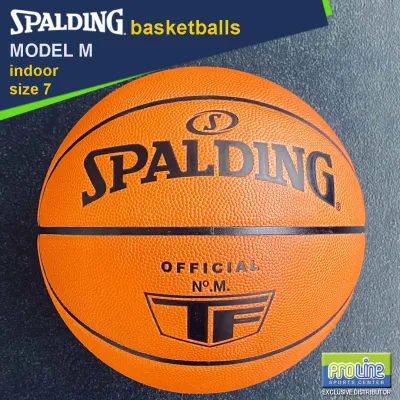
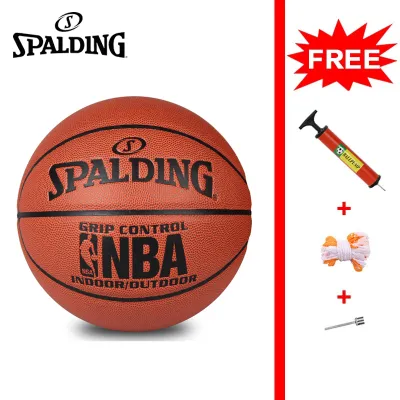
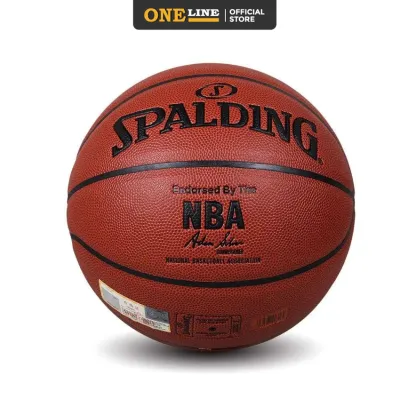
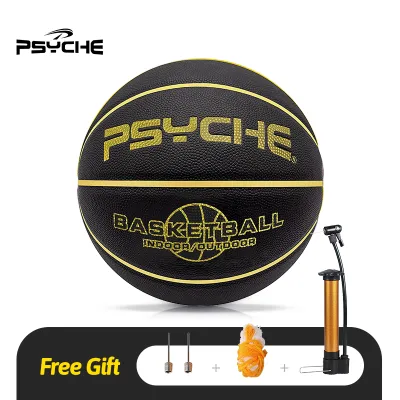
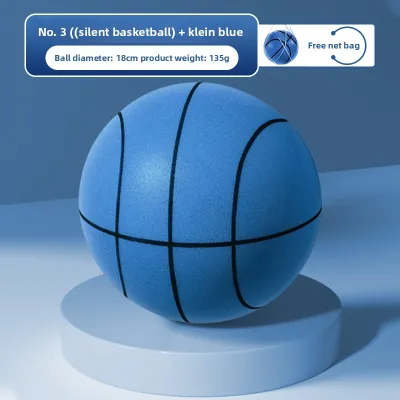
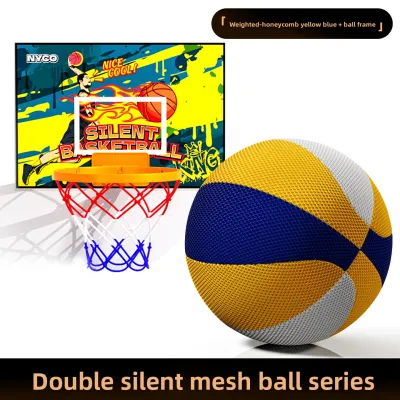
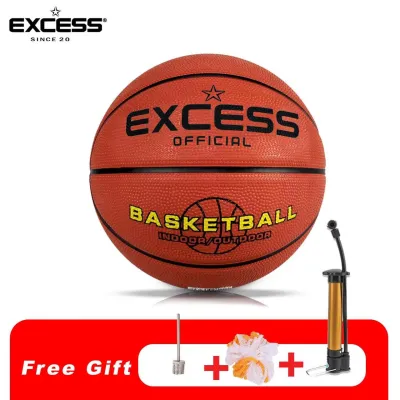
Prices are valid at publication and may change. Please refer to the product page for the latest price.
However, there are several non-negotiable features that you should never compromise on, even at this low price. The ball must be perfectly round without any visible warping or lopsidedness that could ruin its flight path. It must also meet standard weight specifications so that practicing with it actually helps develop your muscle memory. Finally, the ball must be capable of holding air consistently over several days of active play, as a ball that deflates overnight is practically useless.
Essential Specifications to Verify Before Purchase
To ensure your budget basketball is a functional piece of sports equipment rather than a cheap toy, you must verify its physical and structural specifications before finalizing your purchase. Many low-cost options look identical in online photos, but their physical performance can vary wildly. Taking a few moments to check the technical details will save you from the frustration of a poor-performing ball.

Start by checking the manufacturer’s printed specifications directly on the ball’s surface. Reliable budget brands will clearly print the official size, recommended inflation pressure, and material composition on the rubber casing. If these details are missing or look poorly stamped, it is a strong indicator of substandard manufacturing. Additionally, inspect the inflation valve closely; it should be flush with the surface and securely sealed to prevent air leaks.
Choosing the Right Material for Your Court
The surface where you play most of your games should be the primary factor in deciding which basketball material to buy. In the Philippines, most casual games take place on outdoor concrete, asphalt, or rough dirt courts. These abrasive surfaces will quickly destroy delicate materials, making material selection a critical durability decision.
Rubber covers are the undisputed standard for rough outdoor courts. Rubber is highly resistant to abrasion, meaning it can withstand constant friction against rough concrete without peeling or tearing. The deep pebble texture on a rubber ball also provides a reliable grip, even when the court is dusty or your hands are sweaty from the tropical heat. For everyday street play, a solid rubber ball is almost always the most durable and cost-effective option.
Basic synthetic or polyurethane (PU) options occasionally appear near the ₱500 price range, promising a softer feel similar to professional balls. While these synthetic balls offer a more comfortable grip on smooth indoor wooden or painted courts, they wear down incredibly fast on rough concrete. The thin outer layer can easily scuff, peel, or puncture when exposed to outdoor debris, quickly rendering the ball unusable. Unless you play exclusively on smooth, covered courts, stick to rubber for maximum longevity.
Checking Sizing and Bounce Consistency
Using a basketball that conforms to official sizing standards is crucial for developing proper shooting and ball-handling skills. Standard sizes are categorized by age and gender, and using the wrong size can negatively impact your form. Always verify the size number printed on the ball or listed in the product description before making your choice.
Size 7 is the official standard for adult men’s basketball and is the most common size found on local courts. Size 6 is designed for women’s play and youth leagues, offering a slightly smaller circumference and lighter weight for better control. Size 5 is intended for younger children who are just learning the basics of the game. Purchasing the correct size ensures that your practice sessions translate directly to real-game scenarios.
If you are purchasing the ball from a physical local store, you can easily check its bounce consistency and roundness with a simple drop test. Inflate the ball to its recommended pressure, hold it at eye level (approximately 1.8 meters), and drop it onto a flat concrete surface. A high-quality ball should bounce straight back up to approximately waist height (around 1.2 to 1.4 meters) without wobbling or veering off to the side. An inconsistent or crooked bounce indicates an uneven bladder, which will make dribbling unpredictable.
Smart Shopping Strategies for Budget Basketballs
Navigating online marketplaces and local shops for budget sports gear requires a strategic approach to avoid low-quality products. With thousands of listings available, finding a genuine bargain under ₱500 requires looking beyond the lowest price tag. By applying a few smart shopping habits, you can secure a reliable ball while staying strictly within your budget.
When browsing e-commerce platforms, always prioritize seller ratings and customer reviews over flashy product images. Look for reviews that include real photos and videos of the basketball after it has been inflated and used. Pay close attention to feedback regarding air retention, as many buyers will update their reviews if a ball starts leaking air after a few days. Avoid listings with high ratings but zero written reviews, as these can often be misleading.
Read the product descriptions with extreme care to ensure you are buying a standard basketball. Low-priced search results often include miniature balls, arcade game replacements, or toy balls that look identical to full-sized basketballs in photos. Verify that the listing explicitly states the ball is a standard Size 7, 6, or 5, and check the shipping weight to confirm it matches a standard adult ball (typically around 600 to 650 grams for Size 7).
Finally, remember to factor in the total cost of ownership when calculating your ₱500 budget limit. A basketball priced at ₱450 might seem like a perfect fit, but shipping fees can easily push the total checkout price over ₱500. Additionally, most budget basketballs are shipped deflated to save on shipping space, meaning you will need an inflation pump and a standard needle. Look for bundle deals that include a free hand pump, inflating needle, and carrying net to get the absolute best value for your money.
Red Flags and Common Budget Traps to Avoid
The budget basketball market is filled with low-quality imitations and poorly manufactured goods that can quickly ruin your playing experience. Being able to spot these red flags before you hand over your money will save you from wasting your hard-earned cash. Knowing what to avoid is just as important as knowing what to look for.
One of the biggest red flags is an unbranded basketball that lacks any visible manufacturer markings, logos, or specifications. These generic balls are often produced in factories with little to no quality control, resulting in thin rubber walls, weak valves, and uneven weight distribution. While they may be incredibly cheap, they are highly prone to warping, bubbling, or leaking air within just a few hours of use.
Another common trap is listings that promise premium materials like “microfiber composite leather” or “professional indoor grip” for under ₱500. High-quality composite materials are expensive to manufacture, and any ball claiming to offer these features at an ultra-low price is likely using cheap, shiny vinyl or low-grade PVC. These materials become incredibly slick when exposed to sweat or dust, making the ball nearly impossible to grip during a game.
Lastly, inspect any physical ball for obvious manufacturing defects before using it. Look closely at the seams to ensure they are straight and evenly glued, as misaligned panels can cause the ball to bounce unpredictably. Be wary of balls that emit a strong, toxic chemical odor, which indicates the use of cheap adhesives that will quickly degrade and cause the outer panels to peel off under the hot Philippine sun.
Basic Maintenance to Maximize Your Investment
Once you have found a reliable basketball under ₱500, practicing basic maintenance is the best way to extend its lifespan and maintain its performance. Because budget basketballs use simpler materials and adhesives, they are more sensitive to environmental wear and tear. A few minutes of care after each game can keep your ball in excellent playing condition for months.
Proper inflation is critical to preventing structural damage to the ball’s inner bladder. Always lubricate the inflating needle with a drop of water, glycerin, or saliva before inserting it into the valve. Inserting a dry needle can tear or push the rubber valve core out of place, causing a permanent air leak. Additionally, avoid over-inflating the ball; inflate it until it is firm but still has a tiny amount of give when pressed firmly with both thumbs.
Keeping the ball clean is especially important if you play on dusty outdoor courts. After each game, wipe the ball down with a damp cloth and mild soapy water to remove accumulated dirt, sweat, and oils. This simple routine prevents the rubber from drying out and preserves the pebble texture’s natural grip. Never use harsh chemical cleaners, solvents, or abrasive scrubbing pads, as these will strip away the outer protective coating of the rubber.
Finally, store your basketball in a cool, dry place indoors when it is not in use. Leaving your ball exposed to the intense tropical sun, heavy rain, or inside a hot car trunk will rapidly degrade the rubber and melt the internal adhesives. This exposure leads to warping, cracking, and rapid air loss, turning a perfectly good ball into a useless piece of warped rubber. Taking the ball inside after every session is the easiest way to protect your investment.
Frequently Asked Questions (FAQ)
Can I use a ₱500 basketball for official league games?
No, official leagues and competitive tournaments typically require certified, high-grade composite or genuine leather basketballs that meet strict weight, bounce, and grip standards. A basketball under ₱500 is designed for casual street play, backyard practice, and recreational use rather than organized competition.
How long should a budget basketball last on outdoor courts?
The lifespan of a budget basketball depends heavily on how often you play and the roughness of your local court surface. On rough concrete, a standard rubber basketball used a few times a week can maintain its grip and shape for several months, but you should regularly check for tread wear and air retention to determine when it is time for a replacement.

Community discussion
Share your experience or ask a question. Comments are reviewed before publication.