
Finding reliable, murang roller skates in the Philippines requires a careful eye and realistic expectations. While a budget of ₱2,000 limits your options to entry-level recreational gear, you can still find a functional pair if you prioritize structural integrity over flashy designs. Skating is an active sport that demands physical balance and control; therefore, your equipment must be treated as functional gear rather than a toy.
Whether you plan to glide around your local barangay basketball court, navigate a smooth park path, or practice basic footwork in your garage, understanding how to evaluate budget skates will save you from painful falls and wasted money. By focusing on material quality and construction rather than brand names, you can secure a pair of skates that will safely introduce you to the joy of rolling.
Setting Realistic Expectations for a ₱2,000 Budget
When shopping for roller skates under ₱2,000, it is crucial to understand the boundary between entry-level recreational skates and professional models. Skates in this budget tier are designed primarily for casual, flat-surface rolling. They are excellent for learning basic maneuvers, such as forward striding, gentle turning, and standard stopping, but they are not built to withstand the high-impact forces of skatepark ramps, aggressive grinds, or roller derby matches.
Products mentioned in this guide
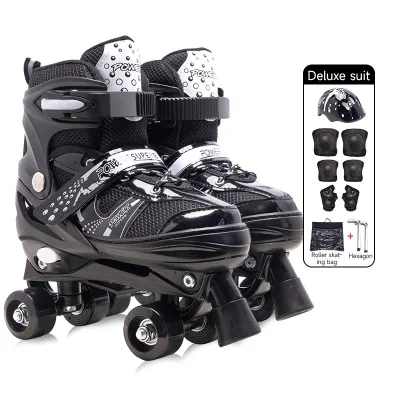
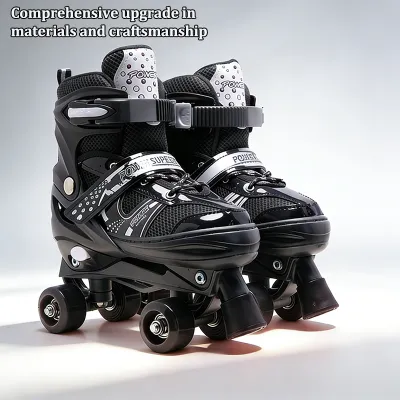
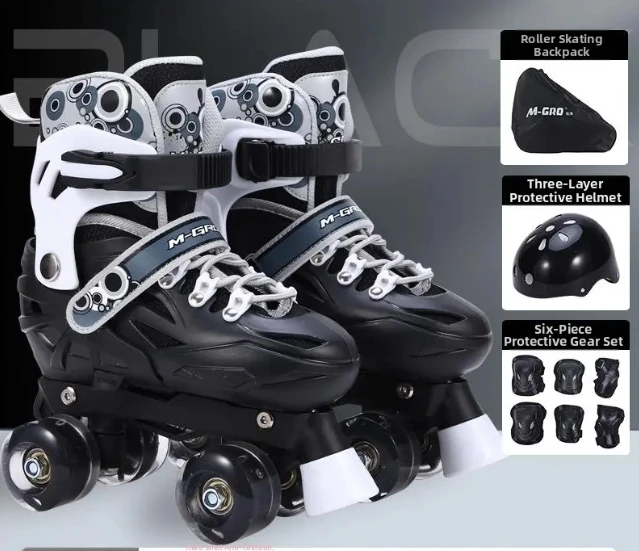
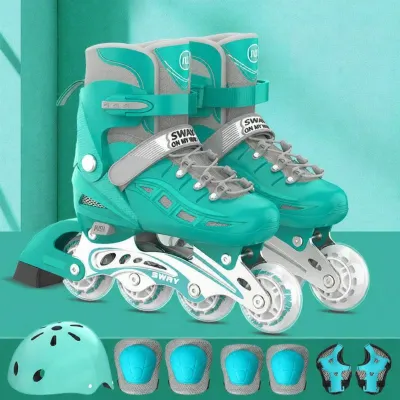
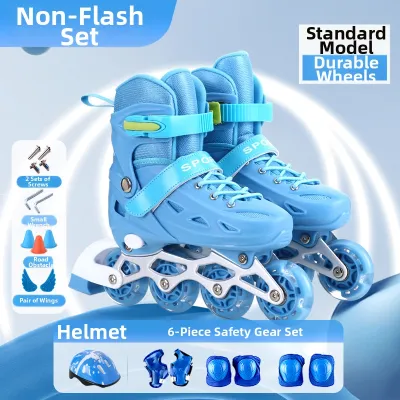
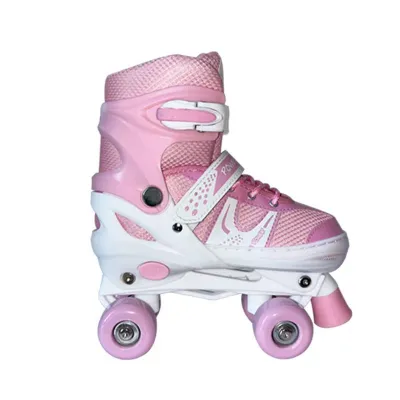
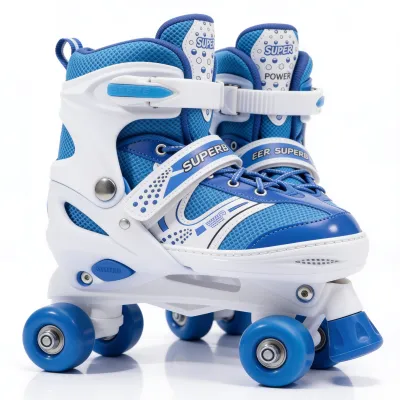
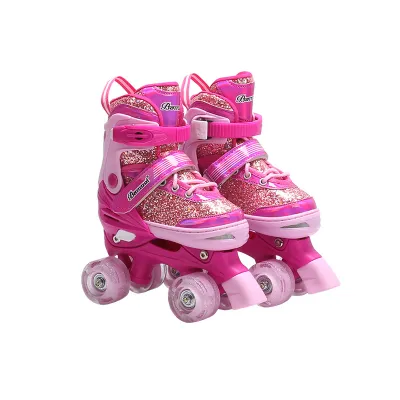
Prices are valid at publication and may change. Please refer to the product page for the latest price.
At this price point, packages are typically basic. You should expect to receive the skates themselves and perhaps a simple adjustment wrench. Premium extras like padded carrying bags, high-end replacement parts, or complete protective gear sets are rarely included in this price bracket. If a deal seems to include a massive bundle of accessories alongside the skates for under ₱2,000, the manufacturer has likely compromised on the quality of the skates themselves.
There is also a direct trade-off between aesthetic features and structural durability on a tight budget. Flashy designs, licensed cartoon characters, and elaborate patterns cost money to produce. When a manufacturer spends their limited budget on these cosmetic details, they often compensate by using cheaper, weaker materials for the frame, wheels, and bearings. Choosing a plain, solid-colored skate with robust components is always a safer and more economical decision.
Essential Features to Prioritize (and What to Skip)
To get the most value out of your budget, you must prioritize the components that directly affect your safety and rolling experience. The absolute most important feature to look for is polyurethane (PU) wheels. Polyurethane is a resilient elastomer that grips the ground, absorbs vibrations from rough asphalt, and provides traction. You must avoid hard plastic wheels, often made of polyvinyl chloride (PVC), which slide dangerously on smooth concrete or tiled surfaces.

In addition to wheel material, look for skates equipped with functional metal bearings. While you do not need high-end precision bearings at this stage, the wheels must spin smoothly and silently. A supportive boot is also non-negotiable. High-top boots, whether made of stiff synthetic leather or a molded plastic hard shell, provide essential ankle support that helps prevent rolled ankles and fatigue as your leg muscles adapt to skating.
To keep the price under ₱2,000, you should be prepared to accept certain basic compromises. Standard lacing systems are perfectly acceptable; they are highly reliable, easy to adjust, and cheap to replace if they wear out. Standard, non-adjustable toe stops made of hard rubber or dense plastic are also perfectly fine for beginners, even if they cannot be adjusted for height. Simple, unadorned colorways are another compromise that usually indicates the manufacturer focused their budget on structural quality.
Conversely, there are several popular features you should actively skip to save money. Light-up LED wheels are a common marketing gimmick on budget skates. These wheels rely on internal magnetic spacers that create extra friction, which slows down your roll and makes learning more difficult. Furthermore, skip complex plastic wings, decorative straps, and heavy aesthetic add-ons that only add unnecessary weight to your feet without improving performance.
How to Spot and Avoid Low-Quality "Toy" Skates
Many cheap skates sold online are actually classified as toys, meaning they are designed for light indoor play on carpets rather than actual outdoor recreation. Using toy skates on concrete can lead to sudden structural failure. To protect yourself, you must perform a physical or visual inspection of the chassis and frame. Avoid any skates with thin, flexible plastic plates that bend easily when you apply hand pressure, as they will sag and misalign under your body weight.
Evaluating the wheel material is another critical step in avoiding toy skates. If you are shopping in person, press your fingernail firmly into the wheel tread. A proper polyurethane wheel will have a slight, rubbery give. If the wheel feels completely hard, slick, and glassy like a plastic bottle, it is made of PVC and will offer almost no grip on local roads. If you are shopping online, look closely at the product specifications and avoid any listing that does not explicitly state “polyurethane” or “PU” wheels.
Before taking your skates outside, verify the bearing functionality by spinning each wheel by hand. A functional wheel should spin smoothly and quietly for several seconds before coming to a gentle stop. If the wheel rattles, grinds, or stops immediately after you let go, the bearings are either defective, overtightened, or merely decorative plastic caps.
Finally, make full use of user feedback on online marketplaces. When reading reviews, ignore the generic five-star ratings that only praise fast shipping or nice packaging. Filter the reviews to read the one-star and two-star feedback. Look for real-world reports of cracked frames, wheels detaching mid-skate, or the boot separating from the sole after just a few sessions. If multiple buyers report these structural failures, avoid that model entirely.
Sizing, Fit, and Adjustability for Beginners
Securing the correct fit is essential for both safety and comfort. Never buy roller skates based solely on your standard Philippine shoe size, as skate sizing varies dramatically between different manufacturers. Instead, measure your foot length accurately. Place a piece of paper against a wall, step on it with your heel touching the wall, and mark the tip of your longest toe. Measure this distance in centimeters and compare it directly to the seller’s specific size chart.
Adjustable-size skates are highly popular in the budget market, especially for growing children. These skates feature a push-button mechanism that allows the toe cap to slide forward or backward to accommodate different foot lengths. While highly convenient and cost-effective for families, adjustable skates do have drawbacks. The sliding mechanism adds weight, introduces moving parts that can wear out, and often results in a bulkier boot that offers less precise ankle support than a fixed-size skate.
Pay close attention to the thickness of the inner lining. A well-padded liner cushions your feet against the hard plastic or synthetic leather outer shell, preventing painful blisters and hot spots. When measuring your feet or trying on skates, always wear the thick athletic socks you plan to use while skating. A skate that feels perfectly snug barefoot can become painfully tight once you put on proper sports socks.
Hidden Costs and Pre-Purchase Checklist
To ensure your total checkout amount does not exceed your ₱2,000 limit, you must account for several hidden costs. Shipping fees for heavy items like roller skates can be substantial, particularly if you live in provincial areas outside Metro Manila. Always check the shipping rates and look for platform vouchers to offset these costs. Additionally, review the seller’s return and exchange policy; if the skates do not fit, you may have to pay the return shipping fee yourself.
Safety gear is a non-negotiable expense that must be factored into your overall budget. You should never spend your entire ₱2,000 on skates alone if it leaves you with no money for protection. At a minimum, you need a helmet, knee pads, elbow pads, and wrist guards. Falling is an inevitable part of the learning process, and concrete basketball courts are highly unforgiving. If necessary, look for budget-friendly protective gear bundles to keep your total cost within limits.
Once your skates arrive, perform a basic post-purchase adjustment before your first roll. Budget skates are often assembled quickly in factories, meaning the wheel axle nuts may be tightened too much, preventing the wheels from spinning freely. Conversely, some hardware might be dangerously loose. Use a basic wrench to adjust the axle nuts so the wheels spin freely with only a tiny amount of side-to-side play, and ensure the toe stops are tightly secured.
Maintenance Tips to Extend the Life of Budget Skates
Because budget skates use more modest materials, regular maintenance is essential to maximize their lifespan. Dust, hair, and road grime are the primary enemies of skate bearings. After every outdoor session, especially on dusty barangay courts, wipe down the exterior of your skates with a damp cloth. Avoid rolling through puddles or skating in the rain, as moisture will quickly rust budget steel bearings and ruin the boot materials.
Periodically check and tighten all hardware on your skates. The vibrations from rolling over rough asphalt and concrete will naturally loosen screws, axle nuts, and plate mounting bolts over time. Make it a habit to check these components before every single skating session. A loose axle nut can cause a wheel to fly off mid-skate, leading to severe falls.
Finally, store your skates in a cool, dry indoor area away from direct tropical sunlight. High humidity and extreme heat can degrade polyurethane wheels, dry out synthetic leather boots, and weaken the adhesives holding the sole together. Never leave your skates on an open veranda, in a damp garage, or in the trunk of a hot car. Proper storage ensures the materials remain stable and ready for your next session.
Frequently Asked Questions (FAQ)
Can I upgrade the wheels and bearings later?
Yes, most budget roller skates use standard eight-millimeter axles, which allows you to swap out the stock wheels and bearings for higher-quality aftermarket options as your skills improve. However, before purchasing upgrades, you must verify that the skate’s frame has enough clearance to accommodate larger wheel diameters. Additionally, consider the financial practicality: if a set of quality replacement wheels and bearings costs more than the skates themselves, it is usually more economical to save that money and eventually upgrade to a higher-tier, mid-range skate.
Are adjustable roller skates safe for adults?
Adjustable roller skates are primarily engineered for children and lighter skaters. While some models claim to accommodate adult sizes, the sliding adjustment mechanism introduces structural weak points that can flex under adult weight. This flex reduces overall stability, compromises ankle support, and increases the risk of the frame cracking or collapsing during use. For adult beginners, a solid, non-adjustable hard-shell boot is highly recommended, as it provides the rigid structural support necessary to safely carry adult weight on concrete surfaces.

Community discussion
Share your experience or ask a question. Comments are reviewed before publication.