
Quick Answer: What to Look for in Girls' Purple Roller Skates
Finding the perfect pair of purple roller skates for your child in the Philippines involves balancing her favorite color with essential safety features. While a vibrant violet or pastel lavender boot is often the top request for young riders, structural integrity must always take priority over aesthetics.
To ensure a safe and enjoyable skating experience, focus on three primary pillars: adjustable sizing, reliable braking, and robust ankle support. Children’s feet grow rapidly, making adjustable boots a practical choice to extend the lifespan of the skates.
Additionally, beginners require stable wheel configurations and highly responsive brakes to build confidence on local paved surfaces. Always verify that the chosen model meets recognized safety standards and features a rigid boot structure before finalizing your purchase.
Products mentioned in this guide
Prices are valid at publication and may change. Please refer to the product page for the latest price.
Understanding Roller Skate Types for Different Skill Levels
Before diving into the specific shades of purple, you must determine which skate configuration matches your child’s current skill level and skating environment. The two primary designs available are quad skates and inline skates, each offering distinct advantages for balance and control.

Quad skates feature four wheels arranged in a two-by-two rectangular pattern, providing a highly stable base when standing still. This configuration is generally recommended for absolute beginners, as it helps young riders find their center of gravity without immediate lateral tipping. The wider footprint of quads makes learning basic balance and posture more intuitive, especially on flat, indoor surfaces.
Inline skates, often referred to as rollerblades, arrange the wheels in a single straight line. This design requires greater lateral ankle strength and a more developed sense of balance, as the skate naturally wants to tilt to either side. However, inline skates offer superior maneuverability and speed once a child masters the basic stride, making them highly popular for older kids or those transitioning from ice skating.
The environment where your child will skate also dictates the type of wheels required. Wheel hardness is measured on a durometer scale, typically indicated by a number followed by the letter “A” on the product packaging. Softer wheels, ranging from 78A to 82A, provide excellent grip and shock absorption on rough outdoor surfaces like asphalt roads, concrete driveways, or local barangay basketball courts. Harder wheels, rated 85A and above, are designed for smooth indoor rinks or polished concrete, offering less rolling resistance but significantly less traction on uneven outdoor terrain.
For casual riders, recreational models are the standard and safest choice. These skates are specifically engineered with comfortable padding, moderate speed capabilities, and reliable braking systems. Avoid aggressive or speed skates for beginners; aggressive models are built for skatepark tricks and lack traditional brakes, while speed skates feature low-cut boots that do not provide the necessary ankle support for developing muscles.
Key Features to Evaluate When Buying Purple Skates
Selecting a durable pair of purple roller skates requires a close inspection of the technical specifications and materials used in construction. The boot itself is your child’s primary line of defense against ankle strain and impact.
Boot Materials and Ankle Support
You will generally choose between hard-shell plastic boots and soft-boot designs. Hard-shell boots offer maximum impact protection and rigid ankle support, which is highly beneficial for beginners who tend to pronate or roll their ankles inward. The stiff plastic exterior keeps the foot aligned and prevents painful twisting. Soft-boot designs, on the other hand, utilize breathable mesh and synthetic fabrics to offer a lighter, more flexible fit. While soft boots are highly comfortable and allow for greater freedom of movement, they require the rider to have stronger ankles to maintain proper alignment.
Closure Systems
A secure closure system is vital to prevent the foot from sliding inside the boot, which can cause severe blisters and reduce control. Look for skates that feature a triple-closure system: traditional laces, a wide Velcro power strap across the instep, and a micro-adjustable buckle at the top of the cuff. Laces customize tightness across the foot, the Velcro strap locks the heel back, and the upper buckle provides the rigid ankle support needed to stay upright.
Wheel and Bearing Specifications
Turn your attention to the wheel and bearing labels. Bearings are rated using the ABEC scale (Annular Bearing Engineering Committee), usually ranging from ABEC-1 to ABEC-9. For children and beginners, bearings rated ABEC-3 or ABEC-5 are ideal because they offer a smooth roll without allowing the skates to reach dangerously high speeds too quickly. Check the manufacturer’s specifications to ensure the wheels are made of high-quality polyurethane rather than cheap, slippery plastic, which lacks grip and wears down rapidly on tropical outdoor surfaces.
Chassis Materials
The chassis, or frame, holds the wheels and attaches to the bottom of the boot. It is typically constructed from either reinforced nylon composite or aluminum. Nylon frames are lightweight and absorb road vibrations well, making them comfortable for younger, lighter children. Aluminum frames are heavier but offer superior structural durability and power transfer, making them better suited for older kids or more active skaters who require a rigid platform that will not flex under pressure.
Sizing and Fit Guide for Growing Feet
Achieving the correct fit is one of the most challenging aspects of buying roller skates online, especially since children’s feet grow so quickly. A skate that is too loose will cause friction, leading to painful blisters and a lack of control, while a skate that is too tight will cause toe cramping and restricted circulation.
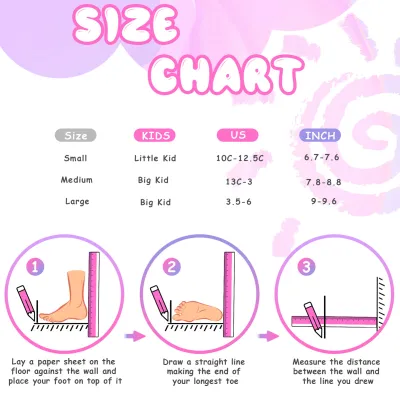
To find the correct size, measure your child’s feet at home using a simple tracing method. Place a sheet of paper flat on a hard floor against a wall. Have your child stand on the paper with their heel touching the wall. Trace the outline of both feet, keeping the pencil vertical. Measure the distance from the heel to the tip of the longest toe in millimeters, and use the larger measurement to consult the manufacturer’s size chart.
Many modern children’s skates feature adjustable sizing mechanisms, which allow the boot to expand across three to four full sizes. These systems typically operate via a push-button mechanism near the heel or toe. When evaluating these models, check the maximum expansion limits and inspect the structural integrity of the boot when fully extended. Ensure there are no large gaps in the sole or lining that could compromise support or cause discomfort when the skate is set to its largest size.
During a fitting session, look for clear signs of a poor fit. Have your child stand up and bend their knees slightly. Their toes should gently touch the front of the toe box without being bent or cramped. If their toes are pressed hard against the front, the skate is too small. Next, check for heel slippage by gently pulling up on the heel of the skate while your child keeps their foot flat. If the heel lifts significantly inside the boot, the skate is too large or the closure system is not tight enough.
Always conduct try-ons with the exact socks your child will wear while skating. Thick, moisture-wicking athletic socks are highly recommended, especially in the humid Philippine climate. These socks help absorb sweat, reduce friction against the synthetic lining of the boot, and fill up any minor gaps to ensure a snug, comfortable fit.
Essential Safety Gear to Pair with the Skates
Skating is an active sport that carries an inherent risk of falls, particularly during the learning phase. Equipping your child with high-quality safety gear is non-negotiable and must be treated as an essential part of the purchase.
Helmet Requirements
A proper helmet is the most critical piece of protective equipment. Do not rely on standard bicycle helmets unless they are explicitly certified for multi-impact sports like roller skating. Inspect the interior label of the helmet for recognized safety certifications, such as CPSC or EN 1078. The helmet must fit snugly on the head without tilting backward or forward, and it should feature an adjustable fit dial at the back to secure it firmly in place.
Joint Protection
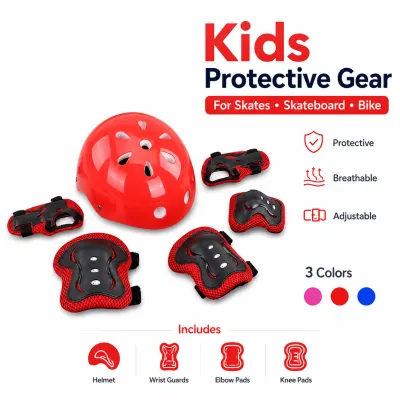
A complete protective pad set includes knee pads, elbow pads, and wrist guards. Look for pads with durable, hard plastic splints or caps that can slide along concrete during a fall, absorbing the impact and protecting the joints underneath. Wrist guards are especially important for beginners, as the natural instinct during a fall is to reach out with open hands. The rigid splint in a wrist guard prevents the wrist from hyperextending, reducing the risk of fractures.
Visibility and Clothing
In the Philippines, many children skate outdoors on neighborhood streets or community courts. To ensure they remain highly visible to motorists, cyclists, and pedestrians, dress them in bright or reflective clothing. Avoid long, loose pants or skirts that could get caught in the wheels or brakes. Instead, opt for comfortable athletic wear that covers the knees and elbows to provide an extra layer of protection against minor scrapes and road rash.
Where to Buy and What to Verify Before Checkout
When you are ready to purchase those vibrant purple skates, choosing the right retail channel is key to ensuring you receive an authentic, high-quality product. You have several options, each with its own set of advantages and trade-offs.
Specialized sports retailers and official brand websites are the safest options. These channels guarantee product authenticity and often provide detailed sizing guides, reliable customer support, and access to original replacement parts. If you choose to shop on general e-commerce platforms or online marketplaces, you must exercise extra caution. Verify the seller’s authenticity by checking for official store badges, reading customer reviews specifically looking for photos of the actual product, and avoiding listings with suspiciously low prices.
While budget-friendly options priced under ₱2,500 are widely available on online marketplaces, prioritize structural safety and certified materials over the lowest price tag. Before clicking the checkout button, carefully read the retailer’s return and exchange policies. Because skate sizing can vary significantly between brands, you need the flexibility to exchange the skates for a different size if the initial fit is incorrect. Additionally, confirm the warranty coverage for manufacturing defects, such as cracked frames, faulty adjustment buttons, or broken buckles, which should be covered under a standard manufacturer’s warranty.
Once the package arrives at your doorstep, perform a thorough inspection before letting your child use the skates. Use this checklist to verify the product’s condition:
- Check for completeness: Ensure all assembly tools, spare brake pads, and instruction manuals are included in the box.
- Inspect the hardware: Use the provided tools to check that all axle bolts, wheel screws, and brake mounts are tight and secure.
- Examine the finish: Inspect the purple boot and frame for any cosmetic damage, cracks, or deep scratches that may have occurred during shipping.
- Test the mechanisms: Operate the adjustable sizing button several times to ensure the boot slides smoothly and locks securely into each size position.
Frequently Asked Questions (FAQ)
Can I change the wheels on purple roller skates to use them outdoors?
Yes, you can change the wheels, provided the replacement wheels are compatible with your skate’s chassis and axle size. Before purchasing new wheels, check the manufacturer’s manual to confirm the maximum wheel diameter and width your frame can accommodate. To transition from indoor rinks to rough outdoor surfaces, look for wheels with a soft durometer rating, typically between 78A and 82A. These softer wheels absorb vibrations from asphalt and concrete, providing a smoother, safer ride.
How often should I check the tightness of the wheels and axles?
You should perform a quick visual and physical inspection of the wheels and axles before every single skating session. Gently wiggle each wheel with your hand to check for excessive lateral play or wobbling. If a wheel feels loose, use the exact tool size specified in your manufacturer’s manual to tighten the axle bolt. Be careful not to overtighten, as this can compress the bearings and prevent the wheel from spinning freely.
What is the best way to clean and maintain the purple finish?
To preserve the vibrant purple color and structural integrity of the skates, wipe down the exterior boots with a soft cloth dampened with mild soap and warm water. Avoid using harsh chemical solvents, bleach, or abrasive scrubbers, as these can degrade the plastic, fade the purple dye, and weaken the synthetic fabrics. After cleaning, dry the skates thoroughly in a well-ventilated indoor area away from direct sunlight. Ensure all metal components, including axles, bearings, and screws, are completely dry to prevent rust from forming in humid tropical conditions.

Community discussion
Share your experience or ask a question. Comments are reviewed before publication.