
Running in the Philippines presents a unique set of environmental challenges, from sudden tropical downpours during the monsoon season to intense, high-humidity mornings that trigger heavy sweating within minutes. For women runners, finding a reliable waterproof belt bag is not just about carrying a smartphone or keys; it is about protecting expensive electronics and personal items from moisture damage while maintaining a comfortable, bounce-free stride. The ideal running belt must balance robust water protection with an ergonomic fit that accommodates diverse body shapes and running styles. By focusing on material specifications, closure designs, and secure adjustment mechanisms, you can select a gear companion that withstands both the elements and the physical demands of daily training.
Key Features to Evaluate in a Waterproof Running Belt Bag
To secure reliable protection for your valuables, you must first understand the technical differences in how fabrics handle water. Many products are labeled as water-resistant, which typically means they are treated with a Durable Water Repellent (DWR) coating or made from tightly woven synthetic fibers like nylon or polyester. While these materials can shed light drizzle or brief splashes, they will eventually saturate during a heavy tropical storm or under prolonged exposure to intense body sweat. For high-level protection during torrential downpours, look for bags made from thermoplastic polyurethane (TPU) or laminated fabrics that carry an Ingress Protection (IP) rating, such as IPX7 or IPX8, which indicates a certified level of waterproof performance under pressure.
The zipper is almost always the weakest point of any water-resistant bag, making it a critical inspection area for runners. Standard zippers allow water to seep directly through the teeth, rendering even the most waterproof fabric useless. High-quality waterproof running belts utilize polyurethane-coated zippers, often referred to as water-repellent zippers, which seal tightly when closed to block moisture. Additionally, look for bags constructed with welded or sealed seams rather than traditional stitched seams, as needle holes can act as microscopic entry points for rain and sweat.
Products mentioned in this guide
![[COD] Waterproof Running Waist Belt Bag Reflective Sport Fanny Pack for Men and Women](https://img.lazcdn.com/g/p/fabf4bb0343d8905b3ee58b3d4122b4a.jpg_400x400q80.jpg_.webp)
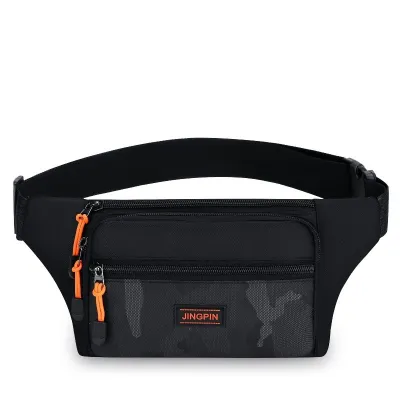
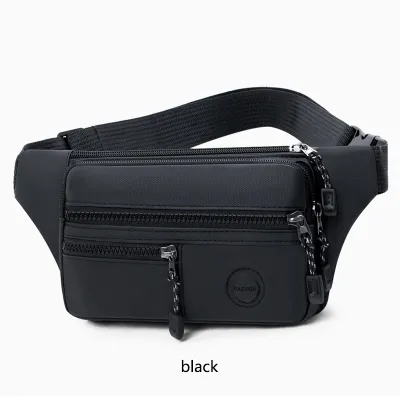
Prices are valid at publication and may change. Please refer to the product page for the latest price.
While keeping water out is essential, managing the moisture generated by your own body is equally important for comfort and skin health. A completely waterproof backing resting directly against your waist can trap heat and sweat, leading to severe chafing, skin irritation, and an uncomfortable bouncing sensation. To prevent this, premium running belts feature a dual-layer design: a waterproof outer compartment to protect your gear, paired with a breathable, moisture-wicking mesh back panel that sits against your skin. This mesh layer allows air to circulate and channels sweat away from your body, keeping you cool and dry even during long runs in high-temperature environments.
Sizing and Fit Considerations for Women Runners
Achieving a secure, chafe-free fit requires careful consideration of where the belt will rest on your body during high-impact movement. Women runners often face unique fit challenges due to varying hip-to-waist ratios, which can cause a poorly designed belt to ride up toward the narrowest part of the waist or bounce uncomfortably against the hips. Before purchasing, measure both your natural waist and the widest part of your hips to determine your preferred wearing position. Some runners prefer the belt to sit low on the hips for stability, while others find a high-waist placement more comfortable; knowing your measurements ensures you select a belt with an adjustable strap range that accommodates your specific anatomy.

The adjustment mechanism and strap material play a pivotal role in preventing the dreaded bounce during your stride. Look for wide, elasticized straps that distribute pressure evenly without digging into your skin or restricting your breathing. The buckle should be robust yet low-profile, preferably made of heavy-duty polymer that will not slip under tension or degrade when exposed to salty sweat. Quick-adjust sliders are highly beneficial, allowing you to tighten the belt on the fly as your water bottle empties or as you transition from a slow jog to a high-intensity sprint.
Another critical factor is how the bag behaves when fully loaded with your essentials. A waterproof belt bag must maintain its structural integrity and close fit even when holding a large smartphone, keys, and nutrition. Evaluate the pocket depth and look for designs with gusseted expansion, which allows the pocket to expand outward rather than stretching the waterproof fabric tightly against your body. Stretching waterproof membranes too tightly can compromise their water-repellent properties and place undue stress on the sealed zippers, potentially leading to premature wear or moisture leakage.
Matching the Belt Bag to Your Running Routine
Your choice of waterproof belt bag should align closely with the distance, intensity, and timing of your typical running sessions. For short, fast workouts, speed intervals, or track sessions, a minimal, low-profile design is highly advantageous. These streamlined belts are designed to hold only the bare essentials—such as a single key, an ID, and a small phone—minimizing weight and wind resistance. The ultra-thin profile ensures the bag remains virtually imperceptible against your body, allowing you to focus entirely on your pacing and form without any distracting movement.
Conversely, long-distance training runs, trail runs, or marathon preparation demand a bag with greater capacity and organizational features. When you are out on the road or trail for hours, you need quick access to energy gels, salt tablets, emergency cash, and perhaps a small hydration flask. Multi-compartment belt bags allow you to separate sharp items like keys from your phone screen, preventing scratches while keeping your nutrition easily accessible. Look for models that offer dedicated internal dividers or external loops, which help distribute the weight evenly across your hips to prevent lopsided bouncing over long distances.
Safety is another paramount consideration, particularly for runners who prefer the cooler temperatures of early morning or late evening sessions in urban or rural areas. Low-light conditions require high-visibility elements to ensure you are easily spotted by motorists, cyclists, and other pedestrians. Choose a waterproof belt bag that incorporates reflective strips, high-visibility piping, or bright, fluorescent colors. These safety features do not compromise the waterproof capabilities of the bag but significantly enhance your personal safety when navigating dimly lit streets or coastal roads.
How to Verify Waterproof Claims Before Buying
With numerous products marketed as waterproof on local ecommerce platforms and in physical sporting goods stores, it is essential to know how to verify these claims before making a purchase. Do not rely solely on generic marketing buzzwords; instead, look for official technical specifications. True waterproof gear often references an Ingress Protection (IP) rating, which is an international standard measuring protection against solids and liquids. For example, an IPX4 rating indicates resistance to splashing water from any direction, while IPX7 means the bag can withstand temporary submersion in water. If a brand cannot provide a specific rating or detailed material specifications, the product is likely only water-resistant.
User reviews on online marketplaces can provide invaluable, real-world insights into how a belt bag performs under actual running conditions. Look specifically for feedback from runners who have tested the bag during heavy rainstorms or long, sweaty runs in tropical climates. Pay close attention to complaints about damp phones, rusted zipper pulls, or peeling interior coatings, as these are clear indicators of substandard waterproofing or poor material durability. Conversely, consistent praise for dry interiors after downpours is a strong signal of a reliable product.
Finally, perform a close visual inspection of the product images or the physical item itself. Check the interior seams of the bag; high-quality waterproof bags will have visible seam tape covering all stitched lines, or they will feature seamless, high-frequency welded construction. Examine the zipper area to ensure there is a rubberized or polyurethane flap that folds over the zipper teeth when closed, creating a physical barrier against water entry. Whether you are investing ₱500 or ₱3,000 in a premium belt, verifying these construction details ensures you get genuine value and reliable protection.
Care and Maintenance to Preserve Water Resistance
Proper care and maintenance are vital to preserving the protective qualities of your waterproof running belt over its lifespan. Sweat contains salt and acids that can slowly degrade waterproof coatings, corrode zipper components, and break down adhesive seams if left uncleaned. Always consult the manufacturer’s care instructions, but as a general rule, hand-washing is the safest method for technical running gear. Avoid machine washing, as the aggressive agitation, spinning, and harsh detergents can delaminate waterproof membranes and damage sealed seams. Instead, gently submerge the bag in cool water mixed with a mild, tech-wash soap, gently wiping away dirt and sweat with a soft cloth.
Drying your belt bag correctly is just as important as washing it. Never place a waterproof bag in a mechanical dryer, and avoid exposing it to direct, intense sunlight for extended periods, as high heat can melt seam tape, warp plastic buckles, and crack waterproof coatings. Instead, open all compartments fully and hang the bag to air-dry in a shaded, well-ventilated indoor or outdoor area. Ensure the bag is completely dry inside and out before storing it in a cool, dry place to prevent the growth of mold and mildew, which can ruin the fabric and create unpleasant odors.
Over time and through repeated use, the external Durable Water Repellent (DWR) coating on water-resistant bags may begin to wear off, causing water to saturate the outer fabric rather than beading and rolling off. You can recognize this when the outer fabric looks dark and wet during rain, even if the interior remains dry. To restore this performance, you can apply an aftermarket DWR spray specifically formulated for outdoor gear. Before applying, ensure the bag is clean and dry, and verify that the spray is compatible with the bag’s specific material to avoid damaging any internal waterproof membranes.
Frequently Asked Questions (FAQ)
Can I submerge a water-resistant belt bag in water?
No, you should not submerge a water-resistant belt bag in water. Water-resistant bags are designed to repel light rain, splashes, and sweat, but they lack the airtight seals and specialized materials required to withstand hydrostatic pressure under water. Submerging a water-resistant bag will result in water leaking through the zippers, seams, and fabric, potentially damaging your electronics. If you anticipate activities where your bag might be fully submerged, such as river crossings or heavy water sports, you must use a bag specifically rated IPX7 or IPX8, which is certified for temporary or continuous submersion.
How do I prevent my phone from sweating inside the bag?
Internal condensation can occur when the heat from your body warms the air inside the bag, causing moisture to condense against the cooler outer fabric. To prevent this, place your phone inside a secondary, lightweight microfiber pouch or a simple zip-top plastic bag before sliding it into your running belt. This extra layer absorbs minor condensation and prevents direct contact with damp surfaces. Additionally, ensure your phone is completely dry before packing it, and try to open the bag only in dry environments to avoid trapping humid air inside the compartment.

Community discussion
Share your experience or ask a question. Comments are reviewed before publication.