
To find the right belt bag size for running, you need a bag with internal compartment dimensions that exceed your phone’s physical length, width, and depth by at least 1 to 1.5 centimeters on all sides. This extra clearance ensures you can slide the device in and out smoothly without straining the zipper or putting excessive pressure on the screen. In a tropical climate like the Philippines, where high humidity and sudden downpours are common, choosing a bag that accommodates both your phone and a protective, sweat-proof barrier is essential for keeping your device safe and secure on the move.
Selecting the wrong size can lead to a bouncing bag, chafing, or even damage to your phone’s screen and camera lenses. By focusing on exact physical measurements rather than generic marketing claims, you can find a waist pack that remains stable and comfortable throughout your training sessions.
Measure Your Phone and Case Before Shopping
Many runners make the mistake of looking up their phone’s official specifications online and using those numbers to buy a belt bag. However, those dimensions only represent the bare device. If you use a rugged shockproof case, a thick silicone cover, or a heavy-duty screen protector, your phone’s actual footprint will be significantly larger.
Products mentioned in this guide
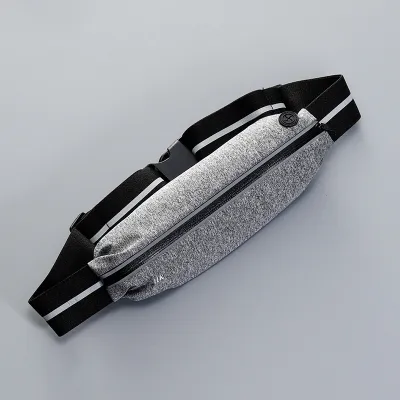
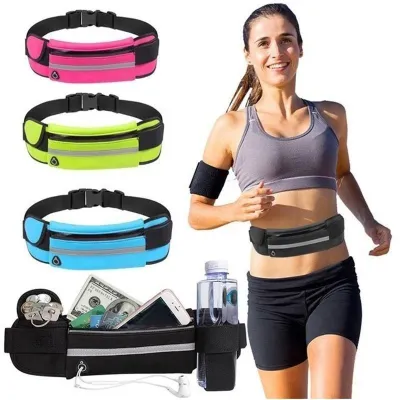
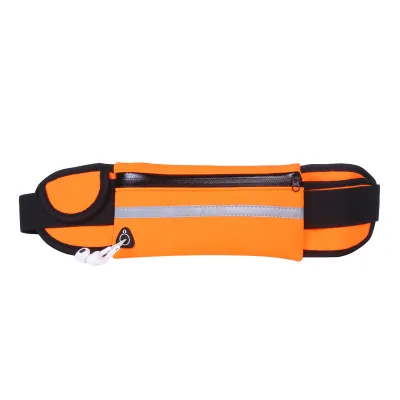
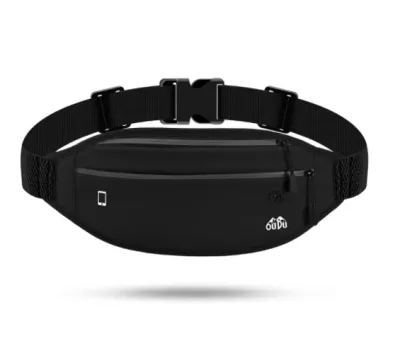
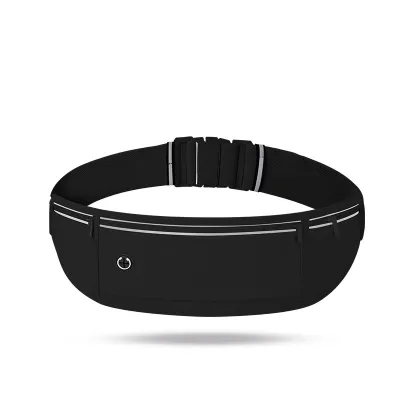
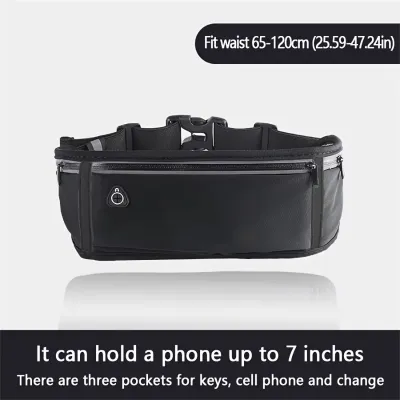
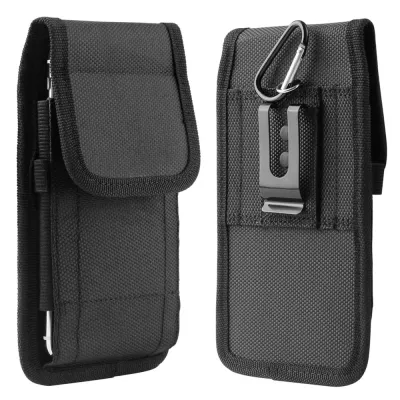
Prices are valid at publication and may change. Please refer to the product page for the latest price.
To get an accurate measurement, place your phone inside the exact case you plan to use during your runs. Use a standard ruler or measuring tape to record the total length, width, and depth in centimeters. Pay close attention to prominent camera bumps or corner bumpers, as these features can snag on tight pocket openings.
Once you have these numbers, compare them directly to the manufacturer’s listed internal compartment dimensions. Many brands advertise that their bags fit specific screen sizes, but this is a diagonal measurement that does not account for the physical bezel, case thickness, or aspect ratio. Checking the actual length and width specifications of the pocket is the only reliable way to ensure a proper fit.
Key Dimensions and Features to Check in a Belt Bag
When browsing options on an online marketplace, look past the overall external volume of the bag. A bag might look spacious from the outside, but thick padding, internal dividers, or heavy lining can reduce the usable space inside. Check the product description for the internal pocket dimensions and look for a gusseted design that allows the pocket to expand outward rather than compressing inward against your body.

The material of the bag plays a major role in how it holds your device. Lycra, neoprene, and elastane blends offer excellent stretch, allowing the pocket to conform to the shape of your phone. However, you must verify that the fabric’s tension is not so tight that it presses the screen buttons or strains the zipper. A fabric with moderate give and a soft inner lining will protect your screen from scratches while keeping the phone snug.
A heavy phone requires a stable support system to prevent it from bouncing against your waist. Look for a belt strap that is at least 2.5 to 3.8 centimeters wide. Narrow straps tend to dig into the skin or roll over under the weight of a modern smartphone. The buckle should be robust and adjustable, allowing you to cinch the belt tightly around your hips or waist without slipping as you run.
Consider what else you need to carry alongside your phone. If you pack house keys, a vehicle key fob, cash, cards, or energy gels, these items should not share the exact same compartment as your phone. Look for a belt bag with dedicated dividers or separate pockets. This prevents your keys from scratching your phone screen and ensures you do not accidentally pull your cards out when retrieving your phone to check your running app.
Signs Your Current Belt Bag Is the Wrong Size
If you already own a belt bag, several warning signs can tell you if it is time to resize. The most common issue is excessive bouncing or shifting during your stride. If the bag constantly flips forward, slides down your hips, or rotates around your waist, the bag’s structure is likely mismatched with the weight of your phone. This often happens when a heavy phone is stuffed into a small bag with a thin, unsupportive strap.
Take a close look at the seams and zippers when your phone is packed inside. If you see the fabric bulging outward or the zipper teeth straining to stay together, the bag is too small. Forcing a large phone into a tight space puts immense pressure on the zipper track, which can lead to sudden seam failure or a broken zipper mid-run, potentially dropping your device onto the pavement.
A tight fit can also cause physical damage to your phone. When a belt bag is cinched tightly against your body, an undersized compartment will compress the phone directly against your hip bone or abdomen. This constant pressure can cause screen discoloration, touch-sensitivity issues, or micro-scratches on the camera lenses. If you notice pressure marks on your screen after a run, your bag is likely too tight.
Finally, pay attention to how easily you can access your phone. If you have to stop running, use both hands, and struggle to wiggle the phone out of the pocket, the opening is too restrictive. A properly sized running belt bag should allow you to smoothly slide your phone out with one hand to change a song or check your pace, and slide it back in just as easily.
How to Match Bag Specs to Your Running Routine
Your daily running routine should dictate the style and size of the belt bag you choose. For short, fast-paced runs or track workouts, a minimalist, ultra-slim running belt is often the best choice. These bags lay completely flat against your body and expand only when you insert your phone, keeping wind resistance and movement to a minimum.
If you are training for longer distances, such as a half-marathon or marathon, your storage needs will expand. You will need a slightly larger belt bag that can accommodate your phone alongside energy gels, salt tablets, and perhaps even a small collapsible water flask. For these runs, look for multi-compartment belts that distribute the weight evenly around your waist to prevent one side from sagging.
In the tropical climate of the Philippines, sweat and sudden rain showers are constant factors. High humidity means you will sweat heavily, and that moisture can easily seep through standard fabrics. When choosing a bag, verify if it features a water-resistant lining or if you need to slip your phone into a small plastic zip pouch first. If you use an extra waterproof pouch, remember to factor that added thickness into your size calculations.
Where you prefer to wear the bag also influences the ideal size. Wearing the bag on your lower back is highly popular because it minimizes bounce and keeps the phone out of your field of vision. However, this position requires a very snug, low-profile bag so it does not shift when you swing your arms. If you prefer wearing it on your front waist or hip for easier access, a slightly wider, flatter bag is better to prevent it from digging into your stomach when you bend forward.
Before heading out on a long run with a new belt bag, always perform a quick pre-run fit test at home. Pack the bag with your phone and any other essentials you plan to carry, fasten the belt securely, and jump up and down in place for thirty seconds. If the bag bounces excessively, slides down, or feels uncomfortable, adjust the strap tension or consider repositioning the bag before you hit the road.
Frequently Asked Questions (FAQ)
Can I use a standard fashion belt bag for running?
While fashion belt bags are convenient for daily errands, they are generally unsuitable for running. Fashion bags typically feature loose, non-adjustable canvas or nylon straps that easily slip and slide during high-impact movement, causing the bag to bounce violently against your body. Additionally, they lack the sweat-resistant linings and breathable mesh backings found in running-specific gear, which can leave your phone exposed to moisture damage from heavy sweat or rain.
What if my phone is slightly larger than the bag's stated maximum size?
If your phone exceeds the manufacturer’s recommended dimensions, do not attempt to force it into the bag. Forcing a larger device stretches the seams and zippers to their breaking points, which can cause the bag to burst open unexpectedly during a run. It also places constant, concentrated pressure on your phone’s screen and internal components, increasing the risk of costly hardware damage. It is always safer to upgrade to a slightly larger bag designed to accommodate your phone’s actual size.
Does the belt bag size affect how I should wear it?
Yes, the size and weight of your loaded belt bag directly influence the most comfortable wearing position. Smaller, lightweight bags can be worn comfortably on the front waist, hip, or lower back with minimal bounce. However, larger or heavier bags are best positioned on the lower back, resting just above the glutes. This placement aligns the weight with your center of gravity, reducing bounce and preventing the bag from interfering with your natural running stride.

Community discussion
Share your experience or ask a question. Comments are reviewed before publication.