
Finding a replacement rainfly for a 2×3 meter tent requires looking beyond the simple “2×3” label. In the Philippines, where sudden tropical downpours and high humidity are common, a properly fitting rainfly is the primary defense against water intrusion and condensation. To secure the right fit, you must match the physical dimensions of your pitched tent frame, verify the alignment of the poles, and ensure the attachment mechanisms are compatible.
Understand Tent Sizing and Rainfly Dimensions
A “2×3” label typically denotes a tent floor footprint of 2 meters by 3 meters (approximately 6.5 by 9.8 feet). However, a rainfly cannot simply be 2×3 meters flat. It must have a three-dimensional shape that drapes over the tent poles, extending outward to shed water away from the breathable inner tent walls.
If a rainfly is exactly the same size as the floor without any overhang, rainwater running down the sides will pool directly at the seam where the tent floor meets the walls. This leads to immediate leaking, especially during heavy tropical storms. A proper rainfly must feature a generous overhang, often extending several centimeters past the floor footprint, and may include vestibule space to protect gear.
Products mentioned in this guide
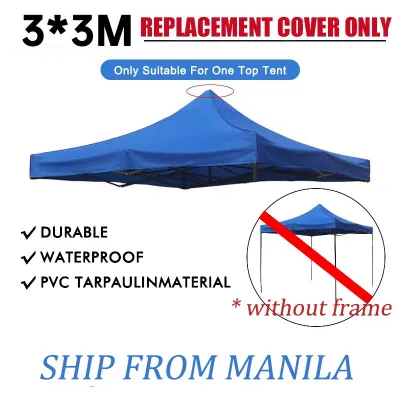
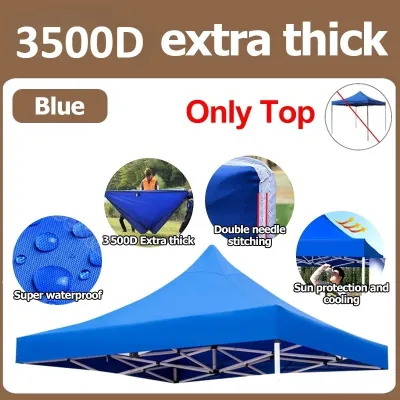
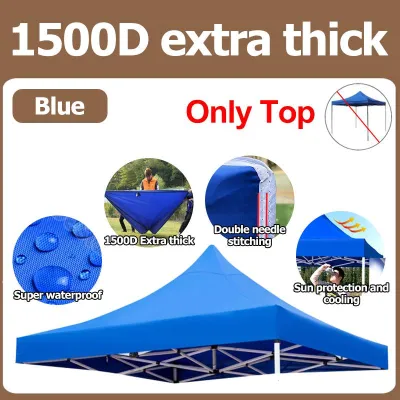
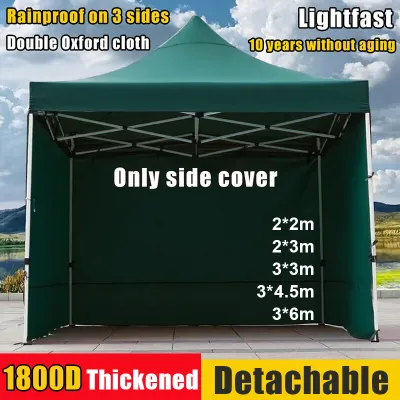
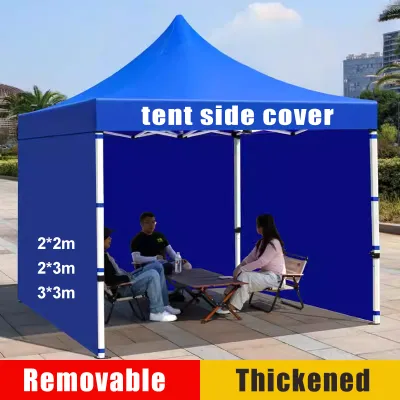
Prices are valid at publication and may change. Please refer to the product page for the latest price.
Sizing labels can also be confusing due to regional measurement standards. While metric units (meters) are standard in many regions, including the Philippines, many replacement parts sold online are manufactured using imperial measurements (feet and inches). A “2×3” label on an international ecommerce platform might refer to a 2×3 feet utility tarp rather than a 2×3 meter tent cover. Always convert and verify the exact dimensions in centimeters or inches before finalizing a purchase.
How to Measure Your Existing 2×3 Tent for a New Cover
To find a compatible cover, you must measure your tent while it is fully pitched and tensioned. Do not rely on flat measurements of a collapsed tent, as the fabric stretches and curves when supported by poles. Begin by setting up your inner tent on a flat surface, ensuring all poles are fully inserted into their grommets and the body is taut.

Measure the maximum length and width across the base of the tent frame. Next, measure the peak height by running a tape measure from the ground up to the highest point of the main support poles. The peak height is critical because a rainfly designed for a low-profile dome tent will not fit a high-profile cabin tent, even if both share a 2×3 meter footprint. The slope of the poles dictates how much fabric is required to cover the sides without touching the inner tent body.
Next, locate and measure the distance between the existing attachment points. Note where the rainfly connects to the tent frame, such as corner buckles, hook-and-loop fasteners along the poles, or plastic clips. Measure the distance from the peak to these attachment points to ensure the replacement fly’s straps can reach the corresponding anchors on your tent.
Finally, document the placement of doors, windows, and vestibules. If your tent has a side-entry door, a replacement rainfly with a front-facing vestibule opening will restrict access and compromise ventilation. Note the width and height of the door openings so you can select a cover that aligns perfectly with your tent’s entryways.
Choosing Between OEM and Universal Replacement Rainflies
When sourcing a replacement, you will generally choose between an Original Equipment Manufacturer (OEM) part and a universal or generic cover. An OEM rainfly is designed specifically for your tent model, ensuring a perfect fit, matching attachment points, and correct ventilation alignment. If your tent is a current model from a major outdoor brand, contact the manufacturer or check authorized local distributors to see if they sell replacement flies separately.
To search for an OEM replacement, locate the small white care tag inside your tent body or storage bag. This tag typically lists the exact model number, brand name, and sometimes the production year. Use these specific identifiers when searching online marketplaces or contacting customer service, as generic search terms like “2×3 tent cover” will return hundreds of incompatible options.
If an OEM part is unavailable or discontinued, a universal replacement rainfly is a viable alternative, but it carries compatibility risks. Universal covers are designed to fit broad categories of tents, such as standard dome or cabin shapes. When evaluating these, you must carefully cross-reference your recorded measurements against the product specifications. Pay close attention to the attachment mechanisms; a universal cover may use simple tie-outs that require you to adapt how you secure the fly to your existing tent stakes or poles.
Key Features to Check Before Buying a Replacement Cover
Before purchasing any replacement rainfly, verify the material specifications to ensure it can withstand local weather conditions. In tropical climates characterized by intense sun and heavy downpours, the fabric’s waterproof rating is paramount. Check the product description for the hydrostatic head rating, measured in millimeters (mm). A rating of 1,500mm to 3,000mm is generally suitable for standard camping, indicating the fabric can resist significant water pressure before leaking.
Examine the construction details, specifically the seams. High-quality rainflies feature factory-taped seams, where a waterproof tape is heat-sealed over the stitching to prevent water from seeping through the needle holes. Additionally, look for reinforced stitching at high-stress areas, such as the corners, peak, and guyline attachment loops, which bear the brunt of wind forces.
Ventilation is another critical factor, especially in warm, humid environments. A rainfly that completely seals the tent without adequate airflow will trap warm, moist air exhaled by occupants, leading to heavy condensation on the inside of the fly. Verify that the replacement cover features built-in roof vents with mesh backings and stiffeners to keep them open, allowing rising heat and moisture to escape.
Lastly, check the compatibility of the hardware. Ensure the buckles or clips on the replacement fly match the female ends attached to your tent’s corners. If they do not match, you will need to verify if the fly includes adjustable straps or if you will need to swap out the hardware yourself.
Installing and Testing Your New Rainfly
Once your replacement rainfly arrives, perform a test pitch at home before taking it on a camping trip. Drape the rainfly over your fully pitched inner tent, taking care to align the doors of the fly with the doors of the tent. Locate the internal hook-and-loop fasteners or ties on the underside of the fly and secure them around the tent poles; these attachments are vital for structural stability during windy conditions.
Secure the corners of the rainfly to the tent base or poles using the provided buckles or clips. Adjust the tension straps gradually, working diagonally from corner to corner to distribute the tension evenly. The rainfly should be taut, with a clear gap of at least a few centimeters between the fly fabric and the inner tent mesh. If the fly sags and touches the inner tent, water will transfer directly through the fabric during rain.
To verify the weather resistance and fit of your new setup, conduct a controlled water test in your yard. Use a garden hose with a spray nozzle or a watering can to simulate a steady rainfall over the tent. Observe how the water runs off the fabric and check for any pooling on flat areas of the roof. Step inside the tent to inspect the seams and walls for any signs of misting or moisture penetration, ensuring your gear will stay dry in the field.
Frequently Asked Questions (FAQ)
Can I use a standard 2×3 rainfly on a slightly different tent size?
Using a rainfly designed for a 2×3 meter tent on a slightly different size, such as a 2×2.5 meter tent, is highly risky and generally not recommended. If the rainfly is too large, it will sag, flap loudly in the wind, and allow water to pool in the loose fabric, eventually leading to leaks. Conversely, if the fly is too small, it will not provide the necessary overhang to keep water away from the tent floor seams, and stretching it too tightly will put excessive stress on the seams and zippers, causing them to fail.
What if the universal replacement lacks my tent's specific attachment clips?
If your universal replacement rainfly does not match your tent’s specific corner buckles or clips, you can use simple, reversible modifications to secure it. Small carabiners, short loops of utility cord (paracord), or adjustable shock cords can bridge the gap between the rainfly’s tie-out loops and your tent’s stake points or pole grommets. Avoid making permanent alterations, such as cutting the fabric or sewing new buckles directly onto the fly, unless you have professional gear repair tools, as improper stitching can compromise the waterproof integrity of the fabric.

Community discussion
Share your experience or ask a question. Comments are reviewed before publication.