
Fitting a treadmill into a typical condominium in the Philippines—where studio and one-bedroom units often span a compact 22 to 35 square meters—requires balancing your fitness goals with the realities of limited floor space. To fit comfortably without rendering your living area unusable, look for a compact or folding treadmill with a deployed footprint of no more than 150 centimeters in length and 70 centimeters in width. However, the physical size of the machine is only one part of the equation; you must also account for safety clearances, structural limits, and building policies to ensure a safe and sustainable home workout setup.
Measuring Your Condo Space and Entry Pathways
Start by measuring the exact floor area where you plan to place the treadmill. Use a metal measuring tape to map out the length and width, making sure to measure from the baseboards or skirting boards rather than the bare walls. Built-in fixtures like wardrobes, kitchen counters, or low-hanging split-type air conditioners can significantly reduce your usable vertical and horizontal space.
Do not overlook the journey the treadmill must take from the delivery truck to your living room. Measure the width and height of all entry pathways, including the service elevator doors, narrow hallway turns, and your unit’s main entrance. Many high-rise developments feature tight corridor corners that can make maneuvering a long, heavy box extremely difficult during delivery.
Products mentioned in this guide
![[COD] Foldable Manual Home Treadmill with Adjustable Slope LED Display Anti-Slip Running Belt Free Twist Disc & Resistance Rope Space Saving Walking Machine for Home Fitness Exercise](https://img.lazcdn.com/g/p/1446617c7dcf63717d1a1640b68a647e.jpg_400x400q80.jpg_.webp)
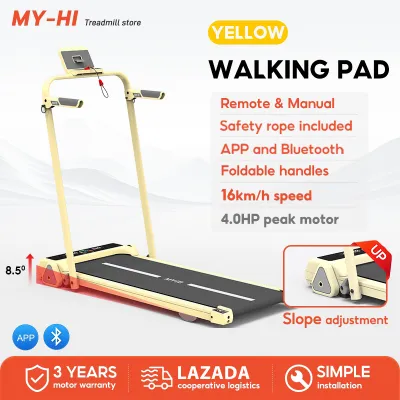
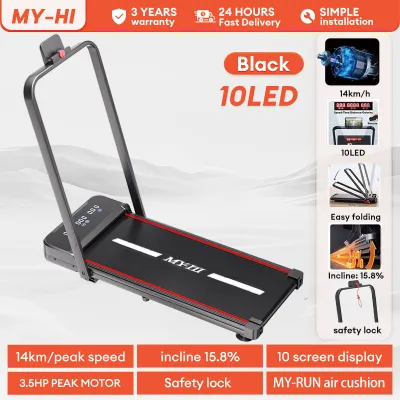
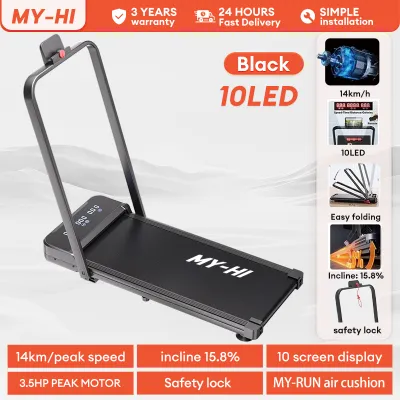
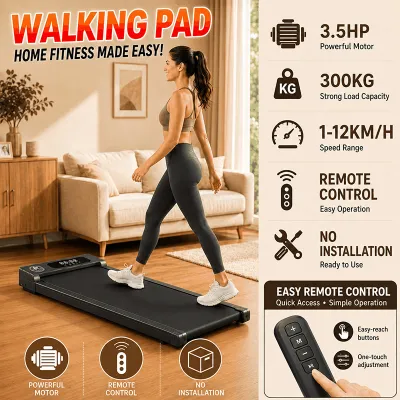
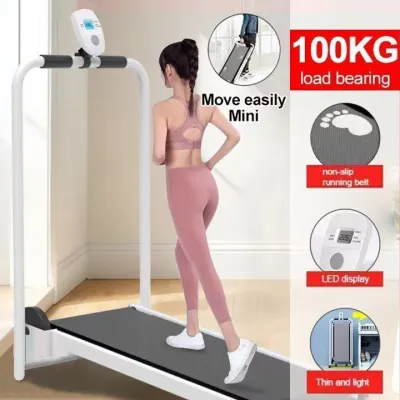
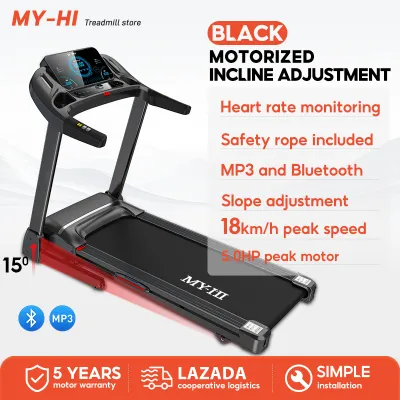
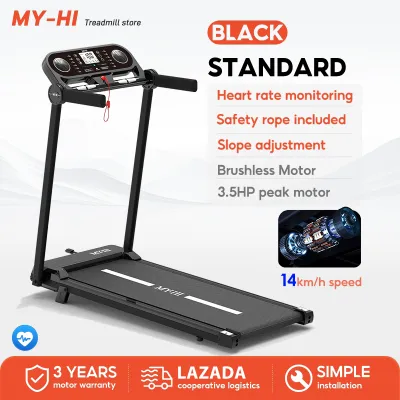
Prices are valid at publication and may change. Please refer to the product page for the latest price.
Check for permanent architectural obstacles within your unit that could interfere with the treadmill’s placement or operation. Structural columns, sliding glass balcony doors, and low-hanging light fixtures can restrict where you can safely position the machine. Ensure that opening wardrobe doors or pulling out sofa beds will not conflict with the treadmill’s designated spot.
Understanding Treadmill Footprints and Safety Clearances
It is vital to distinguish between a treadmill’s folded storage dimensions and its fully deployed operational footprint. While a machine might seem incredibly compact when folded upright, its running deck extends significantly when lowered for use. Always base your primary space planning on the fully extended dimensions to avoid unexpected crowding during your workouts.

Your personal physical dimensions and running style dictate the size of the running belt you actually need. A taller runner with a longer stride requires a longer deck to prevent stepping off the back of the belt at higher speeds. Verify the belt’s length and width specifications against your comfortable stride to ensure you have enough room to move naturally without tripping.
Safety clearances are non-negotiable when installing a motorized treadmill in a confined space. Manufacturers generally recommend leaving at least 1.5 to 2 meters of clear, unobstructed space directly behind the running deck to serve as a fall zone in case of emergency stops. Additionally, maintain at least 0.5 meters of clearance on both sides of the machine to allow for safe mounting, dismounting, and proper motor ventilation.
Ceiling height is another critical factor that is often forgotten in compact condo units. When you stand on a treadmill, the deck height elevates you by 15 to 30 centimeters off the floor, and this height increases further if you use an incline feature. Calculate your height plus the deck’s maximum elevation to ensure your head remains safely clear of the ceiling and any overhead light fixtures or ceiling fans.
Space-Saving Layouts and Storage Configurations
Placing your treadmill flat against a wall or tucked into a corner is often the most efficient way to preserve open floor space in a small unit. Corner placements help keep the center of the room clear, maintaining a natural traffic flow through your living area. However, ensure that a corner layout does not block access to windows, electrical outlets, or essential storage spaces.
Foldable treadmills offer excellent spatial flexibility, but they come with practical trade-offs that you must evaluate. Lifting a heavy running deck requires physical effort, so look for models equipped with hydraulic assist mechanisms that make folding and unfolding manageable. Always verify that the machine features a robust, reliable locking system to prevent the deck from accidentally falling when stored upright.
Cable management is essential for safety in a compact home gym setup. Position your treadmill as close as possible to a grounded electrical outlet to avoid stretching power cords across high-traffic walkways, which creates a severe tripping hazard. Avoid using standard extension cords or multi-plug adapters, as treadmills draw significant power and require a stable, direct connection to prevent electrical overloads.
Integrating fitness equipment into a multi-functional room, such as a combined living room and home office, requires careful planning. Choose a layout where the treadmill does not dominate the visual space or interfere with your daily professional activities. Placing a decorative screen or positioning the machine behind a sofa can help visually separate your workout zone from your relaxation or work areas.
Pre-Purchase Checklist for Condo Treadmills
Before finalizing your purchase, verify the total weight of the treadmill against your condo’s floor load capacity. While modern concrete high-rise buildings are highly durable, older structures or loft-style units with wooden mezzanine floors may have strict weight limits. Remember to add your own body weight to the machine’s weight when calculating the total load on the floor.
Noise and vibration transfer can quickly lead to friction with your downstairs neighbors in a shared residential building. Motor hum and the impact of your footsteps travel easily through concrete floors, so plan to place a thick, high-density rubber anti-vibration mat beneath the machine. This simple addition helps absorb impact energy, dampens sound, and protects your condo’s flooring from scratches.
Double-check the manufacturer’s operational clearance requirements against your actual room measurements one final time. Ensure that the emergency stop safety clip is fully functional and easily accessible before every workout session. Never compromise on safety clearances just to squeeze a larger, high-performance machine into a space that cannot safely accommodate it.
Consult your condominium’s Property Management Office (PMO) regarding their specific rules on heavy fitness equipment and home gym setups. Some buildings require move-in permits for large appliances, restrict delivery hours, or have strict policies regarding noise levels during early morning or late evening hours. Securing approval beforehand prevents delivery delays and potential fines.
Frequently Asked Questions (FAQ)
Can I place a treadmill on a condo balcony?
Placing a treadmill on an open or semi-outdoor balcony in the Philippines is highly discouraged due to the harsh tropical climate. High humidity, salt-laden air, heavy monsoon rains, and intense direct sunlight will rapidly degrade the machine’s electronic console, warp the running belt, and cause metal components to rust.
Furthermore, balconies often have lower weight-bearing capacities than interior living spaces, making them structurally unsuitable for heavy fitness equipment. You must also consult your building’s administration, as many PMOs strictly prohibit placing large appliances or fitness gear on balconies due to safety hazards and building aesthetic guidelines.
Do foldable treadmills actually save space in small rooms?
Foldable treadmills do save valuable floor space when not in use, but they do not disappear entirely. Even when folded upright, the machine still occupies significant vertical volume and has a depth of about 60 to 80 centimeters, which can make a small room feel visually cluttered.
Additionally, folding and unfolding a heavy deck requires regular physical effort and proper technique to avoid back strain. If the folding mechanism is too cumbersome or lacks hydraulic assistance, you may find yourself leaving the machine fully deployed, defeating the purpose of buying a space-saving model.

Community discussion
Share your experience or ask a question. Comments are reviewed before publication.