
Living in a compact condominium in the Philippines often requires a creative approach to space planning, especially when trying to maintain an active lifestyle. Integrating fitness equipment like a walking pad into a limited layout is entirely possible with the right preparation. By focusing on precise measurements, strategic placement, and smart storage, you can enjoy the convenience of indoor exercise without sacrificing your valuable living space or disrupting the aesthetic of your home.
A walking pad offers a streamlined alternative to traditional, bulky treadmills, making it highly suitable for high-rise living. However, successful integration depends on understanding your unit’s physical limits and the operational requirements of the machine. Balancing these factors ensures your workout space remains safe, functional, and easy to manage daily.
Assessing Your Space and Equipment Dimensions
Before purchasing or setting up your walking pad, you must accurately map out your condo’s physical dimensions. Start by measuring the exact floor area where you plan to use the machine, keeping in mind that you need both the static footprint of the device and active clearance space. Do not forget to measure the width of your doorways, hallways, and even the condo building’s elevator doors to guarantee that the delivery box can safely reach your unit without obstruction.
Products mentioned in this guide
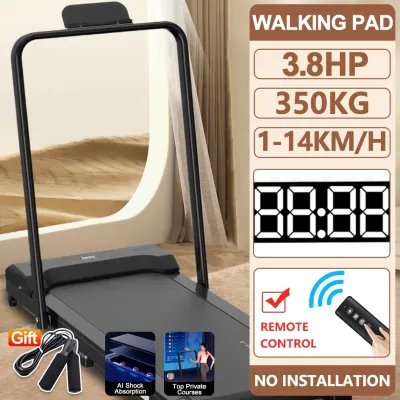
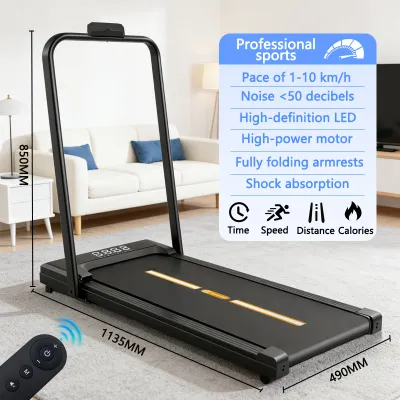
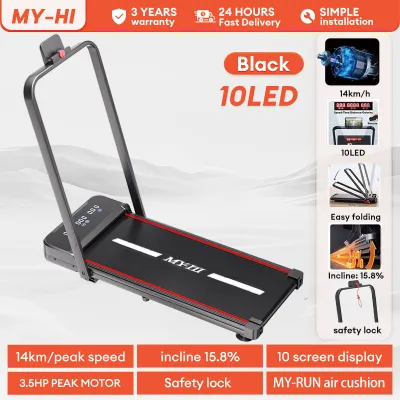
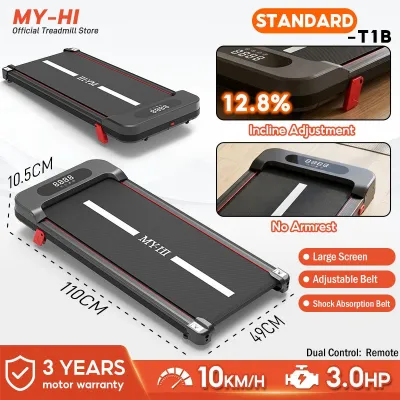
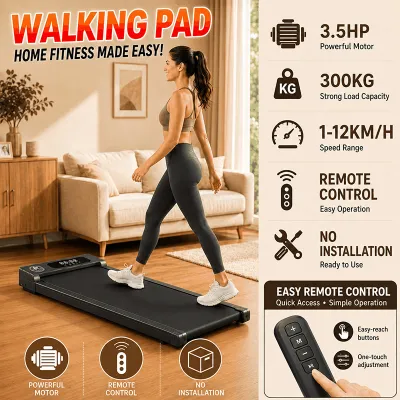
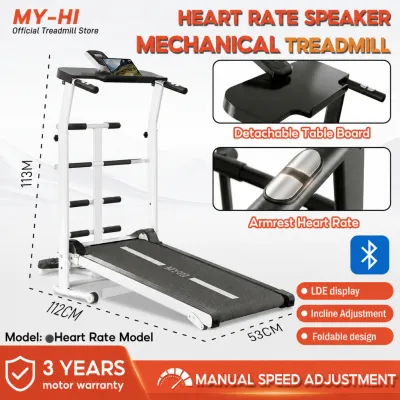
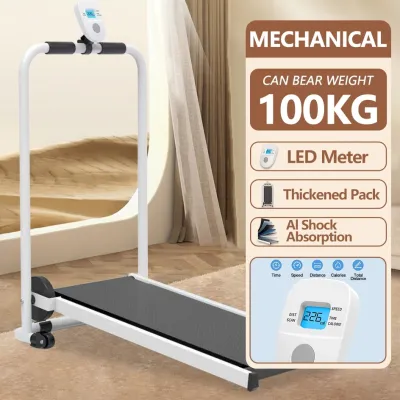
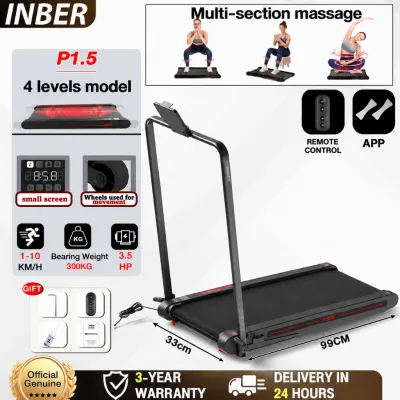
Prices are valid at publication and may change. Please refer to the product page for the latest price.
Next, consult the manufacturer’s specification sheet for the precise length, width, and height of the walking pad. Pay close attention to the recommended safety clearance zones, which typically require unobstructed space behind and on both sides of the belt to prevent injury in case of a slip. These clearance zones are not optional; they are critical safety boundaries that dictate where the machine can realistically operate.
Finally, verify that your condo’s flooring and structural load capacity can support the equipment. Combine your body weight with the weight of the walking pad to determine the total load, and check your building’s association rules or flooring guidelines if you have concerns about weight limits. Choosing a lightweight model or using a load-distributing mat can help mitigate pressure on delicate subfloors.
Strategic Placement for Daily Use and Safety
Finding the right spot for your walking pad requires balancing daily convenience with household safety. Avoid placing the machine in high-traffic walkways, directly in front of swinging doors, or near fragile glass furniture where a sudden loss of balance could lead to a secondary accident. The path around the machine must remain clear so that other household members can move freely while you exercise.

Electrical safety is another paramount consideration in compact spaces. Position the walking pad close enough to a grounded wall outlet so that the power cord reaches comfortably without stretching. Avoid using extension cords or power strips, as fitness equipment motors draw significant current and require a stable, direct connection to prevent overheating. Additionally, ensure the motor housing has adequate ventilation, particularly in humid tropical climates where ambient heat can accelerate wear on internal components.
To make your workouts engaging, evaluate your sightlines and entertainment setups before finalizing the placement. If you plan to watch television or use a tablet, position the walking pad directly facing the screen at eye level to maintain a natural, upright posture. Looking down or twisting your neck while walking can lead to strain and affect your balance, undermining the health benefits of your daily routine.
Smart Storage Solutions for Foldable and Fixed Models
Reclaiming your living space when the walking pad is not in use is essential for maintaining a clutter-free condo. If you own a foldable or flat model, look for low-profile storage opportunities under existing furniture. Measure the vertical gap beneath your sofa, bed, or media console and compare it directly to the folded height specified in your machine’s manual to ensure a smooth fit.
For units without suitable under-furniture clearance, vertical storage is an excellent alternative. Many modern walking pads are designed to stand upright against a wall or feature built-in transport wheels to facilitate easy moving. When storing the machine vertically, always use manufacturer-approved stands or securing straps, and place a protective barrier or silicone pad between the machine and the wall to prevent unsightly scuffs and scratches.
Safety must remain a priority even when the machine is tucked away. Always secure the handrails, console, or folding joints according to the user manual’s instructions before moving or lifting the unit. This prevents accidental unfolding, pinching hazards, or tipping, ensuring that the stored equipment remains completely stable around children or pets.
Multi-Use Area Strategies to Maximize Limited Space
Creating a multi-use zone allows your walking pad to coexist seamlessly with your daily activities. One of the most effective strategies is pairing the machine with an adjustable standing desk, transforming a standard home office into an active workstation. This setup lets you transition from sitting to standing, and finally to walking, all within the same square meterage of your condo.
To keep your fitness area from visually overwhelming your living room, use design elements to define the space. Placing a dedicated area rug under your workstation, adjusting your lighting, or using a lightweight folding screen can visually separate your workout zone from your relaxation areas. This helps maintain a psychological boundary between work, exercise, and rest in a single-room layout.
Cable management is the final touch in keeping a multi-use space clean and safe. Loose cords running across a small room present a major tripping hazard and look disorganized. Use cord covers, floor cable protectors, or adhesive clips to route the walking pad’s power cable neatly along the baseboards, keeping your floor clear and your aesthetic intact.
Frequently Asked Questions (FAQ)
Can I use a walking pad on vinyl or laminate condo flooring?
Yes, but you must take precautions to protect your floors from friction and pressure. Check the walking pad’s base materials and consult your condo’s flooring warranty or care guidelines. To prevent scratches, indentations, and localized wear, always place a high-density equipment mat underneath the machine to distribute the weight and absorb operational vibrations.
Do I need a dedicated electrical circuit for a walking pad?
While a completely dedicated circuit is ideal, it is not always available in standard condo units. Consult your product manual for the exact voltage and amperage requirements of your machine. To ensure safety, always plug the walking pad directly into a grounded wall outlet, and avoid daisy-chaining power strips or running other high-draw appliances on the same circuit while exercising.

Community discussion
Share your experience or ask a question. Comments are reviewed before publication.