
Automatic tents, often called instant or pop-up tents, have revolutionized camping by eliminating the tedious process of threading poles through fabric sleeves. In tropical regions like the Philippines, where sudden rain showers and high humidity are common, the ability to pitch a shelter in under a minute is incredibly valuable. However, the convenience of an integrated frame comes with a trade-off: the poles and joints are under constant tension, making them susceptible to damage if handled incorrectly.
To fold and pack an automatic tent without breaking the frame, you must work with the tent’s natural mechanics rather than against them. Forcing a joint, twisting a pole in the wrong direction, or trapping fabric in the hinges are the primary causes of structural failure. By mastering the correct release sequence, maintaining even pressure, and ensuring the materials are clean and dry, you can preserve the integrity of your tent for many outdoor adventures.
Prepare the Tent: Cleaning and Drying Before Storage
Moisture and debris are the primary enemies of outdoor gear, especially in warm, humid climates where mold and mildew can ruin fabrics within days. Before you begin collapsing the frame, perform a thorough visual inspection of both the interior and exterior of the canopy. Shake out the tent to remove sand, soil, dry leaves, and insects that may have accumulated in the corners during your trip.
Products mentioned in this guide
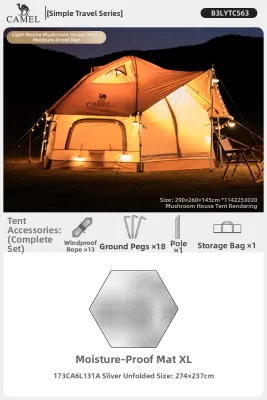
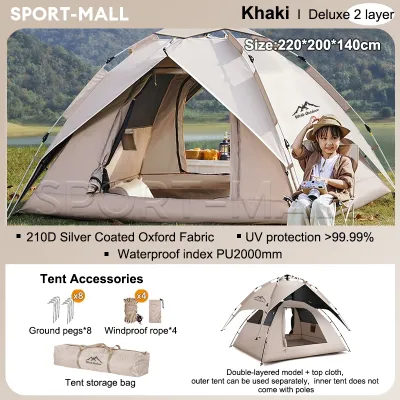
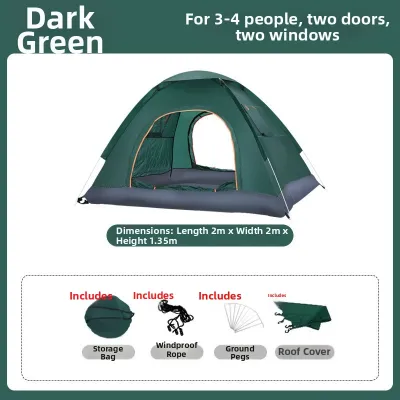
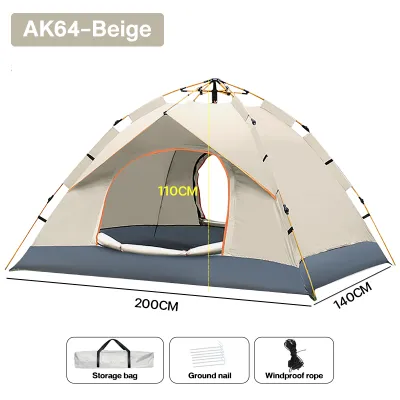
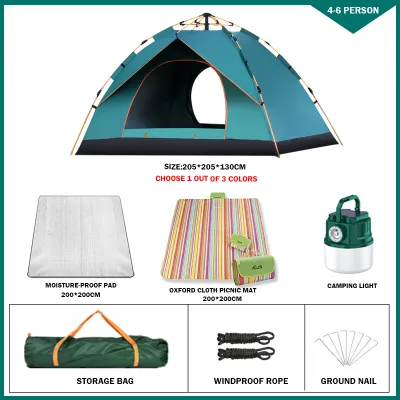
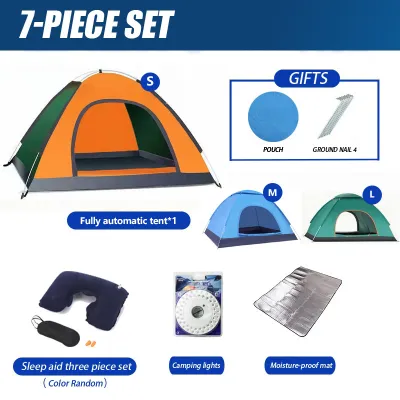
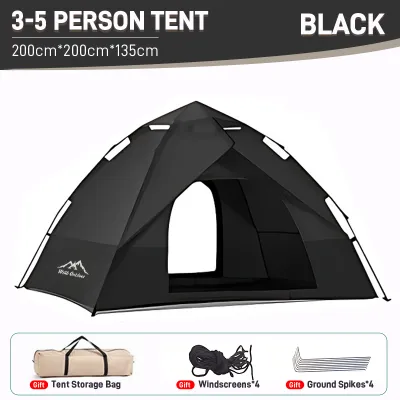
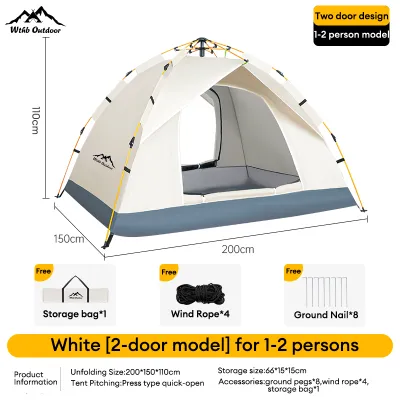
Prices are valid at publication and may change. Please refer to the product page for the latest price.
If you spot mud, tree sap, or bird droppings, clean them immediately using a soft sponge or microfiber cloth with lukewarm water and a mild, non-detergent soap. Avoid harsh chemical detergents, bleach, or abrasive scrubbers. These harsh substances strip away the durable water repellent (DWR) finish and damage the delicate seam tape that keeps rainwater out.
Once clean, the tent must be dried completely before it is packed away. Pitch the tent in a shaded, well-ventilated outdoor area rather than under direct, intense midday sunlight. Prolonged exposure to ultraviolet (UV) rays degrades nylon and polyester fibers, weakening the fabric over time.
Before collapsing the frame, verify that the tent is dry by checking physical indicators. Touch the seams, zippers, webbing, and the underside of the floor, as these areas retain moisture longest. Ensure the plastic or metal joints of the automatic frame are completely dry to prevent rust, corrosion, or stiffness during storage.
Step-by-Step Guide to Collapsing the Automatic Frame
Collapsing an automatic frame requires patience and a systematic approach. Automatic tents generally utilize one of two systems: a central hub system, where you pull cords or press a hub at the top, or a telescoping pole system with push-button locks on the legs. Before starting, ensure all personal gear is removed from the interior and keep the doors and windows partially unzipped to allow trapped air to escape easily as you compress the tent.

First, locate and operate the central release mechanism. For hub-style tents, this often involves pulling two cords in opposite directions or depressing a central release button. For telescoping styles, locate the metal spring buttons on each leg, press them in, and slide the lower poles into the upper poles to shorten the legs.
Always stand in a position where you can maintain balanced hand placement. Distribute your physical pressure evenly across the frame to guide it down, preventing asymmetric bending which can warp or snap the poles. Keep your hands positioned away from the hinges to avoid pinching your skin as the frame folds.
As the frame begins to collapse and sag, the canopy fabric will billow outward. Carefully tuck and fold the fabric inward, away from the moving joints and hinges. If the fabric gets caught in a hinge as it closes, the sharp edges can easily puncture or tear the material, compromising its waterproof capabilities.
Gather the outer poles together at the center, folding them inward like an umbrella. For circular pop-up tents, hold the gathered frame upright, bend the top of the tent down to the base, and twist the sides inward to form a figure-eight. The loops will naturally fold over each other into a neat circle.
Throughout this process, establish clear stop conditions. If you feel strong resistance, hear a cracking sound, or notice a joint binding, stop immediately. Never force the frame. Release the tension, let the tent open back up slightly, check for caught fabric or misaligned poles, and restart the sequence.
Secure and Store the Folded Tent Properly
Once the tent is collapsed, it must be secured properly to maintain its shape and prevent the frame from springing open. Use the built-in compression straps or tie cords provided with the tent. Wrap them snugly around the folded frame and fabric to keep the bundle compact, but avoid over-tightening, which can pull the folded poles at unnatural angles and cause them to warp.
Next, pack the tent into its carry bag. Slide the secured bundle into the bag smoothly. If the bag feels tight, do not force the zipper or yank the fabric, as this can tear the seams of the bag or damage the tent. Instead, compress the tent further by gently kneeling on it to squeeze out any remaining air, then slide the bag over the tent.
The long-term storage environment is just as important as the packing process. Store the packed tent in a cool, dry, and dark place. In humid environments, avoid damp garages, outdoor sheds, or concrete floors where moisture can seep in and encourage mold growth. A closet shelf inside an air-conditioned or well-ventilated room is ideal.
Additionally, never place heavy storage boxes, tools, or other camping gear on top of the packed tent bag. Constant heavy weight can warp the fiberglass poles or crack the plastic joints, rendering the automatic mechanism useless for your next trip.
Troubleshoot Common Folding and Packing Issues
Even with careful handling, you may encounter issues during the folding process. Knowing how to identify and resolve these minor problems quickly will prevent permanent damage to your equipment.
- Fabric caught in joints: If you feel resistance and notice fabric pinched in a hinge, do not pull hard. Gently back the joint open to release the tension, slide the fabric out, and inspect it for damage. If a small tear has occurred, apply a gear repair patch immediately to maintain water resistance.
- Uneven collapse or lopsided frame: If one side of the tent folds easily but the other remains rigid, the tension is likely misaligned. Reset the process by opening the tent back up to its semi-erect state. Ensure all leg locks are fully released and that no poles are twisted or overlapping incorrectly before trying again.
- Structural damage: Inspect the joints and poles for hairline cracks, splinters in fiberglass, or deep bends in aluminum. If you find a broken hinge or a splintered pole, do not attempt to force the tent closed or use it. Stop the process and consult the manufacturer or a qualified outdoor gear repair professional for replacement parts.
Frequently Asked Questions (FAQ)
Can I leave an automatic tent packed while it is still slightly damp?
No, you should never store a damp tent long-term. In warm, humid climates, mold and mildew can develop within 24 to 48 hours, causing a foul odor and permanently damaging the waterproof polyurethane coatings. If you must pack up in the rain, unpack the tent as soon as you return home, hang it up in a well-ventilated indoor space, and let it dry completely before storing it.
How often should I inspect the frame joints and fabric?
Perform a thorough inspection twice for every camping trip: once before you leave to ensure everything is functional, and once after you return during the cleaning process. Check the joints for smooth operation, look for loose screws or rivets, inspect the fabric for wear or punctures, and verify that the carry bag straps and zippers are intact.

Community discussion
Share your experience or ask a question. Comments are reviewed before publication.