
To successfully target prized saltwater game fish like tanigue (Spanish mackerel) and lapu-lapu (grouper) in coastal waters, you must match your lure selection to the distinct feeding zones and predatory behaviors of these species. Tanigue are fast, visual, open-water hunters that strike shiny, fast-moving lures in the upper water column. Conversely, lapu-lapu are structure-bound ambush predators that require slow, high-vibration, or bottom-contact lures presented directly in their rocky hiding spots. Selecting the right lure is a matter of understanding where these fish live, how they hunt, and how environmental factors like tides and water clarity influence their behavior.
Understanding the Feeding Habits of Tanigue and Lapu-Lapu
Tanigue patrol the open ocean, often near drop-offs, reefs, and current lines where baitfish congregate. These pelagic predators rely on their exceptional speed and keen eyesight to hunt. They typically target schooling baitfish such as tamban, slashing through the school to injure prey before turning back to swallow them. Because they hunt by sight in the upper water column, they are highly responsive to flash, splash, and rapid movement.
Lapu-lapu inhabit a completely different realm, dwelling on the sea floor among coral reefs, rocky outcroppings, and underwater structures. As classic ambush predators, they rarely chase prey over long distances. Instead, they blend into their surroundings and wait for unsuspecting crabs, shrimp, or small reef fish to wander too close. When prey approaches, the lapu-lapu opens its massive mouth, creating a powerful vacuum that sucks the target in instantly.
Products mentioned in this guide
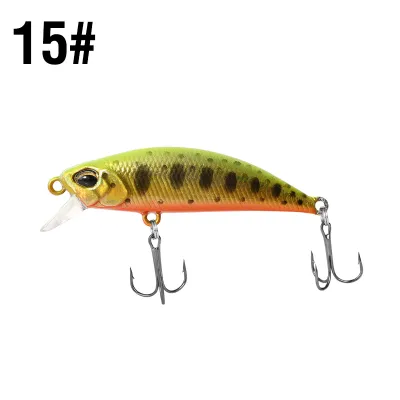
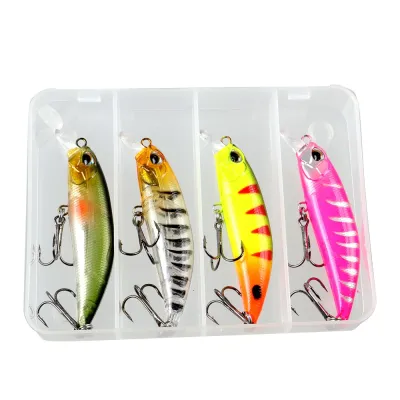
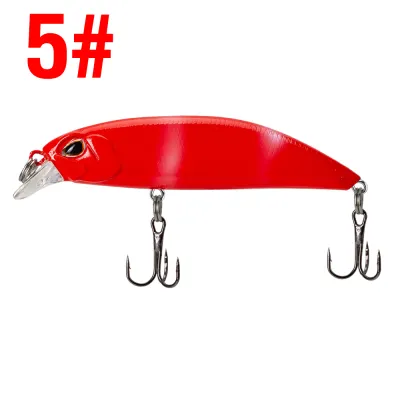
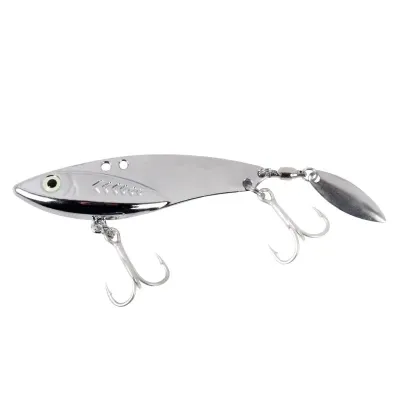
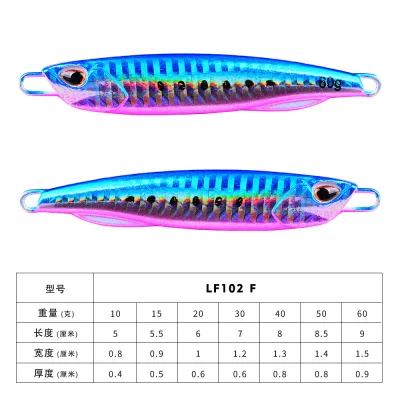
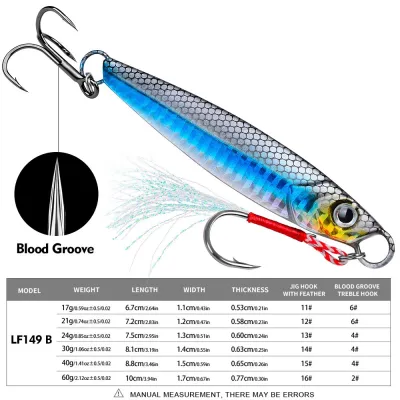
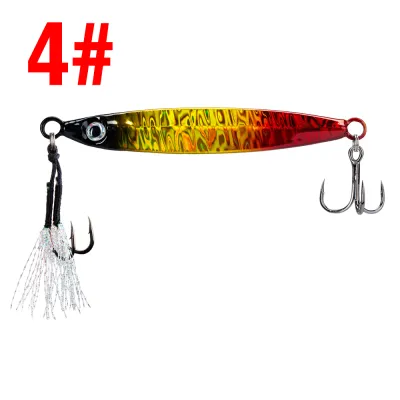
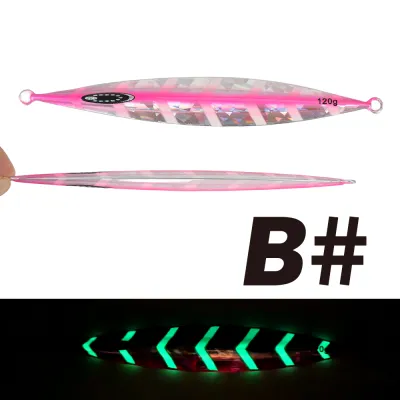
Prices are valid at publication and may change. Please refer to the product page for the latest price.
Tidal movements and water clarity dictate the activity levels of both species. Strong tidal currents stir up nutrients, activating baitfish and prompting both tanigue and lapu-lapu to feed aggressively. Clear water conditions favor visual hunters like tanigue, making realistic lure finishes and high-speed retrieves essential to prevent the fish from spotting the deception. In contrast, murky water or deep-reef environments limit visibility, meaning lapu-lapu must rely on their lateral lines to sense the vibrations of your lure.
Matching Lure Types to Water Columns and Fish Behavior
To maximize your catch rate, you must present your lure in the specific water column where your target species is actively feeding. Saltwater environments are generally divided into surface, mid-water, and bottom zones. Choosing the wrong lure type for a specific zone often results in a quiet day on the water, regardless of how realistic your lure looks.

Successful anglers constantly monitor their surroundings for clues on where to fish. If you observe birds diving or baitfish skipping across the surface, focus your efforts on the surface and subsurface zones. If your fish finder reveals deep rocky structures or drop-offs, transition immediately to bottom-contact presentations. Being prepared to switch tactics based on real-time conditions is key to consistent saltwater success.
Surface and Subsurface Lures: Poppers and Plugs
Surface poppers are designed to create a loud splashing and chugging commotion on the water’s surface. This dramatic action mimics a panicked baitfish fleeing for its life, which can trigger explosive surface strikes from schooling tanigue. Poppers are highly effective during low-light periods, such as early morning or late afternoon, when pelagic predators patrol the shallows and surface boundaries.
Subsurface plugs, including minnows and shad profiles, operate just beneath the surface. These hard-bodied lures feature a plastic lip that determines their diving depth and swimming action. A sinking or suspending minnow plug is an excellent choice when tanigue are feeding a few meters down, as its tight, shimmering roll mimics an injured baitfish trying to rejoin the school.
Before casting hard baits into saltwater, always inspect the integrity of the hooks and split rings. Saltwater game fish possess incredible crushing power and sharp teeth that can easily bend or snap standard freshwater hardware. Ensure your lures are rigged with heavy-duty, saltwater-grade treble hooks and reinforced split rings. Replacing factory treble hooks with inline single hooks can also improve hook penetration and make releasing fish much safer.
Mid-Water and Bottom Lures: Jigs and Soft Plastics
Metal jigs are the ultimate tool for vertical jigging in deep water, along steep drop-offs, and around underwater pinnacles. Their heavy, streamlined bodies sink rapidly through strong currents, allowing you to reach the deep zones where lapu-lapu and deep-dwelling tanigue reside. The fluttering action of a jig on the drop, followed by an erratic darting motion on the retrieve, is highly enticing to deep-water predators.
Soft plastics, such as paddle-tails and jerk-shads rigged on weighted jig heads, are incredibly effective for targeting lapu-lapu. The soft, lifelike texture of these lures prompts the fish to hold onto them longer, giving you a crucial extra second to set the hook. Fished slowly along the bottom, soft plastics mimic the natural movement of crabs, shrimp, or small bottom-dwelling fish.
Matching your jig weight to the current speed and water depth is critical for maintaining control. If your lure is too light, the current will sweep it away from the bottom strike zone, preventing you from reaching the lapu-lapu hiding in the rocks. Conversely, an overly heavy jig may sink too quickly and snag on the reef. As a general rule, use the lightest weight that still allows you to maintain consistent bottom contact and keep your line as vertical as possible.
Selecting Lure Size, Color, and Action
Selecting the right lure size requires observing the local forage, a practice often called matching the hatch. If the coastal waters are teeming with small anchovies, deploying a massive lure will likely result in fewer strikes. However, when targeting large, territorial lapu-lapu, using an oversized lure can trigger aggressive territorial strikes, as these fish will defend their home crevices from perceived intruders.
Color selection should be guided by water clarity and light penetration. In clear water and bright sunlight, natural and reflective colors like silver, blue, green, and white work best because they mimic the natural camouflage of live baitfish. In stained, turbid water, or during overcast days, transition to high-contrast colors like chartreuse, bright pink, or solid black, which create a distinct silhouette that fish can easily track.
Lure action is another critical variable to consider. Fast-moving pelagic species like tanigue are highly responsive to tight, high-frequency vibrations that signal a fast-fleeing prey. Slow-moving, cold-blooded bottom dwellers like lapu-lapu respond better to wide, slow, thumping actions that emit low-frequency vibrations, allowing them to locate the lure even when hiding deep inside dark rocky crevices.
Rigging and Retrieving Techniques for Saltwater Lures
Selecting the appropriate leader material is a critical decision that depends on your target species and the surrounding environment. Tanigue have razor-sharp, scissor-like teeth that can instantly slice through standard fishing lines. For these toothy predators, a short multi-strand wire leader is highly recommended to prevent bite-offs, though you should keep it as short and thin as possible to avoid spooking wary fish. For lapu-lapu, wire is unnecessary; instead, use a thick, abrasion-resistant fluorocarbon leader. Lapu-lapu will immediately dive back into sharp coral or rocks once hooked, and a heavy fluorocarbon leader is essential to withstand this intense friction.
To maximize the natural swimming action of your lures, avoid tying rigid knots directly to the lure eye. Instead, use a loop knot, such as the Rapala loop knot, which allows the lure to swing and swim freely. For connecting your main braided line to your leader, a high-strength, slim knot like the FG knot is indispensable, as it glides smoothly through rod guides during long casts.
Your retrieval cadence should match the design of the lure and the behavior of the fish. For poppers, use a pop-and-pause rhythm, sweeping the rod tip firmly to create a loud splash, then pausing for a few seconds to let the fish strike. For metal jigs, employ a rhythmic lift-and-drop motion, winding the reel on the downward stroke to make the jig dance upward before letting it flutter back down. When fishing soft plastics for lapu-lapu, use a slow, hopping retrieve along the bottom, keeping tension on the line to feel for the subtle thump of a strike.
Identifying strikes and setting the hook properly requires focus and quick reflexes. A tanigue strike is usually violent and fast, often occurring as the fish slashes at the lure. Do not strike immediately; wait until you feel the weight of the fish bend the rod, then set the hook with a firm, sweeping motion. For lapu-lapu, the strike can feel like a sudden heavy weight or a sharp tap. Because they immediately try to retreat into their holes, you must set the hook instantly and crank the reel handle rapidly to pull them away from the sharp structure before they can wedge themselves in.
Cleaning and Maintaining Saltwater Lures
Saltwater is highly corrosive and will quickly ruin hooks, split rings, and lure finishes if left untreated. After every fishing trip, thoroughly rinse all used lures in clean, fresh water. This simple step removes salt crystals, sand, and organic debris that accumulate in hook eyes, jointed sections, and split rings.
Regularly inspect your lures for signs of wear and tear. Check hook points for dullness; a dull hook will fail to penetrate the hard mouths of tanigue and lapu-lapu. Use a hook sharpener to restore the edge, or replace the hooks entirely if they show signs of rust or bending. Examine split rings for rust or deformation, replacing them immediately to prevent catastrophic gear failure on your next big fish.
Proper storage is essential for extending the lifespan of your saltwater lures. Never store wet lures in a closed tackle box, as the trapped moisture will accelerate corrosion on all surrounding gear. Allow your lures to air-dry completely on a towel in a shaded, well-ventilated area before storing them. Keep your tackle boxes out of direct sunlight, as prolonged UV exposure can fade paint finishes, warp plastic bodies, and degrade soft plastic tails.
Frequently Asked Questions (FAQ)
Do I need a wire leader when fishing for tanigue with soft plastics?
Yes, a wire leader or a very thick fluorocarbon bite tippet is highly recommended when targeting tanigue with soft plastics. Tanigue possess razor-sharp teeth that can easily slice through standard fishing lines during a strike. While a wire leader provides maximum protection against bite-offs, it can sometimes reduce the natural swimming action of lightweight soft plastics. If the water is exceptionally clear and the fish are shy, you can opt for a heavy fluorocarbon leader (80-pound test or higher) as a compromise, though you still run a minor risk of getting cut off by a direct toothy strike.
What is the best time of day to use surface poppers?
The most productive times to use surface poppers are during low-light periods, specifically early morning just before and after sunrise, and late afternoon leading into dusk. During these hours, predatory fish like tanigue move closer to the surface and shallow reef edges to hunt, using the low light to ambush baitfish. Additionally, calm water surfaces during these times make the splash and bubble trail of a popper highly visible and enticing. Cloud-covered days or areas with a light surface chop can also extend the topwater bite window, as the broken surface diffuses sunlight and makes predators bolder.

Community discussion
Share your experience or ask a question. Comments are reviewed before publication.