
The best foldable tent for your camping style in the Philippines depends on how you travel, where you pitch, and the local weather conditions you expect to face. For casual beach trips and quick day use, a rapid-setup pop-up tent offers unmatched convenience. If you are planning a family car camping trip where comfort and standing room are priorities, a rigid frame tent is the ideal choice. For those venturing into the mountains or facing unpredictable tropical weather, a classic dome tent provides the necessary wind resistance, structural integrity, and packability. Matching your specific camping style to the correct tent architecture ensures you stay dry, comfortable, and secure during your outdoor adventures.
Camping in the Philippines presents unique environmental challenges, including high humidity, sudden torrential downpours, and intense coastal winds. Selecting a foldable tent requires looking beyond simple aesthetics to evaluate structural design, ventilation capabilities, and material specifications. By understanding how different tent types perform under these specific conditions, you can make an informed decision that enhances your safety and comfort on the trail or by the shore.
Understanding the Main Types of Foldable Tents
Pop-up tents feature integrated, flexible fiberglass poles sewn directly into the fabric. When released from their carrying bag, the spring-like tension of the poles causes the tent to instantly spring into shape. This rapid deployment makes them incredibly popular for quick setups. However, because the poles are permanently attached and coiled, pop-up tents typically pack down into a flat, circular disc. This shape can be awkward to carry on long hikes and is generally better suited for transport in a vehicle trunk.
Products mentioned in this guide
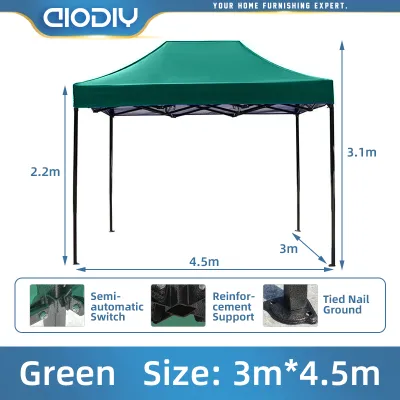
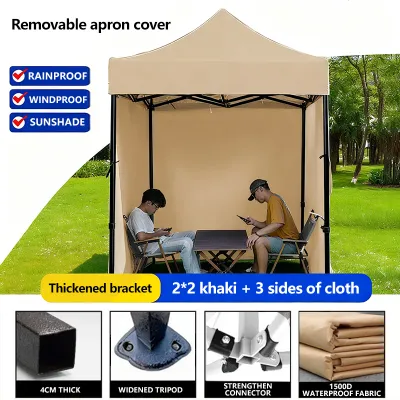
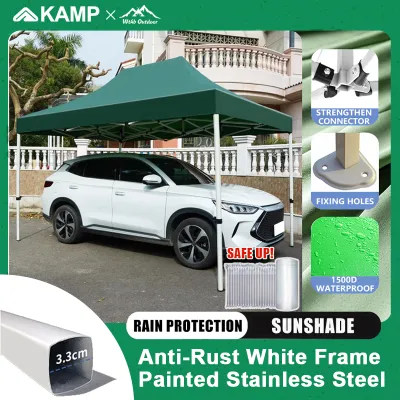
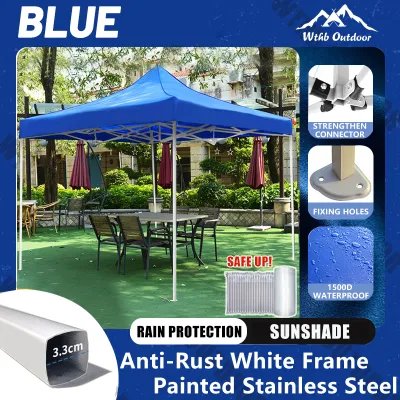
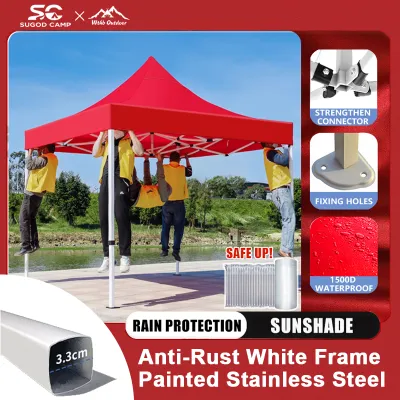
Prices are valid at publication and may change. Please refer to the product page for the latest price.
Frame tents are characterized by rigid, heavy-duty poles made of steel or thick aluminum, designed to maximize interior space. They often feature near-vertical walls and high ceilings, allowing campers to stand upright comfortably. The assembly process is more involved than other foldable designs, requiring you to connect a network of poles and secure the canopy. Because of their robust materials and larger dimensions, frame tents are significantly heavier and bulkier when packed, making them a dedicated option for car camping rather than backpacking.
Dome tents utilize two or more intersecting poles that arch over a rectangular or hexagonal base, making them the classic choice for versatile outdoor use. The intersecting geometry naturally distributes wind forces across the entire structure, giving dome tents excellent stability in gusty conditions. They are highly adaptable to various terrains, from grassy campsites to rocky mountain ridges. When packed, dome tents compress into compact, cylindrical stuff sacks that fit easily inside or on the outside of a hiking backpack.
Matching Tent Types to Specific Camping Scenarios
When your campsite is hours of trekking away, every gram in your pack matters. For solo hikers and backpackers navigating trails like Mount Pulag or Mount Daraitan, a lightweight dome tent is highly recommended. These tents offer a balanced ratio of weight to interior space and can withstand the cooler, windier conditions of high-altitude campsites. While some ultra-compact pop-up tents exist, their circular packed shape makes them highly impractical for trail mobility, as they cannot be easily balanced on a standard backpacking frame.

If you are heading to a managed campsite in Tagaytay or Laguna with family and a vehicle full of gear, comfort and space take precedence over weight. A large frame tent is the ideal solution for these scenarios. The generous headroom allows for easy changing, and many models offer multi-room dividers to separate sleeping quarters from gear storage. This setup creates a home-like environment where family members can move freely without feeling cramped, especially during afternoon rain showers when everyone must stay indoors.
Coastal camping in destinations like Anawangin Cove or San Juan, La Union, demands quick shelter from the intense tropical sun. Pop-up tents excel in these casual, day-use environments. Their rapid deployment means you can have a shaded retreat ready within seconds of arriving at the beach. Additionally, many pop-up designs feature large mesh windows that facilitate cross-ventilation, which is crucial for staying cool in humid coastal areas. Their lightweight, flat profile is easy to carry from the parking lot directly to the shoreline.
Key Selection Criteria Beyond the Basic Structure
Do not assume that every foldable tent is fully waterproof. When shopping, check the manufacturer’s specifications for the hydrostatic head rating, which is measured in millimeters (mm). For the tropical rains common in the Philippines, look for a rating of at least 1,500mm to 3,000mm to ensure the fabric can resist water penetration. Additionally, inspect the seams of the tent to verify they are factory-taped, which prevents water from seeping through the needle holes. Adequate ventilation, such as mesh panels and adjustable rainfly vents, is also essential to prevent condensation buildup inside the tent during humid nights.
Tent capacity ratings (such as a “4-person tent”) are typically based on the maximum number of people who can lie side-by-side without any gear. To ensure a comfortable trip, compare the actual floor dimensions listed on the product tag against the measurements of your sleeping pads or air mattresses. If you plan to store your backpacks, coolers, and shoes inside the tent, it is generally wise to choose a tent rated for one or two people more than your actual group size.
The longevity of your foldable tent depends heavily on the quality of its fabrics. Look at the denier (D) rating in the product specifications, which indicates the thickness and density of the fabric threads. A higher denier rating, particularly for the tent floor (such as 150D or higher), indicates greater resistance to punctures and abrasions from rocks, twigs, and rough ground. The canopy and rainfly can have a lower denier rating (such as 68D or 75D) to keep the overall weight manageable while still providing adequate protection.
Maintenance and Care for Longevity
After returning from a camping trip, take the time to clean your tent thoroughly to remove dirt, sand, and organic debris. Shake out the interior to remove loose particles, then wipe down both the inside and outside of the canopy and floor using a soft cloth and clean water. Avoid using harsh chemical detergents, bleach, or abrasive sponges, as these can strip away the protective polyurethane coatings and damage the fabric fibers. For stubborn spots, a mild, non-detergent soap is sufficient.
Never pack away a wet or damp tent for long-term storage. The combination of moisture and warmth in tropical climates creates the perfect breeding ground for mold, mildew, and musty odors, which can permanently ruin the fabric and degrade the waterproof coatings. Pitch the tent in a shaded, well-ventilated outdoor area or drape it loosely over a clothesline until every section, including the guy lines and carrying bag, is completely dry. Avoid leaving the tent in direct, intense sunlight for extended periods, as ultraviolet rays can weaken the synthetic fibers over time.
Once the tent is completely dry, fold or stuff it loosely into its storage bag. Avoid folding the tent along the exact same crease lines every time, as this can cause permanent creases that weaken the waterproof coating over time. Store the tent in a cool, dry indoor environment, such as a closet or shelf, away from direct sunlight, high humidity, and sharp objects. Avoid storing your gear in hot outdoor sheds or car trunks, as extreme heat can cause the seam tape to peel and the waterproof coatings to degrade prematurely.
Frequently Asked Questions (FAQ)
Can I use a pop-up tent for overnight backpacking?
While pop-up tents are incredibly convenient for quick setups, they are generally not recommended for overnight backpacking trips. Their integrated pole system forces them to pack down into a large, flat disc that is highly awkward to carry on a trail and does not fit well inside standard hiking packs. Additionally, many casual pop-up models are designed primarily for fair-weather day use and may lack the robust weatherproofing, wind resistance, and durable materials required to withstand overnight exposure in remote or high-altitude environments. Always check the manufacturer’s specifications to verify if a specific model is rated for overnight wilderness camping.
How do I secure a foldable tent on sandy or rocky ground?
Securing a tent on challenging terrain requires adapting your anchoring techniques. On sandy beaches, standard thin metal stakes will easily pull out under wind pressure; instead, use specialized wide sand pegs, or bury small stuff sacks filled with sand to act as deadman anchors. On hard, rocky ground where stakes cannot penetrate, utilize the tent’s guy lines to tie the structure to heavy, stable rocks or nearby natural features like tree roots. Ensuring your tent is properly tensioned and anchored prevents it from shifting or collapsing during sudden coastal gusts or mountain winds.

Community discussion
Share your experience or ask a question. Comments are reviewed before publication.