
Selecting the right life vest jacket for adult water sports requires matching the specific demands of your activity with the appropriate buoyancy design and fit. A vest that works well for calm paddleboarding may restrict movement during kayaking or fail to provide adequate support in open water. To make the correct choice, you must evaluate your primary water activities, understand safety labels, and verify the proper fit to ensure reliable protection on the water.
In the tropical waters of the Philippines, where high humidity, intense sun, and salt water can rapidly degrade gear, choosing a durable and well-fitted personal flotation device (PFD) is essential. Whether you are paddling through calm lagoons in El Nido, catching waves in Siargao, or snorkeling over deep reefs, understanding how a vest interacts with your body and your sport ensures you stay safe without compromising your mobility.
Understanding Buoyancy Types and Safety Labels
Before purchasing a life vest jacket for adult water sports, you must understand the three primary flotation designs: inherent foam, inflatable, and hybrid. Inherent foam vests rely on built-in flotation panels, usually made of plastic foams like PVC or polyethylene. These vests are highly reliable because they require no manual activation, provide immediate buoyancy upon entering the water, and require minimal maintenance beyond rinsing with fresh water after use in salty environments.
Products mentioned in this guide
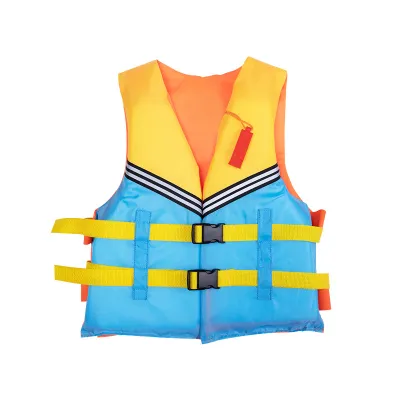
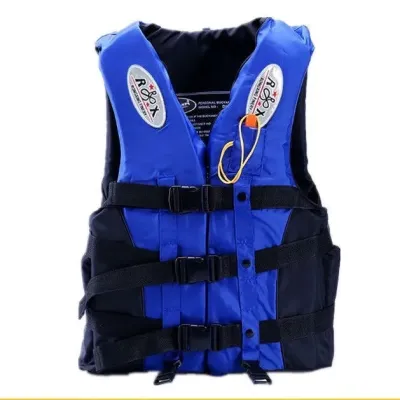
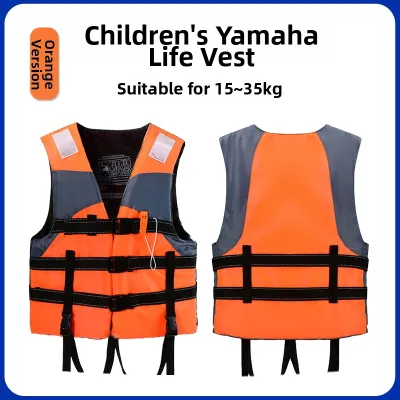
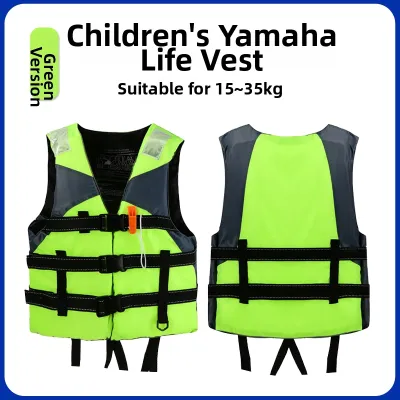
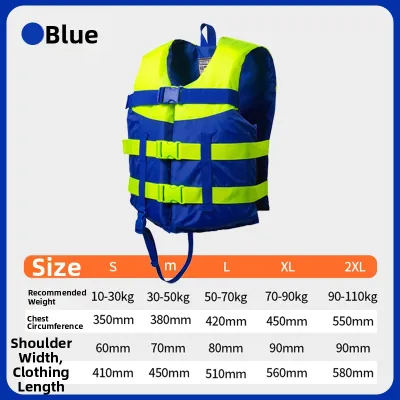
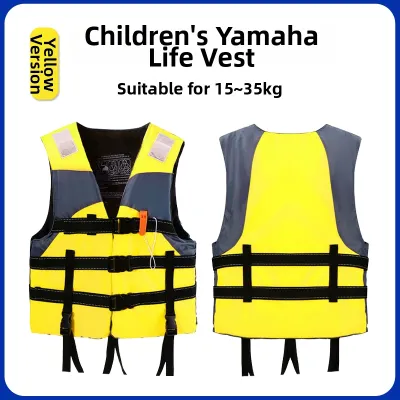
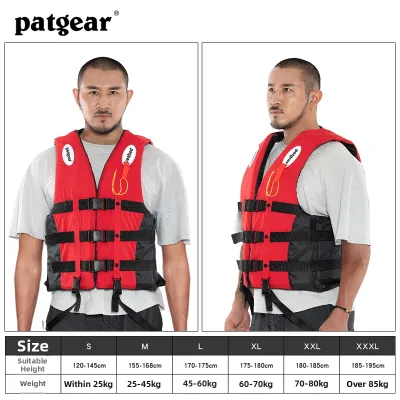
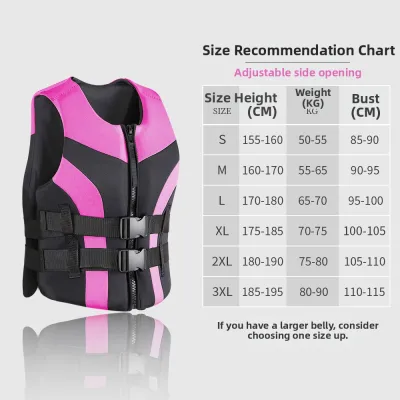
Prices are valid at publication and may change. Please refer to the product page for the latest price.
Inflatable life vests utilize CO2 gas cartridges to inflate the bladder, either automatically upon immersion or manually via a pull-tab. While they are low-profile and comfortable in hot, humid climates, they require regular inspection of the inflation mechanism, cylinder, and indicator clips. Hybrid designs combine a small amount of inherent foam with an inflatable chamber, offering a baseline of buoyancy even before the inflation mechanism is triggered.
When evaluating any life vest, you must read the manufacturer’s label printed directly on the inside of the fabric. This label specifies the buoyancy rating, typically measured in Newtons (N), and outlines the intended water conditions. Look for official certification marks, such as those from the Philippine Coast Guard (PCG), the United States Coast Guard (USCG), or international ISO standards, to verify that the vest has undergone rigorous safety testing. Never rely on unbranded vests that lack these clear, printed specifications on their inner tags.
Choosing the Right Vest for Your Specific Water Activity
Every water sport places unique physical demands on your body, meaning a vest designed for one activity may hinder you in another. Selecting the right gear requires balancing the need for immediate flotation against the range of motion required for your sport. For instance, high-exertion paddling requires maximum shoulder clearance, while surface snorkeling demands a design that keeps you comfortably face-down without riding up against your neck.

By evaluating the specific environment, movement patterns, and potential hazards of your chosen sport, you can narrow down the ideal vest style. Below is a detailed breakdown of how to match your life vest to common recreational and competitive water activities.
Kayaking and Canoeing
Paddling sports require continuous, repetitive arm movements and a seated posture that can cause standard life vests to shift uncomfortably. When selecting a life vest jacket for adult kayaking or canoeing, look for a high-back or low-profile foam design. These models feature large armholes that prevent chafing along your inner arms and a shorter torso length that prevents the bottom of the vest from pushing up against your chin when you sit in a kayak seat.
Additionally, check for practical utility features that enhance your safety and convenience on the water. Secure, zippered pockets are essential for keeping small items like a whistle or a waterproof communication device within reach. Reflective trim or high-visibility panels are also crucial, especially when paddling during early morning hours or late afternoons when visibility on open water can drop rapidly.
Stand-Up Paddleboarding (SUP)
Stand-up paddleboarding requires excellent core balance and an unobstructed range of motion for deep paddling strokes. If you are paddling in calm, flat waters close to shore, a waist-mounted belt-pack inflatable PFD is often a highly comfortable choice. These belt packs remain completely out of the way around your waist until needed, at which point you pull a cord to inflate the bladder and slip it over your head.
However, if you are paddling in rougher coastal waters, high winds, or areas with strong currents, a low-profile inherent foam vest is much safer. Ensure the foam vest is streamlined and fits snugly against your torso. This allows you to easily climb back onto your paddleboard from the water without the front of the vest snagging on the rail of the board, which can exhaust your energy during repeated remounts.
Snorkeling and Surface Water Sports
Snorkeling involves spending long periods floating face-down on the water’s surface, which requires a specialized approach to buoyancy. Standard recreational life vests can ride up around your ears when you float horizontally, causing discomfort and restricting your breathing. To prevent this, look for snorkeling vests that feature adjustable crotch straps or leg loops. These straps run between your legs to anchor the vest firmly in place, keeping the flotation centered on your chest.
Visibility is another critical safety factor when snorkeling near boat traffic or jet ski lanes. Choose vests in bright, high-visibility colors such as neon yellow, orange, or hot pink. These bright shades make it much easier for boat operators, lifeguards, and your snorkeling companions to spot you against the dark blue or green hues of the ocean surface.
Open Water Swimming and Triathlons
Continuous, long-distance swimming requires a highly streamlined profile to minimize drag and prevent severe skin chafing. Standard life vests are too bulky and restrictive for the repetitive overhead strokes of freestyle swimming. Instead, open-water swimmers and triathletes should look for specialized swim-specific buoyancy aids, neoprene vests, or tow-floats.
Before participating in any organized swim or triathlon, verify the specific event regulations regarding flotation aids, as some competitive races only permit specific types of safety buoys. Ensure that any wearable swim aid fits like a second skin, with flatlock seams and soft edge bindings that minimize friction around your neck, armpits, and shoulders during thousands of consecutive strokes.
Essential Fit and Sizing Checks for Adults
A life vest cannot protect you if it does not fit correctly, regardless of its buoyancy rating or design. When shopping for a life vest jacket for adult use, never select a size based on your standard t-shirt or clothing size. Instead, use a flexible measuring tape to measure the widest part of your chest, and compare this measurement directly against the manufacturer’s specific sizing chart. Your weight is also a factor, as vests are rated for minimum weight capacities to ensure adequate buoyancy.
Once you have the vest on, perform a physical “lift test” to verify the fit. Loosen all the straps, put the vest on, and zip it up. Then, tighten every strap starting from the waist and working your way up to the shoulders. Have a friend grab the shoulder straps of the vest and pull firmly upward. If the vest slides up past your nose or chin, it is too loose or too large, and you must either tighten the straps further or try a smaller size.
Finally, test your range of motion while wearing the fully tightened vest. Bend forward, twist your torso, and mimic the arm movements of your specific sport. The vest should feel snug and secure, like a firm hug, without restricting your ability to take deep breaths or move your arms freely. If you feel pinching, restricted breathing, or severe pressure on your ribs, adjust the straps or try a different model with a more flexible panel layout.
Cross-Activity Compatibility: Can One Vest Cover Multiple Sports?
If you enjoy a variety of water sports, you might wonder if you can buy a single, versatile life vest instead of purchasing specialized gear for every activity. Investing in multiple highly specialized vests can be expensive, with quality gear costing several thousand pesos (₱). For casual, low-impact recreational activities in calm waters—such as occasional kayaking, light paddleboarding, and recreational snorkeling—a single, well-fitted, low-profile inherent foam vest can often serve as a safe, multi-purpose option.
However, this cross-activity approach has strict limitations. High-speed water sports, such as wakeboarding, water skiing, or riding a jet ski, subject you to high-impact falls. These activities strictly require specialized, impact-rated vests with multiple heavy-duty buckles and reinforced seams designed to withstand high-velocity water entry. A lightweight paddling vest or an inflatable belt pack will not survive these impacts and may fail to protect you when you need it most.
Ultimately, you must prioritize safety over convenience. If your activities span both high-impact sports and low-speed paddling, you should maintain separate, dedicated vests. For low-risk, calm-water environments, a high-quality, general-purpose foam vest is a highly practical compromise, provided it fits perfectly and does not restrict the specific movements of any of the sports you practice.
Frequently Asked Questions (FAQ)
How often should I replace my adult life vest jacket?
You should inspect your life vest before every season and replace it immediately if you observe physical signs of degradation. Look for crushed or hardened foam panels that do not rebound when squeezed, as compressed foam loses its buoyancy. Inspect the fabric for severe fading from ultraviolet (UV) exposure, mold, mildew, or tears, and check that the straps are not frayed or brittle. For inflatable vests, you must check the expiration dates on the CO2 cylinders and replace the bobbin or firing mechanism according to the manufacturer’s recommended service intervals, which is typically every one to three years depending on humidity exposure.
Are inflatable life vests allowed for all water sports?
No, inflatable life vests are not universally permitted or recommended for all water activities. Because they require active deployment (either manual pulling or automatic water contact), they are generally not recommended for weak swimmers, non-swimmers, or children. They are also highly unsuitable for high-impact sports like wakeboarding, tubing, or jet skiing, where a fall could knock you unconscious before you can pull the inflation cord, or where the impact itself could rupture the bladder. Always check local maritime regulations, such as those from the Philippine Coast Guard, and specific event rules to ensure inflatable models are legally permitted for your activity.

Community discussion
Share your experience or ask a question. Comments are reviewed before publication.