
Selecting the right Noeby fishing rod requires aligning the equipment’s action, power, and length with your specific angling technique and the fish you intend to catch. In tropical environments like the Philippines, where angling conditions range from humid freshwater lakes to highly corrosive saltwater coastlines, your gear must be carefully chosen to withstand the elements. By evaluating key factors like rod action, power, and length, you can ensure your setup provides the necessary responsiveness and durability for your specific fishing adventures.
Understanding Your Fishing Style and Technique
Your casting style and choice of reel dictate the fundamental design of the rod you need. Spinning rods, which feature larger guides facing downward, are highly forgiving and excellent for casting lightweight lures or live bait into the wind. Baitcasting rods, with smaller guides facing upward, offer superior accuracy and control for heavier lures, though they require more practice to master without causing line tangles. Light lure techniques, such as micro-jigging or finesse casting, demand highly sensitive blanks that can transmit the subtle vibrations of small lures.
In tropical environments, high humidity and sudden coastal winds can significantly affect your casting mechanics. Larger guides on a spinning rod allow the line to flow with minimal friction, which helps overcome wind resistance when casting light lures. For baitcasting setups, managing spool tension becomes critical in windy conditions to prevent backlashes, making rod responsiveness even more vital.
Products mentioned in this guide
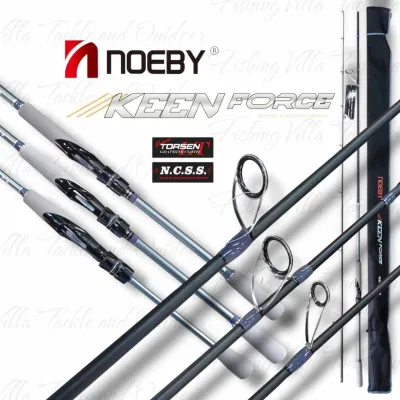
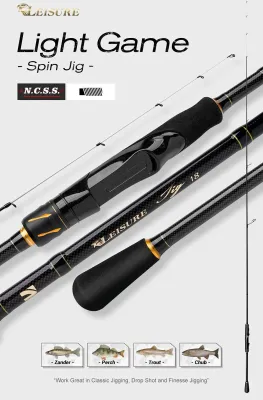
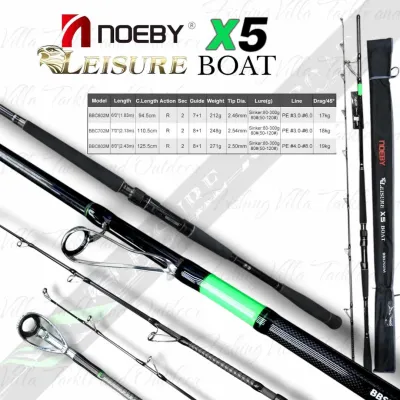
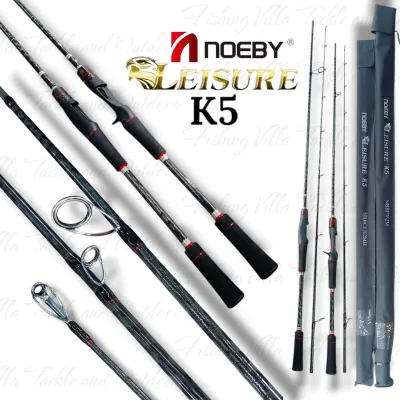
Prices are valid at publication and may change. Please refer to the product page for the latest price.
Casting distance and lure weight are directly tied to these mechanics. If you frequently fish from sandy shores or rocky breakwaters, you will need a setup capable of launching lures far into the surf. Conversely, fishing in tight mangrove creeks requires shorter, more precise casts where distance is secondary to accuracy.
Rod action—how easily and where the blank bends—plays a critical role in how you present your lure and set the hook. Fast-action rods bend primarily near the tip, offering excellent sensitivity and quick hook sets, which are ideal for soft plastics and jigging. Moderate or slow-action rods bend deeper into the blank, absorbing the shock of aggressive strikes and making them highly suitable for moving baits like crankbaits or topwater lures.
Matching Rod Specifications to Target Species
Rod power represents the rod’s resistance to bending and must be matched to the size of your target species and the strength of your line. Ultra-light and light rods are designed for delicate presentations, making them highly suitable for smaller freshwater species like mudfish or catfish in local ponds and rivers. Medium to medium-heavy rods provide a versatile middle ground, offering enough backbone to handle hard-fighting estuary species like mangrove jack or wild barramundi without sacrificing casting comfort. Heavy and extra-heavy rods are reserved for large, powerful saltwater predators where maximum lifting power is required.

The fighting behavior of your target fish should heavily influence your choice. Surface-striking predators often make explosive runs or jump to shake the hook, requiring a rod with a responsive tip to maintain constant line tension. In contrast, bottom-dwelling species like grouper will immediately dive for sharp coral structures or rocky crevices once hooked. For these fish, you need a rod with immense lower-section strength, often referred to as backbone, to stop the fish before it can cut your line on the structure.
Rod length is the final piece of the physical puzzle, balancing leverage against casting distance. Longer rods, typically over 7 feet, excel at generating high tip speed for long-distance casting from the shore or beach. Shorter rods, generally under 6.5 feet, are much easier to maneuver in the confined spaces of a small boat or kayak, providing better vertical leverage when pulling a heavy fish up from the depths.
When fishing from a kayak or a small motorized outrigger boat, space is highly restricted. A long rod can be difficult to manage when landing a fish close to the hull, increasing the risk of high-sticking—a common cause of rod breakage where the rod is bent at an acute angle. Choosing a slightly shorter rod for boat use provides a safer high-load angle and better control during the final stages of the fight.
Evaluating Noeby Rod Series for Specific Scenarios
When browsing Noeby’s product lineup on an online marketplace or at a local tackle shop, you must map their general rod designs to your specific fishing environments. For light lure fishing in calm coastal waters or freshwater streams, prioritize rods that emphasize high-modulus carbon construction, which enhances sensitivity. For heavy-duty offshore applications, such as casting large poppers for giant trevally, look for rods built with reinforced blank wraps that prioritize hoop strength and lifting power over pure sensitivity.
Before making a purchase, establish a systematic checklist to verify the manufacturer specifications printed directly on the rod blank. Check that the recommended line rating (usually expressed in PE ratings or pound-test) matches the target species and the reel you plan to use. Ensure the lure weight range aligns with the actual weight of the jigs, plugs, or soft plastics you intend to cast, as overloading a rod can lead to structural failure during a hard cast.
Carbon modulus ratings, often printed on the blank, indicate the stiffness-to-weight ratio of the material. While a higher modulus carbon results in a lighter and more sensitive rod, it can also be more brittle if subjected to sudden, sharp impacts. For rugged shore fishing where the rod might accidentally bump against rocks, a blend of mid-modulus carbon and fiberglass can offer a safer, more durable alternative.
Component quality is especially critical in hot, humid, and salty conditions. Inspect the guide frames and inserts to ensure they are made from corrosion-resistant materials like stainless steel or titanium alloys, which resist rust and dissipate heat during long runs. Verify that the reel seat locks securely and does not flex under pressure, as a loose reel seat can ruin your casting alignment and compromise your control during a fight.
Cross-Scenario Compatibility and Versatility
While specialized rods excel at specific tasks, many anglers prefer a versatile setup that can handle multiple scenarios without breaking the bank. A medium-power, moderate-fast action spinning rod is often considered the most versatile option for general use. This configuration is sensitive enough to cast medium-sized soft plastics for estuary species, yet possesses enough backbone to handle unexpected encounters with larger coastal predators.
However, there are clear limits where a single rod cannot safely cross over. Attempting to use an ultra-light stream rod for heavy saltwater jigging will likely result in a snapped blank and lost gear, while using a heavy popping rod for light lures will make casting nearly impossible and ruin the presentation. High-risk environments, heavy currents, and large target species demand dedicated equipment designed specifically to handle those extreme loads safely.
For a cost-effective and highly adaptable approach, consider building a minimal two-rod arsenal. A light to medium-light spinning setup will cover your freshwater outings, estuary casting, and light shore fishing. Pairing this with a medium-heavy to heavy casting or spinning setup dedicated to offshore jigging, trolling, or targeting larger reef species helps you save several thousand ₱ while ensuring you are prepared for almost any fishing scenario you encounter.
Frequently Asked Questions (FAQ)
How do I verify the authenticity and warranty of a Noeby fishing rod?
To ensure you are purchasing a genuine Noeby rod, buy exclusively from official brand stores or authorized distributors on major ecommerce platforms. Upon receiving the rod, inspect the packaging for official branding, check for a unique serial number on the blank, and verify that the rod includes the manufacturer’s warranty card. Review the seller’s return policy immediately so you can inspect the rod for any transit damage before taking it to the water.
What routine maintenance is required after using a Noeby rod in saltwater?
Saltwater is highly corrosive, especially in warm tropical climates, so immediate post-trip maintenance is essential. Thoroughly rinse the entire rod, including the guides and reel seat, with clean fresh water after every outing, and dry it completely with a soft cloth. Regularly inspect the guide rings for tiny cracks or salt buildup that can fray your fishing line, and store the rod in a cool, dry place away from direct sunlight to prevent the blank from warping.

Community discussion
Share your experience or ask a question. Comments are reviewed before publication.