
Selecting the right running vest depends entirely on your terrain, how long you plan to run, and what you need to carry. A road runner navigating paved city streets requires a lightweight, highly breathable vest to carry a phone, keys, and minimal hydration. Conversely, a trail runner tackling unpredictable mountain paths needs a stable, multi-pocket vest designed to secure safety gear, nutrition, and flexible water sources. For long-distance and ultra-marathon runners, the priority shifts to high-capacity storage, durable fabrics, and chafing-resistant seams that can withstand hours of continuous movement.
In hot and humid climates like the Philippines, managing heat and sweat is just as critical as carrying water. Choosing a vest that does not breathe well can lead to severe chafing, rapid dehydration, or overheating. By matching your vest to your specific running discipline, you ensure your gear supports your performance rather than hindering it.
Identify Your Core Running Environment and Carry Needs
Your primary running terrain dictates the baseline features, weight, and stability requirements of your running vest. Paved urban routes offer predictable footing, which means your body experiences less lateral sway and a lower need for heavy-duty stabilization systems. Technical trails, however, involve sudden jumps, steep climbs, and uneven surfaces that demand a vest designed to hug your torso like a second skin to prevent painful friction.
Products mentioned in this guide
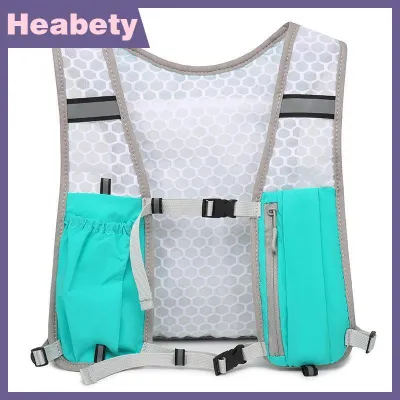
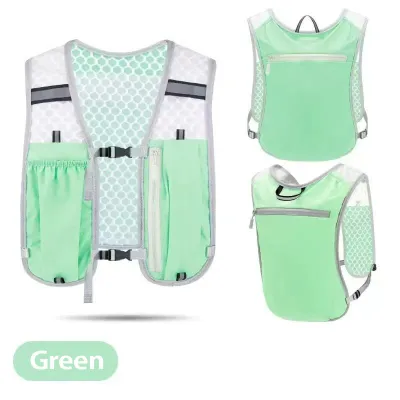
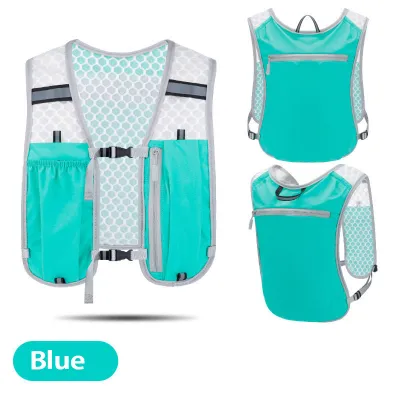
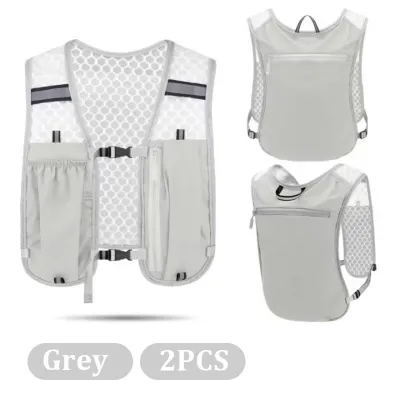
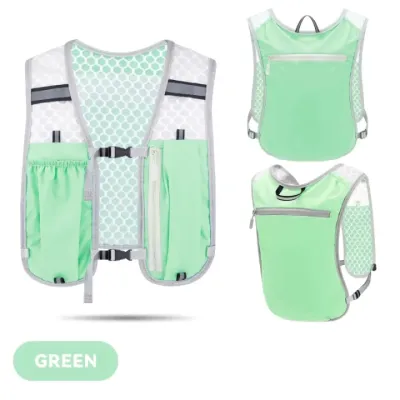
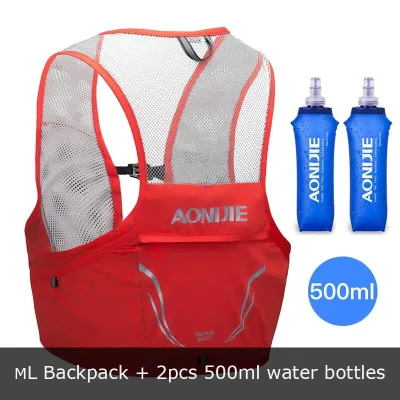
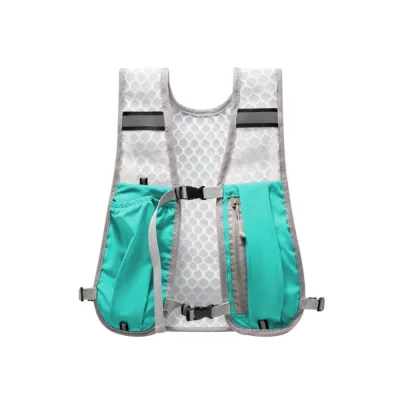

Prices are valid at publication and may change. Please refer to the product page for the latest price.
Run duration and intensity directly influence how much hydration and nutrition you must carry. For short runs under an hour, a simple handheld bottle or a minimal waist belt might suffice. Once your training sessions stretch past 90 minutes in tropical heat, a running vest becomes essential to carry adequate fluids and electrolyte replacements.
Personal carry preferences also play a major role in your decision. Some runners prefer front-mounted soft flasks because they are easy to access and quick to refill at convenience stores or trail water stations. Others favor a rear hydration bladder for its larger capacity, though it can feel heavier and requires more effort to refill on the fly. Your pocket layout should allow you to grab salt tablets, energy gels, or your phone without breaking your running stride.
Trail Running Vests: Stability and Storage for Technical Terrain
Technical trails require constant balance adjustments, making vest stability your top priority. Look for secure fit systems featuring dual adjustable chest straps, sternum cords, or side compression bungees. These adjustment points allow you to tighten the vest as your water flasks empty, preventing the pack from shifting or bouncing on steep descents.

Storage distribution is another critical factor when running in remote areas. Trail running often requires carrying safety gear, a lightweight windbreaker for sudden mountain downpours, and navigation tools. A well-designed trail vest distributes this weight evenly across your upper body, offering front pockets for quick-access nutrition and secure rear compartments for bulkier items.
Hydration setups must match the availability of water sources along your route. If you run in remote areas with limited clean water, choose a vest that accommodates both front flasks and a rear bladder. Additionally, check for external attachment points, such as trekking pole loops or bungee cords, which allow you to stow your poles securely when navigating flat terrain.
Road Running Vests: Minimalism and Breathability for Paved Routes
Running on paved urban routes in high humidity means you will sweat heavily and rapidly. To manage this, prioritize road running vests made from open, moisture-wicking mesh fabrics with open-back designs. These materials maximize airflow across your back and chest, helping to regulate your body temperature and reduce the risk of chafing against damp skin.
Road running is highly repetitive and rhythmic, meaning any excess weight or bulk is immediately noticeable. Look for streamlined, low-profile vests with minimal pockets to reduce overall weight and eliminate aerodynamic drag. You do not need heavy-duty fabrics or trekking pole attachments for city runs, so keeping the design as simple as possible is ideal.
Safety and urban convenience should guide your final choice for road gear. When running along busy city streets, visibility is a primary safety concern, so ensure the vest features reflective elements on both the front and back. Additionally, look for a secure, sweat-resistant, bounce-free phone pocket to protect your electronics from moisture while keeping them easily accessible for navigation or emergencies.
Long-Distance Vests: High Capacity and Comfort for Endurance
For ultra-marathons and multi-hour training blocks, you must carry mandatory safety gear, extra nutrition, and weather protection. Calculate your total volume needs before purchasing; most long-distance vests range from 8 to 12 liters of storage capacity. Ensure the main compartment can expand to hold a rain jacket, first-aid kit, and headlamp without compressing your back or restricting your movement.
Over hours of continuous movement, even the smallest seam can cause painful chafing. Inspect the vest’s edge binding, strap padding, and seam placement carefully. Soft, rolled edges and seamless construction under the arms are critical to preventing hot spots and friction against your skin during long efforts.
Heavy loads put immense stress on zippers, buckles, and mesh fabrics over time. Verify that the high-stress zones of the vest are reinforced with durable ripstop nylon or heavy-duty elastic. The vest must hold a full load securely without sagging, ensuring the weight remains centered high on your back to prevent shoulder strain and lower back fatigue.
Cross-Scenario Compatibility: Do You Need One Vest or a Quiver?
If you split your time evenly between road and trail, a mid-capacity vest with adjustable compression straps can serve as a versatile all-rounder. Investing ₱4,000 to ₱9,000 in a single, high-quality vest that adapts to different runs is often more practical than buying multiple specialized packs. You can compress a mid-capacity vest for short road runs or expand it to carry extra gear on weekend trail excursions.
Look for adaptable features that allow you to customize the vest for each run. Removable bungee cords, expandable rear pockets, and detachable pole holders let you strip the vest down for a minimal road session or gear it up for a rugged mountain run. This modularity ensures you do not feel weighed down on short runs or under-equipped on long ones.
However, a single vest has its limits. If your training transitions into dedicated ultra-marathon preparation or highly technical mountain running, a secondary, specialized vest becomes a necessary upgrade. Using a bulky, high-capacity trail vest for fast road intervals can cause unnecessary heat buildup, while a minimal road vest will fail to carry the mandatory safety gear required for remote trail races.
Sizing, Loading, and Pre-Run Fit Checks
Do not rely on your standard t-shirt size when buying a running vest. Use a flexible measuring tape to measure your chest circumference and torso length according to the manufacturer’s specific sizing guide. A vest that is too loose will bounce and chafe, while one that is too tight will restrict your breathing and limit your lung expansion during hard efforts.
Before heading out on a long run, fill your water flasks or bladder completely and pack all the gear you plan to carry. Put the loaded vest on and check how the weight is distributed. The front flasks should sit comfortably on your chest without pressing painfully into your ribs, and the rear load should feel balanced and centered.
Perform a quick dynamic movement check in your living room by jumping up and down, swinging your arms, and bending over. Adjust the chest straps and side toggles to eliminate any slack. If you feel any rubbing, pinching, or excessive bouncing during these movements, readjust the straps or consider trying a different size before committing to a long-distance run.

Community discussion
Share your experience or ask a question. Comments are reviewed before publication.