
Finding the right fit for a kids snorkeling set requires precise measurements of their facial dimensions and feet, rather than relying on age ranges or assuming they will grow into the gear. In tropical environments like the Philippines, where family beach trips to Batangas, Cebu, or Bohol are common, having reliable water sports equipment is essential for a safe and enjoyable experience. Properly fitted gear ensures that children can explore shallow reefs comfortably without the constant distraction of water leaks or foot pain.
Water safety always relies on immediate, secure fitment to prevent emergencies. Equipment cannot replace proper swimming training, adult supervision, or sound water judgment. Before introducing a child to open water, parents must ensure that every piece of gear fits correctly today, not next season.
A leaking mask can cause sudden panic, water inhalation, and a complete loss of confidence in the water. When water enters a child’s mask, their natural reaction is often to gasp, which can lead to inhaling saltwater and coughing. This reaction can quickly escalate into a stressful situation, even in shallow, calm waters.
Products mentioned in this guide
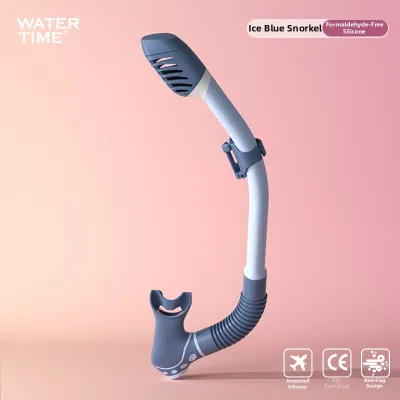
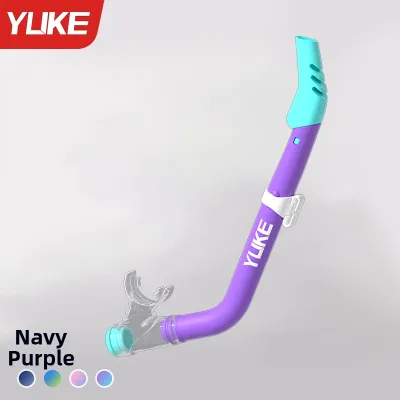
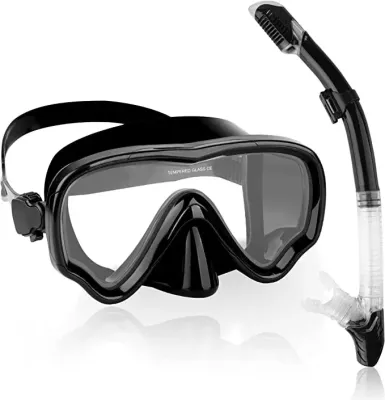
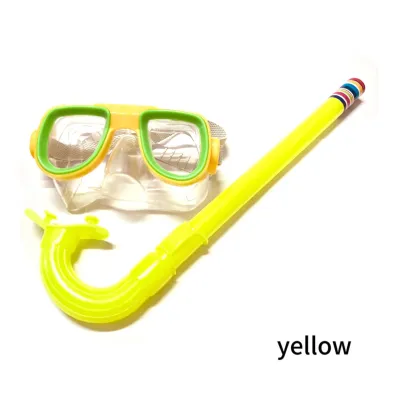
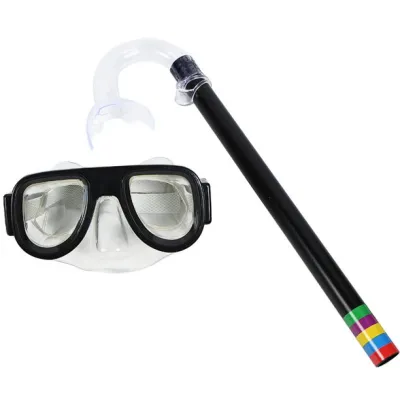
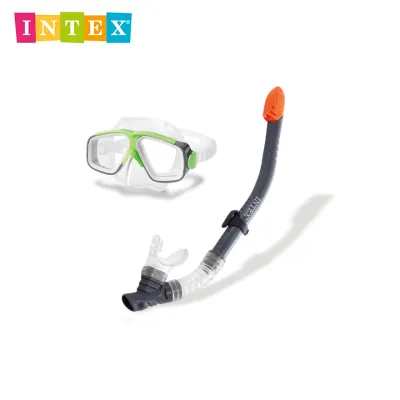
Prices are valid at publication and may change. Please refer to the product page for the latest price.
Loose fins slip off easily in gentle currents, leaving a child struggling to swim back to shore or the boat. Conversely, tight fins restrict blood circulation, causing painful muscle cramps in the calves and arches, as well as raw blisters on the heels. These discomforts can cut a beach day short and make children hesitant to enter the water again.
While buying larger clothes is a practical way to handle rapid growth spurts, applying this “grow into it” logic to water sports equipment compromises safety. A mask that is slightly too large will inevitably leak, and oversized fins will wobble, reducing kicking efficiency and increasing fatigue. For water activities, gear must fit precisely to function as intended.
How to Measure a Child's Face for a Leak-Free Mask
To find a mask that seals securely, start by measuring the child’s facial dimensions with a soft, flexible measuring tape. Measure the horizontal distance between the outer temples, just past the outer corners of the eyes. Next, measure the vertical distance from the bridge of the nose, right between the eyes, down to the tip of the chin.
Compare these measurements with the sizing charts provided by reputable manufacturers. These charts typically categorize masks by frame width and skirt depth, often labeling them as junior, youth, or small-adult. Do not rely solely on age recommendations, as facial structures vary widely among children of the same age.
Once you have a candidate mask, perform the strapless seal test to verify the fit. Have the child look up toward the ceiling and place the mask gently on their face without putting the strap over their head. Instruct them to inhale gently through their nose and hold their breath for a few seconds.
If the mask stays securely on the face without being held, it indicates a secure physical seal. If the mask falls off immediately or requires constant hand pressure to stay in place, air is leaking into the skirt, meaning water will do the same.
During this test, inspect the silicone skirt for common seal breakers. Look closely at the forehead to ensure no stray hair strands are trapped under the silicone. Check the temples and the area around the upper lip for gaps, and make sure the child maintains a relaxed facial expression, as smiling or squinting can break the seal.
Understanding the anatomical differences between junior and adult-small sizes is crucial. Junior masks are specifically engineered with narrower nose pockets, shallower silicone skirts, and a smaller distance between the lenses. These design elements accommodate a child’s flatter nose bridge and smaller facial contours, which an adult-small mask cannot seal properly.
How to Measure and Fit Snorkeling Fins for Kids
To measure a child’s feet for snorkeling fins, have them stand flat on a sheet of paper with their full weight distributed evenly. Trace the outline of both feet using a pencil held vertically. Measure the distance from the back of the heel to the tip of the longest toe, and measure the widest part of the forefoot.

Use the larger foot measurement to consult the manufacturer’s sizing guide. Footwear sizes do not always translate directly to fin pocket sizes, so relying on actual measurements in millimeters or centimeters is the most accurate approach.
When choosing between fin types, consider the swimming environment and carrying method. Full-foot fins are ideal for warm tropical waters and sandy entries where children swim barefoot. They are lightweight, easy to pack, and provide a streamlined fit, but they offer no protection when walking over hot sand or rocky shores.
Open-heel fins feature an adjustable strap and are designed to be worn with neoprene booties. This combination is highly versatile, protecting feet from sharp coral fragments, sea urchins, and rough rocks during shore entries. The adjustable strap also allows for some accommodation as the child’s feet grow.
When testing the fit of full-foot fins, check for adequate heel support. The heel should sit snugly inside the pocket without slipping out when the child mimics a kicking motion. Ensure their toes lie flat and do not curl or press hard against the front of the foot pocket, which indicates the fin is too small.
If a child is between sizes or experiences minor rubbing, using thin neoprene socks (1mm to 2mm) can prevent blisters and improve the fit. These socks absorb friction, add a layer of warmth, and can snug up a slightly loose fin pocket, extending the usability of the gear.
Key Features to Evaluate in a Kids Snorkeling Set
When evaluating a kids snorkeling set, safety and material quality should be your primary focus. Verify that the mask lenses are made of tempered glass rather than standard plastic. Tempered glass offers excellent scratch resistance, does not fog as easily, and is designed to crack safely without shattering into sharp shards if impacted.
Inspect the mask skirt to ensure it is made of high-quality, liquid silicone. Silicone is soft, highly flexible, and hypoallergenic, allowing it to conform comfortably to a child’s face without causing irritation. Avoid cheap plastic or PVC skirts, which tend to stiffen in cooler water, lose their shape, and cause uncomfortable pressure points.
Test the adjustable buckle system on the mask strap. The buckles should be robust, easy for parents to adjust, and simple enough for older children to operate. Look for quick-release buttons that allow the strap to be loosened instantly without pulling on the child’s hair.
Evaluate the stiffness of the fin blades relative to your child’s physical strength and swimming ability. Younger children and beginners benefit from short, highly flexible blades that require minimal leg strength to move. Stiff, long blades provide more propulsion but can quickly fatigue a child’s muscles, leading to exhaustion or painful leg cramps.
Additionally, check the snorkel design included in the set. A dry-top snorkel, which features a float valve that seals the tube when submerged, is highly recommended for children. This feature prevents water from entering the tube when they duck under waves, reducing the risk of accidental water inhalation.
Testing the Fit Before Entering Open Water
Before heading to the beach or boarding a boat, conduct a thorough fit test in a controlled, shallow environment. A swimming pool or a calm, knee-deep beach area is ideal for helping children get accustomed to the sensation of wearing snorkeling gear.
Begin with stationary practice in waist-deep water. Have the child stand and practice breathing through the snorkel while dipping their face into the water. Teach them how to clear the snorkel by blowing out sharply if water enters, and practice pinching their nose through the mask pocket to equalize pressure.
Once they are comfortable, observe their movement as they swim a short distance. Watch for any signs of water entering the mask or the strap sliding down the back of the head. Check if the fins wobble or slip off their heels during a gentle flutter kick.
Adjust the mask strap so that it holds the mask snugly against the face without being overly tight. A common mistake is pulling the strap too tight, which actually warps the soft silicone skirt and creates channels for water to leak in. The water pressure itself helps hold the mask in place once submerged.
Establish clear stop conditions before the swim. Instruct the child to stand up or signal immediately if they feel water entering their mask, if their feet start to hurt, or if they feel tired. Equipment can assist their swim, but constant communication and safety awareness are paramount.
When to Replace or Upgrade Children's Snorkeling Gear
Children grow rapidly, and their snorkeling gear must be inspected regularly for signs of wear and physical size limitations. Look for physical growth indicators, such as deep red marks or indentations on the child’s face after a swim, which suggest the mask skirt has become too small.
Check their feet for signs of discomfort during or after use. If their toes are curling inside the fin pocket or rubbing against the front edge, it is time to upgrade to a larger size. Forcing a child to wear undersized fins can lead to painful blisters and foot fatigue.
Inspect the physical condition of the silicone and plastic components before every season. In warm, humid climates, prolonged exposure to sun, saltwater, and chlorine can cause silicone to degrade, turn yellow, or lose its elasticity. Check plastic buckles and straps for hairline cracks or brittleness that could lead to failure in the water.
As a child’s swimming skills progress, their equipment needs may change. A child who started with short, flexible recreational fins may eventually require longer, more structured fins to handle stronger currents or deeper dives. Upgrading their gear to match their growing capabilities ensures they remain safe and confident.
When planning for replacements, set a realistic budget. In the Philippines, a high-quality, durable kids snorkeling set typically ranges from ₱1,500 to ₱3,500. Investing in a reliable set from a reputable brand ensures better safety features, excellent comfort, and materials that can withstand multiple seasons of tropical beach adventures.
Frequently Asked Questions (FAQ)
Can kids use adult-sized masks if they have small faces?
No, children should not use adult-sized masks, even if their faces appear large enough. Adult masks are designed with wider frames, deeper nose pockets, and larger silicone skirts. When placed on a child’s face, the skirt will often overlap onto their hairline or temples, preventing a proper seal and causing constant leaks. Additionally, the larger nose pocket makes it difficult for small hands to pinch their nose to equalize pressure, which can lead to ear discomfort.
Are full-face snorkel masks safe for children?
Full-face snorkel masks are popular because they allow natural breathing through the nose and mouth, but they carry specific safety considerations. These masks have a larger volume of air inside, which can lead to carbon dioxide buildup if the mask does not feature a high-quality, physical separation between the breathing and viewing chambers. They are also more difficult to remove quickly in an emergency and prevent the user from pinching their nose to equalize pressure. For children, traditional two-piece mask and snorkel sets are generally recommended by safety professionals because they encourage proper breathing habits and are easier to clear.
How do I safely prevent a child's mask from fogging up?
To prevent fogging safely without irritating a child’s sensitive eyes, avoid using harsh chemical sprays. A highly effective, child-safe method is to apply a single drop of diluted baby shampoo to the inside of the dry lens, rub it gently with a clean finger, and rinse it quickly with fresh water before wearing. Alternatively, you can use a dedicated, non-toxic commercial defogger designed specifically for children’s gear, or use the traditional method of applying saliva to the dry lens and rinsing it.

Community discussion
Share your experience or ask a question. Comments are reviewed before publication.