
Using shrimp successfully as bait depends on matching your preparation and rigging style to your target species and water conditions. Whether you are fishing along tropical reefs, sandy shores, or brackish estuaries in the Philippines, presenting this bait naturally is the key to triggering consistent strikes. Shrimp, locally known as hipon, is highly effective because of its strong scent trail and lifelike movement, making it a staple for both recreational anglers and seasoned shore casters.
To get the most out of hipon for fishing, you must understand how to preserve its texture, choose the right rigging method for the current, and secure the bait against aggressive bait-stealers. Different fish species feed at varying depths and with distinct striking patterns, meaning a single rigging style will not work for every scenario. By mastering a few fundamental preparation and rigging techniques, you can significantly increase your hookup ratio and keep your bait secure on the hook longer.
Choosing and Preparing Your Shrimp Bait
Selecting the right shrimp starts with evaluating its freshness and physical condition. Fresh, high-quality shrimp should have clear eyes, firm flesh, and a shell that clings tightly to the body. Avoid shrimp with black spots around the head or those that emit a strong ammonia smell, as these signs indicate decay, which results in soft flesh that easily tears off the hook during a cast.
Products mentioned in this guide
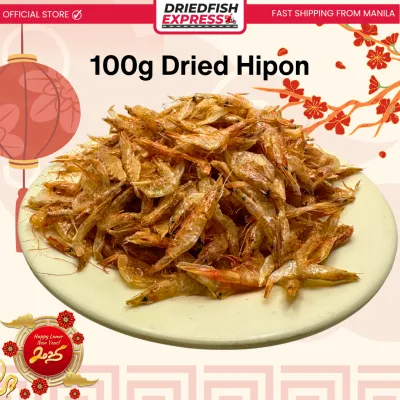
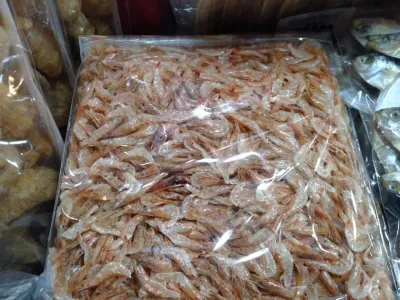
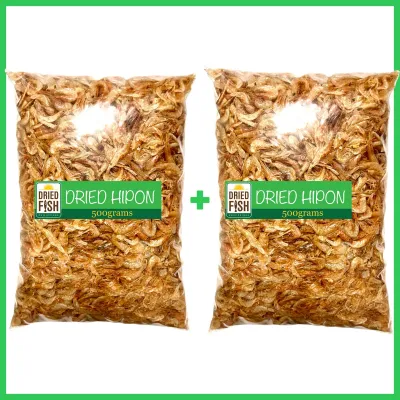
Prices are valid at publication and may change. Please refer to the product page for the latest price.
Size selection should directly correspond to your target species and hook size. Small shrimp measuring two to three inches are ideal for targeting smaller reef fish like seabream (bakoko) or panfish, while larger shrimp are better suited for predatory species like grouper (lapu-lapu) or snapper (maya-maya). Keeping the shell on provides excellent durability against small bait-stealers, whereas peeling the shrimp releases a rapid, intense scent trail at the expense of structural integrity.
If you are using frozen shrimp, proper thawing is critical to maintaining a firm texture. Never use hot water or a microwave to speed up the process, as this cooks the proteins and turns the flesh mushy. Instead, place the frozen bait in a cooler or a bucket filled with ambient seawater from your fishing location, allowing it to thaw slowly and retain its natural toughness.
For specific presentations, cutting or butterflying the shrimp can enhance its effectiveness. Cutting a large shrimp into chunks is a practical way to stretch your bait supply and target smaller species that cannot swallow a whole shrimp. Butterflying involves splitting the tail section down the middle, which increases the surface area exposed to the water, allowing the scent to disperse quickly in slow-moving currents.
Essential Tools and Materials for Rigging
Rigging shrimp effectively requires a small selection of specialized tackle designed to present the bait naturally without destroying its delicate structure. Your choice of hook is the most critical component. J-hooks, such as Aberdeen or O’Shaughnessy styles, are excellent for active retrieval or threading techniques, while circle hooks are preferred for passive bottom fishing where the fish hooks itself as it swims away.

Bait threading needles are invaluable tools when working with soft or peeled shrimp. These long, thin metal needles allow you to thread your leader line or hook shank cleanly through the center of the shrimp’s body. This technique ensures a streamlined presentation that resists tearing, even when casting into strong winds or heavy surf.
For securing fragile or cut pieces of shrimp, bait elastic is an essential accessory. This fine, self-binding latex thread is wrapped around the bait and the hook shank, squeezing the flesh gently to keep it in place without requiring knots. It is virtually invisible underwater and prevents small fish from easily stripping the hook.
In areas with extreme currents or highly aggressive bait-stealers, bait mesh offers an alternative layer of protection. This fine, dissolvable or non-dissolvable netting holds loose pieces of shrimp together in a compact ball. It allows the scent to flow freely into the water column while preventing crabs and small fish from tearing the bait apart before a larger predator arrives.
Step-by-Step Rigging Techniques for Different Presentations
Different fishing environments and target species require distinct rigging configurations to maximize your chances of a successful hookset. Whether you are casting into deep channels, drifting along a shallow flat, or presenting bait near structure, matching your rig to the situation is essential.
Threading the Hook for Bottom Fishing
Threading is the most durable way to present shrimp when fishing on or near the seabed. Start by pinching off the tail fan of the shrimp to expose the inner flesh, which helps release a continuous scent trail. Insert the point of your hook or a bait needle directly into the severed tail end, pushing it carefully through the center of the body curve.
Guide the hook shank through the shrimp until the bend of the hook rests near the head, then push the hook point out through the belly or chest. The hook point should be slightly exposed to ensure a clean hookset when a fish strikes, but it should sit close enough to the body to minimize the risk of snagging on rocks, seaweed, or coral.
In areas with strong tidal currents, ensure the shrimp is threaded as straight as possible along the hook shank. A curved or twisted bait will spin rapidly in moving water, which looks unnatural to predatory fish and causes severe line twist. Adjust the thread path to keep the presentation streamlined and stable in the flow.
Hooking Through the Tail or Head for Active Retrieval
When you want to mimic the natural, swimming motion of live or highly fresh shrimp, hooking through the tail fan is an excellent option. Insert the hook from the underside of the tail and push it straight up through the top, just ahead of the tail fan. This configuration allows the shrimp to move backward in a realistic, darting motion when you twitch your rod tip.
For a natural drift in moving water, hooking under the horn is the preferred method. Insert the hook sideways through the head of the shrimp, entering just below the prominent horn (rostrum) and exiting on the opposite side. Be careful to place the hook forward of the dark spot inside the head, which contains the vital organs, to keep live bait active for as long as possible.
Active retrieval methods are highly effective when targeting mid-water predators like trevally (talakitok) or barracuda that hunt by sight and vibration. Drifting a head-hooked shrimp through a current seam or retrieving a tail-hooked shrimp along the edges of mangrove roots often triggers aggressive reaction strikes that static bottom rigs miss.
Securing Fragile Bait with Elastic Thread
When dealing with soft, thawed, or peeled shrimp, wrapping the bait with elastic thread prevents it from flying off the hook during high-velocity casts. Position the shrimp along the hook shank in your desired presentation. Hold the end of the bait elastic against the hook eye, then wrap the thread tightly around the bait and shank.
Continue wrapping down the length of the shrimp, spacing the wraps closely together to bind the flesh securely to the metal. Once you reach the bend of the hook, wrap back up toward the eye and snap the thread with a quick tug. The elastic clings to itself automatically, eliminating the need for complex knots that could damage the bait.
If you are fishing in heavily pressured waters, balance is key when using elastic thread. Avoid over-wrapping the bait into a tight, unnatural ball, as this can restrict scent dispersion and make the bait feel unnaturally hard to a cautious fish. Use just enough wraps to keep the shrimp secure while leaving the hook point clear and the flesh exposed.
Matching the Rig to Target Species and Water Conditions
Adapting your presentation to the specific habits of your target fish is crucial for consistent success. Bottom-dwelling species like grouper and snapper rely heavily on scent and typically feed close to structure. For these fish, a weighted bottom rig, such as a Carolina rig with a threaded, shell-on shrimp, keeps the bait anchored in the strike zone and protects it from smaller reef fish.
Mid-water predators, such as trevally or needlefish, are highly visual hunters that patrol the upper water column. Presenting a whole, lightly hooked shrimp under a slip float or on an unweighted drift rig allows the bait to sink slowly and naturally, mimicking an injured shrimp escaping a predator. This slow-fall presentation is highly effective around drop-offs and jetty walls.
Water clarity also dictates how you should modify your rig. In clear, shallow water, fish are easily spooked by heavy tackle; use light fluorocarbon leaders, smaller hooks, and keep the shrimp completely intact to maintain a realistic appearance. In murky or turbid water, visibility is low, so you should cut or butterfly the shrimp to maximize the scent trail, and use slightly larger hooks to ensure solid contact.
Always observe the condition of your bait after a retrieve to diagnose what is happening underwater. If your shrimp returns with clean, circular bites or is missing its head, small bait-stealers are active, indicating you should switch to a smaller hook or use bait elastic. If the bait returns untouched and waterlogged, the scent has likely washed out, meaning it is time to replace the shrimp and try a different depth or location.
Common Mistakes and How to Avoid Them
One of the most common errors in shrimp rigging is over-burying the hook point inside the bait. While hiding the hook might seem like a good way to prevent snags, it often prevents the hook from penetrating the fish’s mouth when you strike. Always ensure the hook point is exposed or can easily push through the soft flesh of the shrimp during a hookset.
Using hooks that are too large or heavy for the size of your bait is another frequent mistake. An oversized hook sinks the shrimp too quickly, kills any natural swimming action, and can cause the bait to tear apart during the cast. Match the wire gauge and size of your hook to the physical dimensions of the shrimp to maintain a balanced, lifelike presentation.
Finally, many anglers fail to check and replace their bait regularly. In warm tropical waters, the scent of a dead shrimp washes away within fifteen to twenty minutes, leaving behind a pale, odorless piece of flesh that is unattractive to predatory fish. Regularly retrieve your line to inspect the bait, and replace waterlogged or washed-out shrimp with fresh, scent-rich pieces to keep your presentation highly effective.
Frequently Asked Questions (FAQ)
Can I use frozen shrimp instead of fresh for fishing?
Yes, frozen shrimp is a highly effective and convenient bait option. However, because freezing can weaken the cellular structure of the flesh, improper thawing can make the bait mushy and prone to falling off the hook. To preserve the firm texture, thaw the shrimp slowly in a cooler or a bucket of cold seawater rather than using fresh tap water or heat, which can partially cook the meat and ruin its durability.
How do I keep shrimp bait from falling off the hook during a cast?
To prevent shrimp from flying off during a cast, thread the hook through the toughest parts of the shell, such as the tail joint or under the horn, rather than just the soft belly flesh. Additionally, wrapping the bait with fine bait elastic secures it tightly to the hook shank. Adjusting your casting technique from a sharp, snapping motion to a smooth, sweeping acceleration will also significantly reduce the physical forces that tear soft bait off your rig.

Community discussion
Share your experience or ask a question. Comments are reviewed before publication.