
Wrapping your wrists properly is one of the most critical preparatory steps for any home boxing workout. Whether you are practicing shadowboxing in your living room or striking a heavy bag in a dedicated garage gym, your hands and wrists require structured support to withstand repetitive impact. A correct wrap stabilizes the complex network of bones, tendons, and ligaments in your hand, aligning them with your forearm to distribute the force of each strike safely. Without this foundation, the risk of joint hyperextension, skin abrasions, and repetitive strain increases significantly.
In a home training environment, you often work without the immediate supervision of a coach to correct your form or spot wrapping errors. This independence makes mastering the self-wrapping technique essential. Proper wrapping involves finding the delicate balance between structural rigidity and comfortable circulation. By understanding the materials available, preparing your hands correctly, and following a systematic wrapping sequence, you can create a protective shield that allows you to focus entirely on your training flow, speed, and power.
Choosing the Right Wrist Tape or Hand Wraps for Your Setup
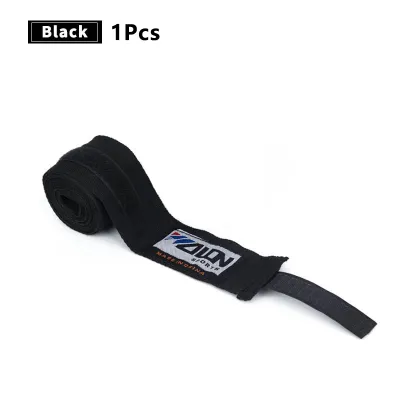
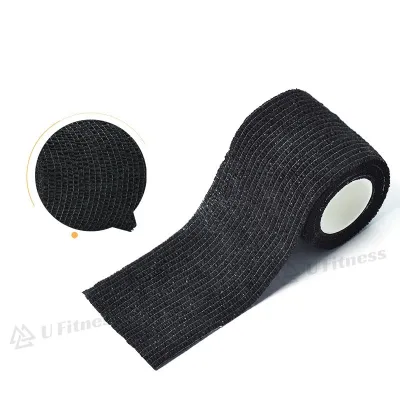
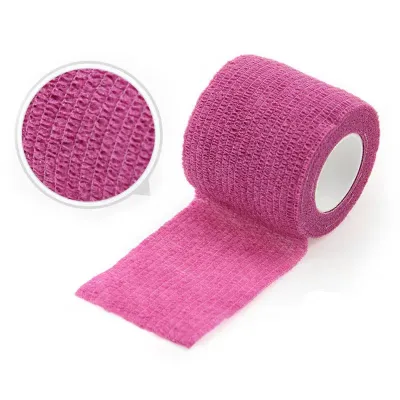
Selecting the appropriate wrapping material depends heavily on your specific training goals, your experience level, and the equipment you use at home. Traditional hand wraps and rigid athletic wrist tape serve distinct purposes in a boxer’s toolkit. Traditional wraps are reusable fabric strips that cover the entire hand, thumb, and wrist, while rigid athletic tape is a non-elastic adhesive strip used primarily for targeted joint immobilization or reinforcing specific areas over a fabric wrap.
Products mentioned in this guide
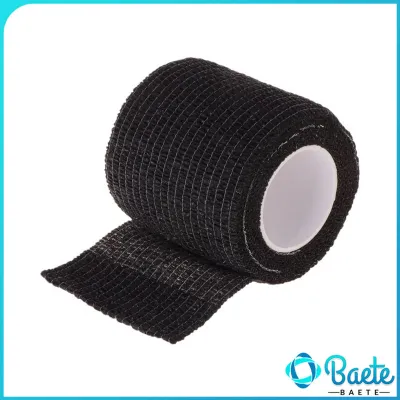
Prices are valid at publication and may change. Please refer to the product page for the latest price.
For most home workouts, semi-elastic wraps, often referred to as Mexican-style wraps, offer an ideal balance of comfort and support. Made from a blend of cotton and synthetic elastic fibers, these wraps stretch slightly to conform to the unique contours of your hand. This elasticity allows you to achieve a snug fit that moves naturally with your hand as you open and close your fist. Pure cotton wraps, which have no stretch, provide a very firm, rigid barrier but require precise application to avoid bunching or slipping during movement.
If your home routine consists primarily of shadowboxing, your hands do not experience external impact. In this scenario, a shorter, highly breathable elastic wrap or even a simple slip-on gel glove can provide sufficient friction reduction and light joint warmth. However, if your setup includes a heavy bag, water bag, or double-end bag, you require the robust structural support of a full-length wrap. Look for wraps that measure at least 180 inches in length, as this size provides enough material to thoroughly protect your knuckles, thumb, and wrist joint.
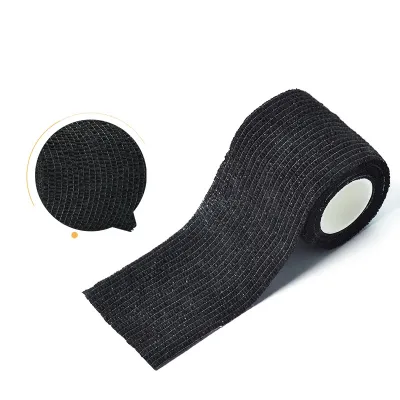
Rigid athletic wrist tape is highly specialized and lacks the elasticity of fabric wraps. While it offers exceptional joint restriction, using rigid tape directly on your bare knuckles for heavy bag strikes is not recommended, as it does not provide the necessary cushioning to absorb impact shock. Instead, rigid tape is best utilized to reinforce the wrist joint over a fabric wrap or to secure the ends of your wraps if the built-in fasteners begin to wear out. Always check product labels for material composition, length specifications, and manufacturer care instructions to ensure the gear matches your training intensity.
Preparing Your Hands and Equipment Before Wrapping
Before you begin wrapping, taking a few moments to prepare your hands and inspect your gear will prevent discomfort and extend the lifespan of your equipment. In warm, tropical climates, humidity and sweat accumulate rapidly during physical activity. Starting with clean, thoroughly dry hands is essential to prevent moisture from becoming trapped beneath the layers of fabric, which can lead to skin chafing, blisters, and the growth of odor-causing bacteria.

Unroll your hand wraps completely and inspect them for any signs of wear and tear. Look closely for frayed edges, torn stitching near the thumb loop, or a loss of elasticity in the fabric. If you are using adhesive wrist tape, ensure the roll is free of dirt and that the adhesive backing remains tacky. Pre-rolling your fabric wraps with the thumb loop on the inside makes the application process much smoother, allowing you to unroll the fabric directly onto your hand with consistent tension.
It is equally important to perform a quick self-assessment of your physical condition before wrapping. If you are experiencing any pre-existing soreness, stiffness, or swelling in your wrists, fingers, or knuckles, do not attempt to wrap over the discomfort to push through a workout. Training through joint pain can exacerbate underlying strains or minor injuries. Stop immediately and seek professional medical advice to ensure your hands are fully healed before resuming high-impact bag work.
Step-by-Step Wrist Wrapping Technique for Bag Work and Shadowboxing
To apply your wraps effectively, begin by holding your hand in a neutral position with your fingers spread slightly apart. Spreading your fingers ensures that you do not wrap your hand too tightly, which would prevent you from making a comfortable, natural fist inside your boxing gloves.
First, locate the thumb loop of your wrap. Slip your thumb through the loop so that the fabric runs across the back of your hand, rather than across your palm. Wrapping across the back of the hand is a crucial step; it ensures that when you make a fist, the tension of the wrap pulls tighter to support the wrist joint, rather than pulling the thumb awkwardly inward.
Second, pull the wrap down to your wrist and wrap around the joint three to four times. Keep the tension snug but not restrictive. The wrist joint is the primary pivot point of your punch, and establishing a solid, multi-layered base here prevents the joint from bending excessively backward or sideways upon impact with a heavy bag.
Third, transition the wrap upward across the back of your hand to your knuckles. Wrap around the knuckle line three times, ensuring the fabric covers the striking surface evenly. If you are preparing for heavy bag work, you can fold the wrap back and forth over the knuckles a few times first to create a thicker protective pad before securing it with a circular wrap. For shadowboxing, a single, flat layer over the knuckles is sufficient to keep the wrap secure without adding unnecessary bulk.
Fourth, bring the wrap back down across the back of your hand to your wrist to create an anchor. From the wrist, run the wrap up between your pinky and ring finger, bringing it out through your palm and back down to the wrist. Repeat this process for the space between your ring and middle fingers, and finally between your middle and index fingers. This “X-pattern” secures the individual knuckles, prevents the wrap from sliding up your hand, and keeps the knuckle padding firmly in place.
Fifth, wrap once around your thumb to stabilize the lower joint, then bring the wrap back across the back of your hand to lock it. If you have remaining fabric, wrap it in a diagonal pattern across the palm and back of the hand to bind the layers together, finishing the remaining length around your wrist. Secure the hook-and-loop fastener flat against your wrist, making sure there are no loose edges or twisted fabric that could cause friction inside your glove.
Verifying the Wrap: Fit, Comfort, and Circulation Checks
Once you have finished wrapping both hands, it is vital to verify the fit before you put on your boxing gloves or begin your workout. Start by performing a simple fist-clench test. Open your hand completely; the wrap should feel secure but relatively relaxed, allowing your fingers to extend fully. Now, clench your hand into a tight fist. The wrap should tighten instantly, creating a solid, rigid structure across your knuckles and stabilizing your wrist joint without pinching your skin.
Next, monitor your fingers closely for any signs of restricted blood circulation. Because your hands swell slightly as your heart rate rises during a workout, a wrap that feels perfect at rest might become too tight during training. Check for symptoms such as numbness, a tingling sensation, cold fingertips, or a pale or bluish color change in your nail beds. If you notice any of these signs, unwrap your hands immediately, allow your circulation to return to normal, and reapply the wraps with slightly less tension.
Finally, test the alignment of your wrists by performing a few slow, controlled shadowboxing movements in your training space. Pay close attention to how your wrists feel as you rotate your hands into simulated punches. The wrap should maintain your wrist in a neutral, straight line with your forearm, preventing any floppy or loose movement. If the joint feels unstable or bends easily, you may need to rewrap and add more layers specifically around the wrist area.
Common Wrapping Mistakes and When to Stop Training
One of the most common mistakes home fitness enthusiasts make is wrapping their hands too tightly in an attempt to maximize support. Excessive tension compresses the delicate nerves in the wrist and hand, leading to rapid fatigue, cramping, and a loss of grip strength mid-workout. If you find yourself constantly adjusting your wraps or feeling a dull ache in your palms, your wrapping tension is likely too high.
Conversely, wrapping too loosely or skipping critical areas like the thumb or wrist joint leaves your hands vulnerable to injury. A loose wrap will quickly bunch up inside your glove, causing painful friction blisters and offering virtually no structural support when you strike a heavy bag. Similarly, leaving the primary knuckles exposed or failing to anchor the wrap around the wrist joint defeats the purpose of wrapping, as the joint can easily buckle under the force of an off-center strike.
It is essential to understand that hand wraps and wrist tape are designed to assist your body, not to compensate for poor punching technique. If you strike a heavy bag with a bent wrist or land with your smaller outer knuckles rather than your two dominant front knuckles, you risk serious injury regardless of how well your hands are wrapped. Always prioritize proper form, keep your punches aligned with your forearm, and avoid hitting the bag with maximum power until your technique is consistent.
Lastly, establish clear safety boundaries for your home training sessions. If you experience a sharp, sudden pain in your wrist, hand, or elbow during a workout, stop training immediately. Do not attempt to add more tape or tighten your wraps to push through the pain. Because home training lacks the immediate feedback of a professional trainer, you must be your own safety advocate. If joint pain or swelling persists after your workout, consult a qualified healthcare professional before returning to the bag.
Frequently Asked Questions (FAQ)
How often should I wash my wrist tape and hand wraps?
You should wash your fabric hand wraps after every training session to maintain proper hygiene and preserve the integrity of the material. In warm, humid environments, sweat, dead skin cells, and bacteria accumulate rapidly within the fabric fibers. Leaving damp wraps inside a gym bag or sitting in a corner of your home gym creates an ideal breeding ground for mold and unpleasant odors, which can eventually transfer to the inside of your boxing gloves.
To wash your wraps, place them inside a mesh laundry bag to prevent them from tangling around other clothing or the washing machine agitator. Use a gentle cycle with mild detergent and cold water, or hand wash them in a basin with warm, soapy water. Once washed, stretch the wraps out to remove any twists and hang them up to air-dry completely in a well-ventilated area away from direct, intense sunlight. Avoid using a clothes dryer, as the high heat can warp the elastic fibers, causing the wraps to shrink and lose their supportive qualities.
Can I use rigid athletic tape instead of elastic hand wraps for heavy bag work?
Rigid athletic tape is not a suitable direct replacement for elastic or semi-elastic hand wraps when performing heavy bag work. While rigid tape is excellent for restricting joint movement and providing targeted wrist stabilization, it lacks the thickness and cushioning required to protect your knuckles from the repetitive, high-impact forces of striking a dense heavy bag. Using rigid tape directly on your bare knuckles can lead to skin tears, bruising, and joint soreness.
For safe heavy bag training, you should always use a fabric hand wrap as your primary layer of protection to cushion your knuckles and wrap the hand. If you require additional wrist stability due to a past strain or personal preference, you can apply rigid athletic wrist tape over the top of your fabric wrap, specifically around the wrist joint. Always consult the manufacturer’s guidelines for both your wraps and tape to ensure they are compatible, and consider consulting a qualified boxing coach to verify that your wrapping method matches your training needs.

Community discussion
Share your experience or ask a question. Comments are reviewed before publication.