
Blood worms are among the most effective live baits available to anglers, prized for their bright red coloration, distinct scent, and natural movement. However, their delicate bodies and high sensitivity to temperature make them challenging to handle, especially in warm, humid climates like the Philippines. Successfully fishing with these baits requires a solid understanding of how to rig them without causing premature damage, how to present them naturally, and how to preserve their freshness. By mastering these techniques, you can significantly increase your catch rates while minimizing bait waste and saving money on your fishing trips.
When and Why to Use Blood Worms for Fishing
Blood worms, the larvae of midge flies, are a primary food source for a wide variety of freshwater and brackish water fish. Species such as panfish, trout, carp, and tilapia naturally forage on these organisms along muddy lake beds and river bottoms. Because blood worms are rich in hemoglobin, their intense red color makes them highly visible even in murky, low-visibility water conditions. This makes them exceptionally effective during the rainy season when runoff clouds local waterways, or in deep, shaded pools where light penetration is minimal.
Despite their high effectiveness, blood worms do have distinct limitations compared to hardier baits like earthworms or artificial soft plastics. Their thin skin punctures easily, meaning they can be quickly stripped from the hook by small, aggressive bait-stealers before larger target fish have a chance to strike. Additionally, they do not tolerate high heat or dry air well. In tropical climates, keeping them alive and active requires constant attention to temperature and moisture, making them a more high-maintenance choice than synthetic alternatives.
Products mentioned in this guide
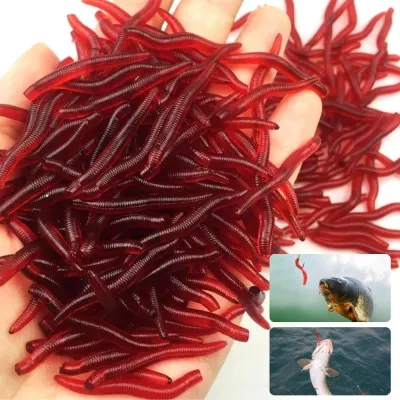
![[COD] 5pcs 10pcs 50pcs Fishing Baits Tackle Fishy Smell Bass Fishing Lure bloodworm EarthWorm Worm Red Baits](https://img.lazcdn.com/g/p/cfc39e0c9a93fa46e96f82458bcd291f.jpg_400x400q80.jpg_.webp)
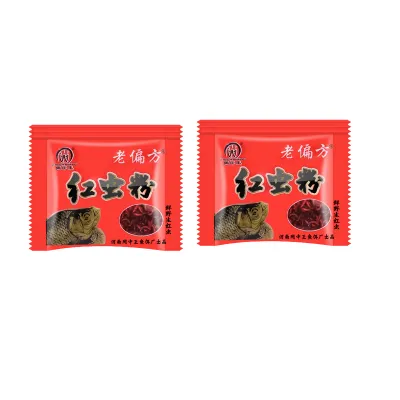

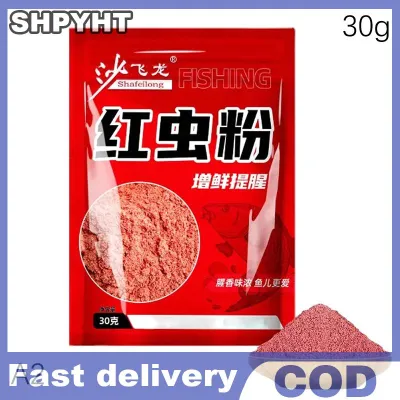

Prices are valid at publication and may change. Please refer to the product page for the latest price.
Essential Gear and Preparation
To fish successfully with blood worms, you must use specialized tackle designed to accommodate their fragile structure. Standard heavy-gauge bait hooks will easily tear a blood worm apart, causing its vital fluids to leak out and leaving you with a lifeless, deflated bait. Instead, opt for ultra-fine wire hooks, such as light-gauge Aberdeen or mosquito hooks, typically ranging from size 8 down to size 14. These thin hooks pierce the worm cleanly, preserving its shape and allowing it to remain active on the hook for a much longer period.

Beyond hook selection, proper on-the-water storage gear is essential for keeping your bait viable throughout the day. A small, insulated bait container or a compact cooler equipped with a reusable ice pack is indispensable, particularly when fishing in hot and humid environments. You will also benefit from having a pair of fine-tipped tweezers or a specialized bait spoon to handle the worms gently without crushing them with your fingers. Before heading out, ensure your bait is resting on a damp, cool substrate, such as wet newspaper or specialized bait moss, to maintain the necessary moisture levels.
Step-by-Step Guide to Rigging Blood Worms
Rigging a blood worm requires a delicate touch and a systematic approach to ensure the bait remains alive and attractive to fish. Because these worms lack a rigid internal structure, any excessive pressure from your fingers can easily crush them, rendering them useless. Always handle them with light pressure, lifting them gently from their storage container and placing them on a clean, damp surface before attempting to hook them.
Before inserting the hook, take a moment to assess the condition of each worm. A healthy, high-quality blood worm should exhibit a vibrant red color, feel relatively firm to the touch, and show active wriggling movement when disturbed. Avoid using worms that appear dull, limp, or have begun to leak dark fluids, as these will quickly disintegrate in the water and fail to attract fish. Once you have selected a healthy specimen, choose your rigging method based on the size of your target species and the water conditions you are facing.
Threading Method for Panfish and Small Species
The threading method is the most effective technique when targeting small-mouthed species like panfish, bluegill, or small tilapia. This method keeps the bait streamlined and prevents fish from nipping off the tail without swallowing the hook. To begin, hold the blood worm gently between your thumb and forefinger near its head. Carefully insert the point of your fine wire hook just below the head, piercing the skin cleanly.
Slowly slide the body of the worm up the shank of the hook, following the curve of the wire. Continue threading until the worm covers the majority of the hook shank, then push the hook point back out through the side of the worm’s body, leaving about half an inch of the tail to dangle freely. It is crucial to leave the very tip of the hook point slightly exposed; this ensures a clean hookset when a fish bites, as the delicate worm body will easily slide out of the way. Threading is highly preferred in clear water or high-pressure fishing spots where fish are cautious and easily spooked by unnatural bait presentations.
Bunching or Wrapping Method for Larger Fish
When targeting larger species such as carp, catfish, or larger predatory fish, a single threaded worm may not provide a substantial enough profile to attract attention. In these scenarios, the bunching or wrapping method is the ideal approach. This technique involves securing multiple blood worms to a single hook to create a larger, highly active bait cluster that releases a powerful scent trail into the water column.
To create a bait bunch, pierce three to five blood worms through their midsections, threading them onto a slightly larger fine-wire hook one after another. This creates a wriggling mass of worms that moves dynamically in the water. To secure this cluster and prevent it from flying off during long casts, you can use fine bait elastic or elastic rigging thread. Gently wrap the elastic around the center of the worm cluster and the hook shank a few times, securing it with a simple half-hitch knot. This method allows you to adjust the overall size of the bait profile to match the mouth size of your target species, ensuring that smaller bait-stealers cannot easily pull the cluster apart.
Presentation Techniques to Maximize Catch Rates
How you present your rigged blood worm in the water column is just as important as how you rig it. Because blood worms naturally live on or near the bottom, a slow, natural presentation is usually the most effective. If you are fishing in moving water, such as a river or stream, employ a bottom-bouncing technique. Use a split shot sinker placed 12 to 18 inches above the hook, allowing the current to gently drift the bait along the bottom contour while keeping it in the strike zone.
In still waters like lakes, ponds, or reservoirs, suspending the bait under a sensitive float or bobber is highly effective. Adjust the depth of your float so the blood worm hovers just a few inches above the bottom or right at the depth where fish are actively feeding. When retrieving your line, use an extremely slow, intermittent retrieve, pausing frequently to let the natural movement of the worm do the work.
Detecting bites when fishing with blood worms requires close attention, as many species take this delicate bait very gently. Instead of a violent tug, a bite may manifest as a slight hesitation in your float, a subtle slackening of your line, or a gentle sideways movement. Avoid setting the hook too aggressively; a firm, steady sweep of the rod is usually sufficient to drive the fine wire hook home without tearing it out of the fish’s mouth or destroying the bait.
How to Store and Preserve Blood Worms
Proper storage is the key to extending the shelf life of your blood worms, allowing you to get the most value out of your purchase. Whether you are dealing with live or frozen bait, maintaining strict temperature control and hygiene is vital to prevent rapid degradation. In warm climates, even a short exposure to ambient room temperature can cause live worms to perish within hours, leading to a foul odor and unusable bait.
Regularly inspect your bait supply for any signs of spoilage, such as a dark brown or black discoloration, a mushy texture, or a strong, sour smell. Healthy worms should always remain bright red and relatively firm. If you notice any decaying worms, remove them immediately to prevent the spoilage from spreading to the rest of the batch. Depending on how soon you plan to use them, you can choose between short-term refrigeration or long-term freezing methods.
Short-Term Refrigeration for Freshness
For keeping live blood worms fresh for a few days up to a week, short-term refrigeration is the standard approach. The ideal temperature range for storing live blood worms is between 3°C and 7°C. A standard household refrigerator’s vegetable crisper drawer usually provides the perfect environment, as it maintains a stable, cool temperature without freezing the delicate organisms.
Moisture management is critical during refrigeration. Store the worms in a shallow, well-ventilated plastic container lined with damp newspaper, paper towels, or specialized bait bedding. The lining should be moist to the touch but never waterlogged; excess standing water will drown the worms, while dry air will quickly dehydrate them. Perform a daily inspection of your container, gently misting the bedding with dechlorinated water if it feels dry, and carefully removing any dead or sluggish worms to maintain a healthy environment for the survivors.
Long-Term Freezing for Extended Use
If you have a large quantity of blood worms that you do not plan to use within a week, freezing them is an excellent way to preserve them for future trips without sacrificing their natural scent. To prepare blood worms for freezing, first rinse them gently in cold, clean water to remove any dirt, debris, or bedding material. Drain them thoroughly using a fine-mesh strainer, as excess water will form large ice crystals that puncture the worms’ cell walls, turning them into a mushy paste when thawed.
Once drained, portion the worms into small, single-use batches. Placing them in small zip-top bags or vacuum-seal bags allows you to thaw only what you need for a single outing, preventing the need to thaw and refreeze the entire supply, which ruins the bait’s texture. On the day of your fishing trip, transfer the frozen portion to your insulated bait cooler. Allow the worms to thaw slowly in the cool environment of the cooler rather than exposing them to direct sunlight or warm air, which helps preserve their structural integrity for rigging.
Common Rigging Mistakes and How to Avoid Them
Many anglers struggle with blood worms simply because of a few easily avoidable mistakes during the rigging process. The most common error is using hooks that are too thick. Heavy-gauge hooks act like a blunt needle, splitting the worm’s skin and causing its internal fluids to drain instantly. Always double-check your tackle box and ensure you are using ultra-fine wire hooks specifically designed for delicate live baits.
Another frequent mistake is over-handling the bait. Squeezing the worms too hard or keeping them in your warm hands for too long transfers body heat and oils, which quickly kills the bait and strips away its natural scent. Handle them as briefly as possible, using tools like tweezers or a bait spoon to transfer them directly from the cooler to the hook.
Finally, many anglers fail to re-bait their hooks after a missed strike or a prolonged period in the water. Even if a fish did not take the bait, a missed strike often damages the worm’s delicate body, causing it to lose its scent and lifelike action. Similarly, soaking a blood worm for more than 15 to 20 minutes without a bite can wash out its natural color and scent. Regularly inspect your hook and replace washed-out or damaged worms with fresh, vibrant ones to keep your presentation highly attractive.
Frequently Asked Questions (FAQ)
Can I use blood worms for saltwater fishing?
Yes, blood worms are highly effective in saltwater environments, particularly for species like surf perch, croaker, and small snapper that feed along sandy bottoms. However, because marine currents and wave action are much stronger than in freshwater, the delicate bodies of freshwater blood worms may tear off the hook more easily. To improve durability in saltwater, use the bunching method secured with bait elastic, or opt for marine-specific blood worm species which naturally possess a slightly tougher skin.
How do I know if my stored blood worms have gone bad?
You can easily identify spoiled blood worms by checking their color, texture, and smell. Fresh, usable blood worms will have a bright, vibrant red color and a firm, springy texture. If they have gone bad, they will turn a dark brown, grey, or black color, and their bodies will become limp, mushy, or completely liquefied. Additionally, spoiled blood worms emit a strong, unpleasant, sour odor that will repel fish rather than attract them; any bait showing these signs should be discarded immediately.

Community discussion
Share your experience or ask a question. Comments are reviewed before publication.