
Finding the right badminton racket for your child is not just about picking a favorite color or grabbing the first junior model on the shelf. To ensure a comfortable, injury-free, and engaging experience on the court, you must match the racket’s physical dimensions directly to your child’s height and hand size.
While age serves as a rough starting point, physical height and grip comfort are the true indicators of a proper fit. A well-sized racket allows young players to develop correct swing mechanics, maintain control, and enjoy the fast-paced rallies typical of local indoor courts.
Why Proper Racket Sizing Matters for Young Players
Repetitive swinging with an improperly fitted racket can quickly lead to physical strain. When a child uses a racket that is too long or too heavy, their developing wrist, elbow, and shoulder joints bear the brunt of the extra leverage.
Products mentioned in this guide
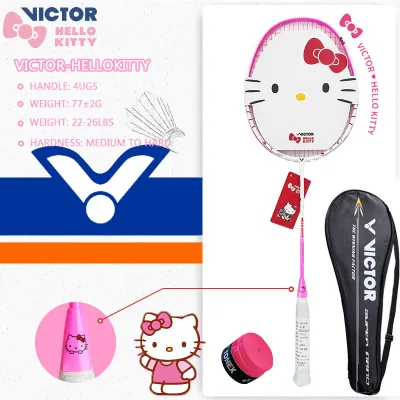
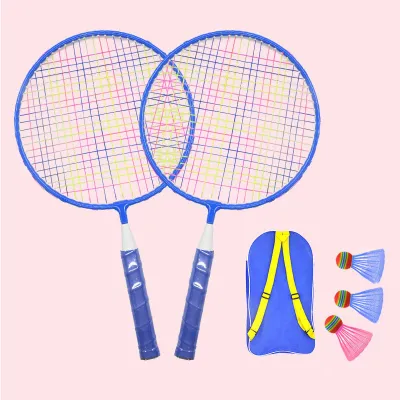
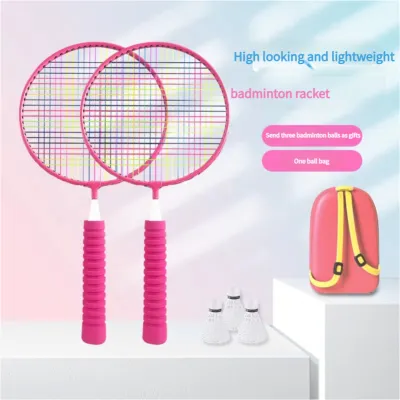
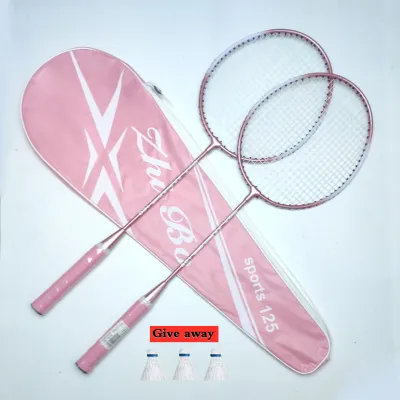
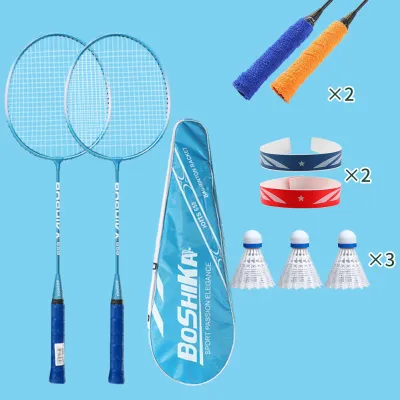
Prices are valid at publication and may change. Please refer to the product page for the latest price.
Over time, this repetitive stress can cause discomfort or minor joint strain, turning what should be a fun afternoon at the local sports center into a painful experience. Young muscles are still developing, and forcing them to compensate for poorly balanced gear increases the risk of early fatigue.
Beyond physical discomfort, oversized gear severely hinders technical development. A racket that is too long makes it difficult for a child to coordinate their swings, leading to late contact, poor timing, and awkward footwork as they struggle to clear the shuttlecock.
Instead of learning to snap their wrist and use their forearm, children often resort to whole-body swinging motions to move the heavy frame. This bad habit is difficult to break later and slows down their skill progression.
Finally, the psychological impact of using the wrong gear can cut a child’s sports journey short. When a young player constantly misses the shuttlecock or struggles to clear it over the net, they often blame themselves rather than their equipment.
This frustration can quickly lead to burnout or a complete loss of interest in the sport. Providing a racket that matches their physical scale builds immediate confidence, as they can easily feel the connection between their movement and a successful shot.
How to Determine the Correct Racket Length
To find the ideal racket length, parents should look at height-to-length relationships rather than relying solely on age brackets. Children grow at vastly different rates, meaning two eight-year-olds might require completely different racket sizes.

Most manufacturers provide specific height guidelines on their product labels or official websites, which should serve as your primary baseline. Generally, junior rackets range from 21 inches to 25 inches in length, compared to the standard adult length of about 26.5 inches.
A reliable way to verify the fit in person is the “arm extension test.” Have your child stand upright with a relaxed, natural posture, holding the racket by the handle with their arm pointing straight down toward the floor.
In this position, the tip of the racket head should not touch or drag on the ground. Ideally, there should be a clear space of at least two to three inches between the racket tip and the floor.
If the racket head rests flat on the ground or forces the child to bend their elbow to keep it clear, the racket is too long for their current height.
As children grow, they will eventually transition from junior models to standard-length rackets. Physical cues that indicate it is time to move up include a consistently high contact point, improved forearm strength, and a height that approaches 140 centimeters.
When transitioning, look for lightweight adult rackets (often categorized as 4U or 5U weight classes) rather than heavy, head-heavy frames. This ensures the added length does not overwhelm their wrist strength during fast defensive exchanges in humid indoor halls.
How to Find the Right Grip Size for Small Hands
Selecting the correct grip circumference is just as critical as choosing the right length. If a grip is too thick, a child’s hand will struggle to wrap around it securely, leading to a tight, tense hold that restricts wrist movement and causes rapid forearm fatigue.
Conversely, a grip that is too thin will slip and twist in their hand, especially during sweaty sessions in warm, tropical climates. Standard junior rackets typically come with smaller grip sizes, often designated as G5 or G6, which feature a smaller circumference tailored for younger players.
To check the grip fit, have your child hold the racket using a basic forehand grip. Observe the space between their fingertips and the palm of their hand.
There should be a small, visible gap—roughly the width of an adult’s index finger—between the tips of their fingers and the base of their thumb. If the fingertips press deeply into the palm, the grip is too small.
If the fingers cannot wrap far enough to leave a secure hold, or if there is a massive gap, the handle is fundamentally too thick for their hand.
If you find that a racket handle is slightly too small, you can easily customize the fit using a thin overgrip. Adding an overgrip is a practical, cost-effective way to build up the handle circumference by a millimeter or two while also improving sweat absorption.
However, if the handle is too thick from the start, there is no safe way to reduce its size. In that case, it is better to choose a different racket model with a smaller base grip rather than risking hand strain or a loose, flying racket during a powerful smash.
Signs It Is Time to Adjust or Replace the Racket
Parents should regularly monitor their child’s physical condition and playing style for signs that their racket no longer fits. Physical red flags include blisters on the fingers or palm, red marks on the hand, or complaints of wrist and forearm soreness after a short playing session.
If your child frequently shakes out their arm or rubs their shoulder during breaks, the racket may be too heavy or poorly balanced for their current strength level.
Technical performance on the court also offers clear clues. If a child consistently hits the floor with the racket frame when attempting low defensive shots or low clears, the racket is likely too long.
Similarly, if they struggle to hit the sweet spot of the strings, resulting in weak, off-center hits, they may be having difficulty controlling the extra length. While some mistakes are natural parts of learning, a sudden decline in accuracy or a persistent struggle with basic overhead clears often points to an equipment mismatch.
Before purchasing a brand-new racket, evaluate whether a simple modification can solve the issue. If the racket length is still appropriate but the child complains of slippage, replacing a worn-out grip or adding a fresh overgrip can restore control.
However, if the child has experienced a significant growth spurt or has outgrown the manufacturer’s height recommendations, upgrading to the next size is the safest path. If you are unsure whether the struggle stems from equipment or technique, consulting a local badminton coach can provide valuable clarity before you invest in new gear.
Frequently Asked Questions (FAQ)
Can my child use a standard adult racket if they are tall for their age?
Even if a child is tall enough to physically handle the length of a standard adult racket, they may not have the muscle density or joint strength to swing it safely. Adult rackets are often constructed with stiffer shafts and heavier frame weights, which require significant forearm power to generate speed.
A tall child using a heavy adult racket is highly susceptible to shoulder and elbow strain. If they do transition to an adult length, ensure you select an ultra-lightweight frame with a flexible shaft to protect their developing joints.
How often should I check if my child needs a larger racket size?
It is best to re-evaluate your child’s racket fit every six months, or immediately following a noticeable growth spurt. Because children can grow several centimeters in a short period, a racket that fit perfectly at the start of a school break might be too short by the time they return to regular play.
Additionally, as their skills progress from basic backyard rallies to structured training sessions involving rapid overhead clears and smashes, their equipment needs will shift toward models that support faster swing speeds and precise control.

Community discussion
Share your experience or ask a question. Comments are reviewed before publication.