
Sizing a boxing set for a boy requires looking beyond simple age recommendations on the packaging. While age provides a rough starting point, his physical weight, height, and hand circumference are the true indicators of a safe, supportive fit. In a home training environment, especially in warm, humid climates where sweat and moisture can affect grip and material wear, choosing the correct size is essential. Properly fitted gear prevents joint strain, encourages correct punching form, and ensures your child remains engaged and injury-free. Remember that protective equipment and training sets are tools to support development; they do not replace proper instruction, adult supervision, and physical conditioning.
Before initiating any training, parents must recognize the physical limits of young athletes. Children’s bones, wrists, and growth plates are still developing, making them highly susceptible to repetitive strain injuries if they use improper gear or strike targets with incorrect form. If your child experiences any wrist pain, joint soreness, or skin irritation, training must stop immediately until the cause is identified and corrected. Equipment cannot replace training or judgment, so establishing a structured, supervised routine is the first step toward a rewarding home boxing experience.
How to Size Boxing Gloves by Weight and Age
Boxing gloves are measured in ounces (oz), which represents the weight of the padding built into the glove rather than the physical size of the hand compartment. For children, common sizes range from 4 oz to 12 oz. Lighter gloves contain less padding and are designed for smaller hands, while heavier gloves provide thicker protection for older, stronger boys. Choosing the wrong weight can either leave your child’s knuckles underprotected or fatigue their shoulders prematurely, leading to dropped hands and poor defensive habits.
Products mentioned in this guide

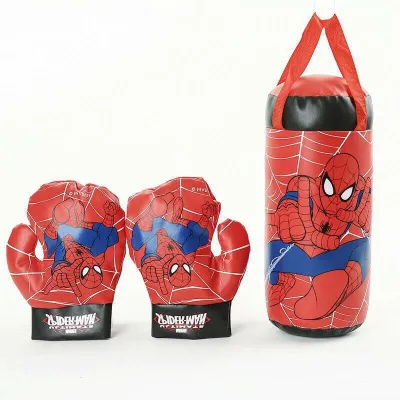
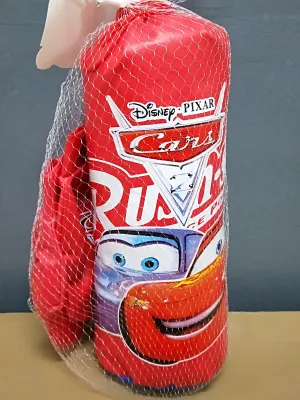
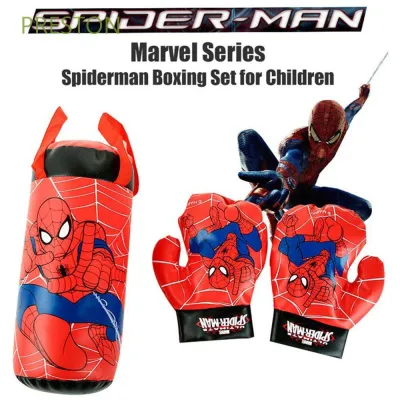
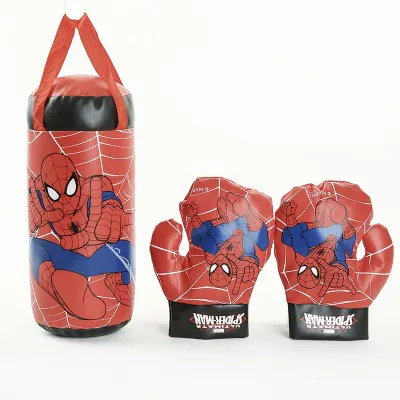
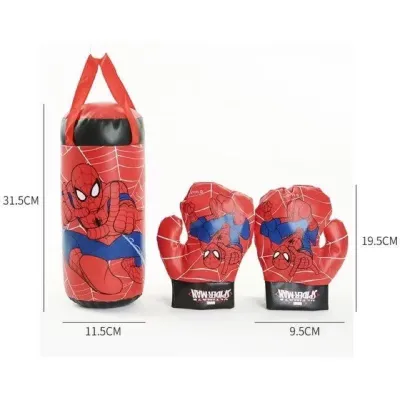
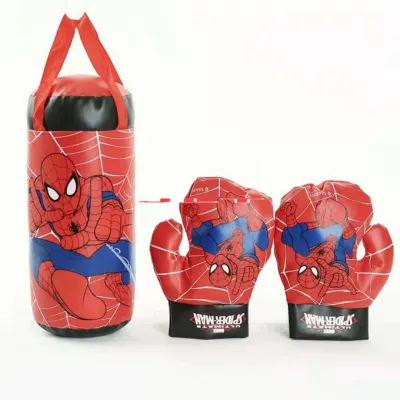
Prices are valid at publication and may change. Please refer to the product page for the latest price.
As a general guideline, toddlers and very young boys weighing under 20 kilograms typically start with 4 oz or 6 oz gloves. Boys weighing between 20 and 35 kilograms often fit 8 oz gloves comfortably, which is a standard size for early elementary-aged children. Older boys weighing between 35 and 50 kilograms generally transition to 10 oz or 12 oz gloves, which offer the necessary padding density to absorb the force of their growing physical strength.
Because padding density and internal hand compartments vary significantly between brands, parents must check the manufacturer’s specific weight-to-ounce sizing chart before purchasing. A glove that fits one child perfectly might be too tight or too loose in another brand of the same weight. Never assume that a generic age label on a box guarantees a proper anatomical fit for your child’s unique hand structure.
To verify the fit, have your child try on the glove, ideally while wearing hand wraps. The hand compartment should feel snug but not constricting, allowing the fingers to curl naturally into a fist. The fingertips should not press hard against the very end of the glove, and the thumb should sit comfortably in its locked, pre-curved position to prevent accidental hyperextension during punches.
Pay close attention to the wrist support mechanism. A wide, secure hook-and-loop strap is vital for youth boxers, as it allows for easy adjustments and quick removal. The strap must wrap tightly around the wrist joint to prevent the hand from sliding or twisting inside the glove upon impact. If the glove shifts or wobbles when your child makes a fist, the glove is too large and poses a risk of wrist strain.
Choosing the Right Punching Bag and Stand Dimensions
Selecting the right punching bag involves balancing your child’s height and striking power against the physical space available in your home. A bag that is too heavy or dense can cause wrist fatigue and impact injuries, while a bag that is too light will swing excessively, disrupting the rhythm of the workout. The goal is to find a target that yields slightly upon impact while remaining stable enough to allow for continuous combinations.

Parents generally choose between hanging heavy bags and freestanding bags with floor stands. Hanging bags require a secure ceiling mount or a heavy-duty wall bracket, offering realistic movement and 360-degree access at the expense of permanent installation. Freestanding bags utilize a plastic base filled with sand or water, making them highly portable and ideal for living rooms, garages, or covered outdoor patios. However, freestanding models can be noisy and may slide across slick tiled floors during intense sessions.
For proper striking angles, the target area of the bag must align correctly with your child’s height. When setting up a hanging or adjustable freestanding bag, the middle to upper third of the bag should align with your child’s chest and head level. The bottom of the bag should generally hang around waist level. If you choose a freestanding stand, verify that the height can be locked securely at multiple increments to accommodate your child’s rapid growth spurts over the coming years.
Youth heavy bags should generally weigh no more than ten to fifteen kilograms for younger boys, and up to twenty-five kilograms for older, heavier teens. Check the fill material of the bag before buying; soft fabric shreds or synthetic foam fillings are preferred over hard, packed sand. Sand can settle at the bottom of the bag over time, creating dangerously hard striking zones that can bruise knuckles and strain developing wrist joints.
Sizing Essential Protective Gear for Youth Boxers
If your child’s training progresses to partner drills, light sparring, or rapid target work with mitts, protective gear becomes non-negotiable. Properly sized headgear, hand wraps, and mouthguards form a critical barrier against impact. Ill-fitting protective gear is often worse than no gear at all, as it can slip, block vision, or create a false sense of security while failing to protect vulnerable areas.
To size youth headgear, use a flexible measuring tape to measure the circumference of your child’s head just above the eyebrows. Compare this measurement to the manufacturer’s size guide to select a youth small, medium, or large. When fitted, the headgear must not slip or rotate when your child moves their head quickly. It should cover the forehead, temples, cheeks, and the back of the head, while leaving the field of vision completely unobstructed so they can see incoming punches.
Hand wraps protect the tiny bones in a child’s hand and secure the wrist joint. Adult wraps are typically 180 inches long, which is far too bulky for a child’s hand and can restrict blood circulation. Look for youth-specific hand wraps, which are usually between 100 to 120 inches long. They should be made of a breathable, slightly elastic cotton blend that allows for a secure wrap without cutting off circulation or bunching up inside the glove.
Never buy an adult mouthguard and attempt to cut it down to fit a child, as the arch width and depth will not match a child’s jawline. Choose a high-quality youth boil-and-bite mouthguard designed specifically for growing teeth and smaller jawlines. Follow the manufacturer’s heating and molding instructions carefully to create a custom fit. The guard should stay securely on the upper teeth even when the mouth is open, without causing gagging or breathing difficulties.
Setting Up a Safe Home Boxing Training Area
Creating a dedicated training space is crucial for safety and focus. You need a flat, clear area with a minimum of two meters of clearance in all directions around the punching bag or stand. This clearance prevents your child from colliding with walls, furniture, or sharp household corners during footwork drills or when the bag swings dynamically after a hard strike.
Hard concrete, slick tiles, or polished wood floors can lead to slips and joint strain during rapid movement. Install interlocking EVA foam mats or rubber tiles over the training area to provide necessary traction and cushion high-impact movements. In tropical climates, sweat can quickly make foam mats slippery; choose textured mats that are easy to wipe down and sanitize after each session to prevent mold, mildew, and odor buildup.
Establish a routine safety check before every training session. Inspect the hanging straps, chains, or D-rings of a heavy bag for signs of fraying, cracking, or metal fatigue. For freestanding stands, check that the base is fully weighted with sand or water and inspect the plastic for any hairline leaks. Tighten all adjustment knobs, bolts, and screws on adjustable stands regularly, as the vibrations from repeated punches can loosen hardware over time.
What to Check Before Buying a Kids' Boxing Set
When browsing online marketplaces or local sporting goods stores, you will find many all-in-one boxed sets. These sets typically bundle gloves, a small punching bag, and sometimes basic accessories like hand wraps or a skipping rope. While highly convenient and cost-effective for beginners who want to try out the sport, these bundles often feature generic sizing that may not offer the best anatomical fit for your child’s specific dimensions.
If your child is committed to training, investing in individual, specialized pieces often provides better durability, safety, and long-term value. Buying gloves and bags separately allows you to customize the glove weight to your child’s hand size while choosing a bag that matches their physical height and strength. If you do opt for a bundled set, ensure that the glove size and bag weight are specified individually rather than labeled under a vague “one size fits all” youth category.
Inspect the materials and construction quality closely before purchasing. Look for double-stitched seams on the gloves and bag to ensure they can withstand daily impact. Synthetic leather, such as high-grade polyurethane (PU) or vinyl, is excellent for youth gear because it is durable, easy to clean, and handles humidity well. Ensure the inner linings of the gloves feature mesh ventilation panels or breathable fabrics to help sweat evaporate quickly, extending the lifespan of the gear.
Because children grow rapidly and physical fit is highly subjective, always verify the retailer’s return and exchange policy before purchasing. Ensure you can exchange the gloves or headgear if they do not fit snugly upon arrival. Additionally, check if the manufacturer offers a warranty on adjustable stands or heavy bag hardware, as these components bear the brunt of mechanical stress and must remain structurally sound to ensure safe home training.
Frequently Asked Questions (FAQ)
Can my son use smaller adult gloves instead of kids' gloves?
No, your son should not use small adult gloves. Adult gloves are designed with wider hand compartments, longer finger pockets, and different padding distribution tailored to adult hand anatomy. Even if an adult glove is labeled as a lighter weight, the internal structure will be too loose for a child’s hand. This causes the hand to slide inside the glove, leading to improper fist alignment, poor wrist support, and an increased risk of joint sprains or hand injuries. Always choose gloves specifically labeled for youth or kids.
How often should I replace my child's boxing gear?
You should inspect your child’s boxing gear weekly and replace it immediately if you observe signs of wear or if your child outgrows it. Physical indicators that signal it is time for an upgrade include compressed or lumpy glove padding, frayed Velcro straps that no longer hold securely, cracked synthetic leather, or a mouthguard that has lost its shape or has bite-through marks. Additionally, because children experience rapid growth spurts, you may need to replace gloves, headgear, and wraps due to outgrown dimensions long before the gear physically wears out.

Community discussion
Share your experience or ask a question. Comments are reviewed before publication.