
The right micro scooter size depends on matching your child’s height to the handlebar range and selecting a deck size that accommodates their feet comfortably. While age guidelines provide a helpful starting point, physical measurements and developmental coordination are the most reliable indicators for choosing between a stable three-wheel model and a fast two-wheel model. Ensuring a proper fit prevents physical strain and allows your child to maintain complete control over their movements.
In the Philippines, where children love to ride outdoors in local subdivisions, parks, or neighborhood courts, having a properly sized scooter is essential for navigating warm, humid conditions and uneven concrete. Before any ride, safety must come first: always equip your child with a certified helmet, elbow pads, and closed-toe shoes. Ensure they only ride on flat, dry surfaces away from active motor vehicle traffic, as equipment cannot replace active parental supervision and basic balance training.
Why Proper Scooter Sizing Matters for Safety and Comfort
When a scooter is too small, the child must bend forward constantly while riding. This hunched posture places unnecessary strain on their developing spine, neck, and shoulders. Over time, this unnatural forward lean can lead to muscle fatigue, making what should be a fun outdoor activity feel tiring and uncomfortable.
Products mentioned in this guide
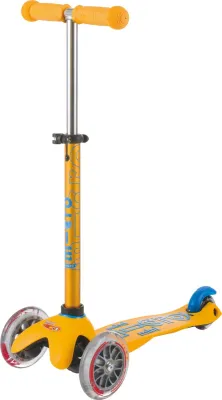
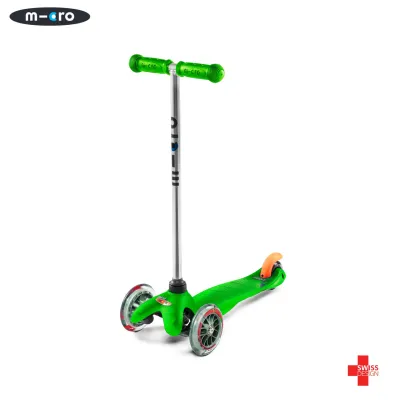
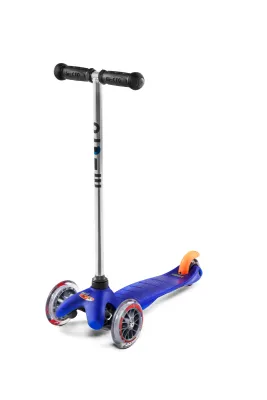
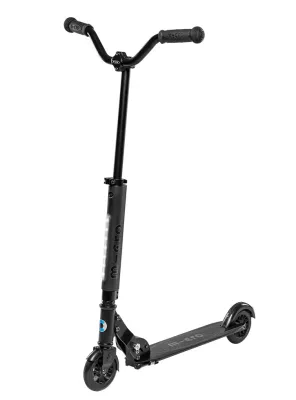
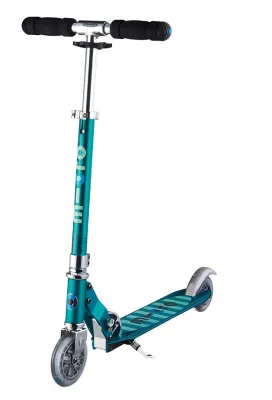
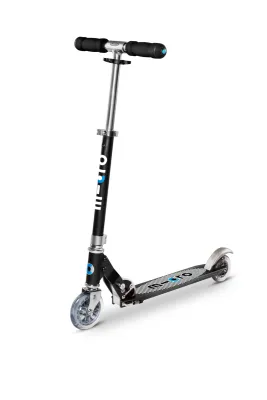
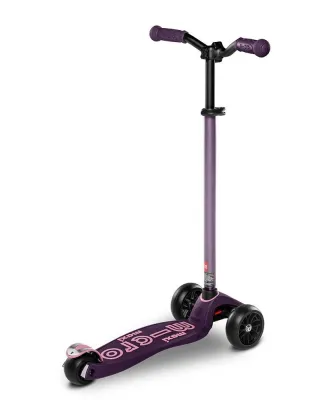
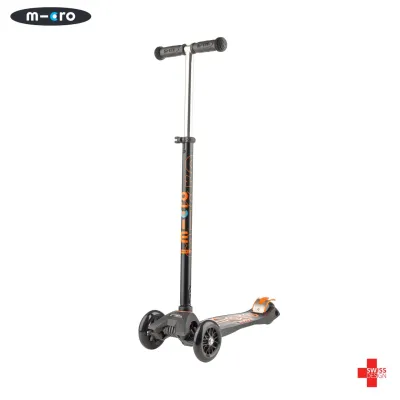
Prices are valid at publication and may change. Please refer to the product page for the latest price.
Handlebars that are too high—such as resting near the chin or collarbone—force the child’s arms up and out. This awkward position reduces their steering leverage, making it difficult to execute quick turns or maintain a straight line. If they encounter a small crack, pebble, or sudden dip in the pavement, they are much more likely to lose control and fall.
An oversized deck can also interfere with your child’s natural kicking stride, causing them to repeatedly strike their ankles against the side of the frame. Conversely, a deck that is too small does not provide enough space for both feet when coasting, leading to poor balance and unstable riding. Proper ground clearance is equally vital; a deck that sits too low may scrape on uneven neighborhood pathways, causing sudden, unsafe stops.
How to Measure Your Child for a Micro Scooter
To find the perfect fit, start by measuring your child’s total height. Have them stand straight against a flat wall without shoes, with their heels touching the baseboard and looking straight ahead. Use a tape measure to find their exact height from the floor to the top of their head, as this measurement is the primary filter used by manufacturers for general sizing categories.

Next, determine the ideal handlebar height zone by measuring from the floor to your child’s belly button, and then to their mid-chest. The ideal handlebar height should fall comfortably within this range. This positioning allows their elbows to bend slightly at a relaxed angle, keeping their back straight and their center of gravity stable while steering.
Finally, measure the distance between the outer edges of your child’s shoulders to evaluate grip comfort. The handlebar width should closely match this measurement to prevent shoulder strain and ensure natural steering control. You should also measure the length of their athletic shoes to verify that the scooter deck has enough surface area to support one foot securely while leaving room for the other foot to rest during coasting.
Matching Scooter Specifications to Age and Height
Always cross-reference the manufacturer’s height and weight limits rather than relying solely on age brackets. Age recommendations are general guidelines, but children grow at highly variable rates. Check the maximum weight capacity on the product label to ensure the scooter can safely support your child’s weight with room to grow.
Three-wheel models utilize a lean-to-steer mechanism, which is highly intuitive for toddlers and younger children, typically between the ages of two and five. The dual front wheels provide lateral stability, preventing the scooter from tipping over easily and allowing the child to build confidence as they learn to steer by shifting their body weight.
Two-wheel models require active steering and a more developed sense of balance, making them suitable for children aged five and older. These scooters offer greater speed, sharper turning radiuses, and a more dynamic riding experience for older kids who have mastered basic coordination and can easily support the scooter upright on their own.
In the humid, tropical climate of the Philippines, look for scooters constructed with rust-resistant materials like anodized aluminum and high-strength composite plastics. Check that the grip tape on the deck is durable and slip-resistant, as humidity and occasional dampness can make surfaces slick. Verify that the wheel bearings are sealed to protect them from dust and moisture.
Key Adjustable Features to Extend Scooter Lifespan
A high-quality micro scooter should feature an adjustable handlebar stem with a secure locking collar or clamp. This allows you to raise the handlebars incrementally as your child grows, ensuring the scooter remains at the correct height for several years and maximizing your investment.
Some premium models offer modular parts, such as interchangeable handlebars, decks, or brake assemblies. Check the manufacturer’s product manual to see if replacement parts are readily available. This modularity allows you to replace worn-out wheels or upgrade specific components without needing to purchase an entirely new scooter.
For families who travel to parks or need to store the scooter in compact spaces, a reliable folding mechanism is highly convenient. Look for a simple, secure latch that locks tightly into place. Ensure the mechanism is designed to prevent finger pinching and can withstand frequent use without loosening over time.
Signs It Is Time to Upgrade to a Larger Scooter
The most obvious sign that your child has outgrown their scooter is their riding posture. If the handlebars sit below their waist even at the highest adjustment setting, forcing them to hunch forward, it is time to transition to a larger model to prevent back strain and maintain proper control.
Pay close attention to how your child moves while riding. If their knees frequently strike the handlebar stem, or if their kicking foot clips the rear wheel or brake assembly, the deck and wheelbase are too short for their growing stride, indicating that they need a larger frame.
If you notice the deck flexing or bowing significantly under your child’s weight, or if the wheels roll sluggishly despite clean, well-lubricated bearings, they are likely approaching the maximum weight limit. Upgrading to a larger model with a higher weight capacity is essential to maintain structural safety and smooth performance.
Frequently Asked Questions (FAQ)
Can a child use a scooter that is slightly too big if the handlebars are lowered?
It is highly discouraged to place a child on an oversized scooter. While lowering the handlebars might make the height seem appropriate, the overall frame, deck, and wheelbase of an oversized scooter will be too heavy and long for a smaller child. This makes steering, pushing, and braking incredibly difficult, significantly increasing the risk of accidents and falls.
What is the best wheel size for a beginner micro scooter?
For beginners, larger wheels made of high-quality polyurethane are highly recommended. Larger wheels roll more smoothly over small cracks, pebbles, and uneven pavement, providing greater stability and a safer, more comfortable ride that helps young riders build their confidence.

Community discussion
Share your experience or ask a question. Comments are reviewed before publication.