
Spotting a fake Acqua Flask requires a careful examination of its physical build, packaging details, and purchase source. Because counterfeit insulated bottles often mimic the external look of genuine products, you must inspect the alignment of the logo, the smoothness of the lid threads, the quality of the powder coating, and the legitimacy of the seller. Verifying these details before or immediately after purchase ensures you receive a safe, high-performing sports accessory that can withstand tropical humidity and daily outdoor activities.
Why Authenticity Matters for Insulated Bottles
Using a genuine insulated bottle is not just about brand preference; it directly impacts your health and daily hydration experience. Counterfeit manufacturers often cut costs by using non-food-grade or unverified metals for the inner walls. Over time, exposure to acidic beverages or even plain water in these substandard containers can lead to chemical leaching or a persistent metallic taste.
Furthermore, authentic vacuum-insulated bottles rely on a precise, sealed double-wall construction to maintain beverage temperatures. Fake bottles frequently suffer from poor insulation performance due to compromised vacuum seals, causing cold drinks to sweat rapidly in hot, humid tropical weather. This structural failure leads to rapid temperature loss, leaving you with lukewarm water during outdoor sports or long commutes.
Products mentioned in this guide
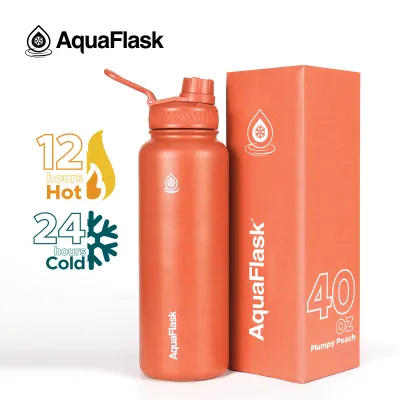
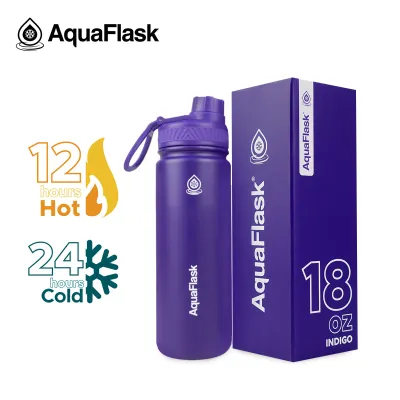
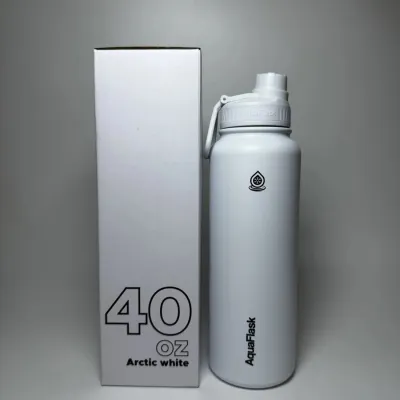
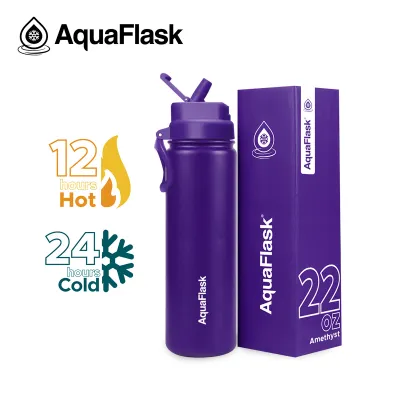
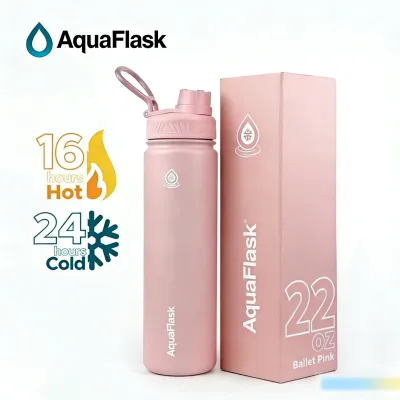
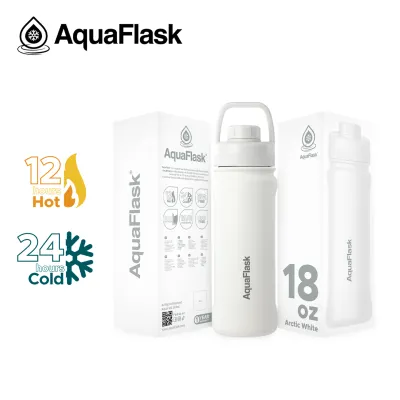
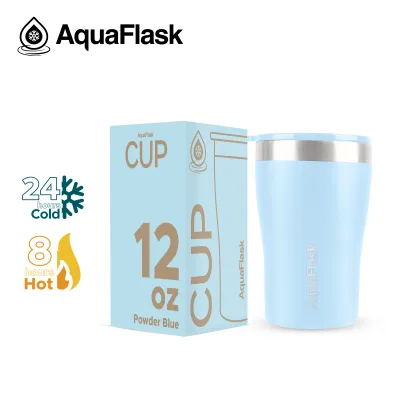
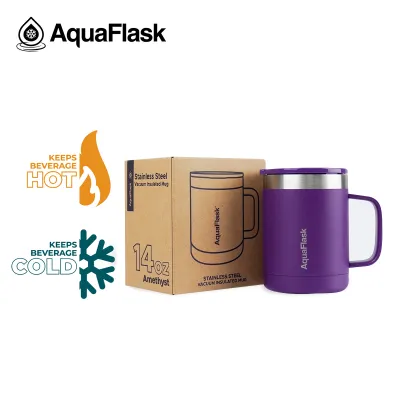
Prices are valid at publication and may change. Please refer to the product page for the latest price.
Substandard silicone seals in counterfeit lids also present a high risk of leakage. A faulty seal can ruin the contents of your sports bag or backpack, while unverified plastics in the lid assembly may degrade quickly under daily wear and tear.
Physical Inspection: Checking the Build and Finish
A hands-on inspection is one of the most reliable ways to identify a counterfeit bottle. Start by closely examining the logo application on the bottle’s exterior. Genuine flasks feature clean, crisp, and perfectly aligned branding with consistent fonts, whereas fakes often display blurry printing, slight misalignments, or logos that easily peel off with a fingernail scratch.

Next, test the lid mechanism and the threading of the cap. Screw the lid on and off several times to check for smoothness; genuine threads align effortlessly without catching or grinding. Inspect the silicone seal ring inside the lid to ensure it is thick, pliable, and fits snugly into its groove without loose edges or chemical odors.
The exterior powder coating should feel durable and uniform. Run your hand along the surface to check for uneven textures, bubbling, rough edges, or areas where the paint appears thin and prone to premature chipping. Authentic finishes are designed to provide a secure grip even when your hands are sweaty from outdoor activities.
Finally, evaluate the overall weight and balance of the empty bottle. Genuine stainless steel vacuum bottles have a distinct heft due to their double-wall construction. If the bottle feels unusually light, or if the base is uneven and causes the flask to wobble when placed on a flat surface, it is highly likely a counterfeit.
Packaging and Label Verification
The packaging often reveals what the bottle tries to hide. Examine the outer box and any internal inserts for print quality, color accuracy, and spelling. Counterfeit packaging frequently suffers from faded colors, pixelated graphics, and obvious typographical errors that would not pass standard quality control.
Verify the presence and clarity of all barcodes, capacity markings, and material safety icons on the box. Scan the barcode with a mobile device to see if it resolves to the correct product configuration, and check that the volume capacity listed on the packaging matches the actual bottle inside.
Inside the box, look for the instruction manual or care card. Genuine products include clear, well-printed documentation with accurate translations, while fakes may omit these entirely or include poorly translated, low-quality leaflets with blurry text.
Additionally, check for official brand security stickers, batch codes, or holograms on the packaging. Because security features can change over time, always cross-reference the current sticker designs and placement by visiting the brand’s official social media channels or website before making your purchase.
Evaluating the Seller and Purchase Channel
Where you buy is just as important as what you buy. To minimize risk, prioritize purchasing from authorized brand retailers, official brand flagship stores on major e-commerce platforms, or established physical sports and outdoor outlets. These channels source their inventory directly from the manufacturer, ensuring product authenticity.
Be highly skeptical of listings with prices significantly below the standard retail range in ₱. While seasonal sales occur, an extremely low price or unrealistic bulk discounts are major red flags. Additionally, avoid listings that rely solely on stock images rather than actual product photos.
Before clicking buy, thoroughly review the seller’s ratings and customer feedback history. Look specifically for authentic user review photos showing the actual received items, paying close attention to any complaints about poor insulation or leaking lids. A reputable seller will have a consistent history of positive ratings and active customer engagement.
Finally, familiarize yourself with the return, refund, and buyer protection policies of the specific online marketplace or physical store. Ensure the platform offers a clear dispute resolution process so you can secure a refund if the item arrives and fails your physical authenticity checks.
What to Do If You Suspect a Counterfeit
If you suspect your bottle is a counterfeit, stop using it for food or beverages immediately. Because unverified materials can pose health risks or leach chemicals into your drinks, continuing to use the flask is not worth the hazard.
Next, document the entire product, its packaging, and your transaction details. Take clear, well-lit photographs of the specific areas that raised your suspicions, such as misaligned logos, rough seams, or defective lids, alongside the shipping label and invoice.
Initiate a formal return or dispute process through the e-commerce platform’s official buyer protection system right away. Provide your photographic evidence and a clear explanation of why you believe the item is counterfeit to support your claim for a full refund.
Lastly, report the fraudulent listing or seller directly to the online marketplace to help protect other shoppers. You can also notify the brand’s official customer service department by sending them the seller’s details and your evidence, which helps them track down unauthorized manufacturers.
Frequently Asked Questions (FAQ)
Can I rely solely on the price to identify a fake Acqua Flask?
While an unusually low price in ₱ is a strong indicator of a counterfeit, you cannot rely on price alone. Some sophisticated counterfeiters price their fake flasks close to the standard retail rate to deceive buyers into thinking they are purchasing a genuine product on a minor discount. To protect yourself, always combine price evaluation with a thorough physical inspection of the bottle and its packaging.
Do genuine Acqua Flasks come with a warranty card?
The inclusion and format of a warranty card or registration leaflet can vary depending on the specific authorized retailer and current brand distribution policies. Because these documentation standards can change, it is best to check the official brand website or verified seller listings for the most up-to-date packaging requirements before completing your purchase.

Community discussion
Share your experience or ask a question. Comments are reviewed before publication.