
Spotting an authentic v200w volleyball when buying online in the Philippines requires a keen eye for physical details, tactile feedback, and seller behavior. As the official indoor game ball for major international tournaments and local collegiate leagues, this model is highly sought after by competitive and recreational players alike. Unfortunately, its massive popularity makes it a prime target for counterfeiters who flood digital marketplaces with low-quality replicas. To protect your investment and ensure optimal performance on the court, you must know how to distinguish a genuine product from a convincing fake before and after making a purchase.
Why Counterfeit Mikasa V200W Volleyballs Flood Online Marketplaces
The Mikasa V200W is widely recognized as the gold standard in the volleyball community. In the Philippines, it serves as the official match ball for prestigious tournaments such as the Premier Volleyball League (PVL), the UAAP, and the NCAA. This high-profile status drives immense demand among competitive athletes, school sports programs, and recreational players who want to train with professional-grade equipment.
Because genuine premium volleyballs require advanced manufacturing, they retail between ₱5,000 and ₱7,000 in the local market. Counterfeiters exploit this by producing cheap imitations priced from ₱500 to ₱1,500. Unauthorized sellers frequently use stolen official stock photos or watermarked images from legitimate distributors to mislead buyers looking for a bargain.
Products mentioned in this guide
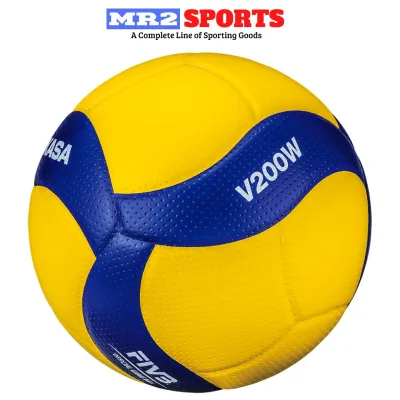
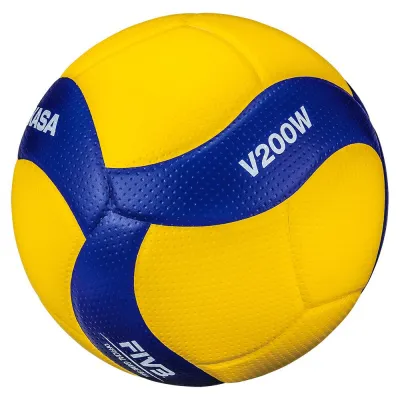
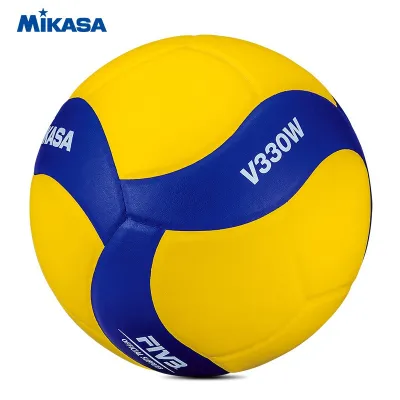
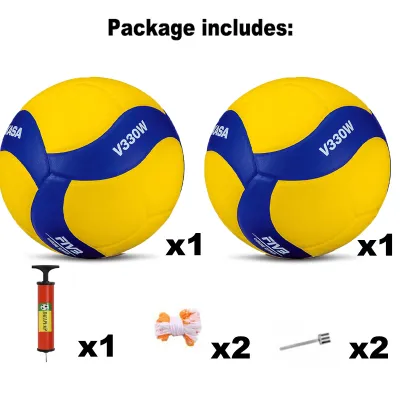
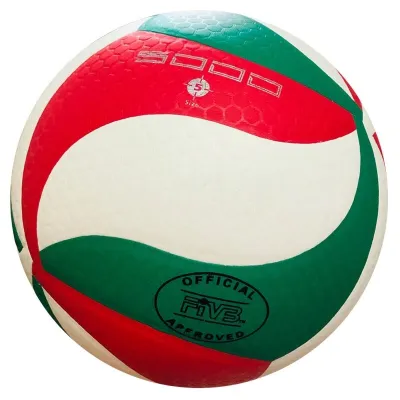
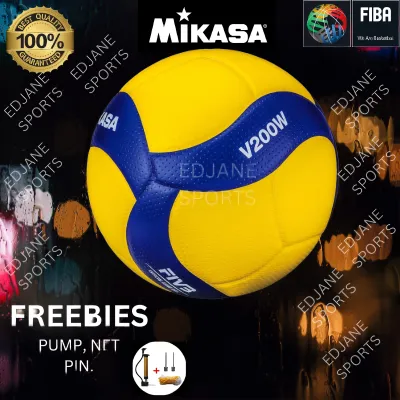
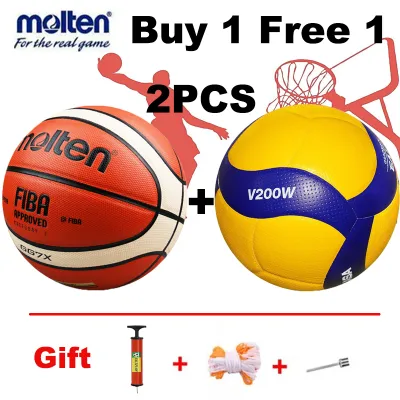
Prices are valid at publication and may change. Please refer to the product page for the latest price.
Playing with a counterfeit ball also degrades game quality. Fake volleyballs lack the aerodynamic engineering required for stable flight paths, causing unpredictable wobbling during serves and sets. Furthermore, the harsh synthetic materials do not absorb impact well, leading to forearm pain, bruising, and minor wrist injuries. While counterfeit listings are common on popular e-commerce platforms, the exact percentage of fake products cannot be quantified without official marketplace data.
Visual and Tactile Checklist for an Authentic V200W Volleyball
When your package arrives, conducting a thorough physical inspection is the most reliable way to verify its authenticity. No single surface feature guarantees a genuine product on its own, so you must perform a holistic check of multiple tactile and visual elements.

Panel Design and Texture The V200W features an 18-panel aerodynamic design for flight stability. The most critical feature is the surface texture, which utilizes a proprietary double-dimple microfiber technology. A genuine ball is covered in thousands of tiny, precise, and evenly spaced micro-dimples that reduce air resistance and prevent slipping. Counterfeit balls, by contrast, often have a completely smooth surface or shallow, unevenly stamped dimples that look like a cheap imitation.
Branding and Logos Examine the printed elements on the ball closely. On an authentic Mikasa ball, the brand name and the FIVB Approved logos are printed with razor-sharp precision. The fonts are perfectly aligned, the edges are crisp, and the ink is deeply saturated without bleeding. Replicas frequently display minor printing defects, such as slightly fuzzy edges around the letters, off-center placement, or incorrect font weights.
Material Feel The tactile sensation is one of the easiest ways to spot a fake. Genuine V200W balls are made from premium, soft microfiber synthetic leather that has a slightly tacky, cushioned feel. This material absorbs sweat and maintains grip in hot, humid Philippine indoor courts. Counterfeit balls typically feel stiff, slick, or plasticky. When exposed to sweat or tropical humidity, a fake ball quickly becomes slippery, making accurate setting and passing nearly impossible.
Valve Construction The inflation valve is a critical indicator of quality. On a genuine Mikasa ball, the valve is constructed from high-grade, self-sealing black rubber sitting flush with the surface. The opening is tiny, neat, and centered. Fake balls often feature poorly molded valves that protrude slightly, have rough or uneven rubber edges, or leak air slowly over time due to inferior sealing materials.
Red Flags: Telltale Signs of a Fake Mikasa Volleyball
Understanding the common manufacturing shortcuts taken by counterfeiters can help you quickly identify a fake ball before you even inflate it.
Color Discrepancies The authentic V200W uses a specific color palette of deep royal blue and vibrant yellow. This combination is carefully calibrated for high visibility under bright stadium lights. Counterfeit balls often fail to match these exact shades, featuring washed-out yellow panels or an overly bright, neon yellow. Similarly, the blue panels on a fake ball may appear as a dull, dark navy or a light sky-blue shade.
Construction Flaws Because the V200W is a laminated ball, the panels are bonded to the inner bladder with extreme precision. On a genuine ball, the seams are virtually flat and free of visible adhesive. Counterfeit balls are plagued by poor construction, such as visible glue residue, misaligned panel corners, or uneven gaps. In extreme cases, some low-quality fakes are stitched together rather than laminated, which is an immediate giveaway. These construction flaws also lead to uneven weight distribution, causing the ball to wobble abnormally when spun.
Missing Security Features Legitimate Mikasa products distributed in the Philippines usually come with specific packaging. An authentic ball is typically packaged in a high-quality, branded cardboard box that includes inflation instructions, a specific needle, and sometimes a small mesh ball bag. The ball or packaging often features a holographic security sticker and a unique serial number. Counterfeit balls are almost always shipped deflated and wrapped tightly in cheap plastic wrap, bubble wrap, or a generic, unbranded mailer box.
Listing Red Flags When browsing online marketplaces, the listing details can warn you of a scam. Be highly suspicious of any seller offering a brand new V200W for under ₱2,000, as this is far below the wholesale cost of a genuine ball. Read customer reviews carefully. Look for red flags such as repetitive, generic 5-star reviews that sound like automated translations, or 1-star reviews from local buyers warning that the product is a Class A or OEM copy. Avoid listings where the seller uses terms like original equipment manufacturer (OEM) or high-grade replica.
Safe Purchasing Channels and Verification Methods
Minimizing your risk of buying a counterfeit product requires a proactive approach to choosing sellers and verifying their inventory before checking out.
Authorized Sellers The safest way to buy an authentic v200w volleyball online is to purchase directly from authorized sporting goods retailers, official brand stores, or verified mall sellers on major e-commerce platforms. Established local retailers in the Philippines, such as Toby’s Sports or official Mikasa flagship stores, source their inventory directly from authorized distributors. While you will pay the full retail price, you receive a guaranteed genuine product backed by official customer service.
Pre-Purchase Verification If you are purchasing from a third-party seller, use the platform’s chat feature to verify their stock. Ask the seller to send real-life, unedited photos or a short video of the actual ball they plan to ship. Request close-up shots of the valve, surface texture, and printed logos. Legitimate sellers stocking authentic inventory are generally happy to provide these photos. If the seller refuses, ignores your request, or sends generic stock images, it is best to avoid the purchase.
Scanning Limitations Many buyers believe that scanning a QR code or barcode on the packaging is a foolproof way to verify authenticity. However, high-end counterfeiters frequently clone valid barcodes and QR codes from a single genuine Mikasa ball and print them onto thousands of fake packages. When you scan the code, it may successfully redirect you to the official Mikasa website, giving you a false sense of security. Therefore, digital scanning should only be a secondary check and must always be combined with a physical and tactile inspection of the ball’s material, seams, and weight.
Steps to Take If You Receive a Counterfeit Ball
If you accidentally purchase a counterfeit ball, acting quickly and documenting the evidence is crucial to securing a refund through your e-commerce platform’s buyer protection program.
Documentation Always record an uninterrupted unboxing video from the moment you receive the package. Start by showing the shipping label clearly, ensuring the tracking number and seller details are legible. Film yourself opening the package and inflating the ball. If you notice any immediate physical flaws—such as a smooth surface texture, visible glue seams, misaligned panels, or a leaking valve—zoom in on these areas. Take high-resolution, well-lit photos of these specific defects to use as supporting evidence.
Platform Protection Do not click the Order Received button or confirm the completion of the transaction on your app. Doing so may release the payment to the seller and make it much harder to get a refund. Instead, immediately file a formal return and refund request through the platform. Select the reason as Counterfeit/Fake Product or Item Not as Described. Upload your unboxing video and close-up photos as evidence. Most major online marketplaces in the Philippines have buyer protection policies that hold the payment in escrow during an investigation.
Reporting Once your refund is processed, report the fraudulent listing and the seller’s shop to the platform’s customer support team. Provide a brief explanation of why the product is counterfeit. Reporting these listings helps clean up the online marketplace, flags dishonest sellers, and protects other members of the Philippine volleyball community from being scammed.
Frequently Asked Questions (FAQ)
Can a fake Mikasa V200W pass a barcode or QR code scan?
Yes, a counterfeit Mikasa V200W can easily pass a barcode or QR code scan. Counterfeit manufacturers frequently copy genuine barcodes and QR codes from authentic products and print them onto the packaging of their replicas. When scanned, these cloned codes successfully direct you to the official Mikasa website, displaying the correct product model. Because digital codes are so easy to replicate, you should never rely on them as sole proof of authenticity. Instead, always prioritize a physical, tactile inspection of the ball’s surface texture, panel alignment, and overall weight.
Is it safe to use a counterfeit volleyball for casual play?
Using a counterfeit volleyball is highly discouraged, even for casual play or light training. Replicas are constructed from cheap, rigid materials that lack the proper cushioning and shock absorption of genuine microfiber synthetic leather. Playing with a hard, stiff ball can cause significant forearm pain, severe bruising, and joint strain during passing and setting. Additionally, poor manufacturing leads to uneven weight distribution and misaligned panels, resulting in unpredictable flight paths that hinder skill development. In the humid tropical climate of the Philippines, the slick materials of a fake ball quickly become slippery and unplayable. For a safer experience, it is highly recommended to invest in a lower-tier authentic Mikasa model, such as the V300W or V330W, rather than purchasing a counterfeit V200W.

Community discussion
Share your experience or ask a question. Comments are reviewed before publication.