
Finding a genuine RSL badminton racket in the Philippines requires a keen eye and a systematic approach. With the popularity of badminton in local sports centers from Manila to Cebu, counterfeit gear has flooded online marketplaces and unauthorized physical shops. Spotting a fake involves inspecting the physical construction, checking the alignment of decals, verifying the laser-engraved serial numbers, and examining the security hologram. Relying on a single check is rarely enough, as modern counterfeiters have become highly sophisticated in replicating visual details.
Why Authenticity Matters for RSL Badminton Rackets
Under the high humidity and temperature of typical Philippine indoor courts, racket materials are put to the test. Genuine RSL rackets utilize high-grade carbon fiber that distributes stress evenly during powerful smashes. Counterfeit rackets often use cheap composite materials or low-grade carbon fiber, leading to severe performance inconsistencies and unpredictable vibration.
More importantly, a fake racket poses a real safety hazard. During high-tension swings, a poorly constructed shaft can snap unexpectedly. This can send sharp carbon shards flying toward you or your playing partners, risking serious injury. Genuine manufacturers subject their products to strict quality control and structural testing, whereas counterfeiters bypass these safety measures entirely.
Products mentioned in this guide
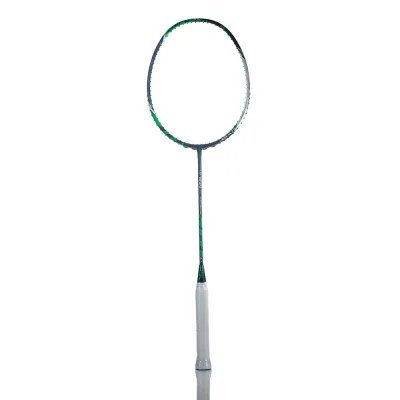
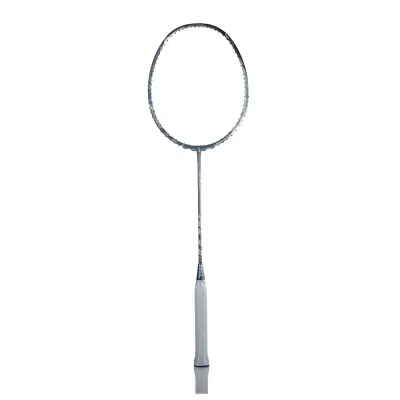
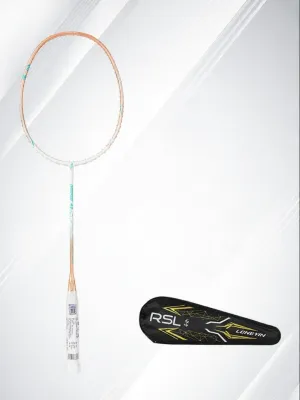
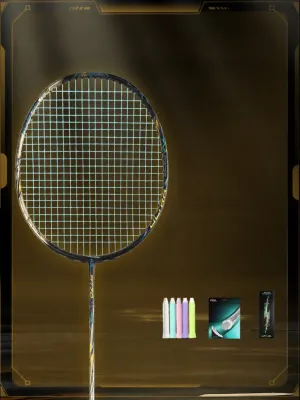
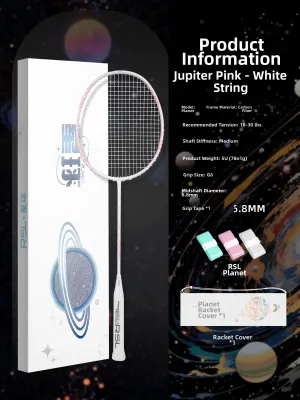
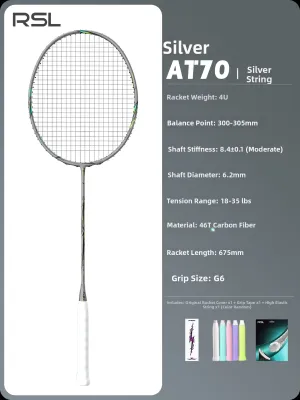
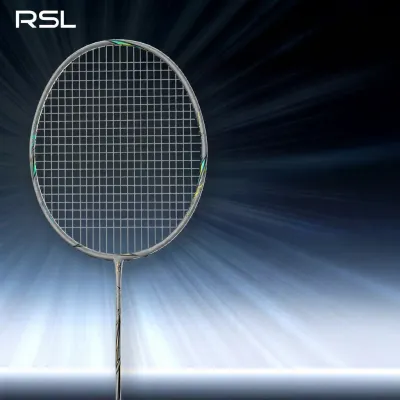
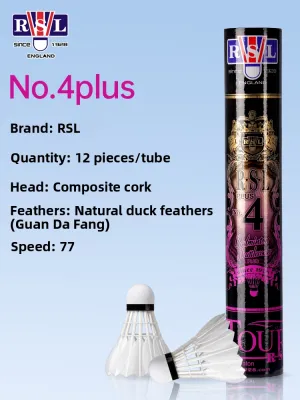
Prices are valid at publication and may change. Please refer to the product page for the latest price.
Additionally, purchasing a counterfeit means forfeiting all manufacturer support. If a genuine racket suffers a structural failure due to a manufacturing defect, authorized dealers can facilitate a warranty claim. With a fake, you have no recourse, turning your initial savings into a complete financial loss when the racket inevitably fails.
Key Visual and Physical Checks for Genuine RSL Rackets
Start your inspection by examining the paint finish and decals on the frame. Genuine RSL rackets feature a flawless, smooth paint job with crisp, clear water-slide decals. Look closely at the edges of the logos and lettering; on counterfeit rackets, you will often find blurry text, misaligned colors, or tiny air bubbles trapped under the clear coat.

Next, run your fingers along the shaft and the cone area. Genuine rackets have laser-engraved serial numbers on both the shaft and the cone. These engravings should feel clean and have a consistent depth. Counterfeiters often paint or cheaply print these numbers onto the surface, or use shallow, uneven engraving that feels rough or jagged to the touch.
The bottom cap is another critical area for verification. On an authentic RSL racket, the logo on the bottom cap is perfectly centered, sharp, and molded with high-precision plastic. The color of the cap should match the official brand specifications. Fake rackets frequently feature off-center logos, dull colors, or messy glue residue around the edges of the cap.
Pay attention to the grip and the factory wrapping. Genuine rackets come with a tightly wrapped, uniform factory grip covered in a clean, branded plastic seal. If the wrapping is loose, wrinkled, or lacks the official branding marks, it warrants closer inspection. Additionally, hold the racket at its balance point; a counterfeit often feels head-heavy or awkwardly unbalanced compared to the specifications of a genuine model.
Inspecting the Packaging and Accessories
The packaging and accessories often reveal the shortcuts taken by counterfeit manufacturers. When purchasing a new racket, examine the racket cover or carrying bag. Genuine RSL covers are made from durable, thick fabric with clean, even stitching and robust zippers that glide smoothly without catching.
In contrast, fake racket covers often use thin, synthetic materials that emit a strong chemical odor. The printed logos on these covers are frequently blurry, faded, or use incorrect fonts. Check the interior padding of the cover; authentic covers provide substantial cushioning to protect the frame, while counterfeit versions offer little to no protection.
Inspect any included documentation, such as the warranty card or user manual. Genuine documentation is printed on high-quality paper with sharp, legible text and accurate English grammar. Counterfeit packages often include poorly translated manuals, low-resolution printing, or generic warranty cards that do not match the specific model you purchased.
How to Verify the Serial Number and Hologram
Every genuine RSL racket features a unique serial number and a security hologram sticker designed to deter counterfeiters. The serial number on the cone typically indicates the production date and batch code, while the number on the shaft serves as the individual identifier. Verify that these numbers follow the official formatting rules of the brand.
The security hologram sticker is a primary defense against replication. When you tilt the racket under direct light, the hologram should display clear color shifts, sharp multi-layered patterns, and hidden security text. On counterfeit rackets, the hologram is often a flat, metallic sticker that does not change appearance when tilted, or the printed patterns look fuzzy and dull.
You can verify these codes through official RSL verification channels, such as their official website or authorized distributor portals. However, digital verification should never be your sole proof of authenticity. Sophisticated counterfeiters sometimes copy a single valid serial number and print it onto thousands of fake rackets, allowing the code to pass initial online checks. Always combine digital verification with physical inspections.
Choosing Reliable Purchase Channels
The most effective way to avoid counterfeit gear is to buy exclusively from authorized RSL dealers and official brand stores in the Philippines. These retailers source their inventory directly from the manufacturer, ensuring that every product is genuine and covered by an official warranty.
If you choose to shop on online marketplaces, exercise extreme caution. Evaluate third-party sellers by thoroughly analyzing their store ratings, customer feedback, and return policies. Look for detailed reviews with photos from actual buyers, and avoid stores that have a high volume of complaints regarding product authenticity or poor communication.
Be highly skeptical of pricing that seems too good to be true. Premium RSL racket models generally retail within a specific price range, often costing several thousand pesos (such as ₱3,000 to ₱7,000 or more depending on the series). If an online listing offers a top-tier model for ₱800 or ₱1,200, it is almost certainly a counterfeit. Saving money upfront is not worth the compromised performance and safety risks.
What to Do If You Suspect a Counterfeit
If you receive a racket and suspect it is a counterfeit, act quickly to protect your purchase. Begin by documenting all physical discrepancies, paint flaws, and packaging issues with clear, high-resolution photographs and videos. Compare these details side-by-side with images of verified genuine models.
Next, initiate a return or refund request through the e-commerce platform’s buyer protection program immediately. Do not use the racket or remove any original tags, grips, or plastic wrapping, as doing so may void your eligibility for a refund. Present your photographic evidence clearly to the platform’s customer support team to support your claim.
Finally, report the suspicious seller and listing to the platform’s administration. By flagging counterfeit listings, you help clean up the marketplace and protect other badminton enthusiasts in the local community from falling victim to the same deceptive practices.
Frequently Asked Questions (FAQ)
Can I rely solely on the serial number check to confirm authenticity?
No, you should not rely exclusively on the serial number. While a valid serial number is a good sign, advanced counterfeiters frequently clone genuine serial numbers from authentic rackets and print them onto hundreds of fake units. To ensure authenticity, you must combine the digital serial check with a thorough physical inspection of the paint, decals, and overall build quality.
Do fake RSL rackets come with a valid warranty?
No, counterfeit RSL rackets do not come with a valid manufacturer warranty. Authorized service centers and distributors can easily identify fake rackets during inspection and will reject any warranty claims or repair requests. Purchasing a fake means you assume all financial risk if the racket breaks or fails during play.

Community discussion
Share your experience or ask a question. Comments are reviewed before publication.