
Staying hydrated is essential when navigating the tropical heat of the Philippines, whether you are commuting through busy city streets, hitting the gym, or exploring outdoor trails. Insulated water bottles have become a daily necessity for keeping drinks ice-cold for hours. Among the popular choices, the Togo Aquaflask stands out for its reliable thermal performance and durable design. However, its widespread popularity has also made it a prime target for counterfeiters looking to profit off unsuspecting buyers.
Purchasing a counterfeit insulated bottle is not just a matter of losing money on a subpar product; it also introduces potential health and safety risks. Fake bottles often bypass strict quality control standards, utilizing inferior materials that fail to perform and may even leach unwanted substances into your drinking water. Knowing how to distinguish a genuine Togo Aquaflask from a clever imitation is crucial before you finalize your purchase, whether you are shopping at a local physical store or browsing online marketplaces.
To protect yourself from counterfeit products, you need to know exactly what physical, visual, and transactional details to analyze. This guide provides a comprehensive walkthrough of the key indicators of authenticity, helping you verify your bottle’s build quality, packaging, and seller credentials so you can invest in a genuine, safe product.
Products mentioned in this guide
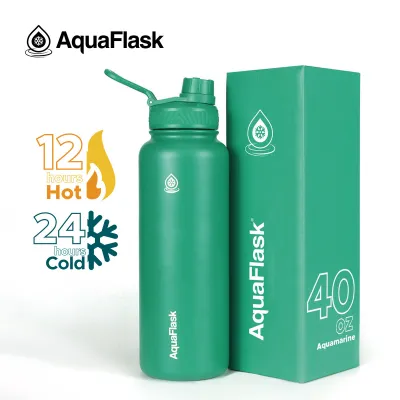
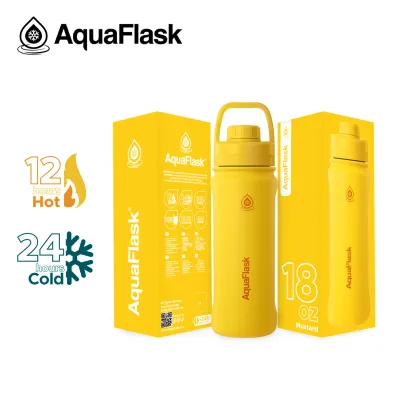
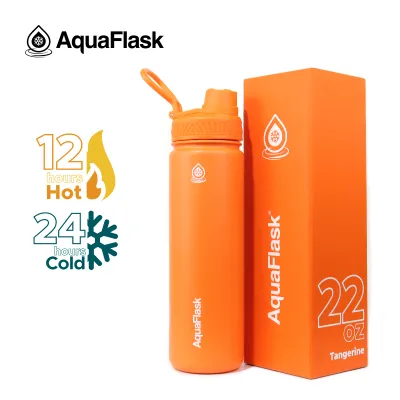
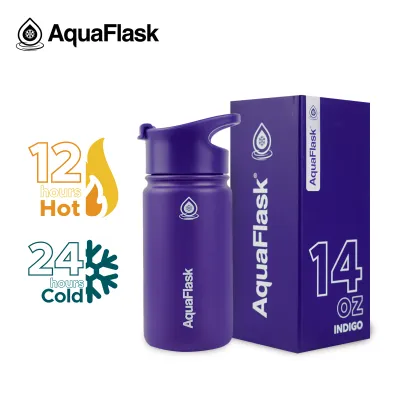
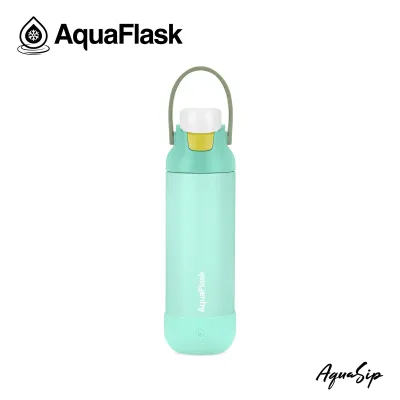
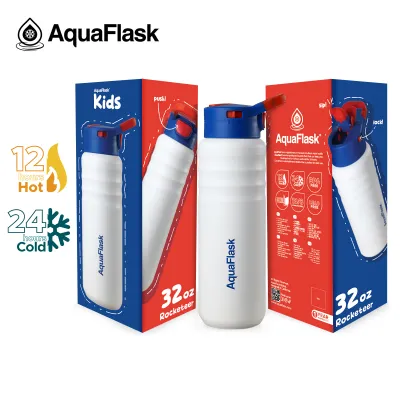
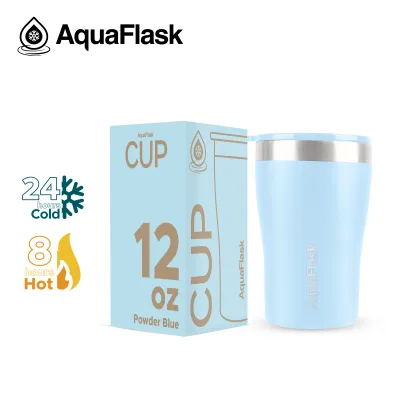
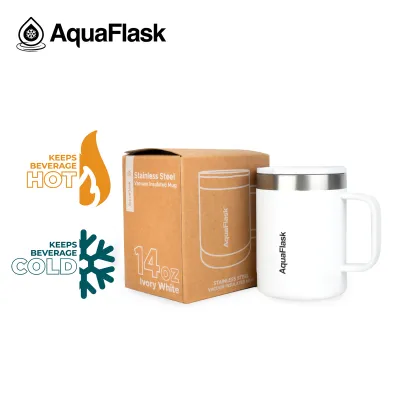
Prices are valid at publication and may change. Please refer to the product page for the latest price.
Why Counterfeit Drinkware Matters
Using a counterfeit insulated bottle carries consequences that go far beyond a poorly printed logo. The primary concern with fake drinkware is material safety. Genuine manufacturers use food-grade stainless steel, typically 18/8 or 304 grade, which is highly resistant to rust and chemical leaching. Counterfeiters, aiming to minimize production costs, often use lower-grade industrial steel that can corrode quickly when exposed to moisture and acidic beverages, potentially introducing harmful metals into your daily hydration.
Furthermore, the plastic components and silicone seals on counterfeit lids rarely undergo rigorous food-safety testing. These parts may contain bisphenol A (BPA) or other chemical plasticizers that can leach into your water, especially when exposed to warm temperatures. In contrast, authentic brands ensure that all components coming into contact with your beverage are food-safe and free from toxic compounds.
Performance is another major casualty of counterfeit manufacturing. A genuine Togo Aquaflask utilizes a double-wall vacuum insulation design, where the air between the two stainless steel walls is completely evacuated to prevent heat transfer. Counterfeit bottles often omit this vacuum sealing process entirely or use poor welding techniques that allow air to leak back in. As a result, your cold drinks will quickly warm up, and the exterior of the bottle will sweat profusely, damaging other items in your bag.
Key Visual and Physical Checks for a Genuine Togo Aquaflask
When holding the bottle, the first thing to inspect is the branding and logo application. Genuine Togo Aquaflasks feature highly precise, crisp logo printing or laser engraving. The letters should be perfectly aligned, with consistent spacing and font thickness that matches the official brand assets. On a counterfeit bottle, you might notice slight smudging around the edges of the logo, uneven font weights, or a logo that is visibly tilted or off-center.

Next, examine the lid and its threading mechanism. Screw the lid on and off several times to test its smoothness. An authentic lid should thread effortlessly without catching, squeaking, or requiring excessive force to seal. Inspect the silicone gasket inside the lid; a genuine gasket is thick, flexible, and fits perfectly within its designated groove to create an airtight seal. Counterfeit lids often have thin, poorly molded gaskets that slip out of place easily, leading to persistent leaks.
The weight and balance of the bottle can also reveal its true origin. Because genuine vacuum-insulated bottles consist of two distinct layers of high-quality stainless steel, they have a reassuring, solid weight even when completely empty. If the bottle feels unusually light, thin, or top-heavy, it is highly likely a single-walled counterfeit or made from inferior, ultra-thin metals that offer zero insulation.
Finally, run your hands over the exterior finish of the bottle. Authentic Togo Aquaflasks are finished with a high-quality, durable powder coating designed to provide a non-slip grip and resist scratches. This coating should feel uniform and slightly textured. If you notice uneven patches, bubbling, paint runs, or a smooth, glossy paint finish that chips off with a light scratch of your fingernail, you are likely dealing with a counterfeit product.
Packaging, Labels, and Documentation Verification
The unboxing experience offers several clues regarding a product’s authenticity. Genuine packaging is designed to protect the bottle and present the brand professionally. Inspect the cardboard box for print quality; the colors should be vibrant, and all text should be sharp and legible. Counterfeit packaging often utilizes cheap, thin cardboard that easily collapses, featuring blurry images, faded colors, or low-resolution printing that suggests a scanned and reprinted design.
Pay close attention to the labels, barcodes, and product information printed on the box. Authentic packaging typically includes specific barcodes, batch numbers, and manufacturing details that correspond to the product inside. Counterfeits may feature generic barcodes, missing batch codes, or obvious spelling and grammatical errors in the English descriptions. A quick scan of the text for typos is one of the easiest ways to spot a rushed counterfeit operation.
Inside the box, look for any included documentation, such as care instructions, user manuals, or warranty cards. Genuine inserts are printed on clean, high-quality paper with clear formatting and accurate brand contact information. If the package contains no documentation at all, or if the included leaflet is printed on cheap, flimsy paper with crooked text and poor translations, it is a strong indicator that the product did not come from an official factory.
Evaluating the Seller and Purchase Channels
Where you buy your bottle is just as important as how it looks. To ensure you are getting a genuine product, always prioritize authorized retailers, official brand stores, or verified flagship stores on major e-commerce platforms in the Philippines. These sellers are vetted and source their inventory directly from the manufacturer, offering the highest level of purchase security.
Be highly skeptical of extreme discounts and pricing anomalies. While seasonal sales and promotions do occur, a genuine Togo Aquaflask maintains a relatively stable market value due to its manufacturing quality. If an online listing offers the bottle at a fraction of its standard ₱ retail price, it is highly probable that the seller is distributing counterfeit goods. Saving a few pesos is not worth the risk of receiving a non-functional, potentially unsafe product.
Before clicking the purchase button on an online marketplace, spend time analyzing customer reviews and user-uploaded photos. Do not rely solely on the overall star rating, as some sellers use artificial reviews to boost their scores. Filter the reviews to show those with images and read the feedback from buyers who have used the bottle for a few weeks. Look for recurring complaints about leaking lids, poor temperature retention, or bottles arriving in damaged, generic packaging, as these are clear warning signs.
What to Do If You Suspect a Counterfeit
If you have already purchased a bottle and suspect it is a counterfeit after performing these checks, your first step should be to stop using it immediately. Do not fill it with hot coffee or ice-cold water, as unverified materials may react poorly to temperature extremes and leach chemicals into your drink. Your health and safety should always take priority over trying to make use of a questionable bargain.
Next, gather clear evidence of the discrepancies you have identified. Take high-resolution photos of the bottle from multiple angles, focusing on the misaligned logo, the poor lid threading, the thin silicone gasket, or any spelling errors on the packaging. If possible, take side-by-side comparison photos if you have access to a known genuine bottle. This visual evidence will be essential when filing a dispute.
Finally, initiate a return or refund request through the e-commerce platform or the retail store where you made the purchase. Clearly state that you suspect the item is counterfeit and upload your documented evidence. Most reputable online marketplaces in the Philippines have strict anti-counterfeit policies and buyer protection programs that will refund your money if you can demonstrate that the product is not authentic. Reporting the seller also helps protect other consumers from falling victim to the same scheme.
Frequently Asked Questions (FAQ)
Can I verify a Togo Aquaflask using a serial number or QR code?
Some production batches or special editions of Togo Aquaflasks may include unique serial numbers or scannable QR codes on the packaging or the base of the bottle. If your bottle features a QR code for verification, ensure that scanning it directs you to the official, secure brand website. Be cautious of codes that redirect to unfamiliar, third-party URLs, as counterfeiters sometimes set up fake verification pages to trick consumers into believing their product is genuine.
Are slight paint imperfections always a sign of a fake?
Not necessarily. Minor cosmetic variances, such as a tiny speck in the powder coating or a slight unevenness near the very bottom of the bottle, can occasionally occur during mass production and pass quality control. However, severe defects like widespread paint peeling, bubbling, or a completely incorrect texture are not typical of genuine manufacturing. If you spot paint imperfections, always cross-reference them with other physical checks, such as the weight of the bottle and the quality of the lid threading, to make a reliable determination.

Community discussion
Share your experience or ask a question. Comments are reviewed before publication.