
Staying hydrated in a tropical climate requires a reliable insulated water bottle that can keep your drinks cold all day. With the popularity of Aquaflask in the Philippines, counterfeit bottles have increasingly flooded online marketplaces and physical stalls. Ensuring your bottle is authentic is the only way to guarantee you are getting the food-grade materials and vacuum insulation you paid for.
To verify your bottle, you must look closely at the physical construction, check the seller’s credentials, and compare the branding against official store standards. Purchasing directly from authorized outlets remains the most reliable way to avoid counterfeit products.
Why Authenticity Matters for Insulated Bottles
Using a counterfeit insulated bottle involves more than just a cosmetic disappointment; it presents real functional and safety concerns. Genuine vacuum-insulated bottles are manufactured using food-grade stainless steel, typically 18/8 stainless steel, which resists corrosion and prevents metallic tastes. Counterfeit manufacturers often use lower-grade metals that can rust quickly when exposed to acidic beverages or daily washing.
Products mentioned in this guide
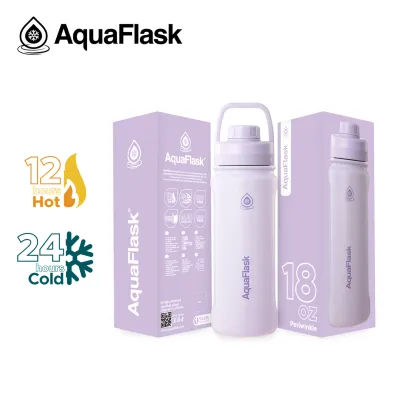
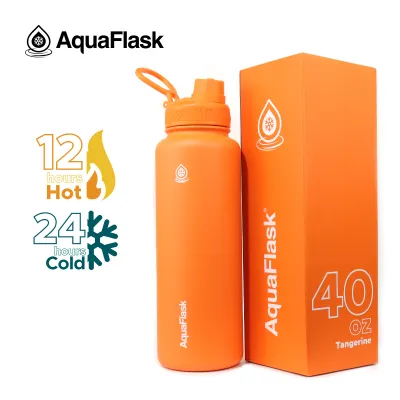
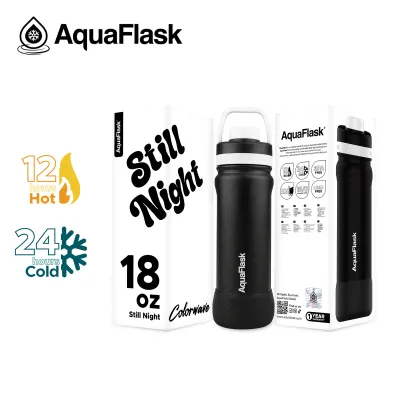
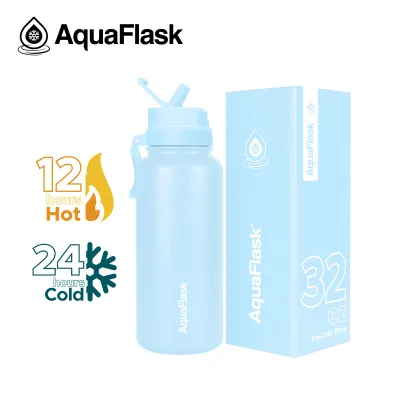
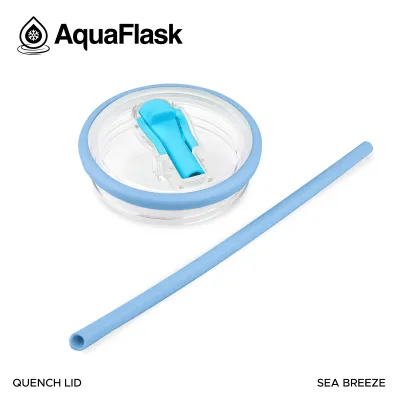
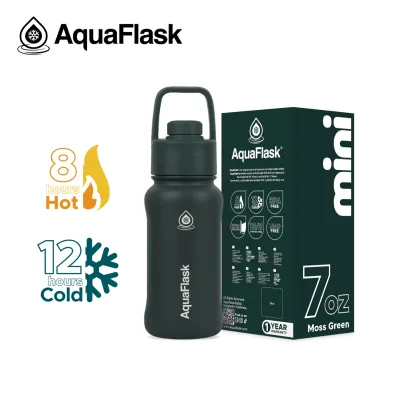
Prices are valid at publication and may change. Please refer to the product page for the latest price.
Furthermore, the plastics and silicone seals used in unauthorized replicas may contain harmful chemicals like BPA or phthalates. These materials are not subject to the strict quality control standards required for food-contact products. Over time, low-quality plastics can degrade, especially when exposed to warm temperatures or repeated cleaning.
Thermal performance is another major casualty of counterfeit manufacturing. Genuine flasks rely on a double-wall vacuum insulation barrier to prevent heat transfer. Fakes often lack a true vacuum seal, causing the bottle to sweat condensation in humid tropical weather and fail to keep your water cold during outdoor activities.
Finally, buying a counterfeit means forfeiting any official warranty or customer service support. If your authentic bottle suffers from a rare manufacturing defect, the brand’s official channels typically offer recourse. With a fake, you have no protection once the initial return window of an unauthorized seller closes.
Physical and Visual Checks for Genuine Aquaflask
A close physical inspection of the bottle can reveal several telltale signs of a counterfeit. Start by examining the logo and branding printed on the exterior. Genuine bottles feature clean, crisp laser engraving or high-quality printing where the letters are perfectly aligned, evenly spaced, and free of jagged edges. If the logo looks slightly blurry, off-center, or uses a different font thickness, it is likely a fake.

Next, test the lid mechanism and the threading of the cap. Authentic lids screw on smoothly without catching, squeaking, or requiring excessive force to seal. Check the silicone gasket inside the lid; it should fit snugly in its groove, feel pliable, and prevent any liquid from escaping when the bottle is turned upside down. Loose, thin, or poorly molded silicone seals are common indicators of cheap replicas.
Turn the bottle over to inspect the base. Genuine flasks feature clearly engraved or stamped manufacturing details, including the brand name, capacity, and sometimes batch codes or care instructions. On counterfeit versions, this bottom engraving is often shallow, unevenly stamped, misspelled, or missing entirely.
The overall weight and finish of the bottle also provide valuable clues. An authentic empty flask feels solid and has a balanced weight due to its double-wall steel construction. The powder-coated exterior should feel durable and slightly textured, offering a secure grip even when your hands are wet. If the paint feels exceptionally smooth, glossy, or shows signs of bubbling and peeling right out of the box, exercise caution.
Identifying the Aquaflask Official Store vs. Unauthorized Sellers
Navigating online marketplaces requires a critical eye to distinguish official storefronts from unauthorized third-party sellers. When shopping on major e-commerce platforms, look for verified mall badges or official brand flags on the seller’s profile. These badges indicate that the platform has verified the seller’s business registration and authorization to sell genuine merchandise.
Be highly suspicious of listings offering extreme discounts. While official stores run occasional promotional sales, a price that seems too good to be true—such as a brand-new flask listed for ₱200 or ₱300—is a major red flag. Genuine double-wall vacuum technology requires precise manufacturing processes that cannot be profitably sold at ultra-low price points.
Analyze the product listings carefully before making a purchase. Unauthorized sellers often use low-resolution, stolen product imagery from official social media pages, or they blur out the logos in their photos to avoid automated counterfeit detection. Read the product descriptions; vague specifications, poor grammar, and a lack of clear warranty information are common signs of a fraudulent listing.
Always check the seller’s overall rating and customer review history. Look specifically for reviews that include photos and videos from previous buyers. If multiple reviews mention that the bottle sweats, leaks, or arrived in generic packaging without official tags, avoid that seller entirely.
Steps to Take If You Receive a Suspected Fake
If you suspect you have received a counterfeit bottle, act quickly to secure a refund and report the fraudulent activity. Begin by documenting the product thoroughly. Take clear, high-resolution photos and videos of the packaging, the logo, the base engraving, the lid construction, and any specific defects like paint peeling or water leakage.
Do not click the button to confirm receipt or complete the order on your e-commerce platform, as this can make getting a refund much more difficult. Instead, initiate a return or refund request immediately through the platform’s buyer protection system. Select the option indicating that the item is counterfeit or does not match the description, and upload your documented photo and video evidence.
Keep all original packaging, tags, and shipping labels intact, as you may be required to ship the item back to a verification hub or the seller to process your refund. Avoid using the bottle while the dispute is active to ensure it remains in the exact condition you received it.
Reporting the unauthorized seller to both the e-commerce platform’s customer support and the official brand representatives is also highly recommended. Reporting these listings helps clean up online marketplaces, protecting other consumers from falling victim to the same deceptive practices.
Frequently Asked Questions (FAQ)
Can I verify authenticity using a QR code or serial number?
Official packaging and tags often include unique identifiers, such as barcodes, serial numbers, or scratch-off verification stickers. You can check these codes against the official brand website to confirm authenticity. However, be cautious when scanning QR codes printed on loose inserts or unofficial packaging; always ensure the URL leads directly to the official, secure brand domain rather than a lookalike phishing site designed to mimic a verification portal.
Are slight color variations a sign of a fake bottle?
Slight variations in color shades can occasionally occur between different manufacturing batches or seasonal releases, which is normal for mass-produced drinkware. However, these variations should never come with a drop in quality. If the color is slightly off but the powder coating is durable, the logo is crisp, and the bottle does not sweat, it is likely genuine. Conversely, if the paint is unevenly applied, bubbles easily, or peels off, it is a clear sign of a counterfeit product.

Community discussion
Share your experience or ask a question. Comments are reviewed before publication.