
Spotting a genuine fishing rod requires a keen eye for detail, a basic understanding of manufacturing standards, and a systematic approach to verification. In the Philippines, where angling spans from deep-sea trolling in open coastal waters to casting in local brackish estuaries and freshwater lakes, having reliable gear is essential. The tropical climate, high humidity, and corrosive saltwater environment quickly expose the structural weaknesses of counterfeit tackle. Ensuring you purchase a rod fishing original is not just about brand pride; it directly affects your safety, success, and overall enjoyment on the water.
By learning how to inspect physical build quality, verify serial numbers, check packaging details, and choose authorized purchasing channels, you can protect your investment. Counterfeiters have become highly sophisticated, replicating visual designs with surprising accuracy. However, they almost always compromise on material quality and manufacturing precision to keep production costs low. This guide will equip you with the practical knowledge needed to distinguish authentic fishing rods from cheap imitations.
The Risks of Buying Counterfeit Fishing Rods
Counterfeit fishing rods pose significant risks to anglers, starting with sudden structural failure. Under the unexpected load of a powerful local game fish, such as a mangrove snapper or a wild snakehead, a fake rod blank can snap violently. This sudden breakage can cause sharp carbon or fiberglass shards to splinter, risking serious injury to your hands, face, or eyes. Genuine rods undergo rigorous stress testing to ensure they can handle specified line classes and casting weights, whereas counterfeits bypass these safety standards entirely.
Products mentioned in this guide
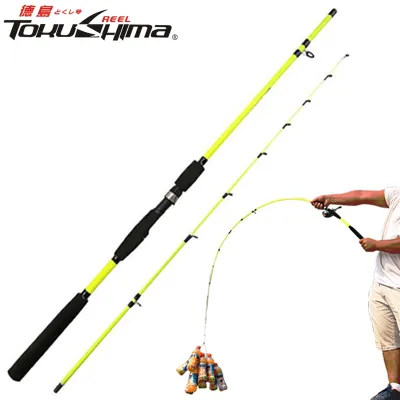
![[COD]Telescopic Fishing Rod 2.1M-2.7M High Carbon Ultra Light Portable Fishing Rod Super Hard Spinning Fishing Rod for Freshwater and Saltwater](https://img.lazcdn.com/g/p/82d36d975e8072240b5696306290fabd.jpg_400x400q80.jpg_.webp)
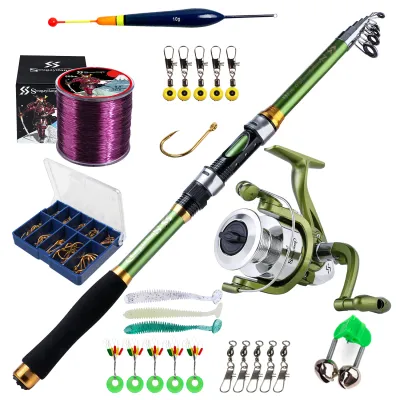
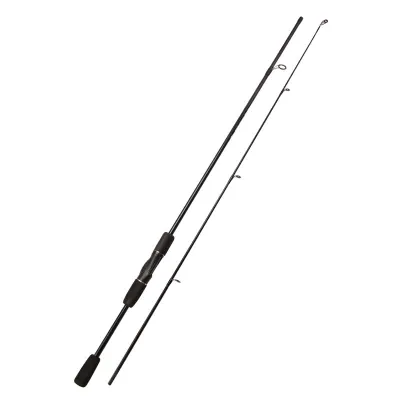
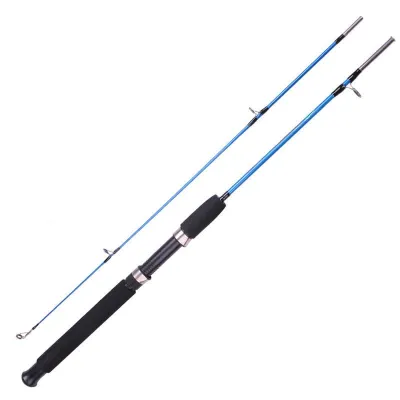
Prices are valid at publication and may change. Please refer to the product page for the latest price.
Additionally, counterfeit products carry no manufacturer warranty or customer support. If a fake rod breaks on its first outing, you have no recourse for a replacement, repair, or refund from the actual brand. Legitimate manufacturers invest heavily in customer service and product guarantees, which are completely absent when you buy from unauthorized counterfeiters.
Over time, the financial costs of repeatedly replacing cheap, fragile counterfeits far exceed the initial investment required for an authentic, durable rod. A genuine rod built with high-quality resins and carbon fibers can withstand years of tropical heat and saltwater exposure. In contrast, a counterfeit rod often degrades within a few months, forcing you to spend more money on replacements and potentially costing you the fish of a lifetime.
Key Markers of an Original Fishing Rod
Authentic fishing rods exhibit precise craftsmanship that counterfeiters struggle to replicate due to high production costs. Original packaging typically consists of heavy-duty cardboard tubes, high-quality fabric sleeves, or protective cases featuring crisp, clear branding. Look for official holographic security stickers, accurate barcodes, and clean product labels that match the manufacturer’s official design templates.

On the rod itself, the guide alignment must be perfectly straight along the blank’s spine. You can check this by looking down the rod from the reel seat to the tip top guide. The epoxy coating securing the guide wraps should be smooth, uniform, and free of air bubbles, cracks, or rough edges. High-quality guides, such as those made from silicon carbide or aluminum oxide, will feel smooth to the touch and feature clean, corrosion-resistant frames.
Furthermore, genuine rods feature clear, laser-etched or high-definition printed serial numbers, model codes, and brand logos. These markings are typically located just above the reel seat or on the butt section of the blank. The text should be perfectly legible, aligned, and resistant to light scratching, reflecting the high-precision printing processes used during official manufacturing.
Red Flags: Common Signs of a Fake Fishing Rod
Several warning signs can help you identify a counterfeit rod before you finalize a purchase. Misspelled brand names, blurry logos, or inconsistent font styles on the blank are immediate indicators of a fake. Counterfeiters often make subtle spelling alterations to bypass trademark filters on online marketplaces, hoping hurried buyers will not notice the difference.
Inspect the physical components and build quality closely for structural defects. Poorly aligned line guides, uneven epoxy application, and loose reel seats that wobble when a reel is attached are common manufacturing flaws in fakes. Substandard grip materials, such as low-density EVA foam or crumbling cork, will also degrade rapidly when exposed to tropical sweat, rain, and humidity.
Cheap packaging materials are another major red flag. If a premium rod arrives wrapped only in thin bubble wrap without an official sleeve, box, or protective tube, its authenticity is highly questionable. Genuine manufacturers prioritize secure transit to prevent micro-fractures in the carbon blank, whereas counterfeit sellers prioritize minimizing shipping weight and packaging costs.
Step-by-Step Authenticity Verification Methods
To verify a rod’s authenticity systematically, start by locating the serial number printed on the blank. Visit the manufacturer’s official website to check if they offer an online registration or verification portal where you can input this number. If the serial number does not exist in their database or has already been registered multiple times, the rod is likely a counterfeit.
Many modern brands now include scratch-off QR codes on their product tags or packaging. Scanning these codes with your smartphone should direct you to a secure, official verification page. Always double-check the website’s domain name in your browser’s address bar to ensure it is the official brand website and not a lookalike domain designed to mimic the manufacturer’s portal.
Finally, compare the physical specifications of your rod against the official product specifications published on the manufacturer’s website. Measure the rod’s exact weight, total length, and count the number of line guides. Counterfeits often use cheaper, heavier guide rings or have a different guide count than the official model, making physical comparison an effective way to confirm legitimacy.
Choosing Safe Purchasing Channels
Minimizing the risk of buying counterfeit gear starts with choosing the right purchasing channels. Prioritize authorized physical distributors, official brand stores, and established local tackle shops in the Philippines that possess verifiable credentials. These businesses source their inventory directly from the manufacturers, ensuring product authenticity and valid warranty coverage.
When shopping on online marketplaces, carefully evaluate third-party sellers by reading detailed buyer reviews and checking seller ratings. Look for reviews that include real photos of the delivered product, packaging, and accessories. Avoid sellers who use generic stock images, have low feedback scores, or offer suspicious product descriptions with no clear return policy.
Be highly suspicious of pricing that is significantly lower than the standard market rate in ₱. Genuine high-performance rods have consistent pricing across authorized channels due to standard manufacturing, shipping, and tax costs. If a deal seems too good to be true, it is almost certainly a counterfeit product made from inferior materials.
What to Do If You Receive a Counterfeit Rod
If you discover that you have received a counterfeit fishing rod, take immediate action to protect your funds. Document the entire unboxing process by taking clear, high-resolution photos and videos of the packaging, shipping label, and specific defects on the rod. This visual evidence is crucial for proving your case to customer support representatives.
Do not confirm the transaction or mark the order as received on the e-commerce platform. Instead, initiate a formal return or refund request through the platform’s buyer protection program, submitting your documented evidence of counterfeiting. Most reputable platforms have strict policies against counterfeit goods and will freeze the seller’s payout while investigating your claim.
Finally, report the counterfeit listing to the platform’s customer support and notify the official brand’s local distributor. Sharing this information helps protect other anglers in the community from falling victim to the same scam and assists manufacturers in taking legal action against counterfeit distributors.
Frequently Asked Questions (FAQ)
Can I trust a fishing rod if it comes with a warranty card?
No, a warranty card alone is not a guarantee of authenticity. Counterfeiters frequently replicate warranty cards, user manuals, and tags to make their products look genuine. To verify the card’s validity, inspect the print quality for blurriness or spelling errors, and contact the official local distributor to confirm if the serial number printed on the card matches an authorized shipment.
Are second-hand original fishing rods safe to buy?
Buying second-hand rods can be a cost-effective option, but it requires thorough physical inspection. Original serial numbers on used rods may be worn off, scratched, or intentionally altered by previous owners. Carefully inspect the entire length of the blank for hairline cracks, check the guides for chips or loose inserts, and test the reel seat’s stability before purchasing.

Community discussion
Share your experience or ask a question. Comments are reviewed before publication.