
To tell if roller blades are original or fake, you must perform a multi-step inspection covering the seller’s credentials, the packaging quality, and the physical construction of the skates. Genuine inline skates feature precise branding, robust structural alignment, high-grade materials, and consistent performance components that counterfeits cannot easily replicate. Because a single visual cue is rarely enough to confirm authenticity, verifying a combination of physical markers and purchasing only from authorized retail channels is the most reliable way to ensure you are getting a genuine, safe product.
Quick Verification Guide for Original Roller Blades
When shopping for a new pair of inline skates, a quick preliminary check can save you from a costly mistake. Counterfeiters often target popular recreational and freestyle models, flooding online marketplaces with cheap imitations that compromise your safety on the asphalt. The most immediate red flags include suspiciously low prices—often listed at a fraction of the standard retail cost—unauthorized sellers operating on social media, and flimsy, generic packaging.
To protect yourself, focus on three core verification pillars: packaging inspection, physical build quality, and seller credibility. Genuine manufacturers invest heavily in structural integrity, using robust frames and high-rebound wheels designed to withstand the heat and humidity of tropical environments. If a deal feels too good to be true, or if the seller cannot provide verifiable proof of authorization, it is highly likely the skates are counterfeit. Remember that no single visual cue guarantees authenticity; a systematic combination of checks is required to make a safe purchase decision.
Products mentioned in this guide
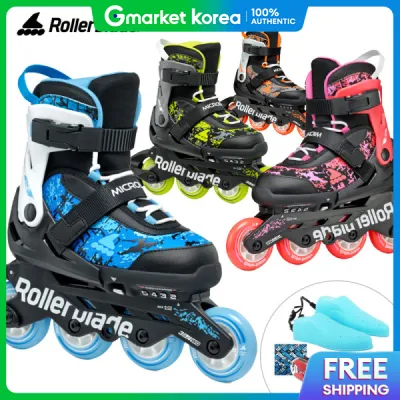
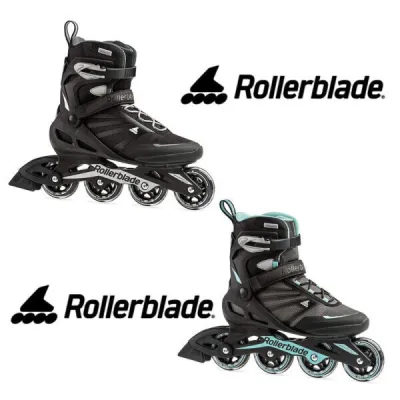
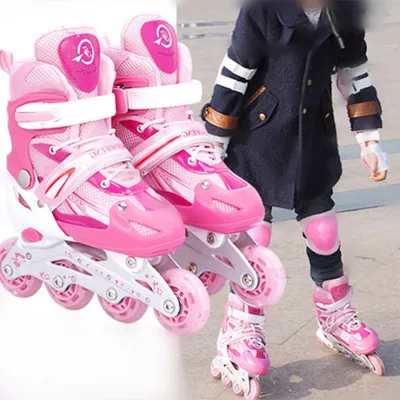
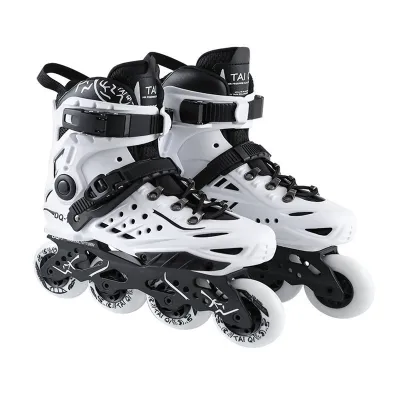
![IMUTO[Free protective gear]Roller Skate Shoes for Kids Adjustable Quad Skates Roller Blades Skate Shoes for Girls Boys](https://img.lazcdn.com/g/p/825ea35eea06c587864d651862874cfc.png_400x400q80.png_.webp)
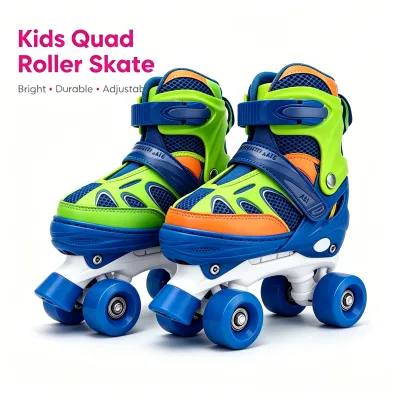
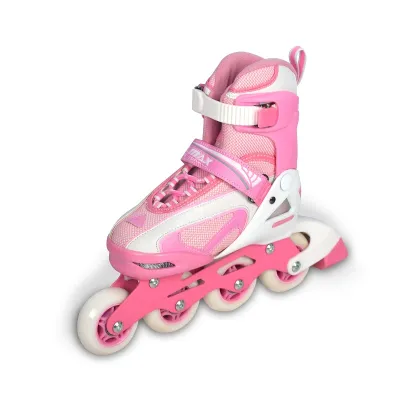
Prices are valid at publication and may change. Please refer to the product page for the latest price.
Evaluating Packaging and Documentation Quality
The unboxing experience is often the first line of defense against counterfeit goods. Authentic manufacturers package their roller blades in sturdy, brand-specific boxes designed to protect the heavy equipment during transit. Inspect the exterior box closely for high-quality printing, sharp graphics, and correct brand logos. Counterfeit packaging frequently exhibits blurred text, pixelated images, and obvious spelling or grammatical errors that indicate a rushed, low-budget production process.

Next, examine the documentation included inside the box. Original roller blades almost always come with clear, professionally printed user manuals, warranty cards, and sometimes certificates of authenticity. If these documents are missing, printed on cheap paper, or contain poorly translated instructions, treat the product with high suspicion.
The internal packaging materials also reveal a lot about the product’s origin. Genuine brands typically secure their skates using custom-molded cardboard inserts or high-density foam tailored to the specific shape of the boot and frame. If you find the skates rattling loosely inside the box or wrapped only in cheap, generic plastic bags, it is a strong indicator of a fake. Additionally, check the exterior labels for barcodes and SKU numbers. A quick search of the SKU should match the exact model, colorway, and size of the skates you purchased; any mismatch or missing label is a major red flag.
Assessing Build Quality and Physical Markers
Once the skates are out of the box, a close physical inspection of the components is essential. Inline skating requires equipment that can handle high speeds, sudden stops, and rough surfaces, making structural integrity a matter of personal safety. Start by examining the boot material, stitching, and internal padding. Genuine skates feature thick, supportive padding that retains its shape, along with clean, double-stitched seams and robust buckles that lock securely. Counterfeits often use thin, flimsy foam that collapses under pressure and uneven stitching that can unravel quickly.
The frame, wheels, and bearings require equal scrutiny. Inspect the frame—whether aluminum or composite—for clean edges, precise brand engravings, and proper alignment with the boot. Fake skates often have rough, unfinished edges, visible mold lines on plastic parts, or misaligned frames that compromise your balance. Spin the wheels to check the bearings; they should rotate smoothly and quietly without wobbling or grinding. Authentic wheels usually feature crisp, printed brand logos and specifications, such as the wheel size and durometer rating, which should match the official product description.
Look for precise, cleanly applied logos and serial numbers on the boot, frame, or underside of the skate. Counterfeiters often use cheap stickers or blurred prints that peel off easily. To verify these details, compare the physical item in your hands against the high-resolution official product images on the manufacturer’s website. Pay close attention to the placement of logos, the shape of the ventilation ports, and the design of the brake pad, as minor structural or design discrepancies are common in fake pairs.
Verifying Price Realism and Seller Credentials
Pricing is one of the most reliable indicators of authenticity. Before making a purchase, research the manufacturer’s suggested retail price (MSRP) for your chosen model. Compare the listed price in ₱ against this standard; while seasonal sales and authorized promotions occur, extreme discounts of 50% or more on current models are highly suspicious. If a seller is offering premium skates for a price that barely covers the cost of quality bearings, you are likely looking at a counterfeit.
Verifying the seller’s credentials is a crucial step in securing a genuine product. The safest approach is to check the brand’s official website for authorized dealer listings or store locators. If the seller is not listed, proceed with extreme caution. When browsing online marketplaces, look for official brand store badges, verified seller tags, and high store ratings. Read through customer feedback, paying close attention to reviews that mention product quality, packaging, or performance issues.
Be particularly wary of unverified social media sellers or independent e-commerce sites that advertise “factory direct,” “overstock,” or “customs seized” items. These terms are frequently used as cover stories to explain why premium goods are being sold at impossibly low prices. Authentic brands maintain strict control over their supply chains and rarely, if ever, liquidate their inventory through unauthorized, informal channels.
Action Plan for Suspected Counterfeit Purchases
If you suspect you have purchased a counterfeit pair of roller blades, taking immediate, organized action is vital to protect your funds and help clean up the marketplace. Start by documenting the unboxing process and the product’s specific flaws. Take clear, well-lit photos and videos of the packaging, mismatched labels, poor stitching, or misaligned frames. This visual evidence will serve as your primary proof when filing a claim.
Next, initiate a return or refund request through the e-commerce platform’s buyer protection program immediately. Most reputable platforms have strict policies against the sale of counterfeit goods and will freeze the seller’s payout while investigating your claim. Submit your documented evidence clearly, focusing on the physical discrepancies between the received item and the authentic product.
If the seller is uncooperative or the platform lacks adequate buyer protection, contact your payment provider or bank to dispute the charge. Provide them with the transaction details and evidence that you received a counterfeit item instead of the genuine product you ordered. Finally, report the counterfeit listing to both the platform administrators and the original brand’s customer support. Sharing this information helps manufacturers take legal action against counterfeiters and protects other skaters from purchasing unsafe equipment.
Frequently Asked Questions (FAQ)
Can I rely solely on a hologram sticker to prove authenticity?
No, you cannot rely solely on a hologram sticker. Counterfeiters have become highly skilled at replicating holographic designs or purchasing generic, shiny stickers to place on fake packaging to deceive unsuspecting buyers. A genuine hologram should have crisp, multi-layered details, but it must always be treated as just one minor part of a broader verification process. Always prioritize physical build quality, material standards, and seller authorization over any single sticker.
Are original roller blades always heavier than fake ones?
Not necessarily. While counterfeit skates often use cheaper, heavier plastics or low-grade metals that can make them feel unusually heavy, some fakes use thin, hollow materials that make them lighter than the original. Because weight varies significantly depending on the skate’s style, frame material, and size, it is not a definitive or reliable test. Instead of relying on weight, focus your inspection on material quality, structural integrity, and component branding.

Community discussion
Share your experience or ask a question. Comments are reviewed before publication.